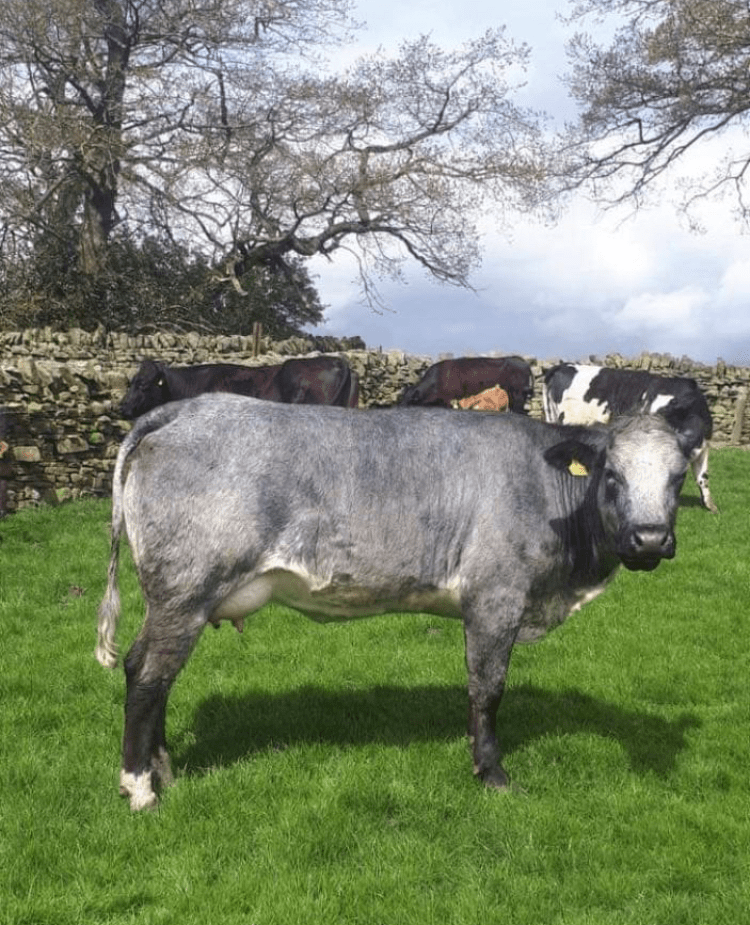
Dairy farming
Whilst I write a fair bit about sheep farming on here there are of course other ways in which the land of the Northwest is farmed, after all we produce over 15% of the UK’s farmed food and ¼ of the nation’s milk!
With this is in mind I’d like to write a bit about the Dairy industry, starting off with what a Dairy farmer might be up to at this time of year.
Dairy farming in March
While the weather has been quite horrible for the past week or so (March 2023) the forecast is for it to improve slightly, this is good news for our dairy farmers as it means they should be able to get their cattle back out grazing soon.
Waterlogged ground
Some dairy herds will have been out already but on those with waterlogged ground which is proving slower to dry out farmers have been hesitant to let them out of their sheds yet.
Getting the cows out to graze is top of the list of priorities for the dairy farmer and during the last spell of dry weather some farmers scrambled to get them out onto the grass, farmers are naturally wary though and those with heavy, waterlogged ground were understandably hesitant.
The first cows that a dairy farmer wants to be out of the shed are their ‘maiden’ heifers, (a maiden is a cow which isn’t pregnant), this is because they won’t be gaining much weight inside but will put it on quick once grazing naturally.
Vaccinations
Before putting younger animals like these out onto ground with low grass which hasn’t really started growing yet they will be vaccinated against diseases such as Blackleg.
This is because any sudden decline in weather can affect a cow which has become used to being dry and warm inside all winter and hasn’t built up an immune system yet.
It is also because the animals will be grazing shorter grass which is closer to the soil so will pick up microbes, like clostridium chauvoei, which causes blackleg, that live in it and wouldn’t normally be encountered by the cow’s immune system.
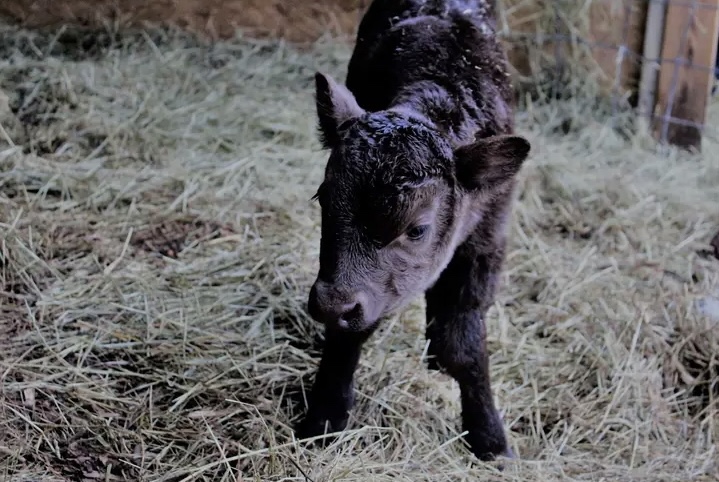
Calves
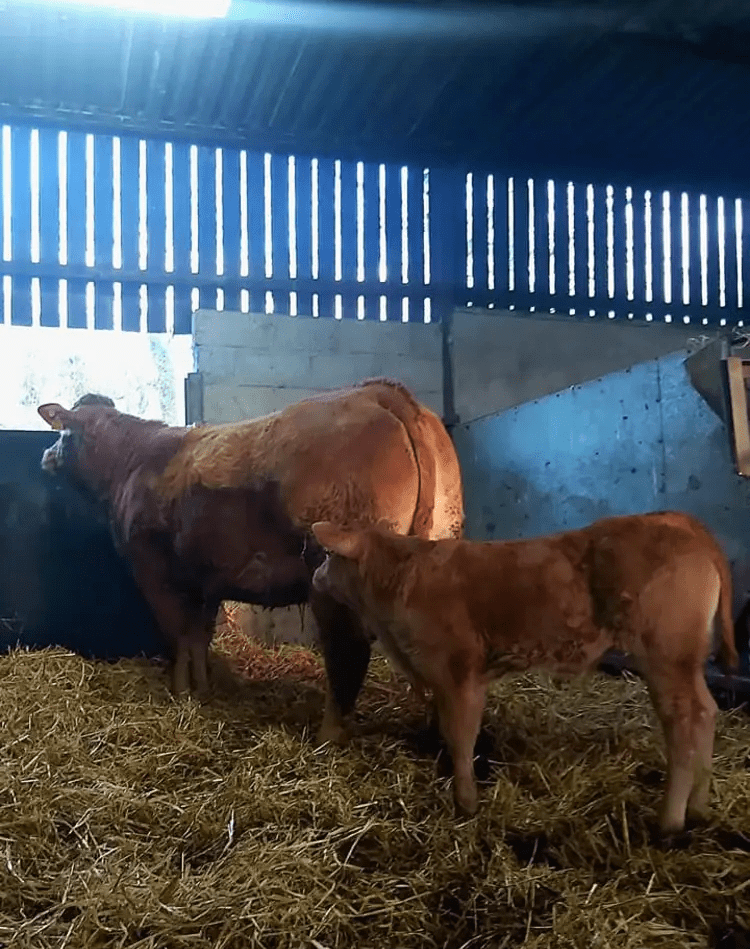
Farmers with dairy calves but with little grazing space may let out the oldest calves first but will keep them in more sheltered paddocks in case of a downward turn in the weather, if this is next to their shed they will let them out there to make it easier to get them back inside if needed.
However this means the shed will have to be quickly cleaned out of the muck accumulated over winter.
These calves will be perfectly happy as long as they’ve got plenty of clean water, straw and roughage to eat.

Slurry and Silage
There is the future to think about too so farmers will start spreading slurry, which is liquid waste that is high in nitrogen (and high in stink!) on fields they intend to mow later on.
Spreading a couple of thousand gallons of slurry per acre now should mean it is fit to mow for silage around about the May bank holiday.
Getting in several crops of silage a year, silage being green grass which is wrapped in polythene as soon as it is cut to keep in moisture and nutrients, is important as it is what the dairy farmer feeds their cattle over winter, also any surplus can be sold or kept to help their neighbours out should they need it.
A B-H
 Northwest Nature and History
One thought on “Down on the Dairy farm in March”