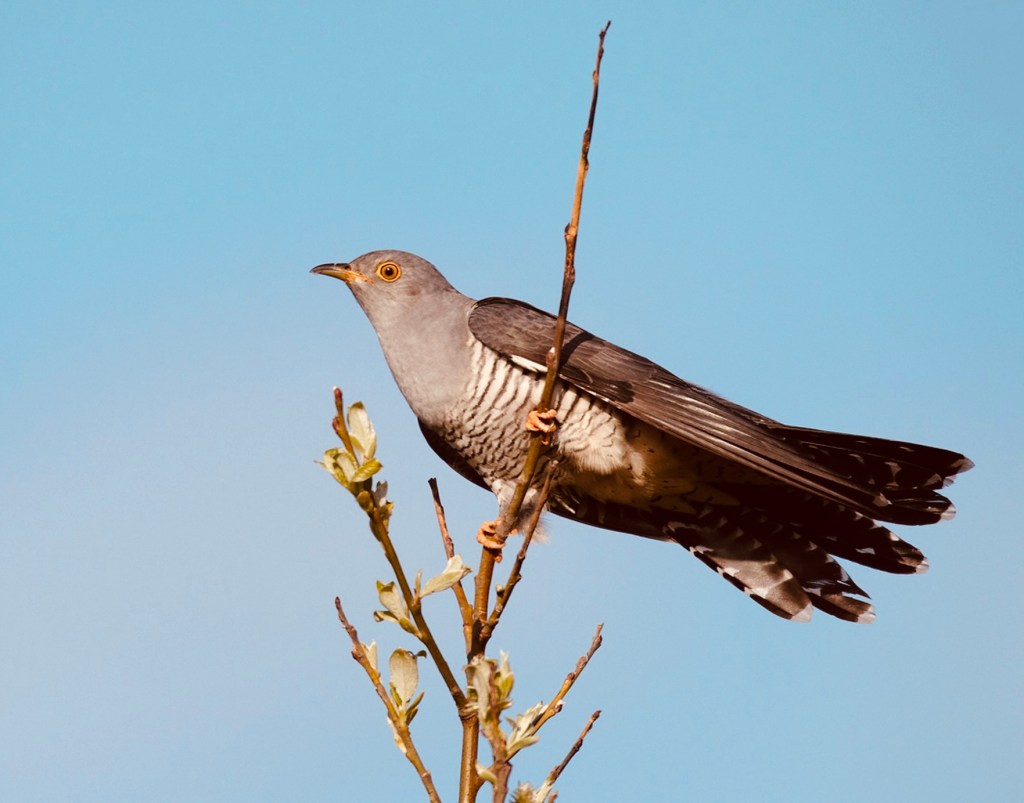
The Eurasian Cuckoo, Cuculus canorus, has an onomatopoeic name, cuculus simply refering to the sound of its call and canorus means ‘pleasant sounding’. The call of the Cuckoo is indeed very pleasant to hear and evocative too, conjuring images of spring in the minds of most people, even those that might never have heard the call in real life. Unfortunately numbers of Cuckoos have been in decline in the British isles since the 1970s so this now includes most of the population.
The overall British population of Cuckoos is estimated to have fallen by 62 per cent between 1970 and 2010 and here in Lancashire the present summer population is estimated at around 100 pairs, I’ll list some of the places you might see them later on in this article, for now I’ll cover some of the characteristics of this unusual bird, beginning with its appearance.
Appearance
Despite the Cuckoo’s obvious and unmistakable song, it is very rarely seen, in flight it is often mistaken for a bird of prey such as a Sparrowhawk as their dark, streamlined shape is glimpsed darting at high speed between trees and bushes, but unlike most birds of prey it has rapid wing-beats below the horizontal plane, meaning the wings are not raised above the body.
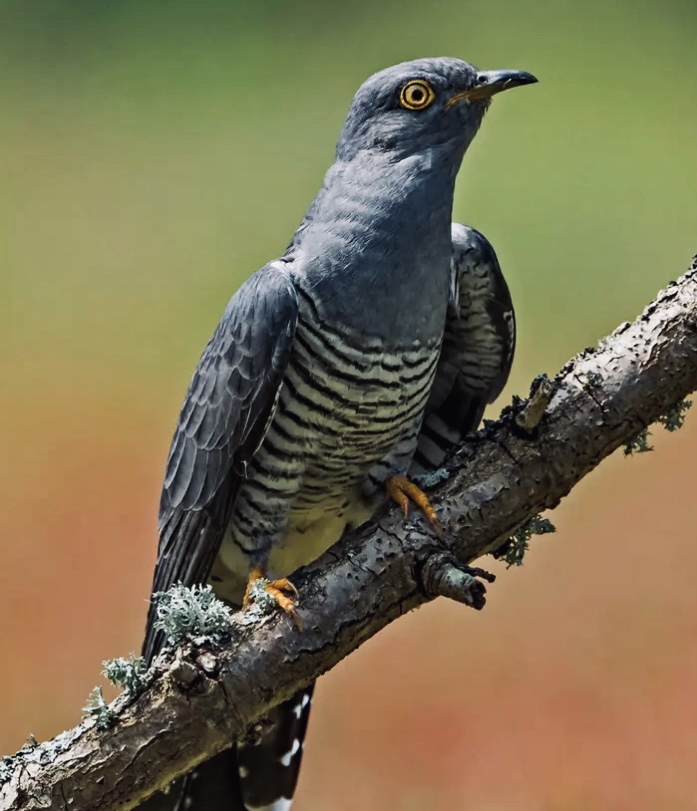
(Roger Boyles)
Adult Male Cuckoos are uniformly grey on the head, neck, back, wings and tail with white underparts which have clear black bars. Adult females can appear in one of two forms though; one form is called ‘grey-morph’ which resembles the adult male’s plumage but with the throat and breast barred black and white. The other form is called ‘rufous-morph’ where the grey is replaced by a ‘rufous’ or reddish colour, with strong black barring on the wings, back and tail. Juvenile Cuckoos usually resemble the female rufous-morph but are dark brown above.
Song and Calls
Cuckoos begin calling almost as soon as they reach our shores and their song is probably one of the most recognisable and well-known of all British bird species, they can be heard all summer through to late August. The male has the distinctive “Cuck-oo” call, with the first vowel occasionally repeated, so it sounds like; “Cuck-uck-oo” and the female has a distinctive bubbling “pupupupu”call, As the Cuckoo’s call echoes very well and has been evolved to carry for long distances it can be very hard to pinpoint it’s origin, especially as they move about all the time to cover their territory.
Diet
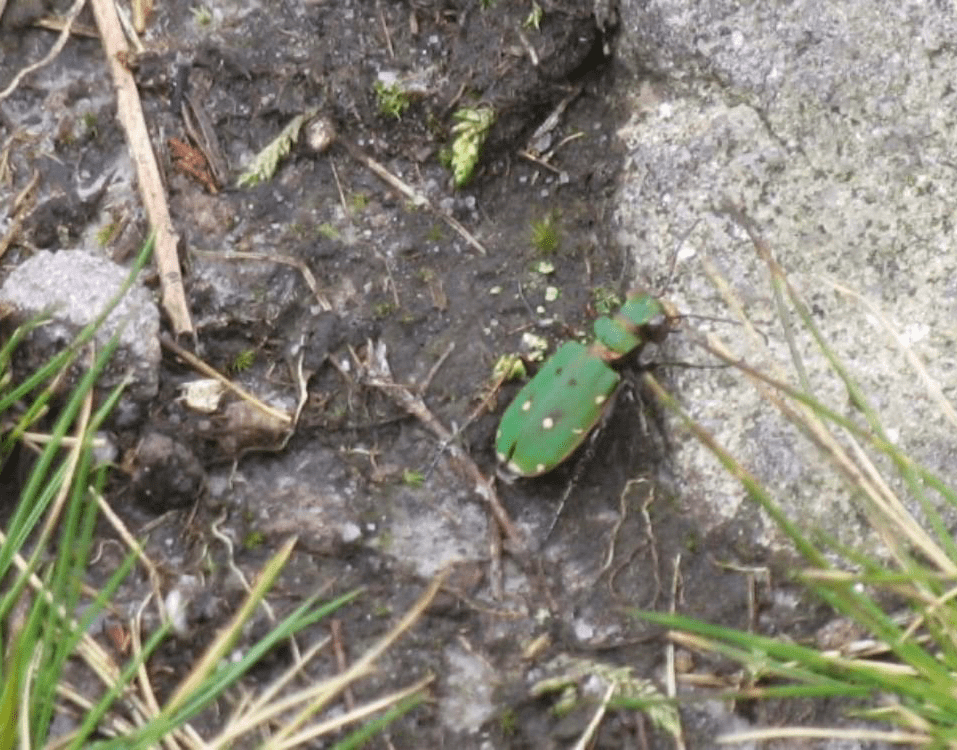
The Cuckoo is an Insectivore, hunting mostly caterpillars and beetles, it does not specialize in a particular species of prey, but catches whichever insects are most numerous in its local area, and therefore easiest to find and catch.
Breeding Cycle
Instead of building their own nest, Cuckoos famously use the nests of ‘host’ birds, such as Dunnocks and Meadow Pipits. When a female Cuckoo finds a suitable nest, and the nests’s owners aren’t looking, she removes one of their eggs and lays her own egg in its place, quite often these nests are built by birds that are much, much smaller than the Cuckoo chick.
The ‘parent’ birds must then work even harder to feed their giant chick which they have mistook for their own. They’re not the only British bird to do this though, Goldeneye ducks lay eggs in other birds’ nests, the difference is that Goldeneyes only lay their eggs in the nests of other Goldeneyes whilst Cuckoos choose an entirely different species.
There are several different subspecies of Cuckoos that leave Africa each spring for different countries in Europe and each one specialises in a different host species.
They each develop eggs that looks roughly similar to the ones in the host nest and the subspecies that comes to Britain specialises in Meadow pipits, though they will occasionally lay eggs in the nests of other similar sized birds like reed buntings.
So please spare a thought for the Meadow Pipit, as some of them will have a hard breeding season ahead of them, rearing a nestling that ejects the rest of the clutch and then goes on to grow to twice or three times the size of its foster parent!

Migration
The Eurasian Cuckoo migrates from an area in the middle of the African continent called the Congo and cover thousands of miles each year on their way to their summer breeding grounds and back. British Cuckoos have the Sahara to negotiate and then the Mediterranean Sea immediately afterwards, they will choose several ways to cross the Mediterranean, mostly passing via Malta and Italy or by Gibraltar and Spain.
Whichever route they take less and less of them are reaching the British isles each spring, some ornithologists blame this on changing environmental conditions in their wintering grounds in Africa, another theory is that hunters on their migration routes take their toll. Both these theories are suspect though, it is much more likely that conditions here in the British isles are to blame for the decline in numbers and to put this blame on something that’s happening in another country is just another form of scape-goating.
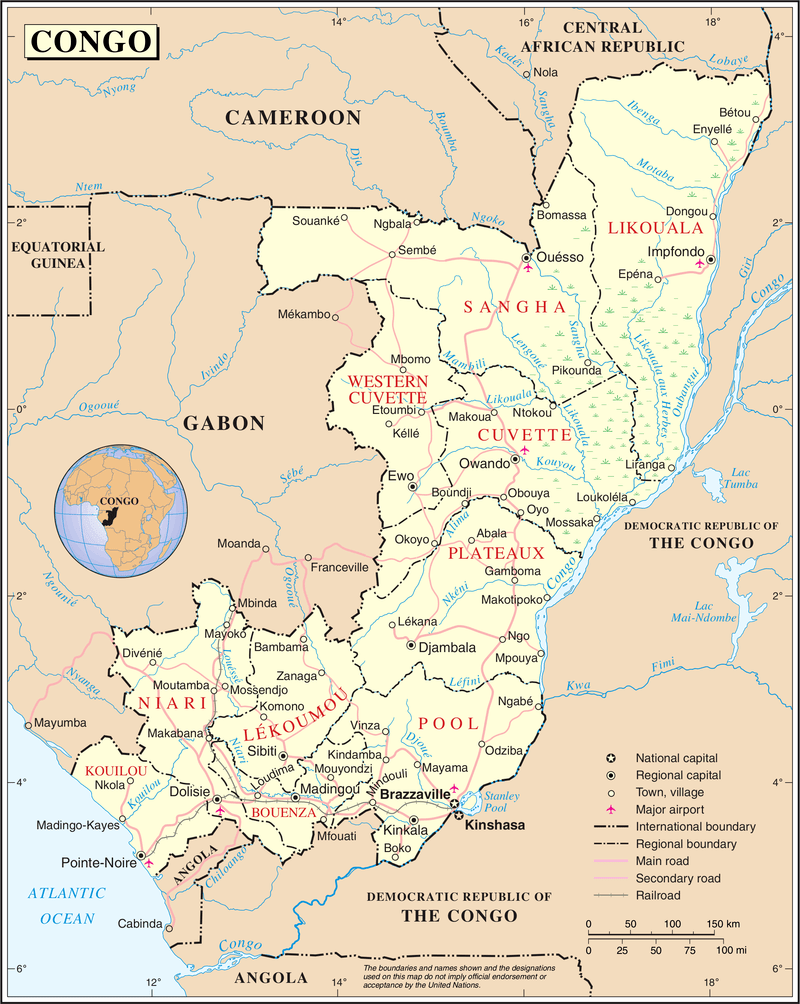
Most British Cuckoos spend their winters in the south of the Republic of the Congo, in a region called Congo-Brazaville, which is not to be confused with the neighbouring Democratic Republic of the Congo, unlike the Democratic Republic it is a country relatively unaffected by development, climate change or population growth and these are not thought to be issues that threaten the Cuckoo there.
So whatever is causing the decline is more likely to be in the area of the world they spend the second largest portion of their lives and where they leave behind their young, trusting them to be fattened up by foster parents and to find their own way to their winter home later on.
Where to spot, or hear, Cuckoos in the Northwest
There are several places around the Northwest I have seen or heard the Cuckoo, these are:
- Cragg Wood, Clougha, near Lancaster
- Stocks reservoir, Gisburn Forest
- Croasdale valley
- Cross of Greet, upper Hodder valley
- Dunsop Valley
- Langden Valley
- Longridge Fell
Bowland Larry
‘Larry’ was an adult male Cuckoo who was caught and tagged in June 2015 near Stocks Reservoir, he was last heard from in 2019. A licensed bird ringer (Cuckoos are a protected species) called Mark Breaks from Newton in Bowland was involved in catching ‘Larry’ together with researchers from the British Trust for Ornithology (BTO). Data from Larry’s satellite tag and that of some 60 other Cuckoos tracked over the years revealed the routes they take on their autumn migration to Africa, whereabouts they spend the winter and the routes they take back to Britain in the spring.
The satellite data for Larry showed that in 2015 he travelled via Hungary, Croatia, Italy and Libya to the Sahara Desert which he crossed over to the country of Chad, then he travelled via the Congo rainforest to overwinter in northern Angola. It also showed that his return in spring, 2016 was more by a more westerly route, via Nigeria, Niger, Algeria, Sardinia and France then back to the Forest of Bowland.
The route he took each year was usually the same one bar a couple of stop overs before crossing the Sahara and each of his round trips totalled at least 10,000 miles. Larry was already an adult bird when caught so must have made at least five trips of such huge distances before dying of unknown causes part of the way through his final journey, this is a remarkable achievement for a bird that only weighs on average around 130 grams.
In 2019 Larry arrived in northern Libya just before the 29th of July, signals pinged to satellites from his tag around six days later showed that he had not moved from this arrival location. Experts from the BTO concluded that there was no way that Larry could have survived for that long in the sub-Saharan desert and that he must have died there, this was very sad news as he was the BTO’s longest surviving active Cuckoo and was just entering his fifth year of tracking.

Cuckoos this Spring
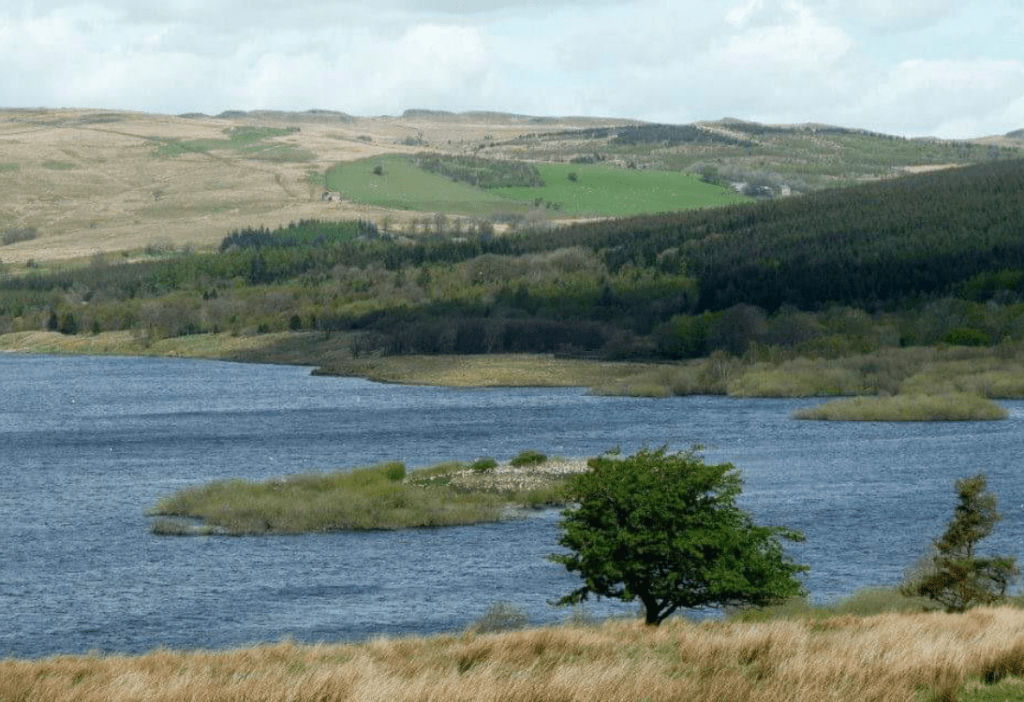
One place I’ve had quite a lot of luck spotting Cuckoos is from the bird hides at Stocks Reservoir near to where Larry was caught and tagged, they seem to like the banks of the reservoir where there is a lot of rushy ground with nesting Pipits and other songbirds, it’s also a rather pleasant place to while away a few hours with a pair of binoculars and a bird book!
A B-H
 Northwest Nature and History
One thought on “The Cuckoo”