The long and complex history of the British isles, composed of centuries of conquest and colonisation, has bequeathed to us a linguistic heritage unlike that of any other country, this is reflected most clearly in the history behind our place names.
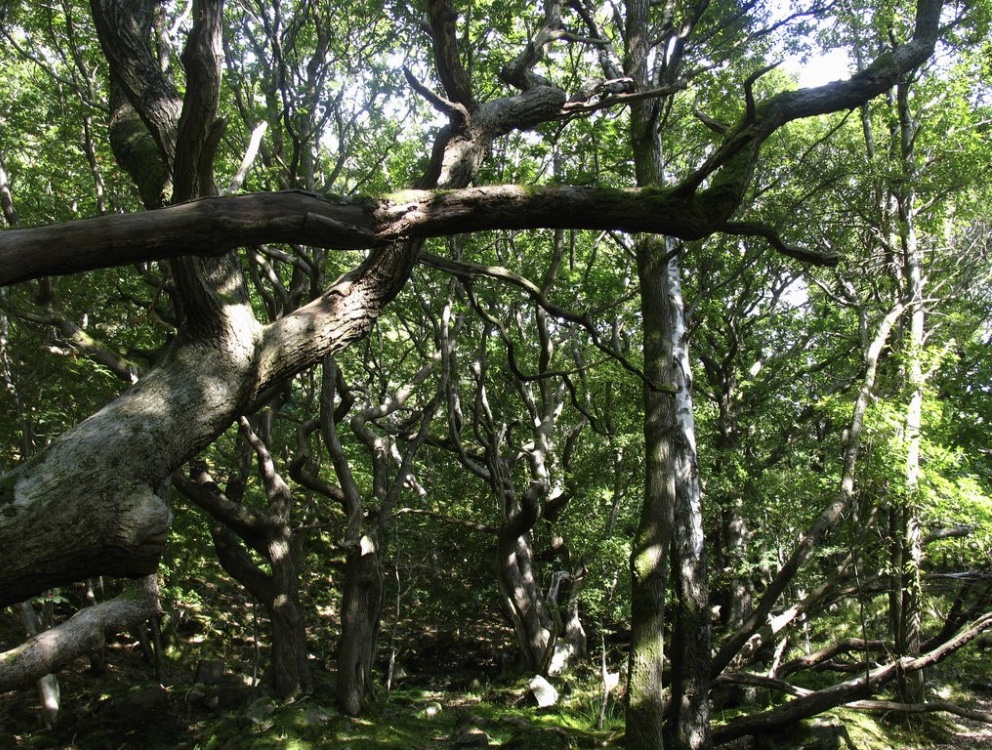
Inspired by the article I recently published about ‘Bothvar’s farm’ here we have a look at some of the names which have originated from the forests and woodlands which these colonists encountered when they first landed on these shores.
Wudu
Although some words change beyond recognition over the eons, others retain much of their original structure, ‘Wudu’ is such a word. This is ancient English in origin and simply means ‘wood’. It is reflected in place names such as Simonswood, which means Sigemund’s Wood, in 1190 this placename was recorded in the Domesday book as Simonddeswode.
Ceto
Another ancient term for woodland was ‘ceto’ as in Cheetham (‘house in a wood’, ‘ham’ meaning house), Cheetwood and Culcheth (narrow wood),
Skogr and Lundr
The Norse left their linguistic imprint too, an old Norse word for woodland was ‘skogr’, as in Burscough and Myerscough. The village of Lunt, near Crosby, derives it’s name from the Norse word ‘lundr’, meaning ‘grove’.
Sceaga
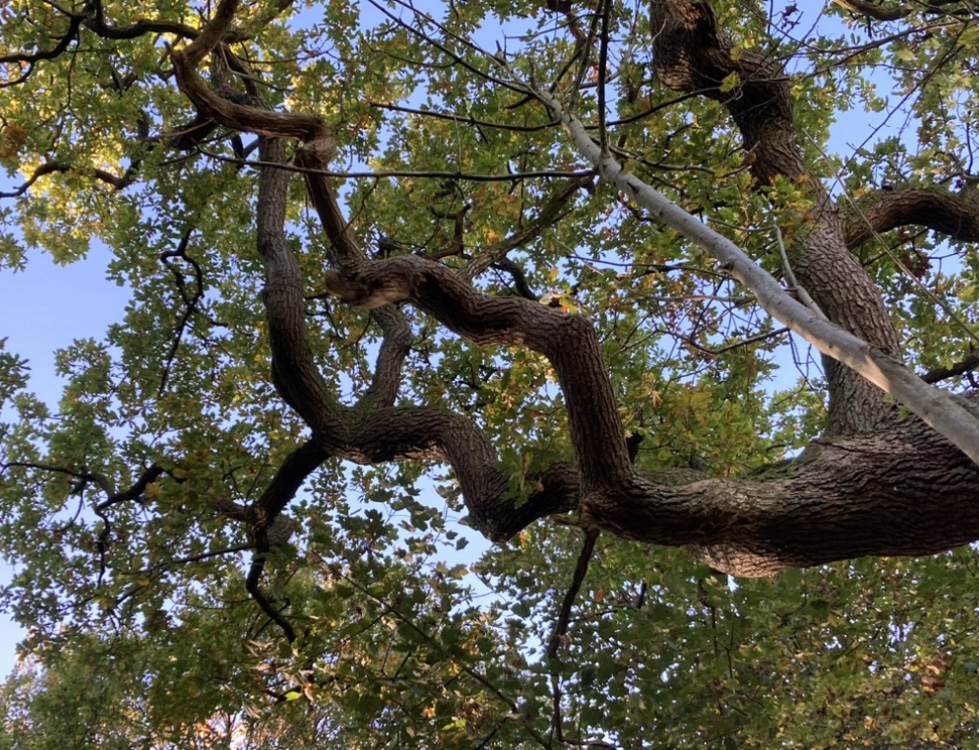
‘Sceaga’ was used by the ancient English to describe, variously, ‘a small wood, copse or strip of undergrowth’, and survives as ‘Shaw’, such as in Shawbridge, Crawshaw and Bradshaw.
Bearu and Graefe
‘Baeru’ has a different meaning to the similar sounding ‘beorg’ or ‘hill’, being used to denote a grove instead, as in the place names of Bare, or Barrow. ‘Graefe’ is the Old English root for the word grove, as in the place name of Ramsgreave, which literally means ‘Grove of the rams’.
There is a surprisingly large number of placenames which relate to sheep in the British isles, reflecting how important the sheep was to our ancestors (you can read more about this in my series of articles about the history of sheep in the British isles)

Hyrst
This was used for a small wooded hill, copse or other prominent group of trees, as in Ashhurst, for one composed of Ash trees, Dewhurst for one in a damp area, Collyhurst for one used to provide charcoal, Nuthurst and of course Hazlehurst are self explanatory, here in the Ribble valley we have a village called Hurstgreen, which is a combination of words from two different origins.
Leah
Leah is also Old English, although it may have roots in Ingvaeonic, or Germanic languages, as many other Old English words might. It refers to a woodland clearing, natural or man-made, the village of Mawdesley, near Ormskirk (which incidentally means ‘Orm’s church’) was named after Mawde, so ‘woodland clearing belonging to Mawde’. Ley is almost always found at the end of a placename, such as Thornley, Cleveley, Barley or Burnley.
Pveit
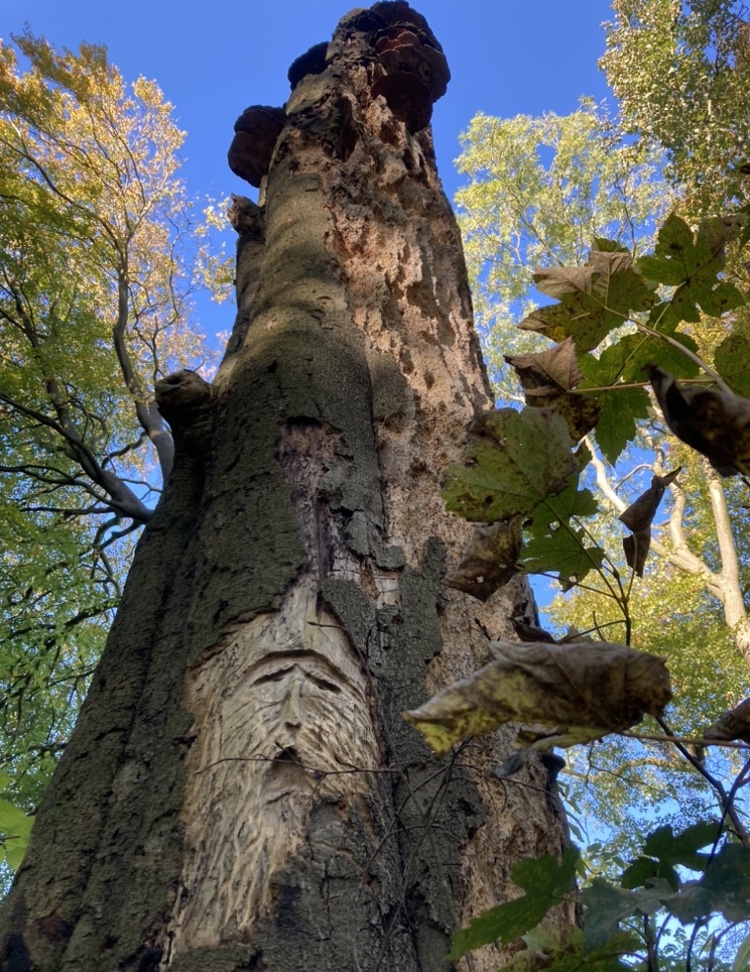
A Norse word for clearing was ‘Pveit’, which also suggested a meadow or paddock, over the centuries this has evolved into ‘Thwaite’, a village by this name can be found in Swaledale in the Yorkshire dales, an area with many conspicuously Norse names, here in Lancashire can be found Hawthornthwaite.
Carr
There are many more specific placenames which refer to woodland of a particular species, one is ‘Carr’, which is used for groves of Alder, a tree species which grows on damp and flooded land. In the Yorkshire Historical dictionary an entry from 1642 records that In a moist yeare hardlande-grasse prooveth better then Carres or Ing-growndes.
A B-H
 Northwest Nature and History