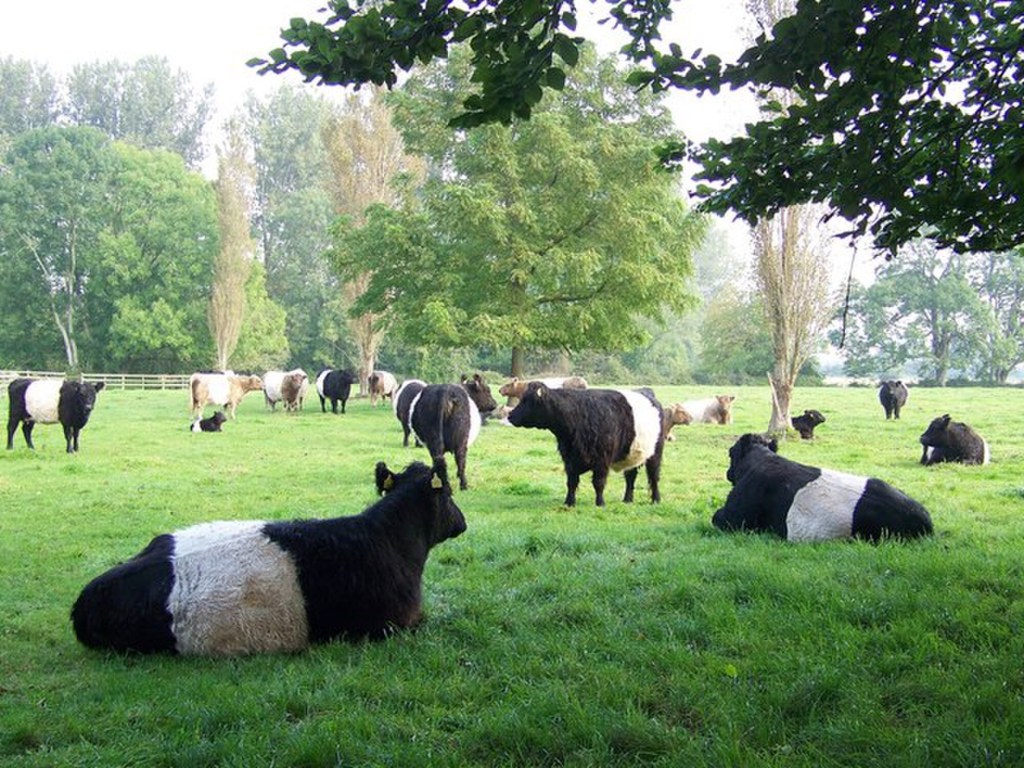
A year round job
Farming is an all year round job, and whilst some of us might be leafing through holiday brochures, kitting out the camper van for an escape to the coast, or simply putting our feet up in the garden, farmers will be as busy as always in the summer months.
Here are some of the plethora of jobs that might need to be done on a livestock farm for example:
Fields and Pastures
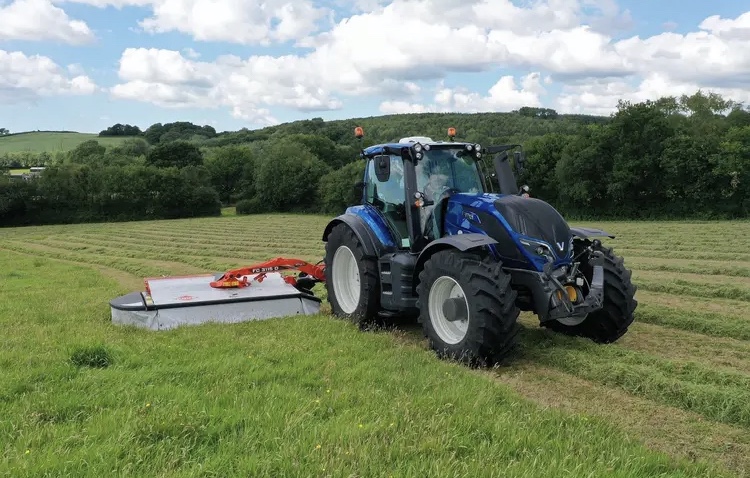
Long dry periods of weather can lead to very leggy, stemmy grass, this grass can be nutritionally poor, will stop light getting to the lower layers, reducing growth, and if there is heavy rain or wind it can be flattened too, so one job is to ‘top’ it.
Topping simply means to cut the top of the grass, giving it a chance to regrow, topper blades on the mower will be set at about 5cm and the best practice is to drive in a low gear at high revs to achieve a clean cut, topping will also help control thistles, nettles and rushes and reduces the risk of mastitis, a disease of the udders, in dairy cows.
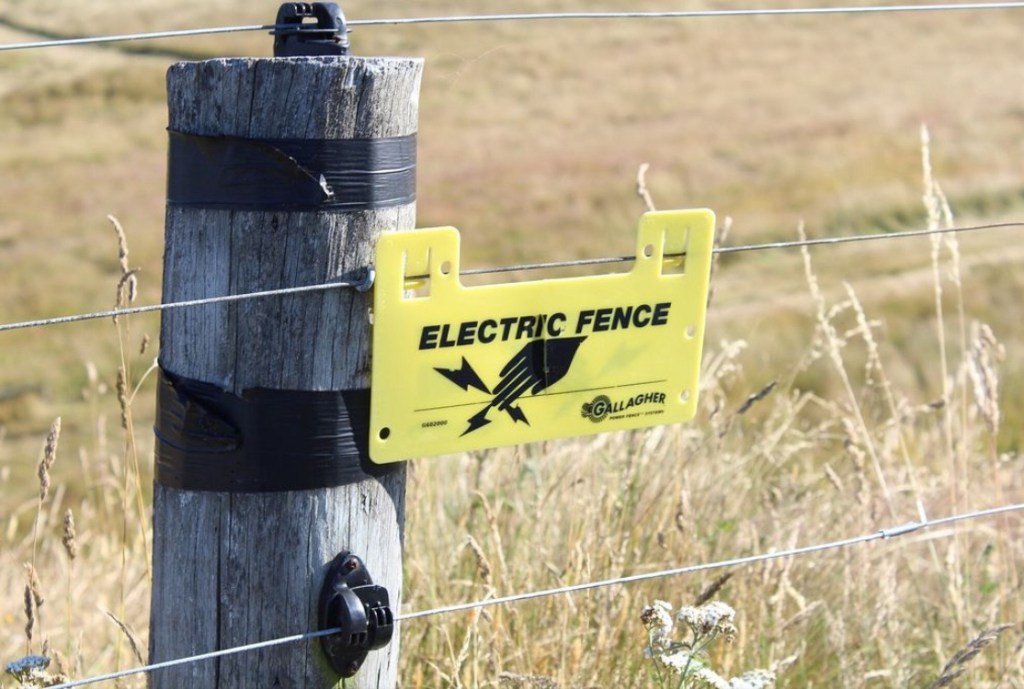
If the ground conditions and grazing turn out to be good, the farmer will tightly graze his fields and paddocks to ensure that good quality grass regrows for later in the season, the ideal grass height is just above ankle height, about 10cms, before grazing, and the aim is to graze to about 5cm in height. If there are fields with surplus grass these might be sectioned off using temporary electric fencing, and these areas mown for baled silage.
Silage and reseeding
Of course livestock need feeding over the winter and one of the main jobs for a livestock farmer is getting enough silage in to see them through till the grass starts growing again, if the first cut of silage was light, the farm may need to draw up a feed budget, this is a simple calculation, based on the number of animals, their weight, predicted feed intakes and grazing areas.
If the present budget covers it is a good investment for the farmer to consider reseeding grazing fields, as reseeded ground will yield more grass, approximately one tonne extra per hectare (a hectare is 100 metres to a side so 10,000 square metres), this will make about £130 to £140 a hectare. Old, unproductive fields should be reseeded as early as possible after grazing and these fields will be completely grazed out before reseeding.
Feeding up and selling on stock
With Beef cattle the idea is to rotate the animals regularly around the fields to ensure that they achieve what is called a ‘liveweight gain’ of about 1kg an animal head per day, liveweight gain is basically growth. Cattle which are fit for slaughter need to be sold now and should be fit, but not fat.
Some farmers specialise in ‘finishing’ cattle, which means fattening them up for slaughter, they will have ‘factory agents’ which they will contact about now to check prices, demand, age limits, weight restrictions and ‘fat scores’, which are an estimate of the total tissue depth, this being fat and muscle.
Beef cattle that are nearly fit to slaughter, being less than 40kg short of slaughter weight, and approaching 30 months of age, should be fed about 5kg of high-energy, low-protein feed per animal per day for 6 to 8 weeks before slaughter, so a farmer who specialises in finishing beef cattle has to make sure they have enough of this ordered in, especially if the grazing hasn’t been too good.

Preventing illness and diseases
Summer is the season for all of the life on the farm to flourish and thrive; livestock, crops, grass, wildlife, but it can also be a time of growth for diseases and pests, especially if it’s a damp, humid summer, which is happening more frequently now, so livestock farmers have to keep on top of control and prevention.
One worry for dairy farmers is a condition called summer mastitis, this is a disease of non-lactating cows and heifers which is prevalent during the summer months, it can also occasionally occur in the rudimentary udders of young bulls.
Symptoms include swollen udders, stiffness of the legs, lack of appetite and a general loss of condition and weight, and eventually it can lead to death, if untreated, so prevention of this disease before it develops is very important.
It is caused by several strains of bacteria, including Arcanobacterium pyogenes, Peptostreptococcus indolicus and Streptococcus dysgalactiae and is transmitted by a species of fly called the Head fly Hydrotea irritans, these flies live in bushes and trees, and can only fly during mild, damp humid conditions and low wind speeds, so cases tend to be associated with “problem fields”, which are usually next to woods and high hedges.
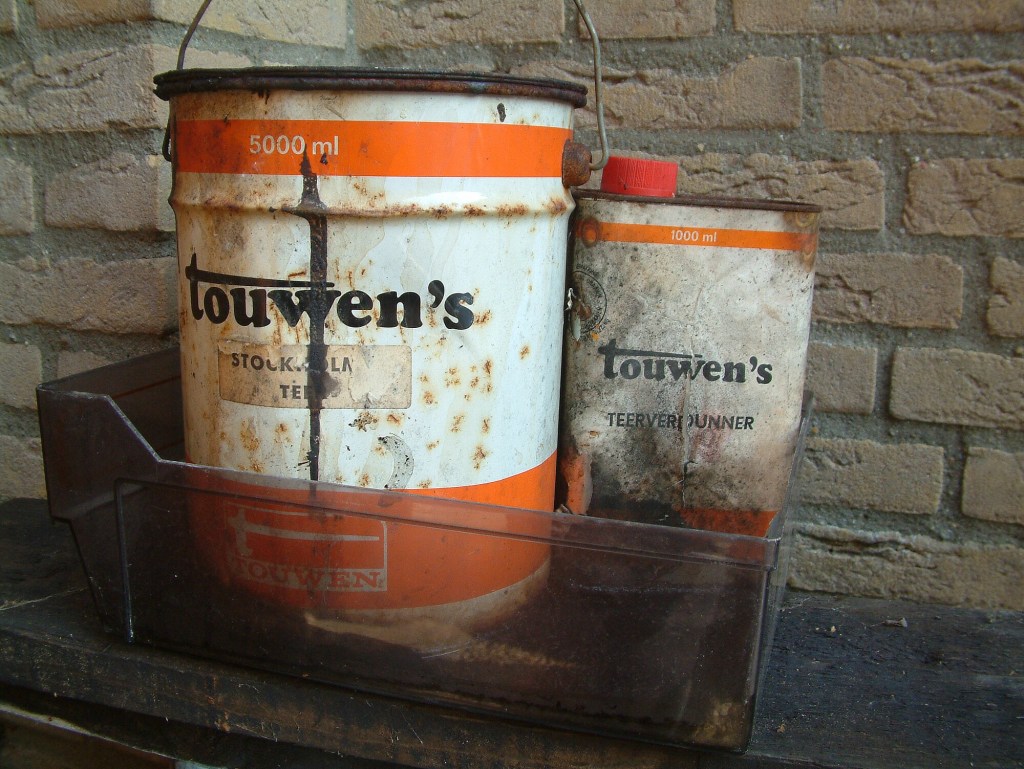
There are several ways to prevent summer mastitis, one is by using a product called dry cow tubes which are special application tubes containing an antibiotic, Stockholm tar, which is a tar made from pine trees that has antiseptic qualities and repels flys, there are other fly repellents on the market too.
The livestock farmer will check his cows regularly about now, stirring them up in order to spot any potential problems. To avoid mastitis they should be kept in well-topped fields, and not fields that are wet or have farmyard manure heaps, or have a lot of tree cover, where fly populations are high, so there might be a certain degree of moving cattle around until suitable fields are found, which is another time consuming job.
Calves and creep feeding
If a farmer is fattening up calves to sell, or for improving the farm’s herd, then there will be those to look after as well, most farmers practice a system called ‘creep feeding’.
Creep feeding is a method of providing supplemental feed to nursing calves, and is usually done with the use of a ‘creep gate’, which is a gate just large enough for calves to enter the feeding area, but too small to let adults in. A lactating beef cow can only supply about 50 percent of the nutrients that a three to four month old calf needs to grow to its full potential, and grazing alone won’t be able to supply the other 50 percent of nutrients the calf needs unless the grass is growing really well. Nutrient deficiency is more of a problem if calves are grazing late summer or drought stricken pastures, or during the winter when no grazing is available.
Calves born in spring will need to be treated for stomach worms and lungworms from around July, and the farmer needs to pay close attention to his calves too for the first sign of any illness, especially listening out for coughing in the calves when they are suddenly moved, if there is no coughing there’s no need to dose for anything.
If there is then a vet might be called, it might just be a mild infection, which can be treated with a prescription drug like Zactran or similar, but measures such as taking a dung sample from calves, for sending off to be checked out for worms, might be taken to determine if dosing is needed, an experienced farmer will have been through all this before and will know what the cause and treatment is.

A Sisyphean cycle
As with all careers and industries the more experienced and knowledgable a farmer is, the more likely problems and possible improvements to the operation are going to be spotted, so it ends up becoming a never ending cycle of catching up and making time for the next projects.
The jobs listed here are just a very small fraction of what a livestock farmer has to think about in the summer months, never mind the rest of the year, and the jobs that farmers in other fields of the profession, such as sheep or arable crops, have on their lists are completely different. As for the increasing number of farms which are having to diversify and learn how to keep different species of animals and crops, or even having to run farm shops, B&Bs and other enterprises as well as the main operation, well, good luck to them!
A B-H
 Northwest Nature and History
One thought on “Livestock Farming in Summer; a look at a few of the many jobs a livestock farmer has to do in the summer months”