The clean air of the Northwestern fells, kept constantly damp by the prevailing westerly winds, makes them a perfect environment for many species of Lichens, and as these interesting and ecologically important organisms are often overlooked in most natural history guides, with the focus on more obvious and spectacular flora and fauna, I try to discuss them here as much as possible.
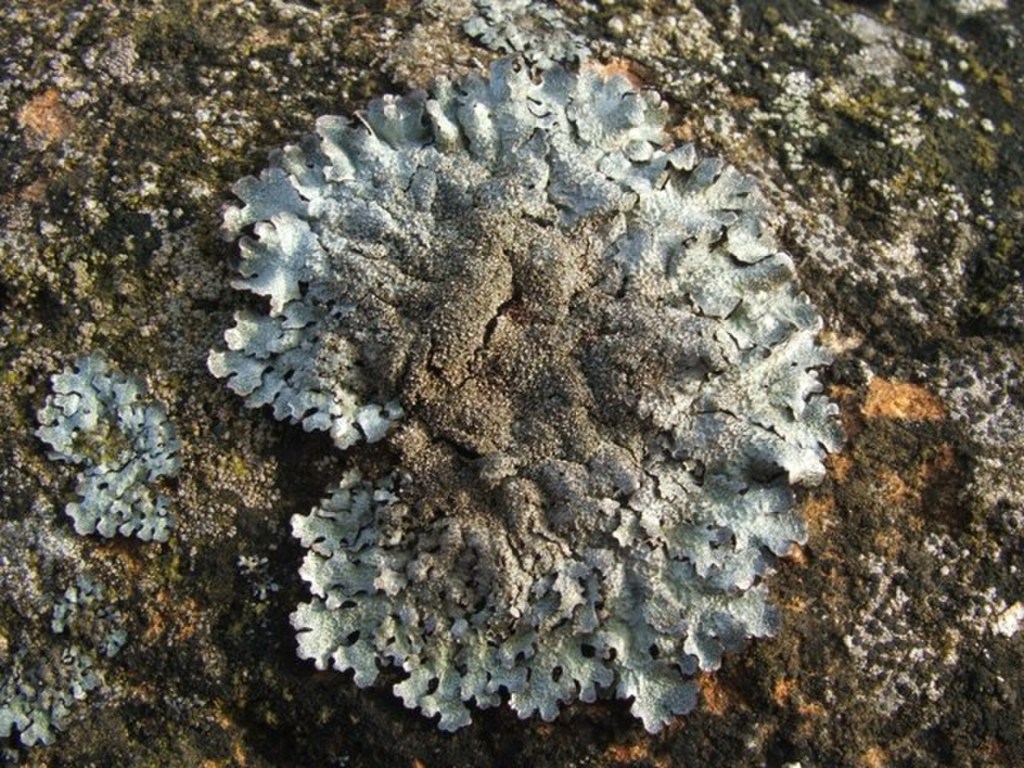
One of the most prevalent species to be found growing here is Parmelia saxatilis, known as Grey Crotal or Crottle. This is a common foliose, (meaning ‘leaflike’), Lichen which grows on rocks on the moors, the second half of its scientific name, saxatilis, means ‘living among rocks’.
It is one of several lichens traditionally used for dying wool, I’ll cover this in another article though as it’s such as fascinating subject it really deserves its own dedicated space.
Symbiotic Survivors
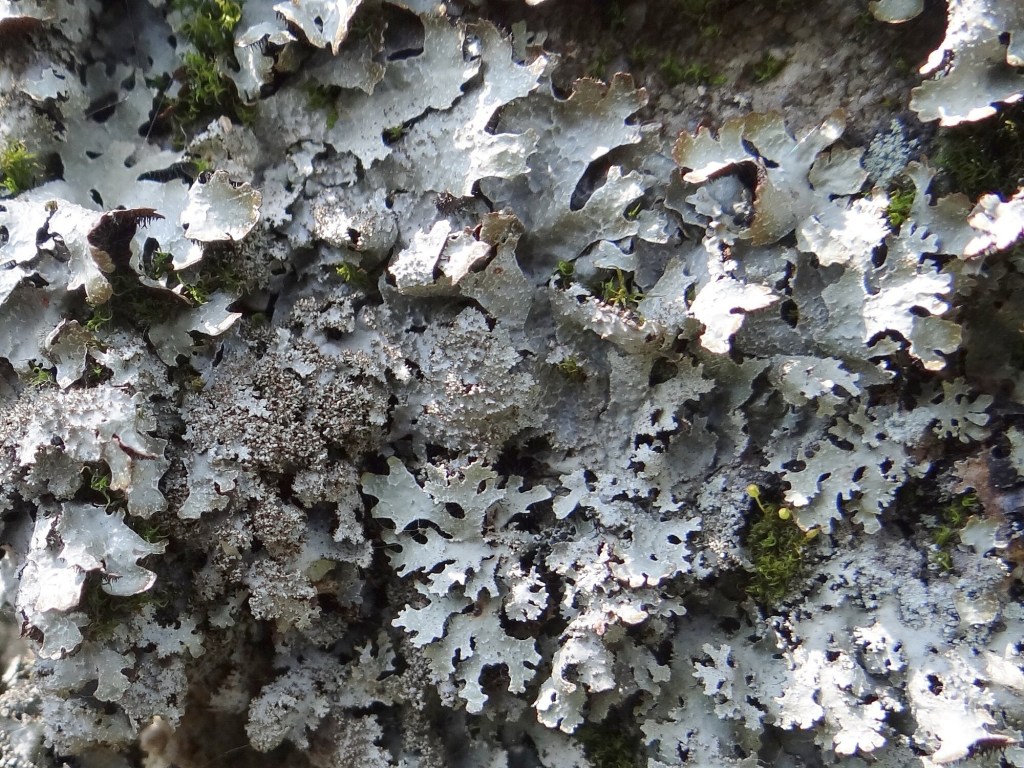
Lichens are composite organisms, the result of a symbiotic partnership between fungi and algae, possessing different properties from either, they also have no roots, but they do photosynthesize like other plants. They can survive, even thrive, in some of the most extreme environments on Earth; arctic tundra, deserts and salty coastlines, but despite being tolerant of wildly different environments, many are also vulnerable to environmental disturbance. This makes them useful to scientists for assessing the effects of air pollution.
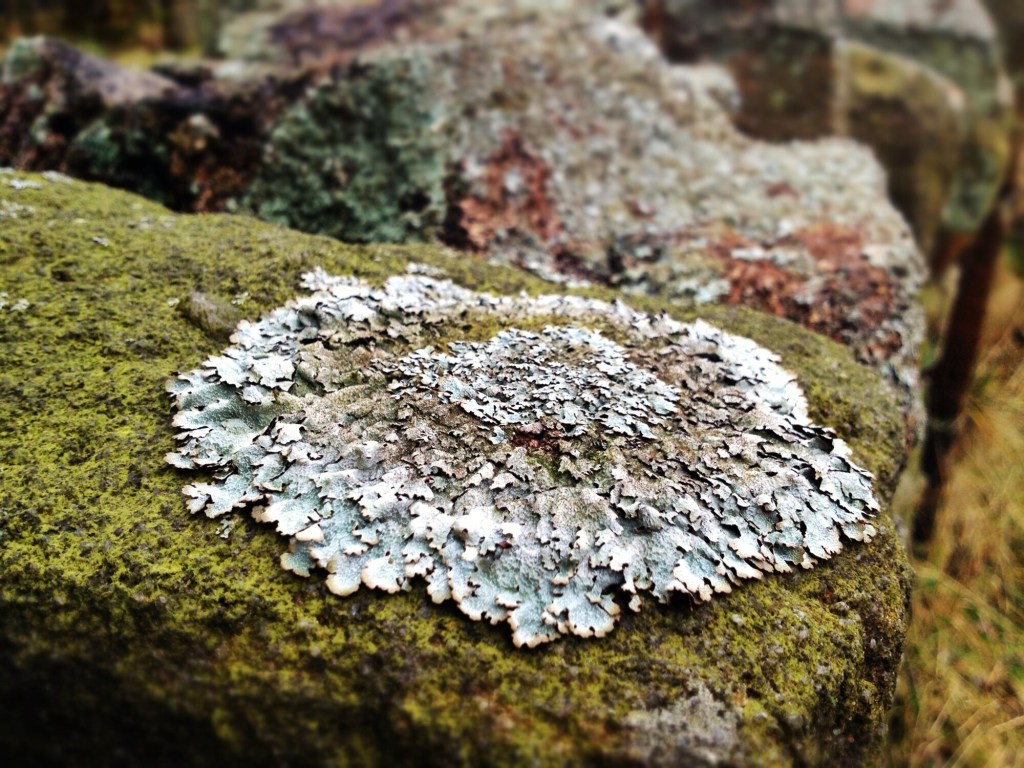
This lichen can be found on exposed stones such as on drystone walls, old barns, boulders and rock faces but is also common on the bark of trees. It forms circular plaques, up to 50cm across in the oldest specimens, with the older center becoming cracked with age. Lichenologists can roughly estimate how old a Lichen is by measuring the width of the rings much like a dendrologist can count tree rings, and tell which year was a good year by finding the widest rings.
Vulnerable
Research into Palmeria saxatilis, which is placed at 4 on the Hawksworth and Rose Zone scale, which measures a lichen’s tolerance to pollution on a scale of 0 (‘most polluted’) to 10 (‘pure’), has shown that this lichen is harmed by SO2, (Sulphur Dioxide) and NOx (Nitrous Oxide) air pollution, with the creation of Sulphuric and Nitric acid caused by solution of these acids in rainwater preventing the reproduction of the lichen.
SO2 is largely the result of burning poor quality coal and this is less of a problem now compared to what it must of been like in the industrial revolution. Although in some remote villages, like Slaidburn in the Forest of Bowland for example, houses and cottages are still heated by coal fires and believe it or not can be very smoggy on still days where smoke gathers in the valley bottoms, so locally lichens can be missing in these areas.
NOx, however, is the result of combustion of petrol and the heavily built-up Northwest, with its many towns and cities and busy traffic routes such as the M6 motorway provides several major sources of traffic pollution. As the prevailing wind is westerly the M6 is one of the main points of origin for this kind of pollution on the fells. Palmeria saxalitis is tolerant of acid conditions though so will hang on when other species have been killed off, although it does face another threat at some sites, though from an unexpected source; rock climbers.
An unexpected threat
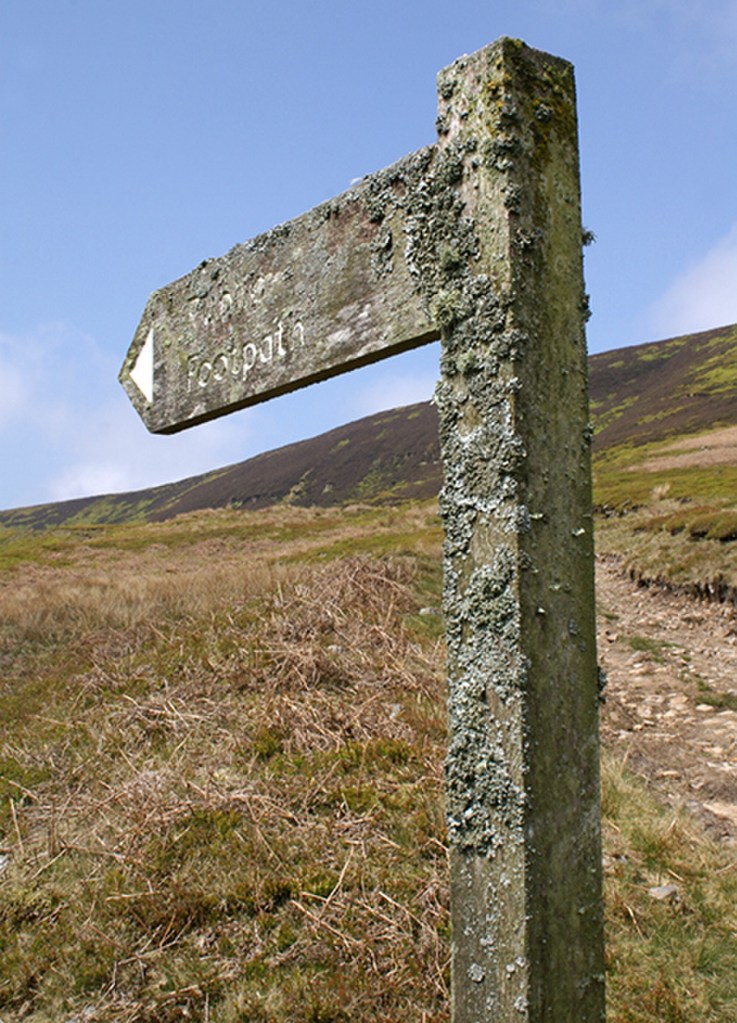
The sport of bouldering, basically climbing boulders and smaller rock faces, has become more popular recently as more people have recognised what the pastime has to offer. Remote locations such the boulders on Wolfhole Crag in the Forest of Bowland, previously rarely visited, have become busier and climbing routes up them have been mapped out.
This unfortunately means that some climbers have decided to take things into their own hands and remove lichen , such as saxalitis from the rocks themselves to improve the grip on foot and hand holds, using wire brushes and weed killers such as roundup. Of course this is illegal and extremely damaging to such a slow growing organism, but very hard to discover.
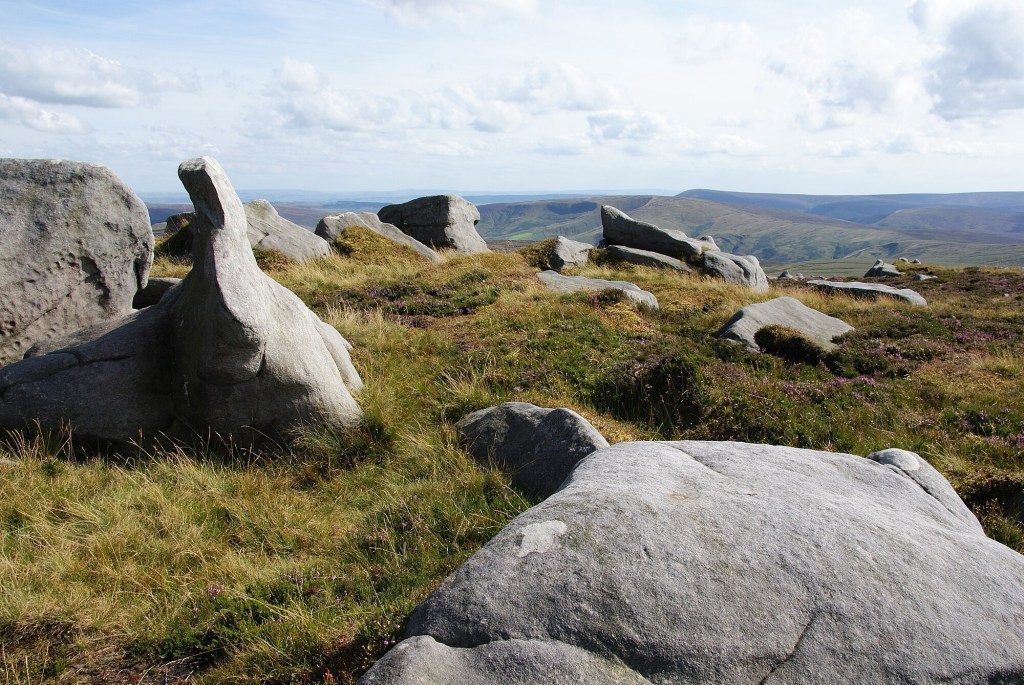
There are many other species of Lichens growing in the Northwest and some of them are very rare and hard to find, there also some areas of Lichen Heath on the highest, most exposed, peaks of the fells, I’ll try and cover them in future articles as I think it high time that these humble, yet important organisms should get the attention they deserve, after all without lichens we wouldn’t have soil for everything else to grow in!
A B-H
 Northwest Nature and History
Nice post ✍️
LikeLike