
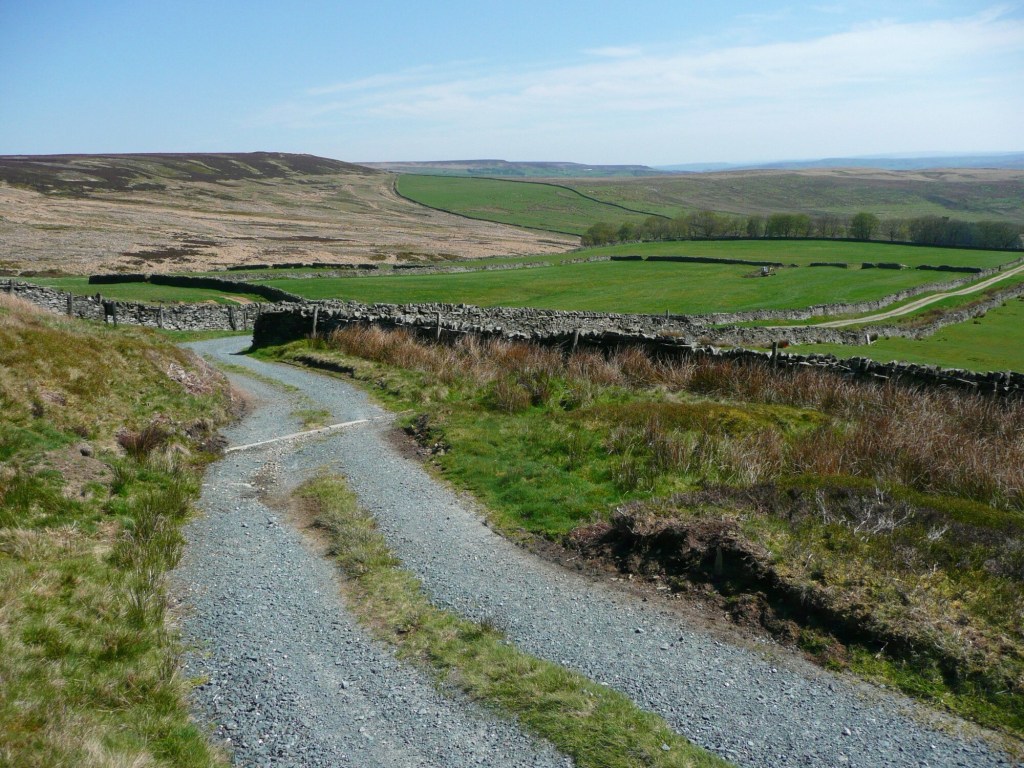
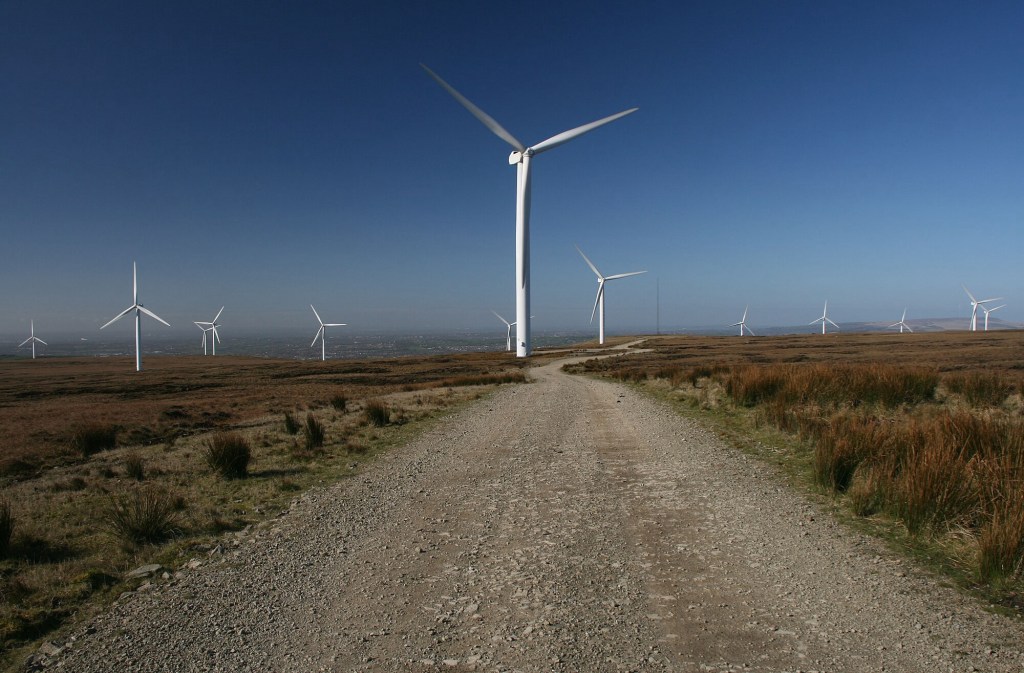
Walshaw Moor is an area of great ecological and cultural value situated in West Yorkshire, it can be found on the map within a triangle formed by the towns of Burnley, Keighley and Todmorden and could soon be the site of the largest onshore wind farm in England with 65 turbines towering over 200m (492-657ft).
The damage that the proposed 2,352 hectare (a hectare is a unit of measurement equivalent to 10,000 square meters) wind farm would inflict on the areas ecology, natural beauty and cultural sites could vastly outweigh the benefits it might have, chiefly helping the UK reach its net-zero targets, and this is of great concern to many.
Concerns often quoted by opponents of the wind farm are numerous and include damage and disturbance to the moors and the wildlife that live upon them, release of CO2 from construction of the turbines and deterioration of the peat, and the visual impact upon residents, visitors and tourists, amongst others. It has also been noted that much of this damage would be permanent, whereas the projected life-span of a wind turbine is only 20 to 30 years.
Yet one impact that is little discussed is that of the potential effects, short and long-term, upon the mental health of the area’s residents.
(Humphrey Bolton)
Emily’s Inspiration
Walshaw moor and the surrounding area inspired Emily Brontë when she penned her one and only novel, Wuthering heights, long considered a classic of English literature and once deemed controversial for its depictions of mental illness, published as it was in a time when it was viewed as almost taboo to broach such topics.
The main protagonist, Catherine, is thought by students of the novel to show symptoms of Complex Post-traumatic Stress Disorder, possibly originating from childhood abuse. Catherine finds her only respite to be the boundless freedom of the moors, where she can escape the pressure and confines of her life.
Many people in real life find that walking regularly helps ease symptoms of chronic mental health conditions like anxiety, depression and PTSD, and it has long been known that walking releases endorphins, chemicals in our brain that stimulate relaxation and improve our mood, and reduces levels of stress hormones such as Adrenaline and Cortisol.
With PTSD in particular research shows that physical activities can help reduce the severity of symptoms, especially in the outdoors where there are less visual and aural triggers to cause hyperarousal, which is when sensitivity to physiological arousal cues is increased, one of the major symptoms of conditions such as PTSD.
Mental health statistics
Mental health statistics for the area are stark and concerning, they show that the prevalence of common mental health disorders is higher compared to rates across the rest of England, it doesn’t help matters that this is a part of the country that can be dark and overcast for a large part of the year, especially in some of the deeper Pennine valleys, which is not good for anyone’s mental health.
Calderdales mental health statistics show that the prevalence of depression in Calderdale is 10.7% and across the wider West Yorkshire area 15.1% of patients suffer from depression and anxiety compared with an England average of 13.7%.
Of course there is a financial cost as well, dedicated mental health services and support in England costs an estimated £117.9 billion, equating to 5% of the UK’s GDP, each year (source).

In conclusion
The value of open countryside like Walshaw moor is inestimable and as such all aspects of large-scale industrial schemes like the proposed wind-farm, including effects upon mental health, must be taken into consideration during proposal and planning stages, especially when the site is so culturally important. They must not be discounted, or ignored, just for the sake of short-term gains.
As Charlotte wrote in the preface for her sisters one and only novel;
‘With regard to the rusticity of Wuthering Heights, I admit the charge, for I feel the quality. It is rustic all through. It is moorish, and wild, and knotty as a root of heath. Nor was it natural that it should be otherwise; the author being herself a native and nursling of the moors’…
‘…her native hills were far more to her than a spectacle; they were what she lived in, and by, as much as the wild birds, their tenants, or as the heather, their produce. Her descriptions, then, of natural scenery, are what they should be, and all they should be.’
A B-H
 Northwest Nature and History
I used to know Scout Moor, Whittle Hill and the area around Waugh’s Well, before the turbines. It was a place of great drama and beauty. I was staggered by the transformation wrought there, and torn by the paradox. Green energy, but at a terrible cost to the landscape.
LikeLiked by 1 person
I’ve walked across those hills quite a few times myself and find it hard to imagine how they looked before, I’ve never quite seen these enormous machines as ‘green’ and certainly not when they are placed in such fragile places
LikeLiked by 1 person
You are so right to point out the mental health benefits of getting out onto the moors. There are some significantly deprived areas within reach of Walshaw and people find great solace in that wild landscape. Thank you for another great piece.
LikeLiked by 1 person
Thank you, I’ve just found that it’s something that’s not really addressed enough
LikeLike
I agree about the need for open spaces but development plans for that area are worrying. There is a good read and summary here – https://wordpress.com/read/blogs/40748287/posts/4642
LikeLiked by 2 people
Thanks for sharing that, it is worrying, since writing it I’ve seen this letter to the Times Literary Supplement https://www.the-tls.co.uk/articles/windmills-around-haworth/
LikeLiked by 1 person