
A group of Goldfinch are called a ‘Charm’ and they are indeed one of the most charming songbirds you might spot in the countryside.
The scientific name of the species: Carduelis carduelis, comes from carduus, which means ‘thistle’ or ‘Teasel’, as the bird is very fond of the seeds of this plant, in fact the weaving term ‘carding’, which is the process of preparing wool for spinning, comes from this word as the seed heads of these plants were used to ‘card’ wool before machines were invented to do the job.

(Pierre Dalous)
Diet
They are often seen on Thistles and Teasels in the wild, using their long, finely pointed beaks to expertly extract otherwise inaccessible seeds from the heads.
As well as extracting Thistle seeds they are also adept at picking out Alder and Birch seeds and are increasingly seen in gardens where they will visit bird feeders and pick at garden flowers such as sunflowers, having a particular fondness for Dandelion seeds, which is a good reason for letting some of these weeds stay.

Appearance and song
In fact they will eat garden pests too so it is worth encouraging them, if not just for their striking and highly coloured appearance, as with a bright red face and yellow wing patches they are one of our most colourful birds. They are also a very sociable bird and have a delightfully liquid twittering song with which they constantly communicate, a kind of quiet string of twittering which is similar to that of a Swallow.
In many countries they are kept domesticated in cages for their appearance and song but thankfully not in the British isles where we are grateful enough to have them grace our bird tables.

Nesting
Goldfinch eggs are tiny and speckled blue, only weighing about 1.5g, they usually produce about 5 eggs in each brood and can raise up to three broods in a good year. Incubation takes about two weeks and in two and half weeks the chicks will have fledged. They build a cup-shaped nest that is built by the female alone using moss, grass and lichen, and usually lined with soft materials like wool and Thistle down.
The nest is usually constructed in a tree towards the end of a branch or in a bush, and often in large gardens and orchards, but more usually in open woodland and hedgerows, the eggs are incubated by the females only however the chicks are fed by both parents, they are always quiet around the nest to avoid drawing attention although when building the nest they are obvious with their constant to-ing and fro-ing.

Jacques Perrin de Brichambaut
If you want to encourage them, and they are worth it as they really brighten up the garden, then simply placing their favourite foods out in the bird feeders will help, as will leaving some Dandelions to go to seed for them, also leaving a hedge or bush uncut so it becomes dense enough for them to hide a nest in will make them feel more at home in your garden.
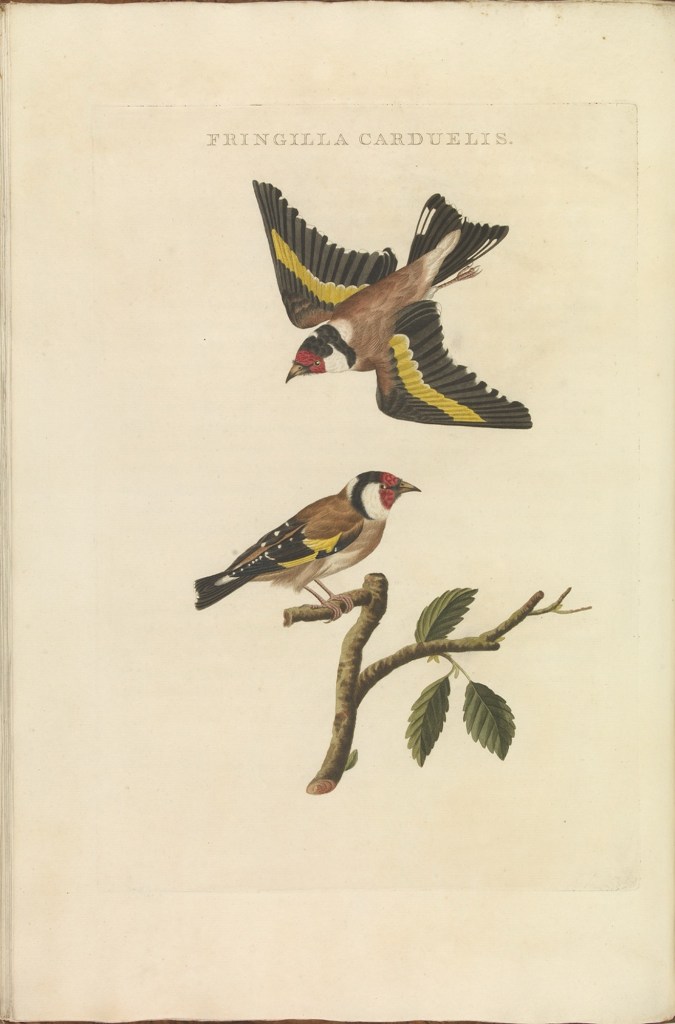
Plate 168 from the Nederlandsche vogelen
Excerpt from ‘I stood tip-toe upon a little hill’ by John Keats (1817)
Sometimes goldfinches one by one will drop
From low hung branches, little space they stop
but sip, and twitter, and their feathers sleek, then off at once, as in a wanton freak,
or perhaps, to show their black, and golden wings
pausing upon their yellow flutterings
A B-H
(Oct 2024)
 Northwest Nature and History
They are gorgeous birds. Thank you for this very interesting post.
LikeLike
Thanks, i love seeing them in the garden, we’ve had them nesting several times too but you’d hardly know they were there
LikeLiked by 1 person