(Part of the Unnatural Histories series)
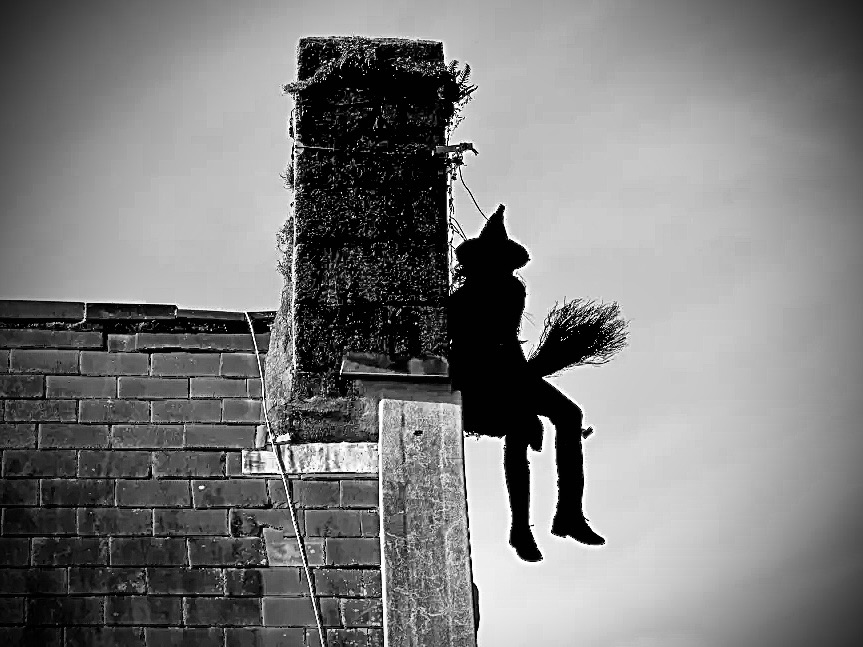
In the Old Days, when the world was infinitely vaster and more terrifying, and eldritch beings were thought to fly about their business on the blackest of nights, many precautions were taken to ensure that home and family were protected from such unknown evils.
Hearts were crossed, rosary beads were fingered and prayers were uttered, and these observances were widespread but each community had their own more particular and unique means of warding off the influence, in Lancashire for example one was to inter a cat in the wall of a building to prevent curses.
Such countermeasures are called Apotropaic Magic (from the Greek word apotrépō, meaning to ‘ward off’) and often involved some rather strange logic and methodology, at least to our modern senses, and one such measure was the placing of the titular Witches’ Seat.
by Keith Robinson
A Place for a Witch to Rest a While
On the walls and chimney-stacks of some older residences, in particular on the Channel Islands, Scotland and here in Northern England, you may happen to notice a solitary block or slab of stone protruding much farther than the rest, it is apparent they were placed in such a way for a reason.
They are known as witches’ seats.
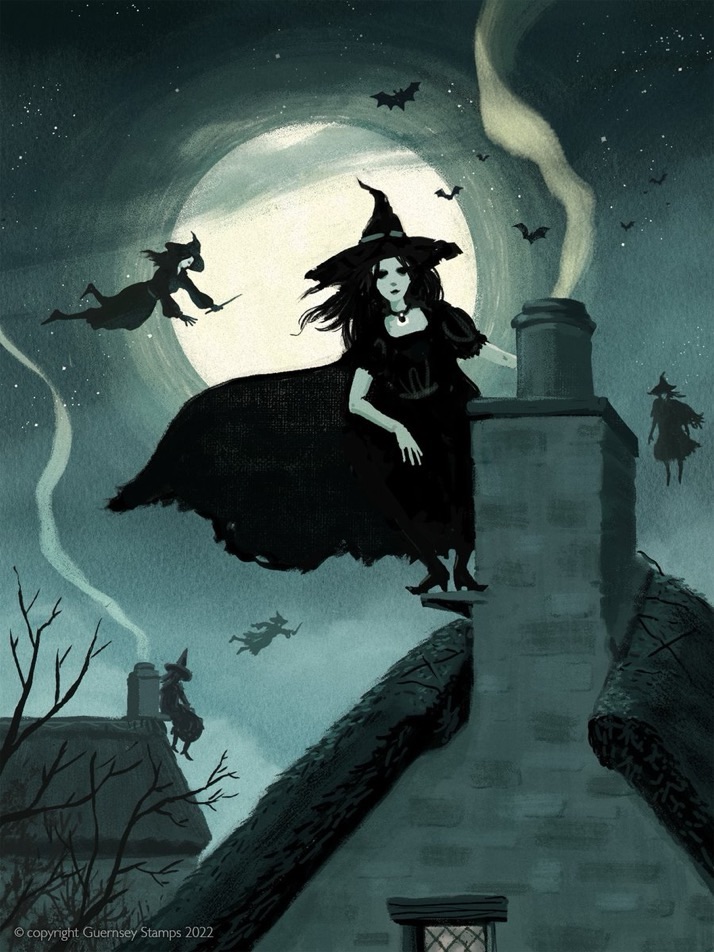
Witches, in their constant to’ing and fro’ing about their business placing hexes, casting evil eyes, cursing cattle etc, tend to get very tired, it’s hard work and those broomsticks aren’t the most comfortable modes of transport, so, like any of us they need to take a little break every now and then.
Now you don’t really want a witch getting in the habit of using your cottage or farmhouse as some sort of Inn, it’s common knowledge that most of them have Malign Intentions and what happens if they get warm and comfy and decide not to leave?
So it makes sense to provide somewhere for them to sit outside and away from everyone, hence the placing of a witches’ seat.
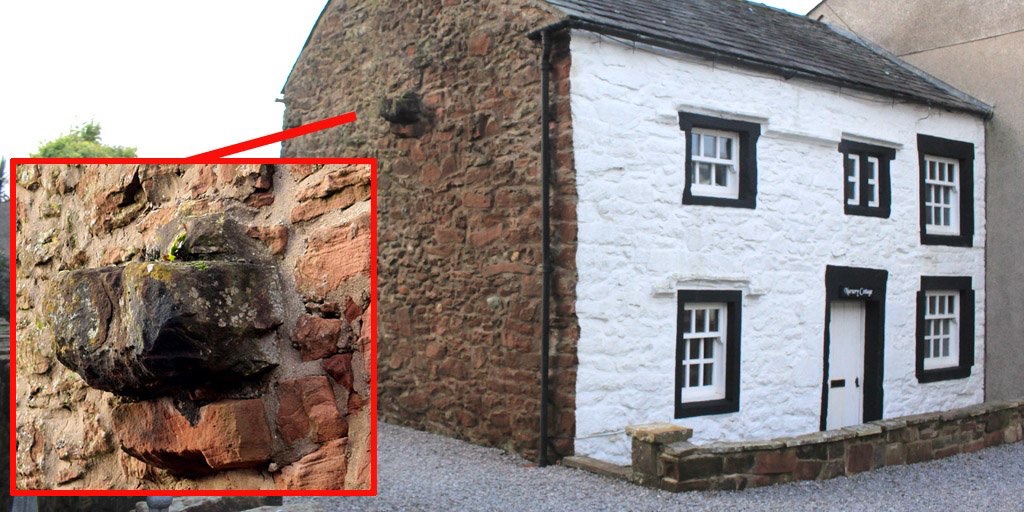
(Image by Alan Cleaver)
A more Practical Purpose
Nowadays, with our modern sensibilities and need to find logical explanations for everything we have found a more pragmatic purpose for these odd stone ‘seats’, at least the ones on chimney stacks; they existed to protect thatched roofs.
The theory is that rain-water trickling down the side of a chimney would cause accumulative damage to thatched roofs at a point where they are particularly prone to water ingress, so a stone slab would be positioned to divert this water and provide a kind of roof for the roof.
As tiles and slates gradually came into use around the 18th century, replacing the much thicker thatch, the seats became defunct, but being part of the structural fabric of the building were left in place, albeit much further up the chimney from the roofline than they would originally have been.
Much later, so one theory goes, the original purpose of the seats was forgotten and a new one was concocted to explain their mysterious presence but, like much in history, there is uncertainty about which came first, the belief in the need to provide a resting place for witches, for which the stone protrusions were then appropriated, or if the architectural design led to the creation of the tale.
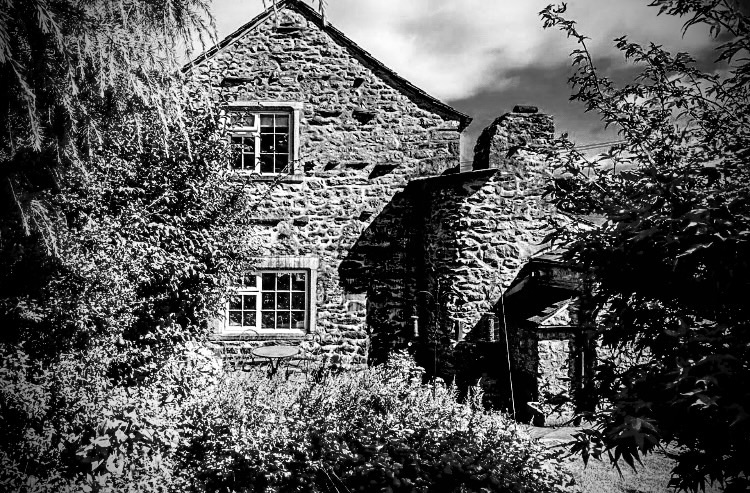
You can see witches’ seats on the chimney of a cottage in the tiny Yorkshire village of Feizor and nearby the peculiarly shaped chimney in Austwick can be easily seen from the main road, a few houses in the nearby town of Settle also sport these odd stone flags and further afield a couple of cottages in the Dales village of Wharfe are well protected.
You might notice them on other buildings as you travel around the country, usually on high and prominent buildings, perhaps because these suffer the worst of the weather, or maybe because a witch likes a lofty lookout post to sit and observe what goes on below in her domain?
Maybe you’ve got one on your chimney, maybe there’s a Witch day there right now whilst you read this, listening and watching?
A B-H
(Oct 2024)
 Northwest Nature and History
I like that little story 😁.
LikeLiked by 1 person
Thanks, glad you liked it 🙂
LikeLike