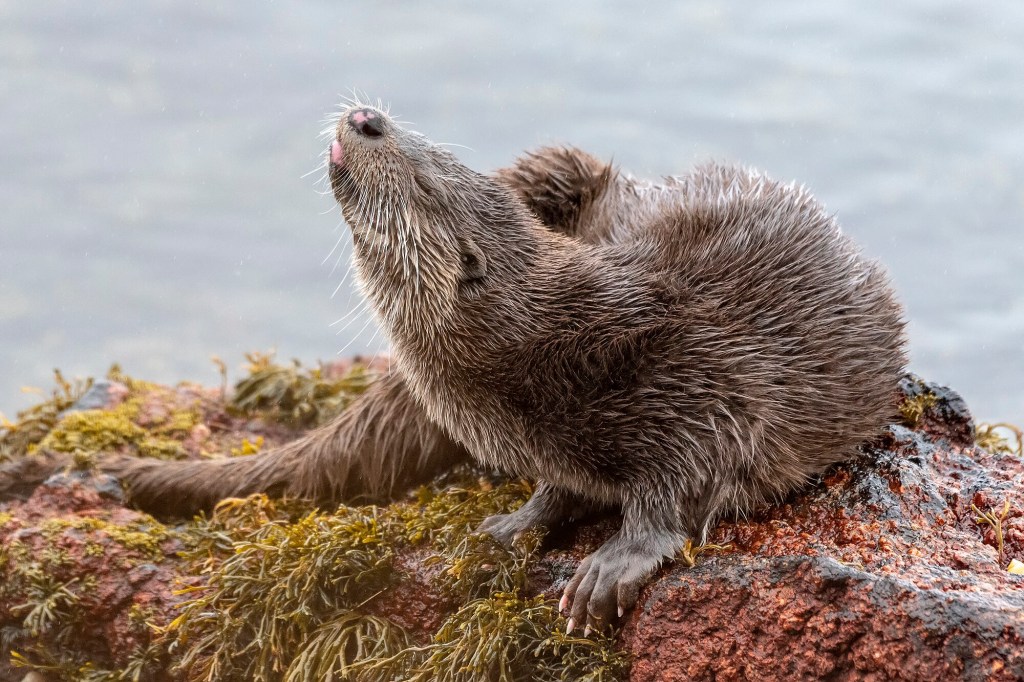
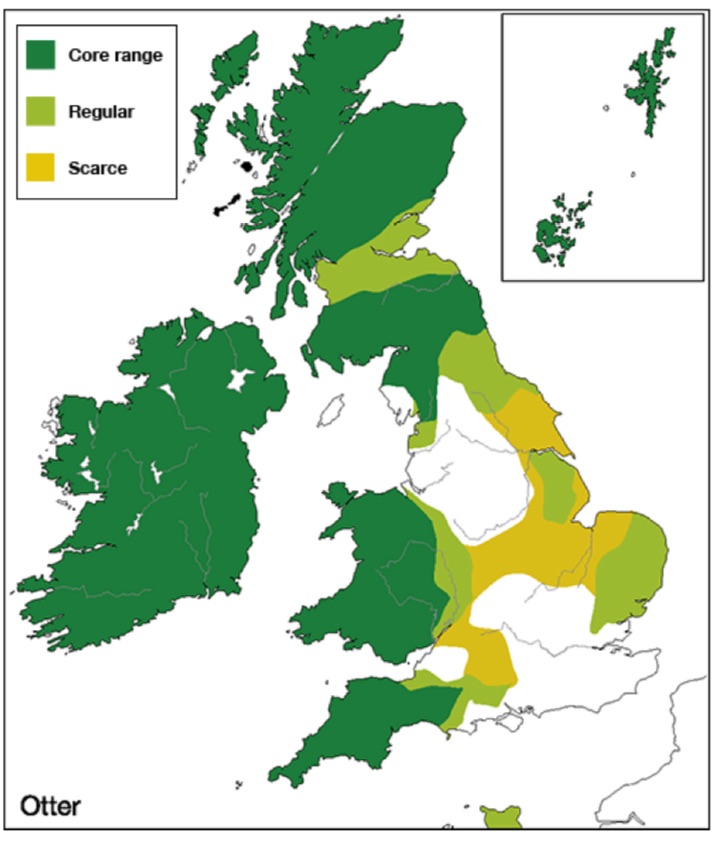
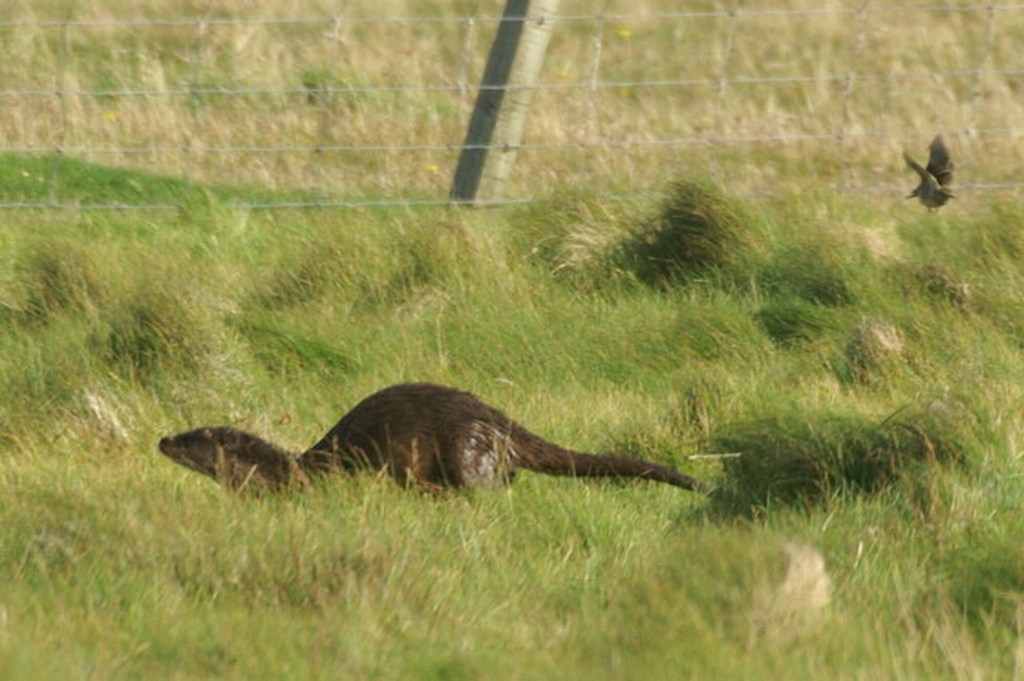
Otters, Lutra lutra, are making a big comeback in the Northwest, being seen more and more on rivers, streams and ponds where they haven’t been seen for generations.
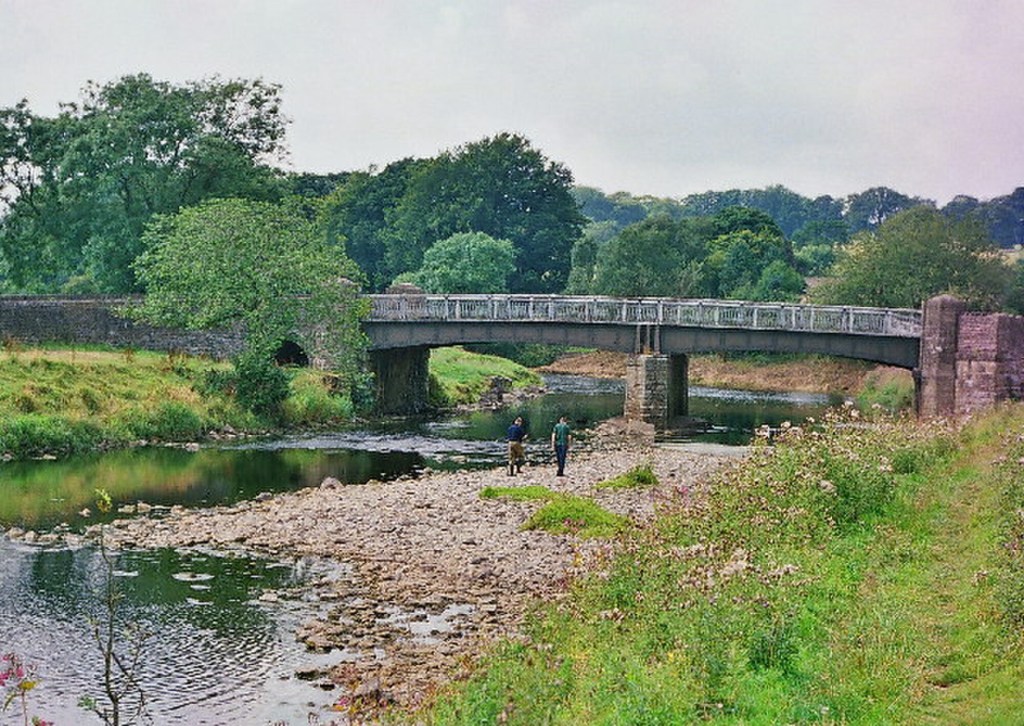
Previously only spotted on our main rivers like the Ribble and Wyre numbers seem to have climbed recently and this is a good sign that they find the area to be a very suitable place to bring up their families.
Otters are what is called an apex predator in the ecosystems of the British isles, this means that they aren’t really predated on by anything else and require a lot of their prey to survive. Of course Otters are piscivores, mainly eating fish, so an increase in Otter numbers must mean that rivers are healthy and full of fish and the species they depend upon, indeed Otters are seen by ecologists as an ‘indicator species’, indicating the health of an areas ecology.
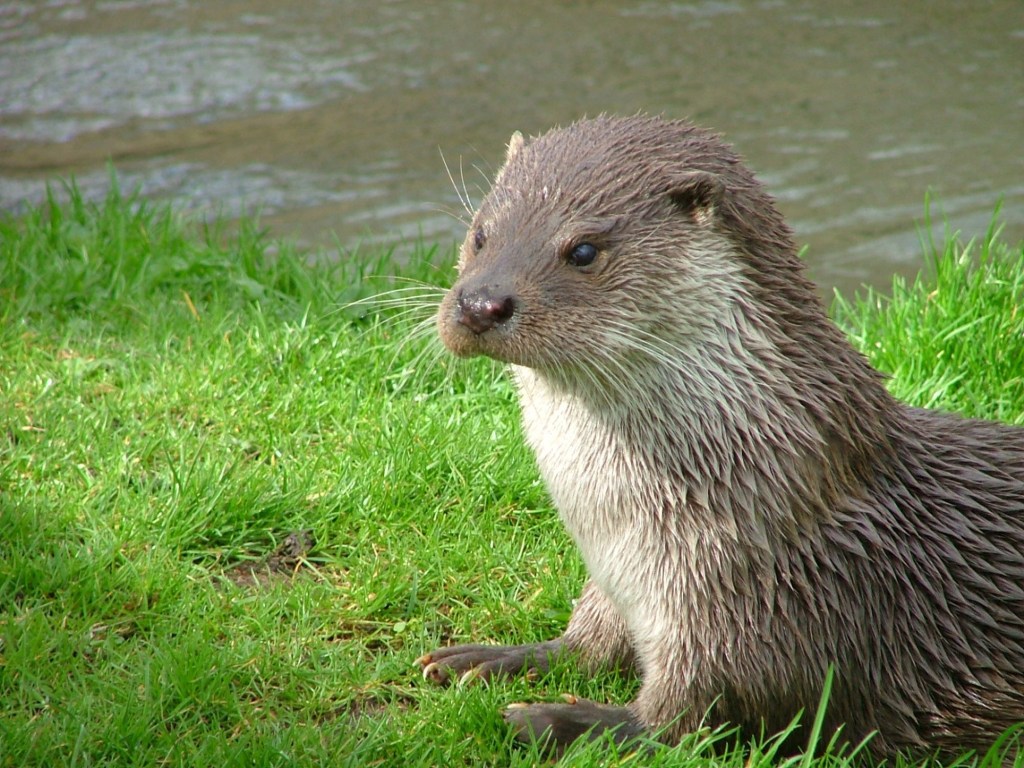
Watercourse restoration
Some of our rivers are famous amongst anglers for the abundance and quality of several game fish; Salmon, Trout and Grayling being the main species, and a lot of money and effort is put into maintaining the reputations of these fisheries.
Fishing clubs, such as Whitewell Fishing Association for example, employ banksmen to maintain, restore and improve river habitats, not just for piscine species but for others as well, they will have a good understanding of the particularities of their stretch of river and the necessity of keeping a balance between all of the natural elements that constitute it.
Landowners have been very busy improving the health of the watercourses on their land too through schemes such as SCaMP, the Sustainable Catchment Management Project, which ran from 2015 to 2020. The Ribble Trust, a charity which cares for some of the area’s watercourses, has been carrying out an extensive programme of river improvement recently, removing old weirs and other impediments to migratory fish such as Salmon and installing fish passes.
All this has meant that there are now a lot more fish in the area’s rivers, which has helped the Otters a lot.
Creature of the Quiet Corners
The Otter is quite a shy and retiring animal, rarely seen except by those who sit still and long enough. Fishermen naturally tend to see them more than others and birdwatchers do too. I’ve seen them occasionally from the bird hide at Stocks reservoir where they are no doubt attracted by the Trout that the reservoir is stocked with, I’ve also seen one slinking out of the water and across the footpath at Browsholme Hall, where there is a 2 acre Trout lake.
They breed all year round, giving birth to 2 or 3 Cubs which are, strangely enough, not natural-born swimmers, and born very small too, so a mother otter will escort its Cubs around for quite a long time, up to a year, teaching them to fish and even having to push them into the water to force them to learn to swim.
The dens Otters live and raise their young in are called holts, and will always be somewhere quiet and out of the way, these are usually dug out of river banks, with several entrances, one of them always above the flood level, in upland streams they will live in jumbles of rocks and boulders instead.
Holts and Spraint
You can locate an Otter’s holt fairly easily, (which is peculiar as the animal itself is usually so discreet) partly by the presence of tracks (called pads) and discarded fish/crustacean parts but mainly by their unique and pungent aroma, which can be described as a combination of fresh fish and Jasmine tea.
As Mustelids go it’s not that evil-smelling, certainly not as bad as the smell of Ferrets or Stoats, they apply this odour liberally around their territory, usually as ‘spraint’, but occasionally in the form of secretions called ‘anal jelly’ which look like Oxford marmalade without the shreds (though you certainly wouldn’t want to spread it on your toast!). This jelly is thought to be expelled gut-lining which the animal produces a copious amount of to protect against sharp fish-bones.
With this and their fishy spraint (basically otter poo) they will mark certain points around their riverine homes, these tend to be;
- Rocks and boulders
- Tree stumps, roots and logs
- Either end of their paths and shortcuts
- Gravel/sand banks
- Manmade structures and debris
- Rapids, riffles and waterfalls

(Gail Hampshire)
This preference for peace and quiet is perhaps another reason the Otter has done so well in the Northwest, having so many hidden places to live and rear young, as they usually try to avoid humans, especially those with dogs. They have very sensitive hearing, sight and smell so can tell very quickly if dog walkers, ramblers or anyone is approaching and can slip away quietly without being seen.
It’s been many decades since they have been hunted (see ballad below) but they still retain a distrust of humans and dogs in particular.
Gamekeepers have been very glad to see Otters returning as well, not only because they enjoy seeing them but because they are very useful, killing Mink which are not native to the British isles and have been enormously destructive, eating any eggs and nestlings they can get, including of course those of the Pheasant, Partridge and Grouse. (You can read more about Mink in a chapter in this article about Water Voles)
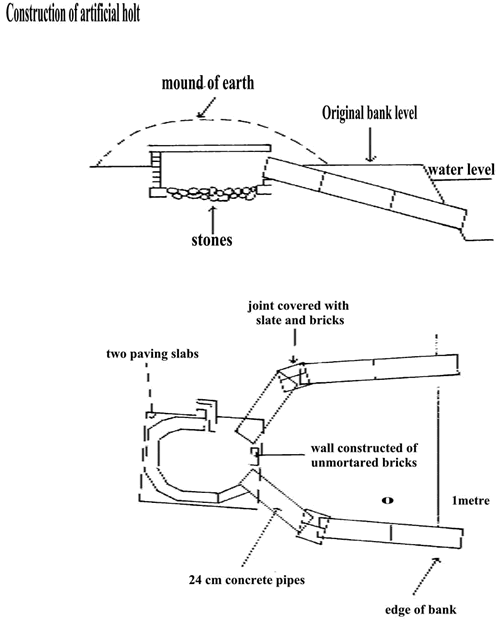
Otters are no threat to the keeper, eating only fish, crustaceans and the occasional aquatic bird’s eggs, so if a keeper knows where a holt is it will be left well alone, surprisingly, fishermen will try to help otters any way they can too, including building artificial holts simply because it makes a paying angler’s day very worthwhile if they’ve seen an otter and it means everything is well with the river.
Forest stronghold
In the Forest of Bowland AONB, which is becoming a stronghold for Otters in the Northwest, they are lucky that the habitats they need are not under threat and most farmers there are now are becoming organic so there is very little pollution from pesticide or fertiliser run off. Yet in some parts of the Northwest such as the Ribble valley they are facing a new threat of disturbance from the construction of hundreds of new houses.
Construction companies are legally obliged to prevent disturbance of sensitive habitats like river or streams but disruption from the enormous noise and activity of building sites is not something Otters will tolerate. Many Otters moving into Bowland are probably just trying to escape that.
With all the hard work landowners, farmers, keepers, and fishery managers are putting into the future of the Northwest’s nature and landscape it is sure they will become a lot more common here in the future.
(Mike and Kirsty Grundy)
The Ballad of the Bold Otter, or Radcliffe Otter Hunt
The following Old Lancashire Ballad (a genre of folksong) as performed here by Brian Dewhurst, dates from the 1700’s, a time when hunting Otters with packs of hounds was not frowned upon but seen as a necessary rural ‘sport’, the location is the stretch of the River lrwell near Manchester which winds from Prestwich to Radcliffe.
Several historic characters are mentioned in the ballad, including Tom Thorpe who was the gamekeeper for the Earl of Wilton, Bob Hampson, a widely-renowned publican of the time, and Jack Ogden, a locally well-known hunter.
I am a bold otter, as you shall hear,
I’ve rambled the country all round
I valued no dogs far or near,
In the water, nor yet on the ground
I valued no dogs, far or near,
But I roved through the country so wide,
Till I came to a river so clear,
That did Clifton and Prestwich divide
As through the wild country I rambled,
I lived at extravagant rates,
On eels, chubs, and gudgeons I feasted
The fishermen all me did hate
Yet still up the rivers I went,
Where the fishes my stomach did cheer,
Till a challenge from Radcliffe they sent me,
They quickly would stop my career
Next morning those dogs did assemble;
Jack Allen, he swore I must die,
It made me full sorely to tremble,
To hear those stout hounds in full cry
It was near Agecroft bridge I oft went,
Where with me they’d had many a round,
So closely they stuck to the scent,
That they forced me to take to fresh ground
Jack Allen, the darling of hunters,
And Ploughman, the glory of hounds,
You may search all the country over,
Their equals are not to be found
Although I my country did leave,
It was sorely against my own will,
They pursued me with courage so brave,
That they proved a match for my skill
Again through the country I rambled,
To the Earl of Wilton’s I came,
Where I made bold his fish-pond to enter,
And there I found plenty of game
But the Earl being now at his hall,
He swore that my life they must end,
So straight for Tom Thorpe he did call,
And for Squire Lomas’ hounds they did send
Then the dogs and the huntsmen arrived,
Thinking my poor life for to end,
But to gain my old ground I contrived,
Where I could myself better defend
(Mike Pennington)
It was near Master Douglas’s mill,
Where they swam me three hours or more,
And yet I did baffle their skill,
Till at length they were forced to give o’er
At length by misfortune I ventured,
Again up the river to steer,
When into a tunnel I entered,
Not thinking my death was so near
But those dogs from old Radcliffe they came,
And into my hold did me cry,
The hunters they all did the same,
And they swore they would take me or die
’Twas on the next morning so early
They forced me from my retreat,
Then into the river I dived,
Thinking all their sharp schemes to defeat
But those dogs they did soon force me out,
Because that my strength it did fail,
Tom Damport, that tailor so stout,
He quickly laid hold of my tail
Then into a bag they did put me,
And up on their backs did me fling,
And because that in safety they’d got me,
They made all the valleys to ring
Then right for old Radcliffe did steer,
And soon at Bob Hampson’s did call,
And hundreds of people were there,
To drink and rejoice at my fall
The same afternoon they contrived
With me more diversion to have,
Put me into a pit, where I dived,
Just like a stout otter so brave
And yet I remained so stout,
Though they swam me for three hours or more,
The dogs they could not force me out,
Till with stones they did pelt me full sore
Thus forcing me out of the water,
Because that my strength it did fail,
And then in a few moments after
Jack Ogden laid hold of my tail
And so now they had got me secure,
They right to the “Anchor” did steer,
But my lot was too hard to endure,
And my death was approaching too near
Next morning to Whitefield they took me,
To swim as before I had done,
When out of the bag they did put me,
Alas! my poor life it was gone
And so now this old otter you’ve killed,
You may go to Bob Hampson’s and sing
Drink a health to all true-hearted hunters,
Success to our country and king
A B-H
(Nov 2024)
 Northwest Nature and History
3 thoughts on “The Bold Otter”