Identifying the First Signs of Spring in our Woods and Hedgerows
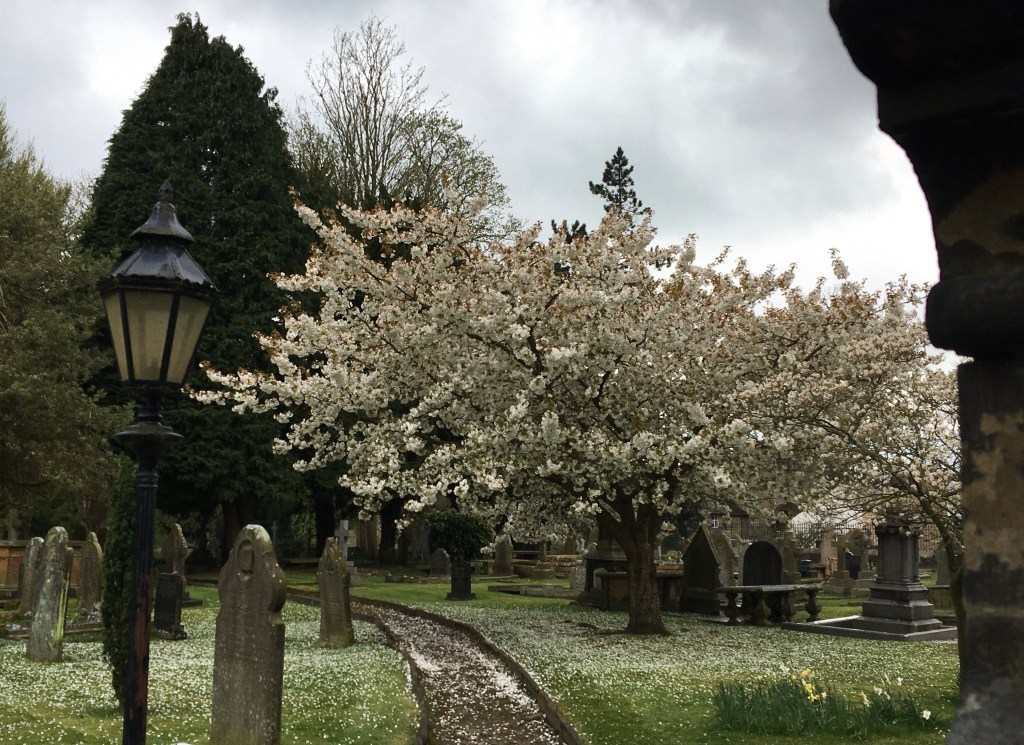
The arrival of spring often feels hard-won here in northern England, winters linger longer here than in the south, with colder temperatures and more frequent frosts delaying the greening of the landscape.
Yet, as days lengthen and occasional milder spells arrive, typically from late February through March, the first tentative signs of nature’s renewal appear on the trees.
These early signals are subtle at first: swollen tips on bare branches, catkins lengthening, or tiny flower clusters emerging before leaves, but they mark the slow awakening of our woods and hedgerows from a long winter hibernation.
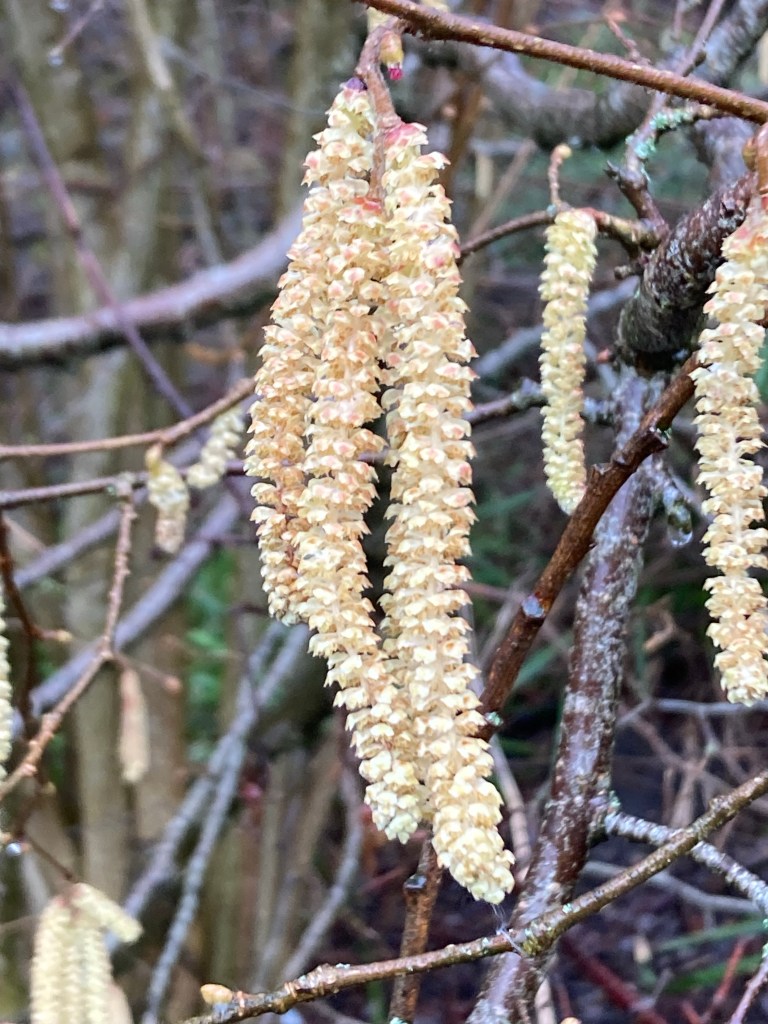
Hazel
One of the very earliest and most reliable indicators of spring is the Hazel (Corylus avellana).
Its male flowers, known as catkins, actually develop in the previous autumn but remain small and greyish through winter, as early as January or February in milder years, they elongate into familiar dangling ‘lamb’s tails’, turning golden-yellow and releasing clouds of pollen on breezy days.
The tiny crimson female flowers, mere red styles peeking from buds near the leaf scars, often appear around the same time.
Hazel is widespread in our woodlands and hedgerows, making it one of the first trees to signal that spring is stirring, even if true leaf buds come later.
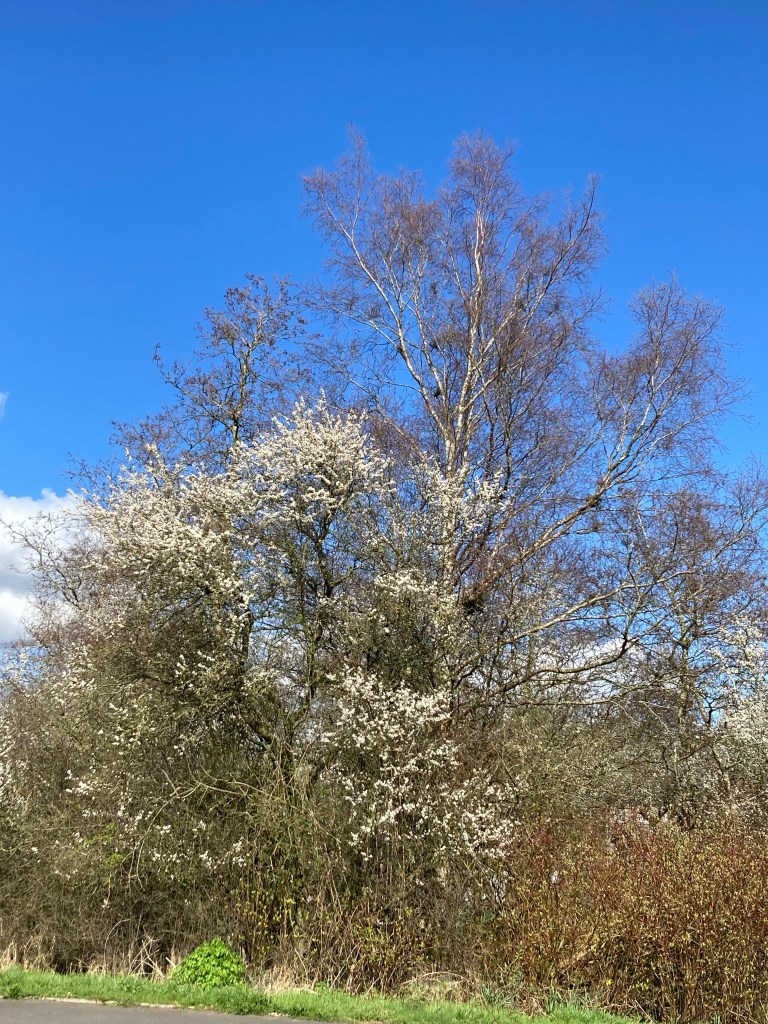
Blackthorn
Another vernal pioneer is the Blackthorn (Prunus spinosa), whose white blossoms often appear before its leaves.
In northern regions, this spiny hedgerow shrub typically bursts into flower from mid-March to early April, creating frothy white displays along country lanes and field edges.
The buds swell noticeably in late winter, and on warmer days the five-petalled flowers open en-masse, sometimes as early as late February in unusually mild conditions.
Blackthorn’s early flowering is a classic harbinger of spring, though it can be vulnerable to late frosts that blacken the petals.
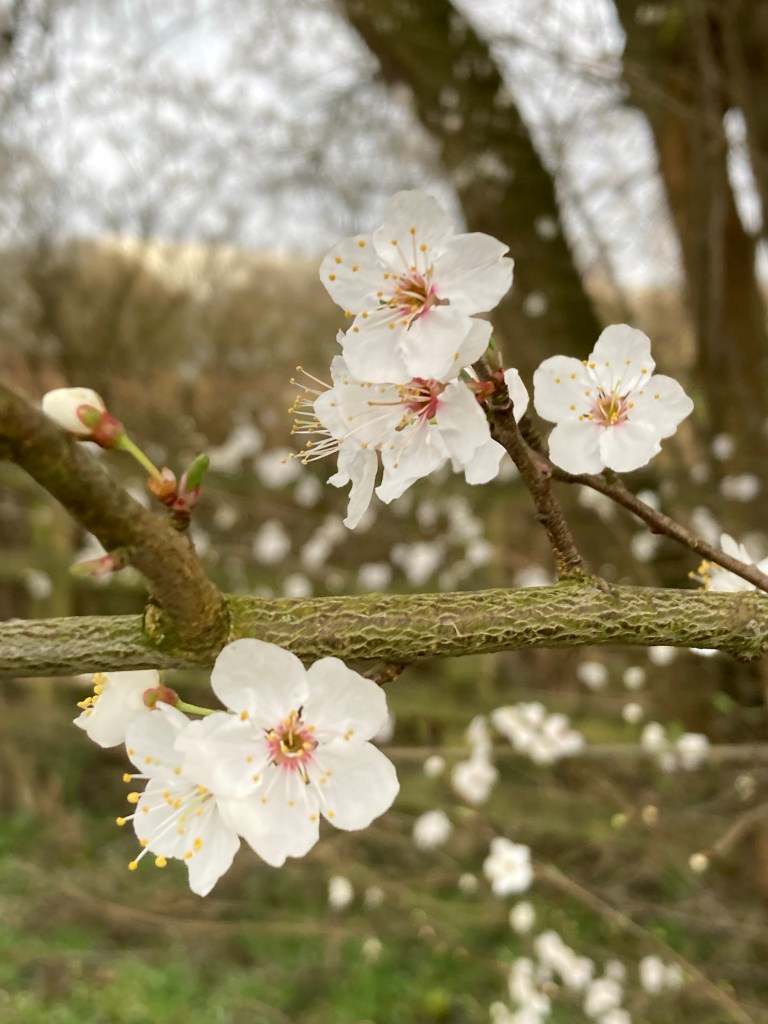
Cherry Plum
In some locations, especially where naturalised or planted, the Cherry plum (Prunus cerasifera) can steal the show even earlier.
Its small white or pinkish flowers emerge on bare twigs from February onwards in responsive years, often preceding blackthorn by a couple of weeks.
This makes it one of the first true tree blossoms in parts of northwestern England, particularly in urban areas where it’s been planted for ornamental purposes and benefits from the urban heat island effect.
Alder
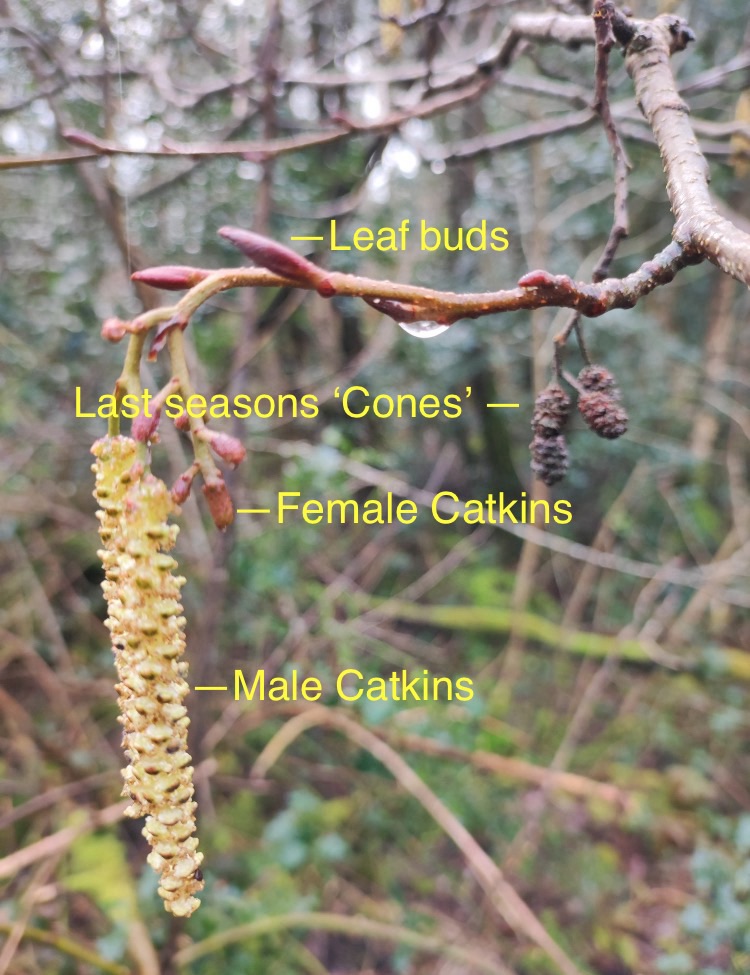
Among our native broadleaved trees, Alder (Alnus glutinosa) stands out for its early activity, especially in wetter northern landscapes such as river valleys and on the uplands.
Its catkins (both male and female) appear before leaves, often from February or March, providing pollen for the earliest emerging insects.
Silver Birch
Silver Birch
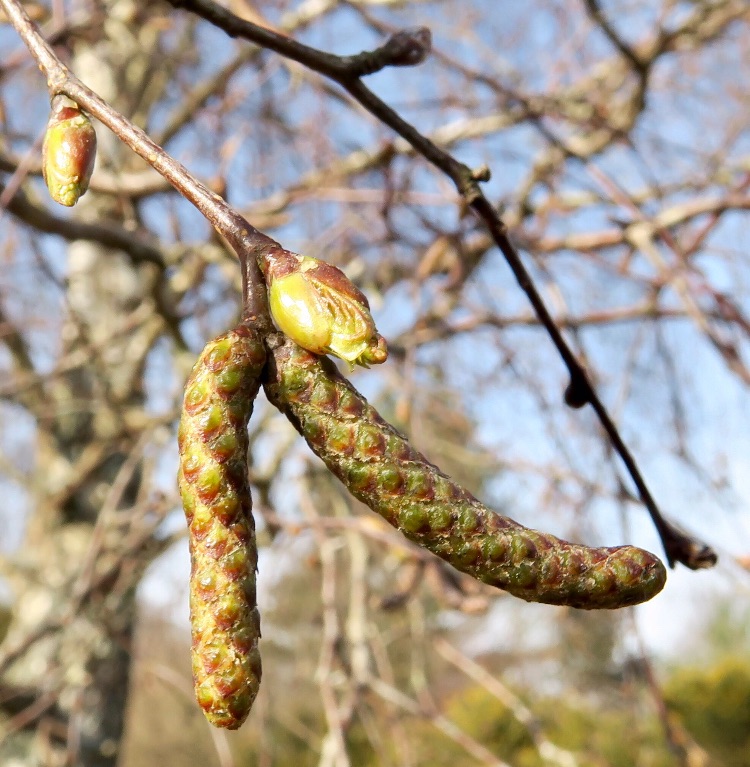
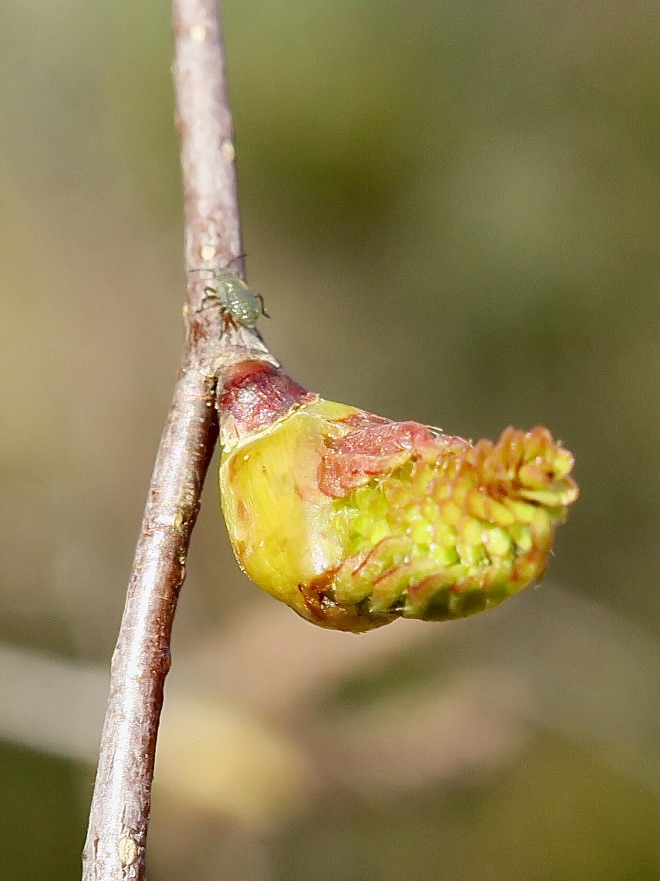
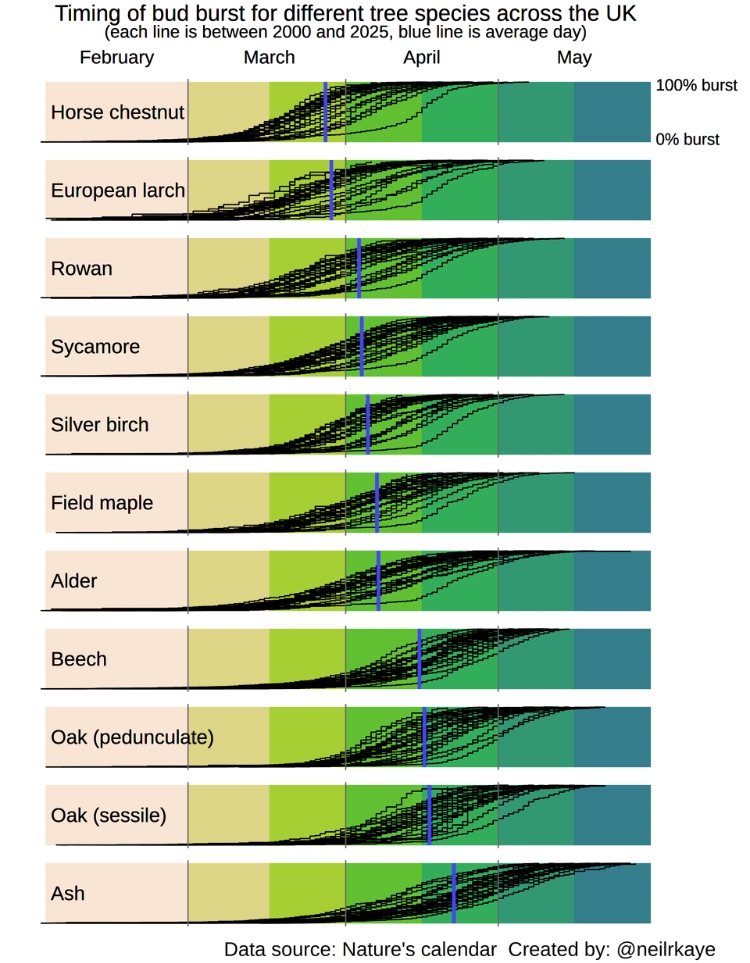
Silver Birch (Betula pendula) follows closely, with leaf buds swelling and bursting into delicate green leaves from March onwards, sometimes it’s among the first true foliage in the birch-dominated woods of the Pennines or Lake District.
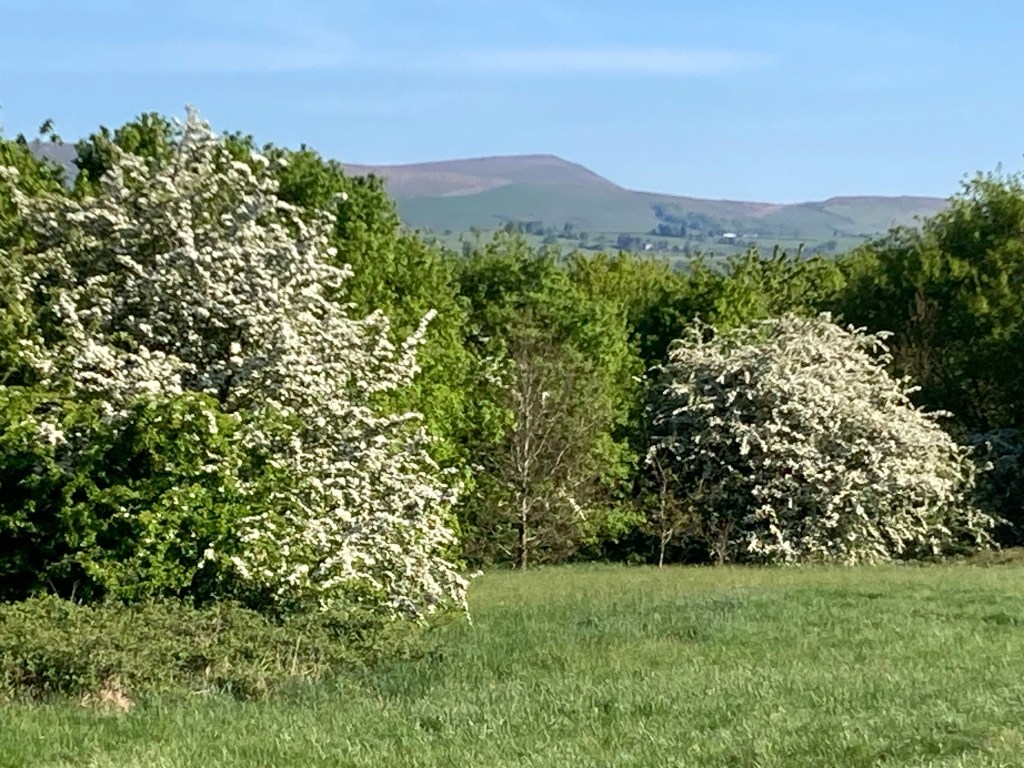
Other common species lag slightly behind. Hawthorn (Crataegus monogyna), often called the ‘May tree’, begins leafing early but reliably greens up in April in the north, followed by its own white flowers.
Sycamore and Field maple show swelling buds in March, while iconic trees like Oak, Ash, Beech, and Rowan are typically later, as buds may swell visibly in March or April, but full leaf-out often waits until May in the cooler northern counties.
Timing
The precise timing of spring’s bloom and bud varies year to year, influenced by winter chill accumulation, spring warmth, and local microclimates. Northern England’s higher latitude and elevation push events later than in southern England, by about 5 to 7 days on average for many species, according to long-term phenological records.
Recent decades of milder winters and warmer early springs have advanced budburst and flowering overall, sometimes by weeks in extreme years, though the north remains more conservative than the south.
These first buds are more than visual delights for our eyes though, as they support early pollinators like bees venturing out on warmer days and signal an ecosystem’s shift from hibernation towards growth.
To spot them yourself, look closely at twigs on mild days from February onward, the change is subtle, but once noticed it’s unmistakable and promises green leaves, birdsong, and longer days ahead.
Healey Dell
William Baron
O, sweet to the vision is Healey’s famed dell,
with its shady retreats, and its pathways so green!
What pen can describe it? what language can tell
the charms and the beauties surrounding the scene?
‘Tis a picture as fair as the Eden of old—
where mankind’s first parents were tempted and fell;
Our hearts are enraptured whene’er we behold
the rich works of nature in Healey’s cool dell.
How grand to stroll there at the coming of Spring,
when the buds and the blossoms are fresh on the trees!
To list to the song-birds, that soar as they sing,
and inhale the pure fragrance that comes on the breeze.
Our fancies, our thoughts, how delightful they are!—
Too deep for expression, our bosoms they swell;
Life brings many pleasures, but dearest by far
To me is a ramble through Healey’s sweet dell.
When the leaves by the zephyrs at nightfall are stirred,
and darkness is lowering upon the earth’s breast.
The voice of the woodlark may often be heard
as he calls for the mate of his choice to his nest.
And the murmuring stream as it ripples along,
looks up at the daisy and nodding blue-bell,
which open their petals to list to its song
that awakens their slumbers in Healey’s fair dell.
When the moon sheds her rays on the old ruined mill,
there the maiden of Shawclough roams forth with her swain;
And with breast beating high, in that spot calm and still—
He pleads for her hand, and he pleads not in vain.
When troubles oppress me I thither repair,
and roam o’er the scenes that I love, oh, so well!
For the Almighty’s goodness is shown to me there,
in the unrivalled beauties of famed Healey Dell.
Taken from Bill-O’-Jack’s Lancashire Monthly, edited & Published by William Baron in 1909.
It was originally written in 1889 specifically for a piece in the Rochdale Times entitled ‘Rained In’ and subsequently published in Baron’s book ‘Echoes From The Loom’.
Healey dell is well-known and beloved beauty spot in Rochdale.
If you enjoyed this you can show your appreciation by buying me a coffee, every contribution will go towards researching and writing future articles,
Thank-you for visiting,
Alex Burton-Hargreaves
(March 2026)
 Northwest Nature and History