Halton’s heritage
Just up the river Lune, a couple of miles from the city of Lancaster, sits the historic village of Halton, once a bustling hub of industrial activity powered by the waters of the Lune.
In the area’s hay-days, which lasted from the 17th to 19th centuries, the water-wheel powered mills, the oldest of which was built in the 13th century, changed hands and usage many times, from milling corn through to forging cast iron and then weaving cotton. In the Second World War some were used as military barracks and stores, and afterwards a variety of small businesses moved in.
Enterprising Polish engineers
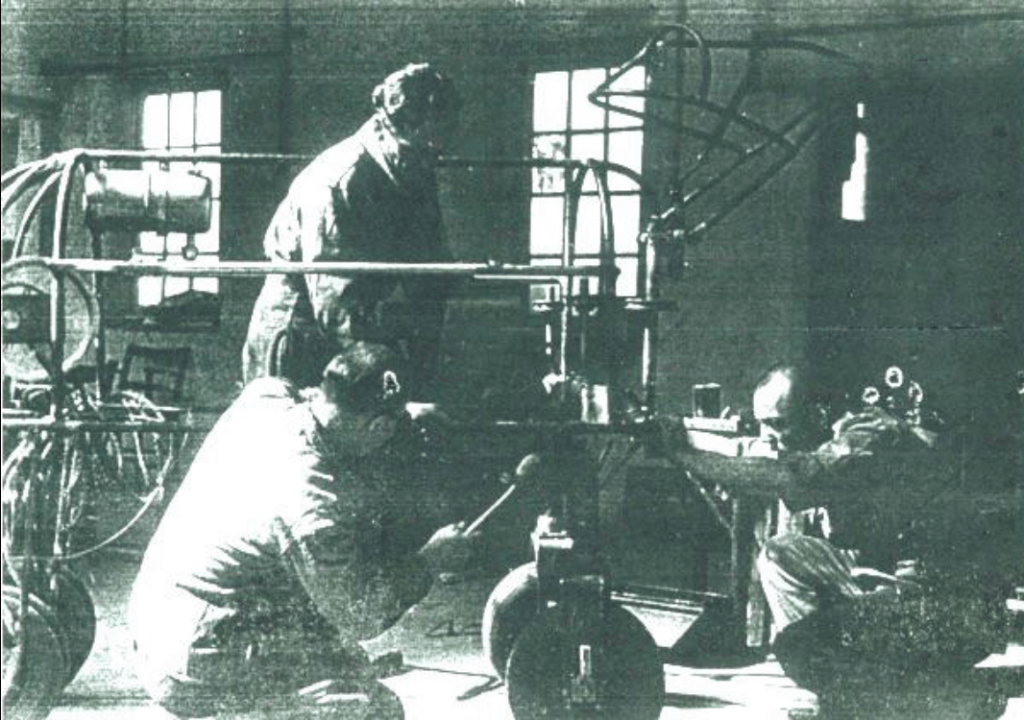
Halton mill, originally known as Middle mill, became home to an enterprising group of 25 Polish engineers, who had originally moved to Britain to fight alongside the allied forces. At the cessation of war they were not overly keen to return to Poland, as the Soviets had taken control of the country and the economy had been literally destroyed anyway. They let the mill from the MOD in 1948 and started up a company called Luneside Engineering.

Keen to try their hand at any means of turning their skills into money the men first worked at renovating cars, joinery and wood-turning amongst other things, investing as much as they could into metal working tools in order to focus on the engineering skills they had honed throughout the war.
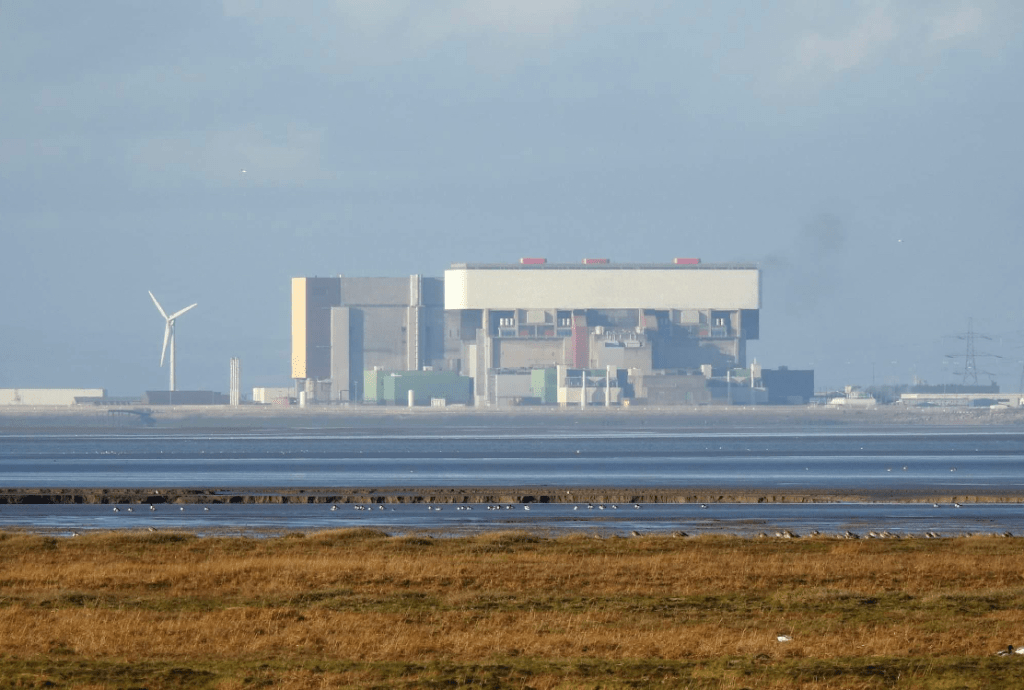
Eventually the company, which grew to over 100 employees, became a leading name in precision engineering, making specialised components for major manufacturers including British Aerospace, British Nuclear Fuels, who operated a nuclear power plant nearby at Heysham, and Rolls Royce.
Petrol-powered pachyderms
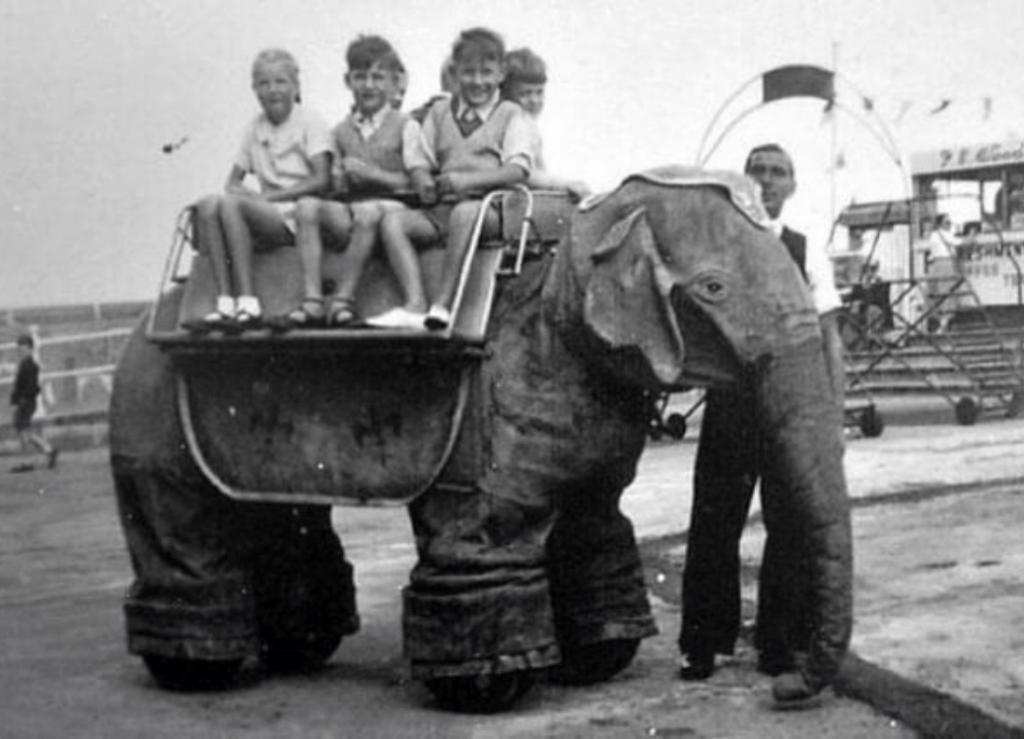
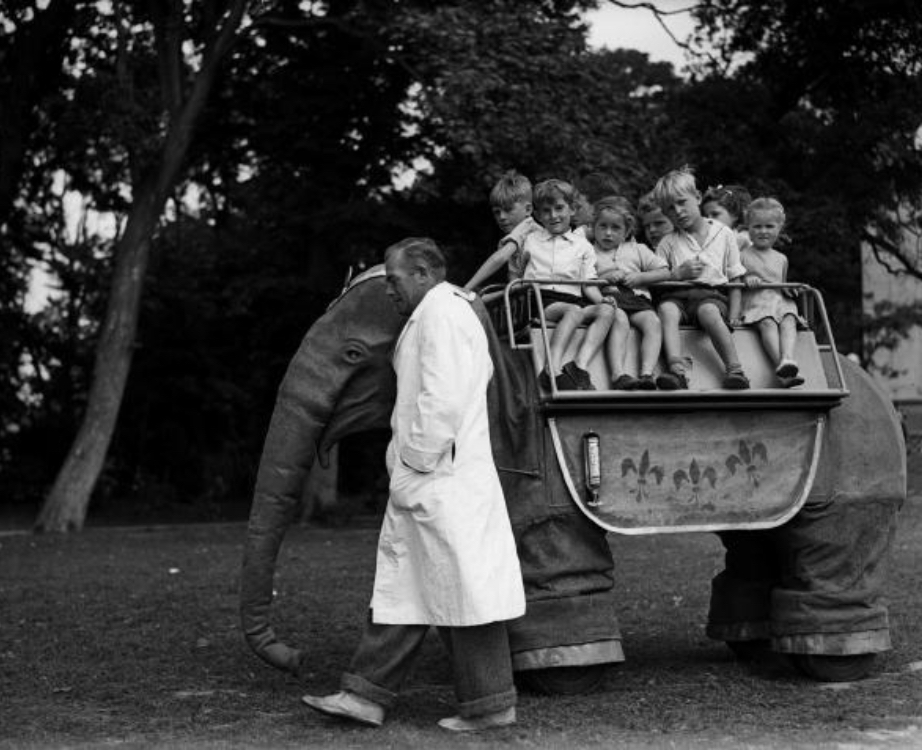
One of the most peculiar contraptions to come out of the mill, which one of the engineers was inspired to invent after seeing a real one at Bellevue amusement park in Manchester, was an ingenious 7ft high mechanical elephant powered by a 250cc petrol engine and intended to carry up to 8 children, depending on weight. The first of the elephants left the mill in 1949 and by the early 50s a company called Macadese Entertainment Ltd operated the elephants all over the country, including at nearby seaside resorts Morecambe, Blackpool and Southport, where they became hugely popular amongst operators, children and adults alike.

Although no serious injuries or incidents involving the Polish-built petrol-powered pachyderms are recorded, the seaside rides, popular as they had become, fell out of favour over the decades due to both the cost of insuring them and the training and mechanical nous required to keep the oil-derivative fueled oliphants going. The decline in popularity of seaside resorts and an increasingly risk-averse society probably didn’t help the Halton born heffalumps either!
Crosby Carnival
In 2013 one of the elephants, called Rajah, made by Luneside engineering sometime in the 50s, was returned to his birthplace , he had been helping Crosby and district Lions raise funds since 1995 and every year had proudly led the Crosby Carnival. The people of Crosby, a seaside town in Merseyside just down the coast from Southport, had become very fond of Rajah over the years, with some remembering him taking them for rides along the beach as far back as 1952, but no one is entirely sure how he came to be in Crosby.
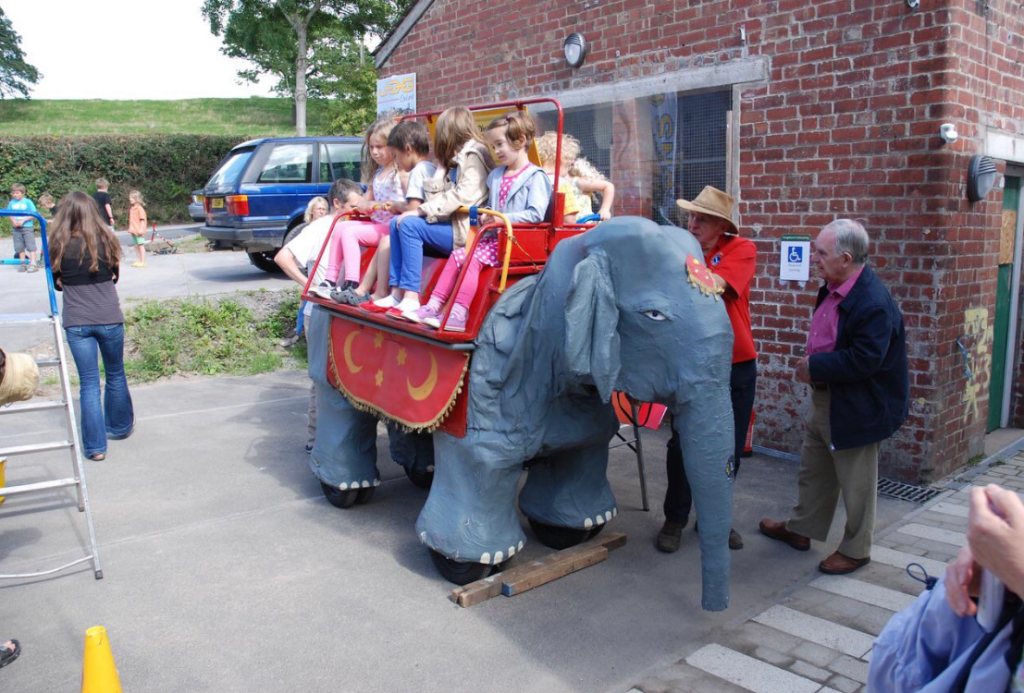
What is known is that Rajah was donated to Crosby Lions by the nuns of Nazareth House, a local hospice which used to offer short term respite care for children, they employed him to take the children for rides around the grounds, however, the nuns found it too hard to keep Rajah fit and running, so a new home had to be found.
Crosby Lions were chosen as they had helped support Nazareth house’s garden fetes and other events over the years, and the Lions promised to look after him and make sure he could keep on doing what he was made for; entertaining children.

Rajah’s return
The operation to return Rajah to Halton was organised by a former apprentice of Luneside Engineering, Chris Coates, one of the directors of Halton Mill an ‘eco-friendly enterprise hub’ providing workspace for local artists, community groups, small businesses and startups, in fact the management cooperative which runs the mill is called ‘Green Elephant’ in honour of Rajah and the rest of his herd.
Chris Coates had always known of the mechanical elephants and had made it his goal to track one down and return it to its birthplace, in the early 2010’s he heard about the one that Crosby Lions looked after and in September 2013, before an audience of nearly 300, including former employees and their families, Rajah was officially welcomed back home to his birthplace after a lifetime of service on the seafronts of the Irish Sea.

Rajah is now retired and cared for by the staff at Halton mill, although he does occasionally venture out on special occasions, it is though that he is one of only two of his kind remaining, the other being supposedly being somewhere in the South of England, it is hoped that one day they will meet up and reminisce about the good old days, elephants, even mechanical ones, are famous for having long memories after all!
A B-H


Fascinating. I often walk past Halton Mill without ever realising there was an elephant inside.
LikeLiked by 1 person
Thanks! There’s lots of odd little bits of history like that I’ll try and write about, tbh I really want one of these elephants for myself, it would quite cool to go to work on one!
LikeLike