

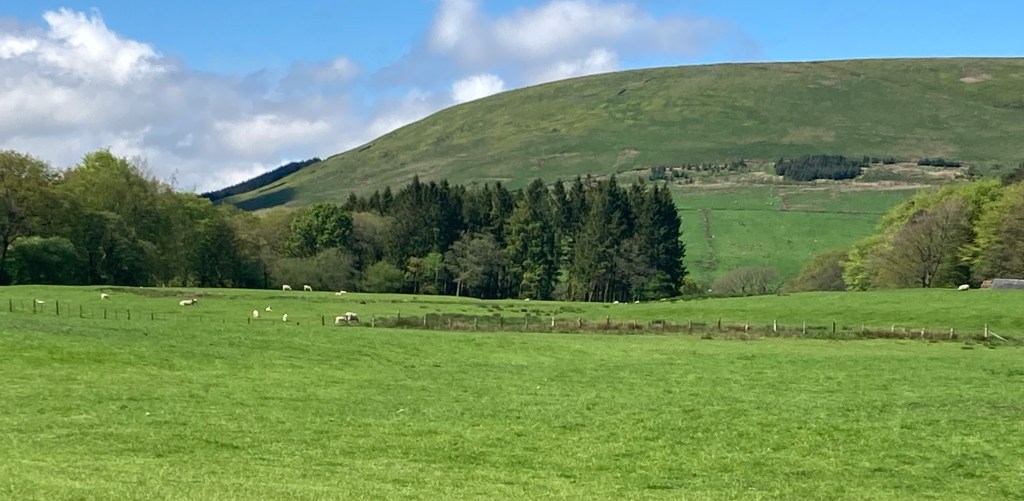
Bothvar was a Norse cattle farmer who settled in the Bowland area between 900 to 1100 AD, not much more is known about him or his fate, what is known is that he established a cattle farm near Dunsop bridge which is now called Beatrix Farm.
The Norse that settled in the north of England came by way of the Irish Sea from Ireland and over the 3 to 4 centuries that they were in the area until their conquest by the invading Normans from France in the 1200s they left a firm and longstanding legacy in Bowland.
Ancient names
Many of the vaccaries, (meaning cattle farms), and deer parks like nearby Ranolph Laund and Browsholme were set up on land originally cleared by the Norse settlers and the number of places which have names of Norse origin is higher than in surrounding parts of the country. Names such as Battersby and Smelthwaite, Dolphinholme which is named after a Norseman called ‘Tolfin’ and the name of the area itself, ‘Bowland’ which comes from ‘bogi’, meaning bend in a river, all reflect this.

The original occupiers of the area before the Norse invaded, the ancient brits, had left the valley bottoms of the area wooded, as they were too wet, flooded, thickly overgrown and unsuitable to live in, preferring instead to build their settlements on the hills and ridges, so many of the settlements the Norse cleared in the valleys were also given their first place names by the Norse.
Beatrix farm which comes from Battrix, and was originally Bothvar’s farm was one of these farms and over the decades grew to be an important market village in the Hodder valley, earthworks which can still be seen in the fields to the north of the current farm and the direct, worn routes that tracks and lanes take to the farm indicate it was once much larger.
Changing ways
Up until as late as the 18th century, when substantial sandstone bridges were built over the Dunsop and Hodder rivers to replace the river fords that were the only crossings before, and more modern roads were built, Beatrix was a larger community than neighbouring Dunsop bridge. But the arrival of a more direct and faster route through the valley to the important regional capitals of York and Lancaster meant the hamlet was bypassed and slowly forgotten.
The Pendle witches were taken through the area in the 1600s to be tried at Lancaster and would have passed through Beatrix, as this was before the construction of the bridge and road at Dunsop. This would have been the last settlement before the Trough of Bowland so it is possible the convoy may have stopped here to change and water horses, the only other route would have been along the old Roman road, the Salter Way across the fells to the north but this would have added an extra day to the journey and would have been unnecessarily long, there is also no record of them stopping at Slaidburn which would have been the last settlement on that route before crossing the fells.
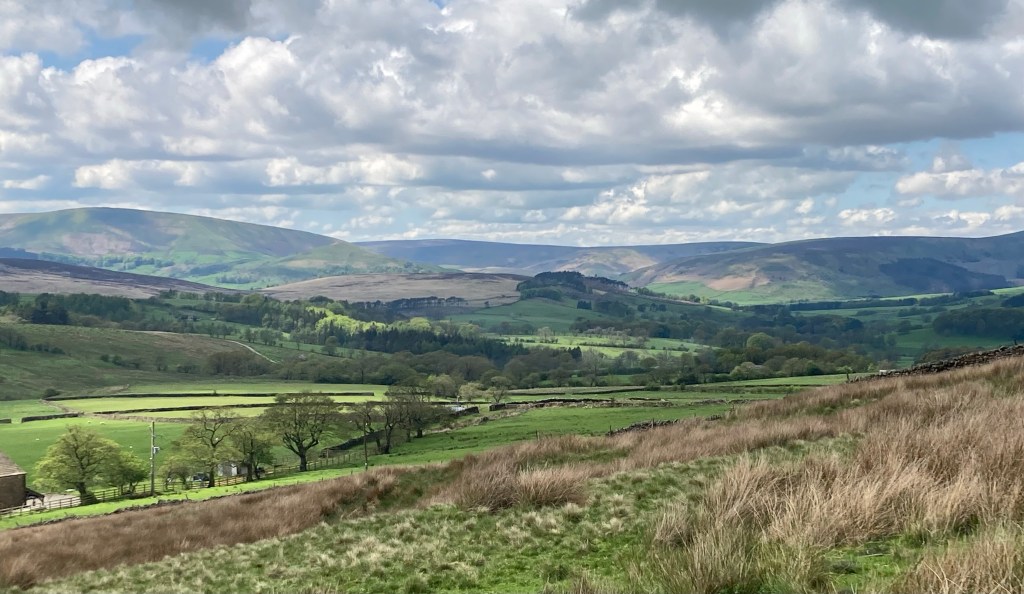
Cattle or stock markets are recorded as having been held here in the 17th and 18th centuries and from the 1600s to the early 1800s successive generations of the Haythornthwaite family are recorded as having farmed at Beatrix, the fell above the farm is called Beatrix fell and a clear drovers or cattle driving track can be seen following the contours of the fell down to the farm.

It’s only when the marks and shapes left on the land and the names of the places in it are looked at do you realise how ancient the history of this bit of the country is, before the Norse, the Saxons and even the Romans before them Bowland had already been lived in and farmed for several thousand years, but the places they lived in and the names of those have largely been forgotten and will never be known.
A B-H
 Northwest Nature and History
2 thoughts on “Bothvar’s Cattle Farm”