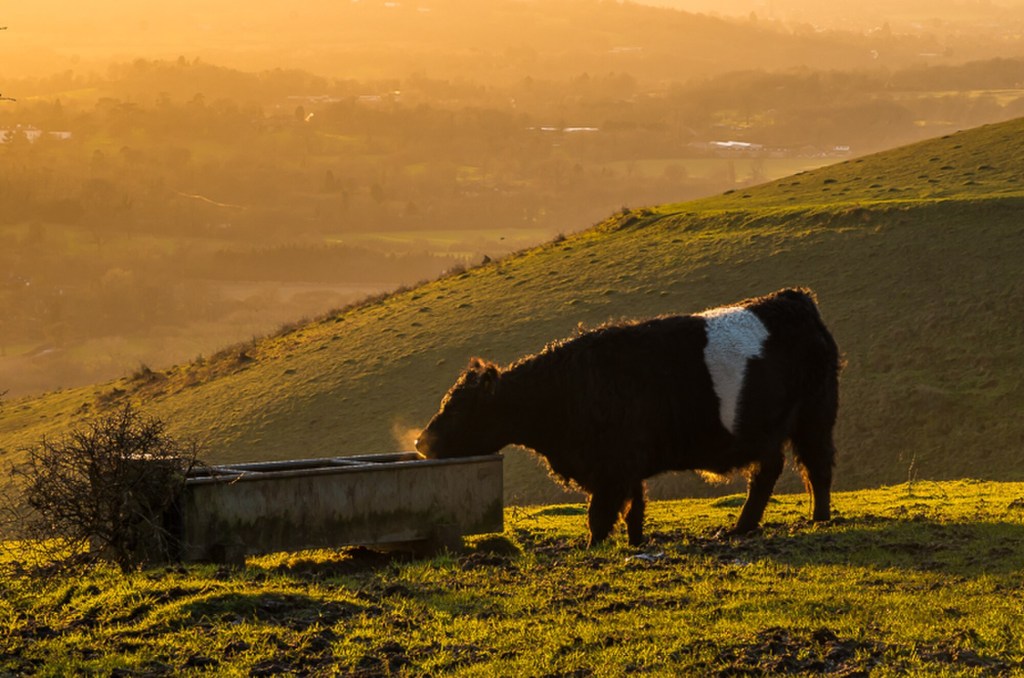
The Belted Galloway is a very hardy breed of beef cattle, traditionally from South-west Scotland, able to subsist on pastures which are too poor for other breeds of cattle.
Smaller than other breeds you might see in the British countryside, like the red/brown Limousine or the black and white Friesian, they are similar in size to the Highland cow, to which they are related. The breed was first recorded on farmers stock books in 1921 and is descended from Galloways, the difference being Galloways are black all over but belted Galloways have a striking white belt around their midriff, which makes them look very incongruous if you encounter them when out for a walk in the countryside!

Croasdale Farm
In the North of England there are several upland farmers which have adopted the belted Galloway, one farm which has really dedicated itself to the breed is Croasdale Farm (https://www.croasdalefarm.co.uk/) near Slaidburn in the Forest of Bowland. The Handley family which own the farm graze their pedigree herd of ‘belties’ on the fellsides of Croasdale and Catlow, the cow’s striking black and white appearance making them a familiar and well loved feature of the area.
They cope very well up there, exposed and windswept as it is, (the top-most fields are above 1300ft after all!). Kept at a lower density than intensively farmed lowland cattle would be and on a larger expanse of land, (the farm is over 2500 acres), they will move down to lower pastures in really rough weather and as they are a pedigree herd the farmers keep a close eye on them throughout the year. One of the main disadvantages of keeping Belties is that they can suffer from the heat in milder climates so are only really suited to upland farms.
Gaining in popularity
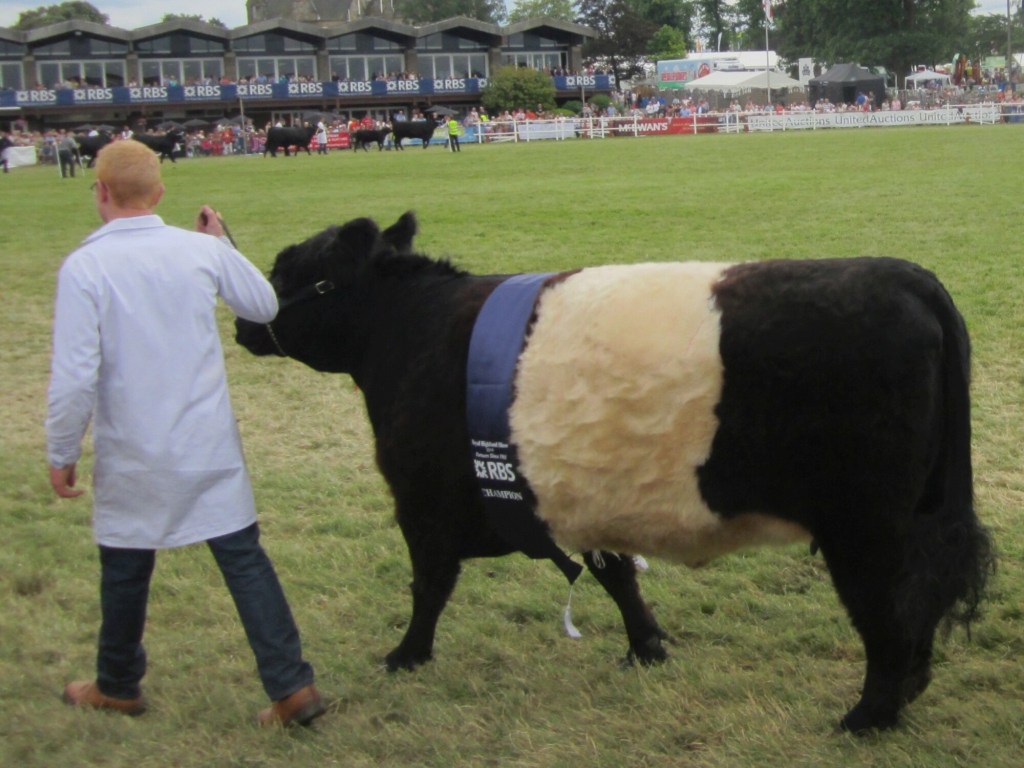
The breed is shown at country shows and has quite a following in the beef farming community, but at one time it was considered a rare breed, after the foot and mouth crisis of 2001 there were few viable herds left, but nowadays numbers have recovered and it is no longer considered to be rare.
The Belted Galloway is primarily reared for beef, having a richly marbled and lean meat which is widely thought to be one of the most nutritional varieties of beef available. They have a doubly thick layer of hair on their backs rather than a thick layer of fat as insulation, so their beef is therefore widely recognised as being lean and is very popular with butchers who wish to offer a healthier option.

Locally sourced and sustainable
It is also very popular amongst chefs and restauranteurs for the marbled appearance of the steaks and as a sustainably reared option to have on the menu. Many Inns and restaurants around the Northwest will have Belted Galloway steaks on their menu at some point, farmers preferring to sell straight to local markets, butchers and shops rather than supermarkets, which means that when the small print reads ‘locally sourced’ it is being honest!
Croasdale farm are part of the Countryside classroom scheme and run their own educational programme helping secondary school pupils gain their BTEC in countryside and environment studies, a public footpath runs through the farm and if you happen to meet Malcolm, Marty or his son Mick, who is the president of Slaidburn Young Farmers, they will be very keen to tell you all about the pedigree herd which is their pride and joy.
A B-H
 Northwest Nature and History
As you say. a familiar sight in Croasdale.
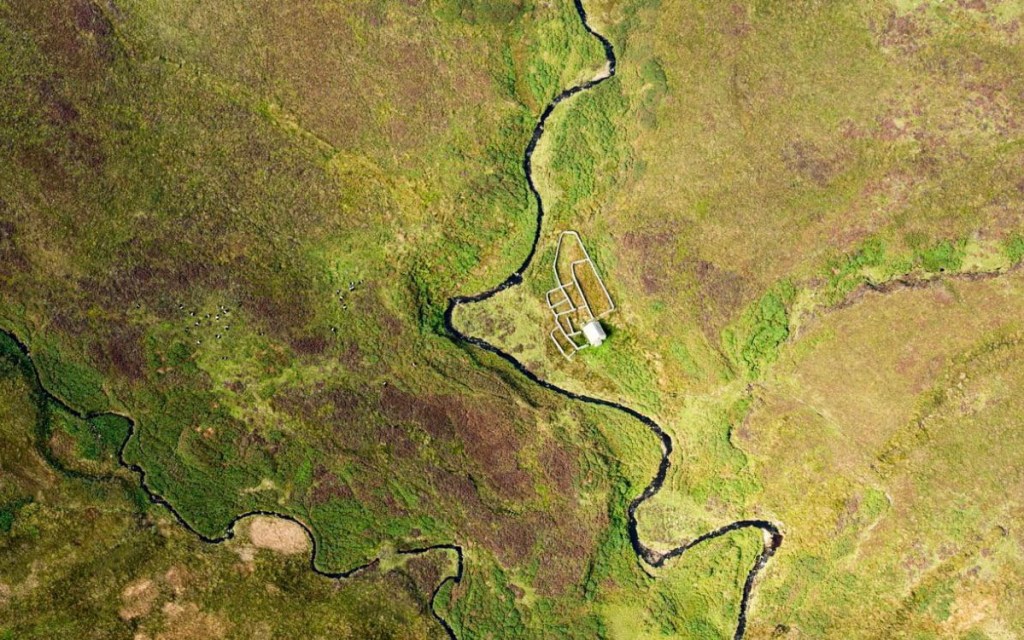
That aerial shot of the barn and sheep folds is amazing. It was ‘preserved’ a few years ago by United Utilities. The sheep folds are unique. I’ve spent a few nights in the barn.
LikeLiked by 1 person
💯
LikeLiked by 1 person