
The Wood Mouse Apodemus sylvaticus, (Apodemus deriving from the Ancient Greek for ‘away from home’, and sylvaticus coming from the Latin for ‘of the woods’), is a very common rodent of the British countryside and quite a handsome looking wee beastie, with a dark brown back, yellow/brown flanks, white chest and belly. They are often mistaken for the duller looking, and incomparably less charming Common House Mouse, but there are several ways of telling them apart;
Wood mice have larger ears, eyes and a much longer tail, their hind legs are also much larger in proportion to their body size than those of the House mouse, measuring up to 3cm in length.
Tiny yet perfectly formed
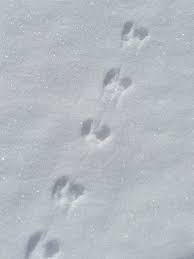
One way of finding out if you’re lucky enough to have Wood mice living in your garden or local countryside is to look for their tracks, especially after snow. Wood mice leave a four-toed impression with their front feet while their hind feet are five-toed, they are bigger than you’d think too, with adults weighing up to 26g, reaching up to 10cm in length, and possessing an impressively prehensile tail which can be almost as long again. When they are getting about in snow this tail will often leave an impression as they leap through what must seem to them to be enormously deep snow drifts!
In a similar way to lizards Wood mice can shed the end of their tails as a last resort, a behaviour called Autotomy, any would-be predator then gets distracted by the tail whilst the mouse makes its escape, although unlike lizards the tail does not regrow.
Large, bright eyes give the Wood mouse excellent vision which they need for avoiding predators, of which there are many in the dark depths of the woods. Birds of prey like Goshawk, Tawny Owl and others will spend a lot of time just watching and waiting for a juicy little Wood mouse to show itself, ground predators like Stoats and Weasels are particularly fond of Wood mice too and are built for negotiating the nooks and crannies mice think they can safely hide in.
As well as having acute eyesight Wood mice also have a highly developed sense of smell, which means they can sniff out danger as well as they can food. Being extremely agile they can spring out of harms way lightening quick if they feel threatened and, if needs be, can swim to safety surprisingly well, it goes without saying that, being Mice of the woods, they are very capable climbers, using their long tail for balance.

Branching out
Wood mice are, of course, mainly found in woods, with a much higher density in native deciduous and mixed woodland over commercial plantations, which are less rich in food. But they are highly adaptable creatures so have branched out into other habitats, including agricultural land, hedgerows, bramble and bracken scrub, sand dunes, gardens and open grasslands, in fact just about the only parts of the landscape they don’t like are those which are regularly water-logged.
An individual Wood mouse can have a home territory of up to three hectares, (a hectare is a square 100 metres to a side) but around one hectare is the average, though these territories can vary enormously in size depending on the individual mouse, the supply of food, and the type of habitat in which the mouse has made its home.
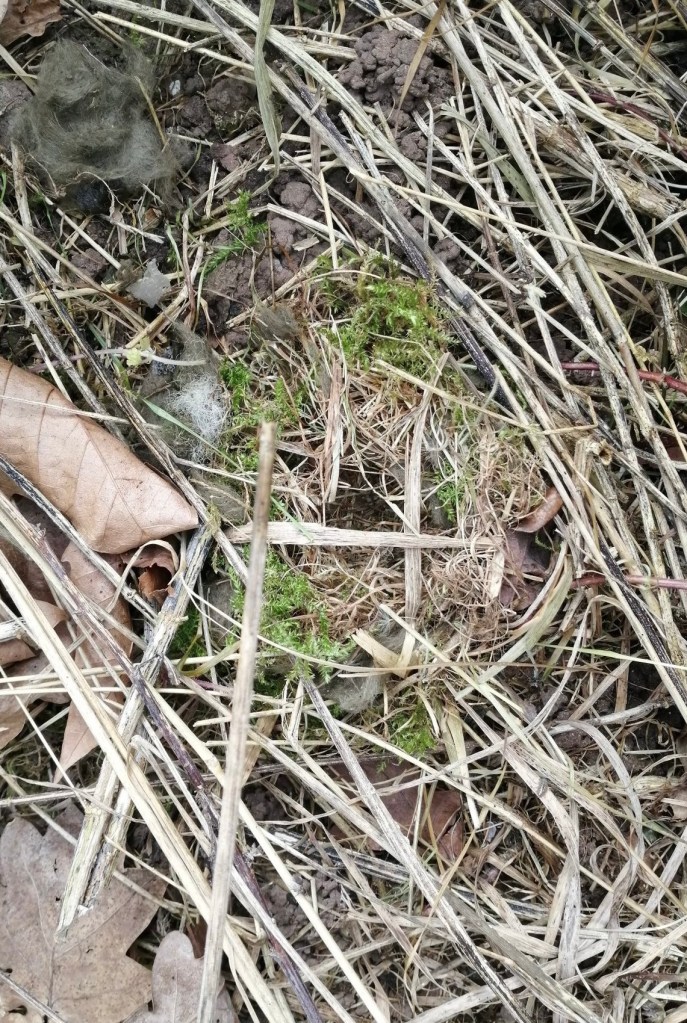
They will construct several homes dotted around underground in their territory, usually snug and warm and lined with dry grass, but in very cold winters Wood mice will occasionally venture into buildings which are not occupied by House mice. They are much more sophisticated in the construction of their living arrangements compared to House mice though, digging extensive networks of underground burrows with a multitude of tunnels, chambers, larders, and at the deepest, warmest and most secure part, a nest chamber, which will be especially well lined with the softest of insulation.
Opportunistic omnivores
The majority of a Wood mouse’s diet consists of seeds, with Acorns, Beech mast and Pine seeds providing a high percentage of protein, but they will snaffle up and stow away anything else they find which is edible; Blackberries, buds, bulbs, fungi, nuts, such as Hazelnuts, roots and seeds being favourites for stocking up the larder with.
They are alert and agile hunters and any small invertebrates which they find on their patrols will be considered fair game too, beetles, caterpillars, centipedes, snails, earthworms, grubs, moths, anything that moves really! The diet of those mice that live in wooded areas will have a much larger percentage of prey than those that live in more open habitats.
Woodmice tend to forage and hunt mostly at night but can occasionally be seen in daylight, maybe this is the equivalent of a human getting midnight munchies, but it’s more likely to be because they have such a high metabolism they need to constantly eat. As they forage they often pick up items like twigs or leaves to mark their trail, sometimes scenting them to make it easier to sense them in the dark, no other animal except the human is known to perform this way-marking behaviour.
A normal nights foraging for the Woodmouse will consist of two shifts, but in winter they will only venture out once, using a familiar and sheltered route to travel to and fro, in times of plenty the mouse may focus on stocking up its larders, and may be able to collect enough food to see it through the whole year, but having enough to sustain it through the winter is usually enough.

Live fast, Die young
Breeding season for Woodmice lasts most of the year, beginning in March and continuing through til October, although if the weather is suitable, and food plentiful breeding may occur all year long. Throughout winter a colony of Woodmice will establish communal nests containing both male and female mice, but when the breeding season begins females become territorial and will not tolerate any other females in their breeding territory.
The female mice are pregnant for about three weeks and give birth to a litter averaging around five young, which are born naked and blind and weigh only 2 grams. Parental care is given by the females only, with their offspring inheriting the nest once their mother has died, usually most breeding females will produce more than one litter in a season with the first pregnancy being the shortest.
Young Woodmice are fully weaned after about three weeks with the firstborn maturing in time to breed themselves before the end of the season, they need to crack on with it too, as the mortality rate for newborn Wood mice can be as high as 90% in their first year, and as the average life span of a Woodmouse is only around twenty months they really do have to live fast!
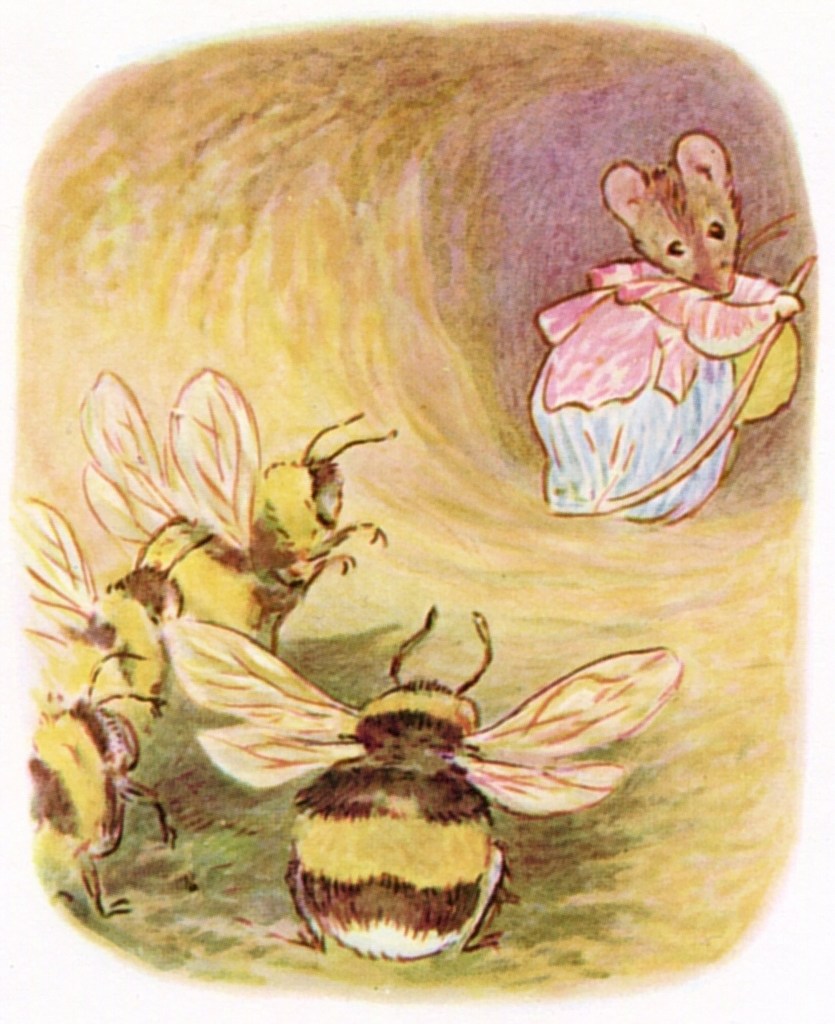
Mrs Tittlemouse and Babbity Bumble
A lot of people will have heard the Tale of Mrs Tittlemouse by Beatrix Potter, and might remember her consternation when she finds that Babbity Bumble has moved into her house. As with a lot of Beatrix Potter’s stories, which were based on her observations of the natural world, Bumblebees often do nest in mouse holes and both parties will tolerate, even ignore, each other’s presence.
The bees find the holes perfect places to nest, and the mice, well, it’s not known exactly how they benefit but it’s entirely possible they are protected from intruders by the bees. As Bumblebees pollinate the plants which produce the fruits and seeds which the mice eat, maybe there is some sort of unspoken agreement?
A B-H
 Northwest Nature and History
hey
cool blog 🙂 will give it a follow and a like !
https://ketodietrecipes.co.uk/
LikeLiked by 1 person
Hey there! Came across your post on the WordPress feed and couldn’t resist saying hello. I’m already hooked and eagerly looking forward to more captivating posts. Can’t seem to find the follow button, haha! Guess I’ll have to bookmark your blog instead. But rest assured, I’ll be keeping an eye out for your updates!
may i leave a link to my blog here? feel free to post a comment on my site and leave your link 🙂 helps both our sites !!
Hope to see your comment soon 🙂
https://pomeranianpuppies.uk/2023/04/18/common-health-issues-of-a-pomeranian/
LikeLiked by 1 person
Thank you 🙂
LikeLike
hey
lovely blog hope all is well
happy blogging.
https://ketodietrecipes.co.uk/
LikeLiked by 1 person
hey
cool blog 🙂 will give it a follow and a like !
LikeLiked by 1 person
Great Read Can i leave my thoughts ?! –
Thanks for reading , Love The Blog !!
Thanks – TheDogGod – http://www.pomeranianpuppies.uk
LikeLiked by 1 person