
(David Dunford)
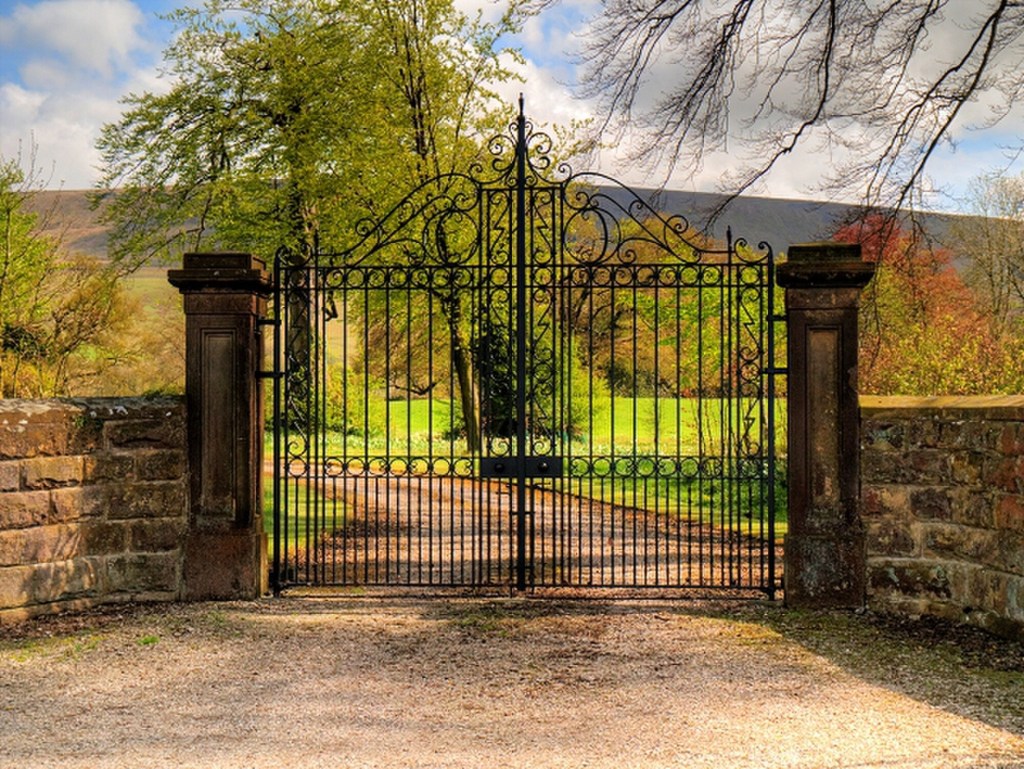
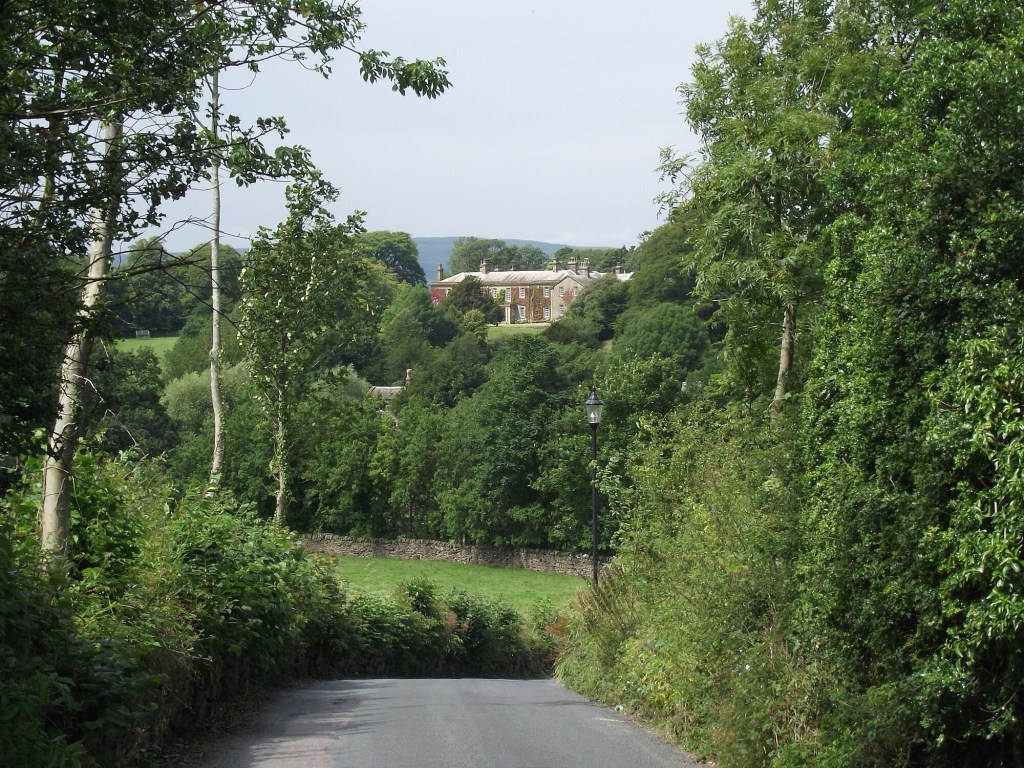
Downham Hall is the home of the Assheton family who own Downham estate, it was designed by architect George Webster in 1835 and built on the foundations of and with stone from an earlier sixteenth century hall.
It was rebuilt in a simple, classical style compared to other buildings that George Webster designed in order to fit in with the existing buildings in the village, which are built in what is termed a ‘vernacular’ style, simple, functional and using local materials.
There are some exceptions to this simple style that a family hall of this importance was thought to deserve, Doric columns at the front portico, or porch, square columns at a south facing porch, window aprons and architraves, these being ornate lintels or the stones which go across the tops of doors and windows and which are supported by the columns.
(David Dixon)
Lords of Clitheroe
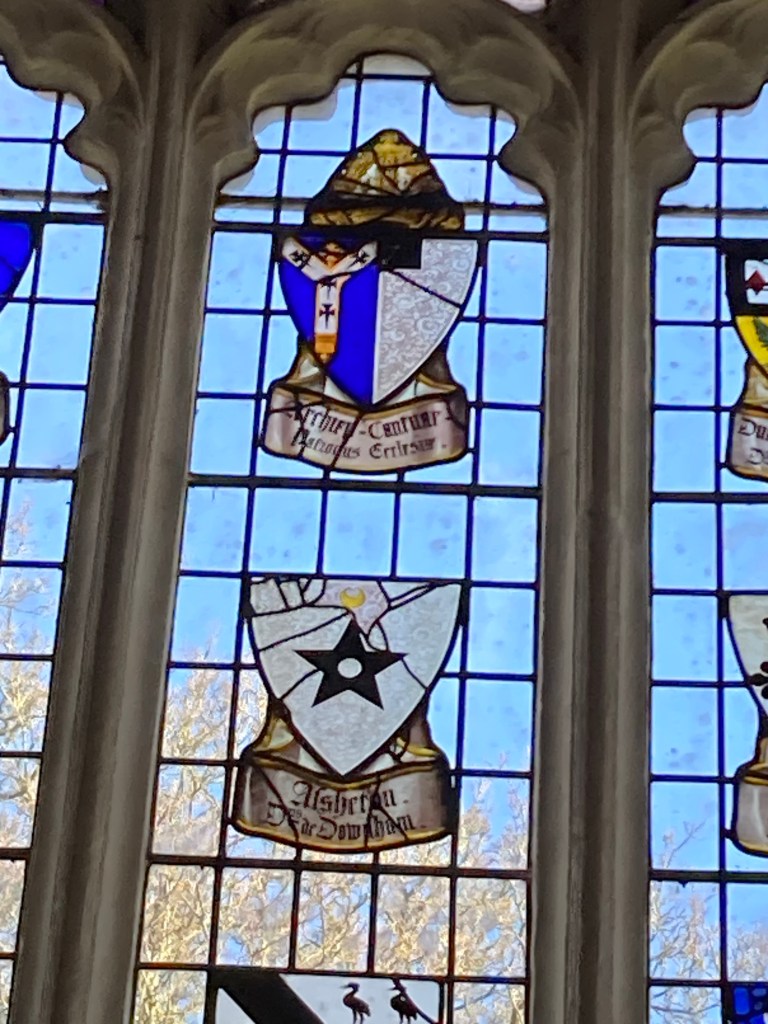
The building also bears the arms, or shields, of two previous lords of Clitheroe, Henry de Lacy, the third Earl of Lincoln and John of Gaunt, the first Duke of Lancaster, which are either side of the front portico.
The de Lacys were one of the large, powerful families which took part in the Norman conquest of the British isles in the tenth and eleventh centuries and they were awarded huge tracts of land around what is now Lancashire and Yorkshire including Clitheroe, they also once held the lordship of Bowland until it passed, by marriage, into the hands of the Duchy of Lancaster.
John of Gaunt acquired the Duchy lands and the estates of the de Lacy’s through this marriage in the thirteenth century and became one of the richest men in the country through this advantageous union of two families, he is the founder of the Royal House of Lancaster. (Such opportunistic acquisition of land like the Duchy estates and the rights to things like shooting and minerals is still going on right now)
(Phillip Platt)
The Refurbishment
Over the next few centuries the Assheton family and its branches held five estates between them but by the Eighteenth century only had ownership of Cuerdale and Downham estates. In the late seventeenth to early eighteenth centuries William Assheton inherited the estate and began refurbishing the hall.
As the family had so little money left however the refurbishment was abandoned, it was his son, also called William, that hired the architect George Webster in the eighteenth century to finish the work, hence the simple, and therefore cheaper, classical Greco-Roman style, which was conveniently in fashion at that time too.
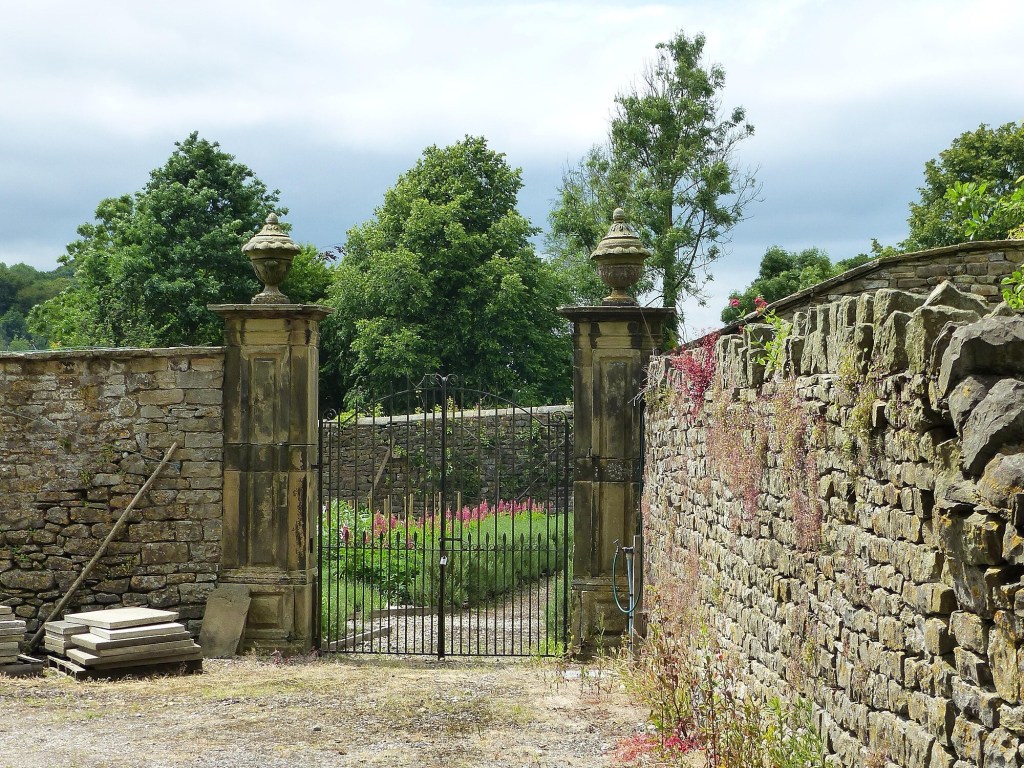
Starting just before the outbreak of the First World War in 1914 and restarting four years later at its end the hall was refurbished again to create the grade two listed building you can see now, the walled kitchen gardens created in the eighteenth century were retained as were the adjoining stables, also grade two listed.
A rockery was built as was a Beech avenue and a ha-ha, which is a sunken wall and ditch, all of which you can also see at Browsholme hall, further down the Ribble valley, the gardens of which were also redesigned in the eighteenth century to the fashions of that time.
The Hall now
The gardens, which have a wonderful view of Pendle and in which stands the famous ‘Trafalgar Beech’ are opened to the public several days a year and are currently cared for by a team led by famous gardener Suzanne Davis. They have recently been planted with a red-and-white rose garden of native British roses and some more exotic species to lend a modern twist, similar to the new gardens at Browsholme.
The present occupant of the building is Ralph John Assheton, who held unto this year the title of High Sheriff of Lancashire, born in 1929 he is the 2nd baron of Clitheroe, the founder and director of Bowland Bioenergy and chairman of Pendle Hill Landscape Partnership, previously he has been the chief executive of mining giant Rio Tinto and Yorkshire Bank, his father, also called Ralph, was famously Chairman of the Conservative party between 1944 to 1946.
(David Dixon)
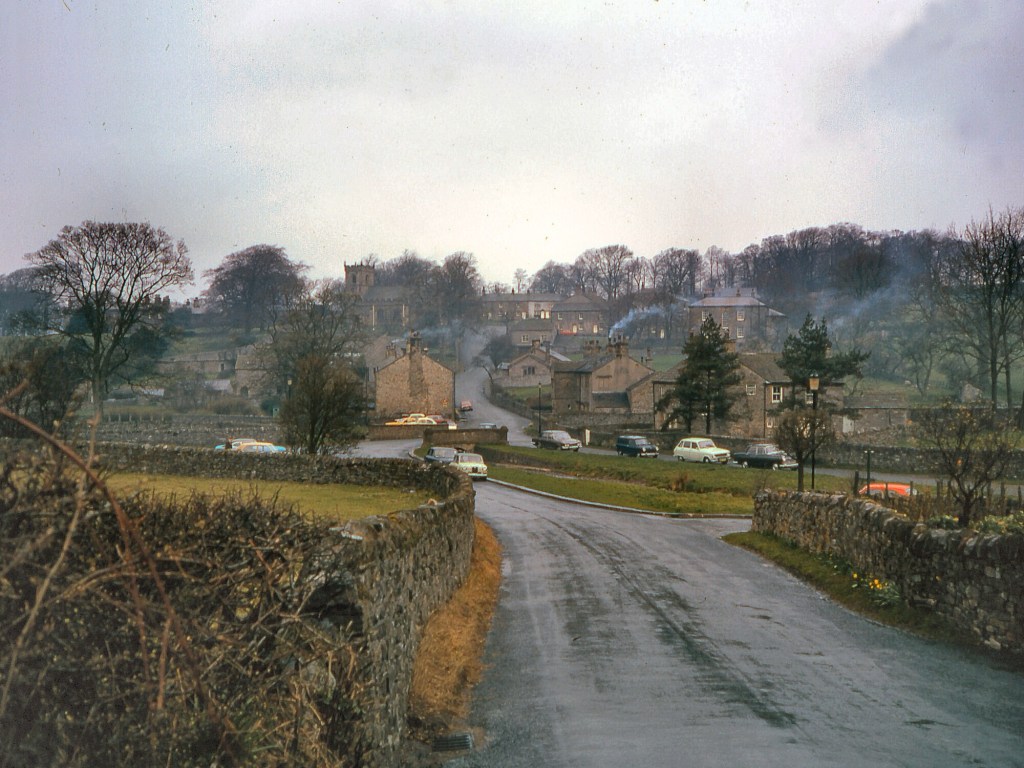
By the entrance to the hall is a large stone which legend has it marks the burial site of two Roman soldiers who died fighting the Brigantes, an indigenous tribe of ancient brits, and the hall was originally built here as it was the site of an important Norman trade route, so it has always had a lot of significance. Nowadays Downham is a quiet part of the Ribble valley although heaving with tourists in the summer as they flock to experience the village’s timeless charms and its long and ancient history.
A B-H
 Northwest Nature and History