
Hornby castle dates from the 13th century and sits, resplendent in its well-tended gardens and grounds, just outside the village of Hornby in the Lune valley, strategically situated near the confluence of the river Lune and river Wenning.
Its gardens are nationally famous and opened to the public several days a year but the hall itself is a private residence and only visitable by appointment.
The castle is also famous for its long and fascinating history, having been the centre of several pivotal moments in English history and having changed hands several times in the process.
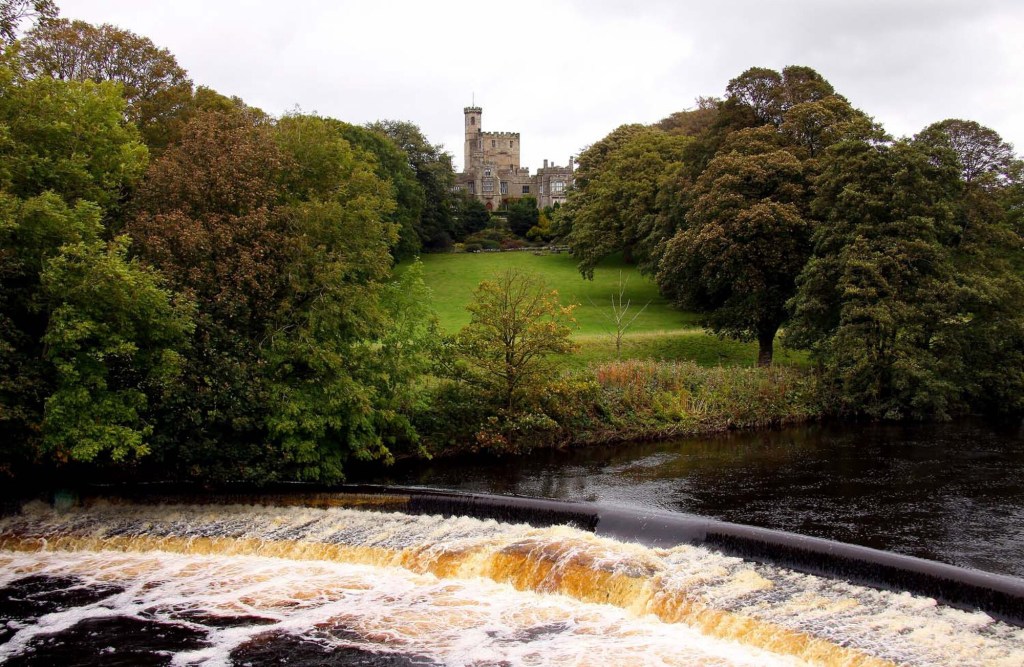
(Steve Daniels)
Here are some key moments and people of that history;
The castle was originally built in the 12th century on the foundations of an earlier medieval structure by the Neville family, who were key players in the War of the Roses, they called the castle home until the 1500s.
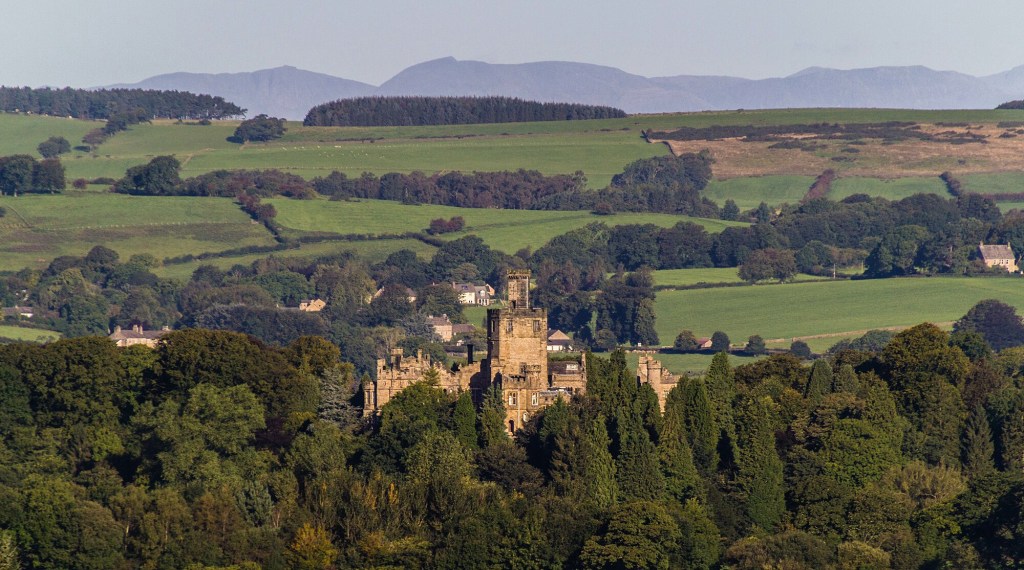
In the 1500s the owner of the castle was Baron Monteagle who played a major role in 1536 in the suppressing of the Rising of the North, which was an unsuccessful attempt by Catholic nobles from Northern England to dethrone Queen Elizabeth of England and replace her with Mary Queen of Scots. He added the Polygonal tower you can standing proud above the treetops as you pass.
His son inherited the estate and on dying in 1581 was succeeded by his only daughter, Elizabeth, who married Edward Parker, the 12th Baron of Morley. Their son William was made the fourth Baron Monteagle, famous as the peer who warned about the Gunpowder Plot in 1605.
16th and 17th centuries
During the English Civil War the castle was captured by Colonel Assheton, commander in chief of the parliamentary forces in Lancashire, and briefly occupied in 1648 by the Duke of Hamilton and his Scottish army, although the owners eventually managed to get back control of it.
For the next few decades the estate run into financial difficulties and in the 1700s was bought by the infamous ‘rake’ Colonel Charteris, an infamous womaniser, gambler and investor in the South Sea Bubble who was accused of raping a servant but pardoned from the subsequent death sentence.

1800s to now
A few more years of uncertainty and legal fighting over wills and inheritances eventually led to the castle being inherited in 1859 by Richard Pudsey Dawson, who eventually sold it to John Foster a textile merchant from Bradford who had it rebuilt in the gothic architectural style you can see now.
Over the course of the estates turbulent history much of the land was sold off including the nearby villages of Wennington and Hornby, but the surviving estate is still quite substantial and absolutely stunning to view from the surrounding countryside.
I’ll take a deeper dive into the history of the castle and its many influential and eccentric owners in the future but for now, if you would like to visit yourself, why not have a look at Hornby Castle’s website to find out about the garden’s open days and other events held there throughout the year.
A B-H
 Northwest Nature and History
Beautiful article ✍️
LikeLiked by 1 person