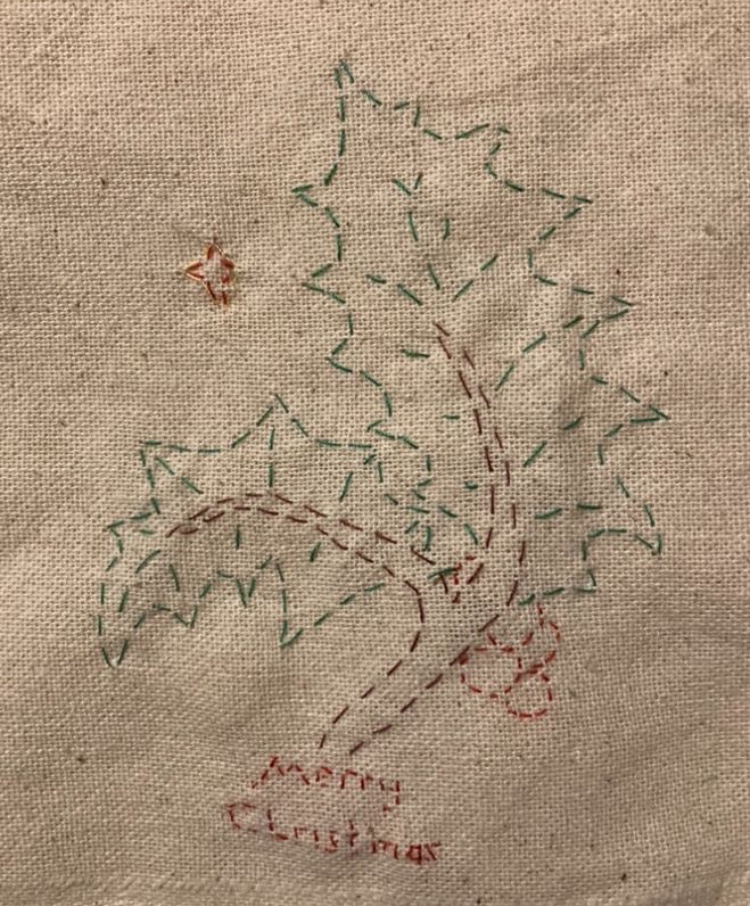
Holly, scientifically known as Ilex aquifolium, from acus, meaning ‘needle’, and folium, meaning ‘leaf’, is more than just a decorative element during the Christmas season; it’s also a plant steeped in tradition, mythology, and symbolism.
Historical Significance
It has been a symbol of the winter solstice since pre-Christian times, its evergreen leaves representing the continuity of life even in the darkest times of the year, symbolising hope, protection, and eternal life. In ancient Rome, holly was used during the festival of Saturnalia, which was held each December to celebrate Saturn, the god of time, abundance and renewal.
As well as the Romans our other ancestral races held the Holly in high esteem, the Pagans, Anglo-saxons and Celts also brought its spiny leaves into the home over the winter solstice and Yule season, hence the origin of the song Deck the Halls with boughs of holly.

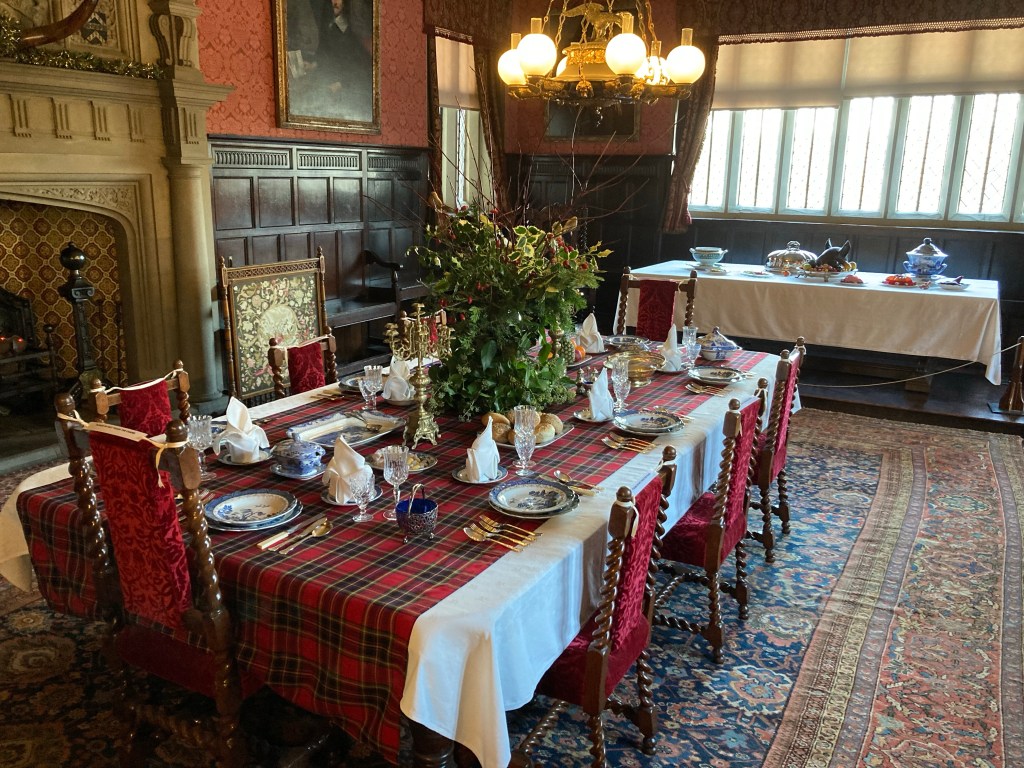
They believed it to offer protection against malign spirits, lightning, and misfortune and used it to decorate their homes, particularly around doorways and windows, which is why we place holly wreaths and garlands in these locations today. Sprigs and branches which bear its bright red berries are particularly powerful as they represent fertility, vitality, and good luck.
The Celts, animists who believed in ‘Anam cara’, the concept that the souls of man and nature are intricately intertwined, linked the Holly with a deity known as the Holly King, a figure who ruled over the darker half of the year, perhaps a predecessor of the modern day Father Christmas, though he seems to be an amalgamation of many similar entities.
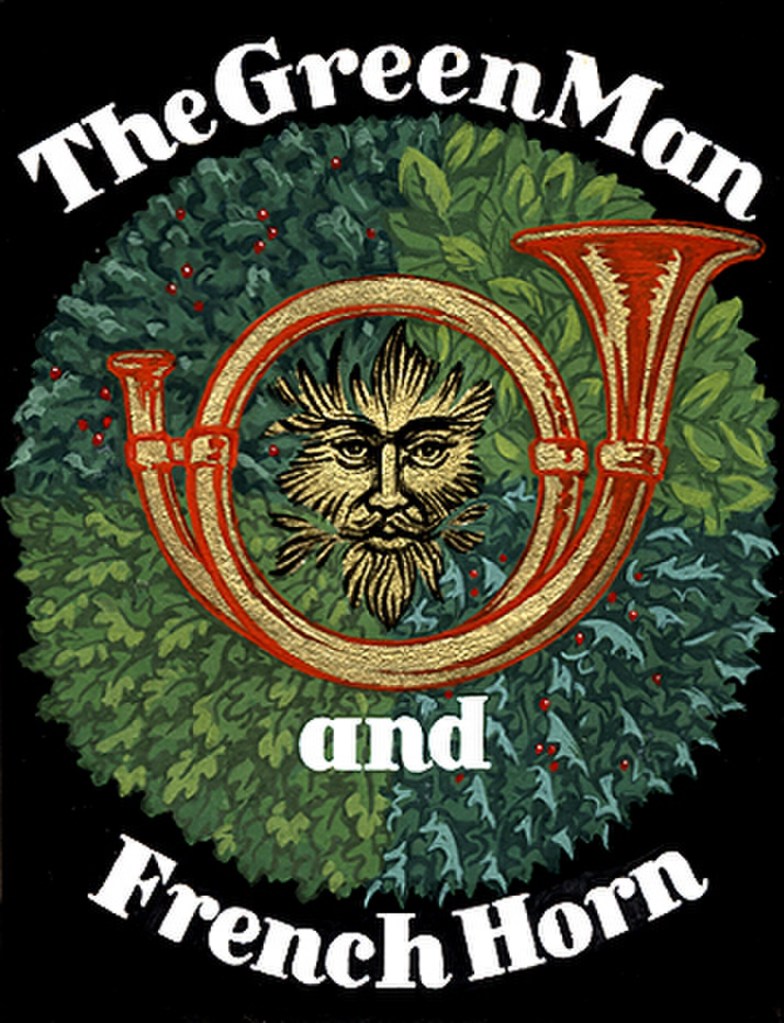
The Holly King was seen in opposition to the king of the lighter half of the year; the Oak King and both were regarded as dual aspects of the Green Man, battling for dominance over the world.
They were thought to fight each other twice a year, at each solstice, with one always being defeated and retreating to allow the other to rule. Thus illustrating the balance between light and darkness, growth and rest, summer and winter.
Christian Symbolism
With the rise of Christianity holly found a new layer of symbolism, the spiny leaves becoming representative of the crown of thorns worn by Jesus Christ and the red berries symbolising the drops of his blood. It became customary to bring holly into the home at Christmas, not just for decoration but in remembrance of him and as a protective charm against satanic influences.
Another legend has it that the Holly was originally deciduous, and when the holy family fled from King Herod they hid beneath its leafless branches to pray for protection. Miraculously its strong prickly leaves grew back to conceal them, and it has remained evergreen ever-since.
Folklore and Tradition
In British folklore, holly has long been considered protection against witches and lightning and like the Ash it was often planted near homes for this purpose. There is also a very old tradition where holly was used in a game to decide who would rule the household for the coming year; if a holly branch with berries was brought inside first, it signified the woman of the house would rule, whereas a branch without berries favored the man.
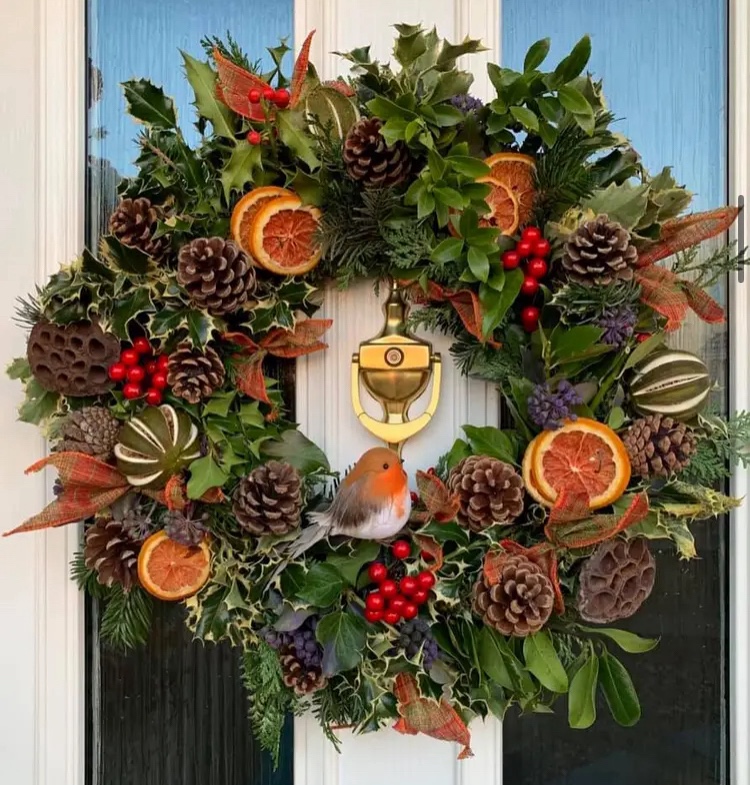
Evergreen in its nature Holly is as ever a popular choice for Christmas decorations, its bright red berries and glossy green leaves having become iconic and widely used in wreaths, tinsel and the designs of cards and wrapping paper. Mainly as, beyond its aesthetic appeal, it also strongly represents ideals of peace and strength, and perhaps most contemporarily it is a reminder of nature’s resilience.
Environmentally Important Evergreen
Like the Yew, another species native to the British isles that has even more ancient connections with winter, and Juniper, the original christmas tree, Holly is of course an evergreen, and ecologically this makes it an enormously important plant.
Its leaves provide rare shelter from the elements during the winter months and its berries food for birds, both native and migratory. Due to its ability to resist the elements and grazing animals it has long been planted to form hedgerows, although herbivores, like deer, will browse its leaves if hungry enough, which leads us to an interesting botanical phenomenon.
Heterophyllous Holly
Although Holly has evolved spiny leaves to combat browsing this prickliness is found mostly in leaves below 2.5 meters, the average reach of an adult Red deer, above that the leaves tend to be smoother and therefore more efficient. This characteristic is called Heterophylly and is discussed in more detail in this fascinating article in the journal of the Linnean Society.
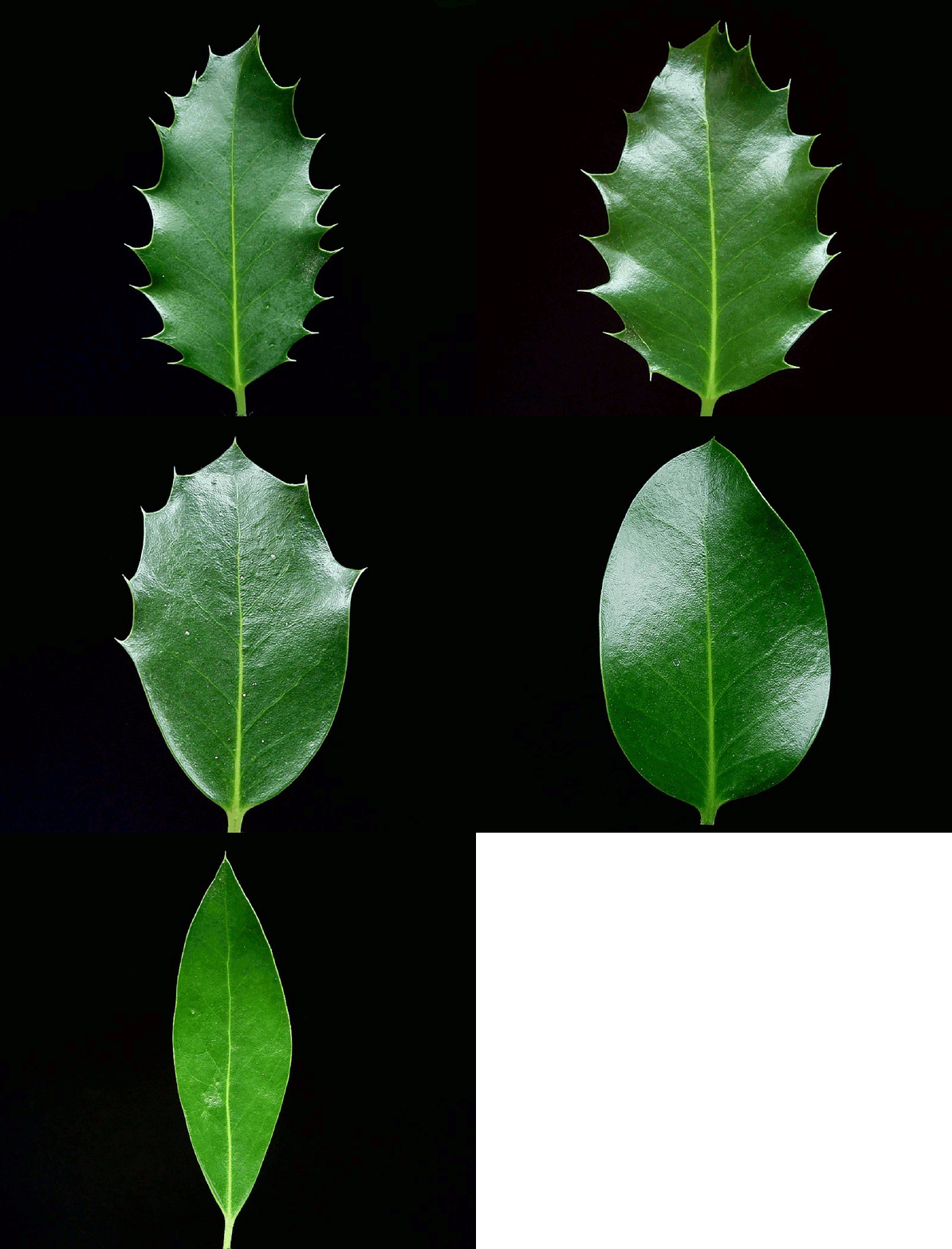
(Frank Vincentz)
Sustainably Sourced
Whilst the Holly may be a handsome shrub, great for adding to the festive ambiance of the household, if too many of us cut it from our local hedgerows this will diminish them and take away shelter from the creatures which need it so much, which is hardly in the spirit of Christmas! So it’s important to source it sustainably.
Perhaps the best way of doing this is to purchase it from a supplier that grows it themselves, or if you have a garden you can grow it yourself and harvest a few sprigs every winter with your family, maybe making a special and symbolic occasion out of it, and enjoying its beauty and protection through the rest of the year.
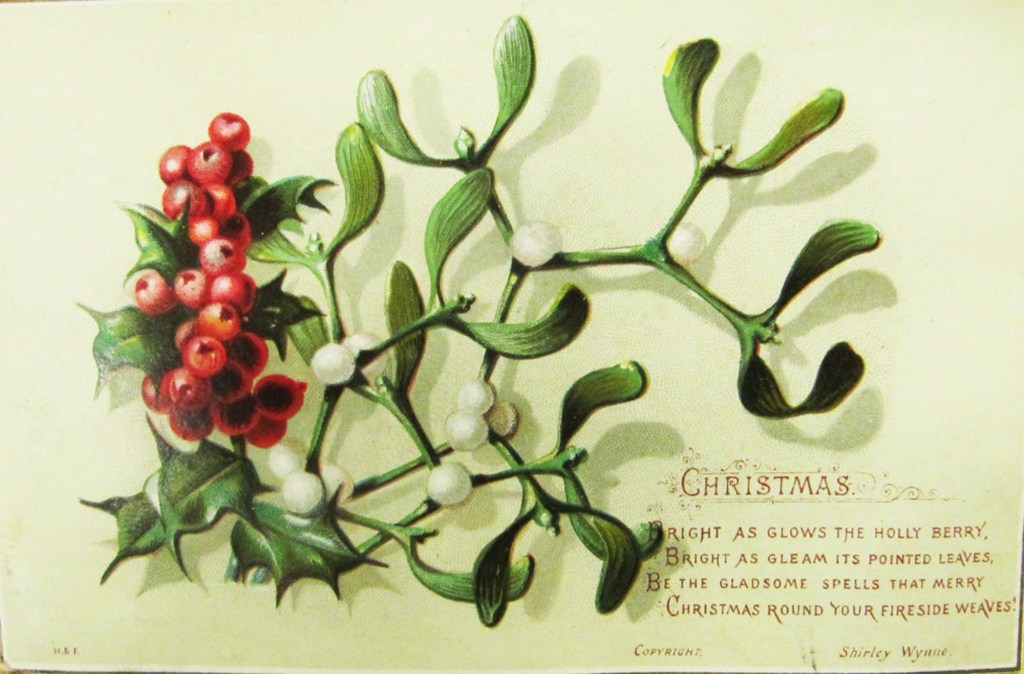
Bright as gleams its pointed leaves
be the gladsome spells that merry
Christmas round your fireside weaves
When we went to gather Holly
By Seamus Heaney
It rained when it should have snowed.
When we went to gather holly
the ditches were swimming, we were wet to the knees, our hands were all jags and water ran up our sleeves.
There should have been berries
but the sprigs we brought into the house gleamed like smashed bottle-glass.
Now here I am, in a room that is decked with the red-berried, waxy-leafed stuff, and I almost forget what it’s like
to be wet to the skin or longing for snow.
I reach for a book like a doubter and want it to flare round my hand,
a black-letter bush, a glittering shield-wall cutting as holly and ice.
A B-H
(Dec 2024)
 Northwest Nature and History
Thank you. A very interesting read. Next time I’m out, I’ll have a closer look and see if I can identify that change in leaf shape. I’ve never noticed it before. Very cunning. I must admit to snipping a tiny sprig from a secret little bush I know, a few leaves and berries to go on top of our Christmas cake.
LikeLiked by 1 person
Been out today in glorious Bowland sunshine, taking a closer look at the Holly Trees’ heterophylly. Thanks for the information.
LikeLiked by 1 person