Oh! Come Across the Fields,
by Edwin Waugh
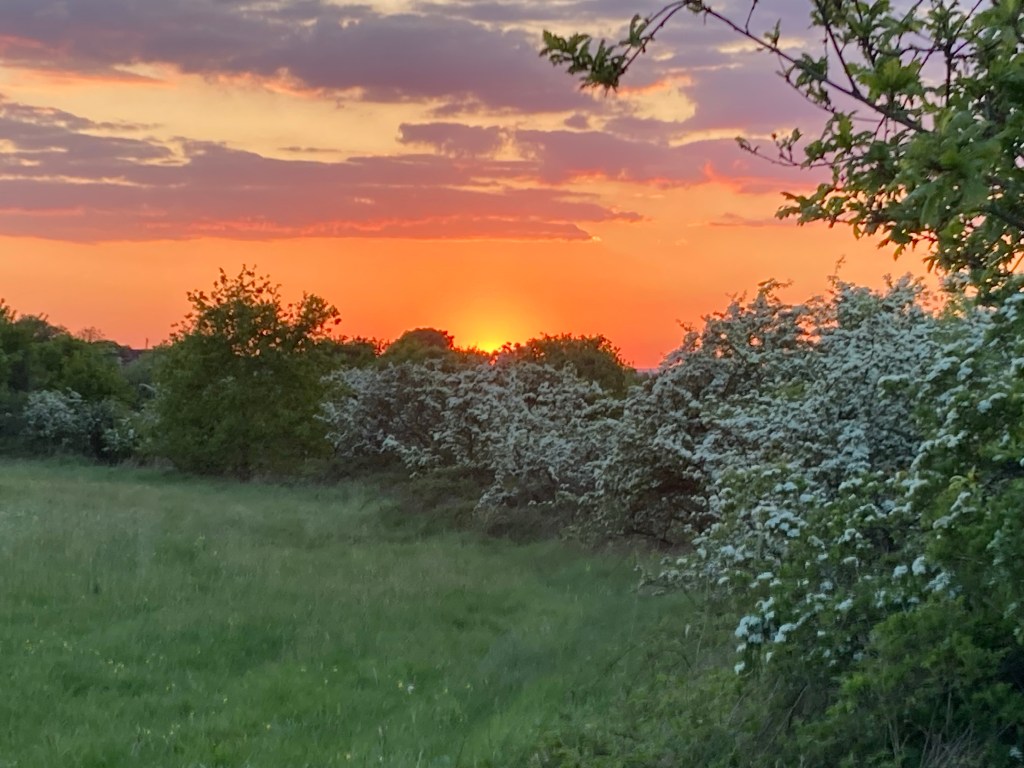
Now, from dreary winter’s dream awaking, glad nature robes herself to meet the spring;
Hark, how the blithesome birds are making, among the trees their songs of welcoming!
Oh, come across the fields, my love, and through the woods with me;
As nature moves toward the spring, So moves my heart to thee, my love,
So moves my heart to thee!
II.
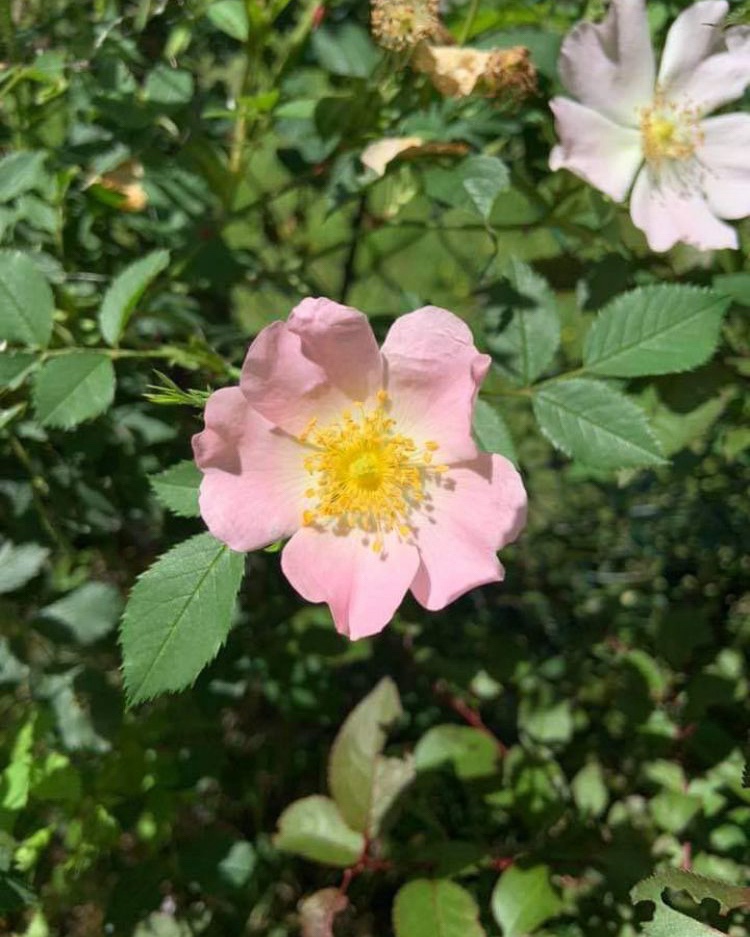
See, from their silent shelters sweetly peeping, the budding wild-flowers steal with timid glee;
See the soft fresh verdure, gently creeping, is mantling over the delighted lea!
Then come across the fields, my love, and through the woods with me;
As nature moves toward the spring, so moves my heart to thee, my love,
So moves my heart to thee !

III.
Oh! listen, love; it is the throstle’s carol, in yonder elm-tree ringing loud and clear;
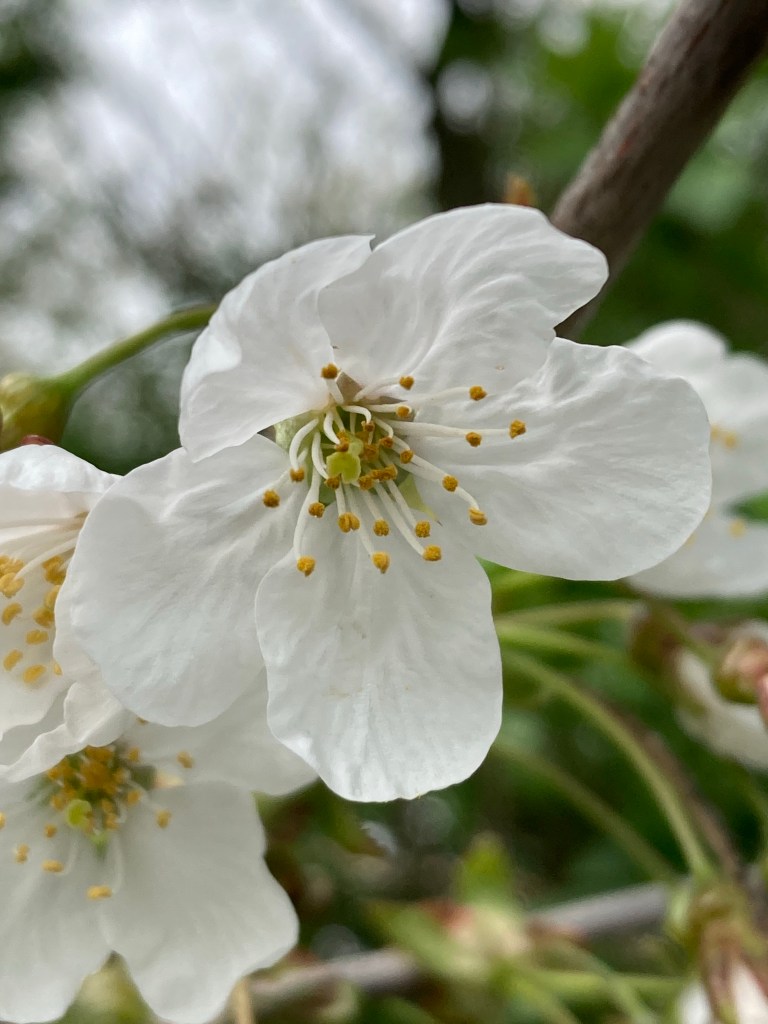
“First come the buds, and then the bonny blossom, the golden summer time will soon be here!”
Then come across the fields, my love, and through the woods with me;
As nature moves toward the spring, so moves my heart to thee, my love,
So moves my heart to thee!
IV.
My heart is like a flowerless wintry wild, where tuneless joy sits lone, with folded wing, until thy beauty comes, enchantress mild,
To melt the gloom, and make the flowers spring!
Oh, shine upon this longing heart, and I thy charms will sing, for thy sweet re-appearing
Is like another spring, my love,
Is like another spring!
Lancashire’s Burns
The Victorian Poet Edwin Waugh, known as “Lancashire’s Burns,” was born 1817 in Rochdale, Lancashire, to a shoemaker’s family.
After his father’s death at the age of nine, Waugh faced poverty but was taught to read by his devout Methodist mother. Apprenticed to a printer when twelve, he developed a love for literature, particularly Lancashire’s history and poetry, influenced by Robert Burns and John Collier.
Waugh gained fame for his Lancashire dialect poems, notably “Come Whoam to Thi Childer an’ Me” (1856), and prose works like Sketches of Lancashire Life (1855). By 1860 he had become a full-time writer, known for vivid depictions of working-class life. Despite personal struggles, including a turbulent marriage, Waugh was celebrated for his humor, pathos, and dialect recitations.
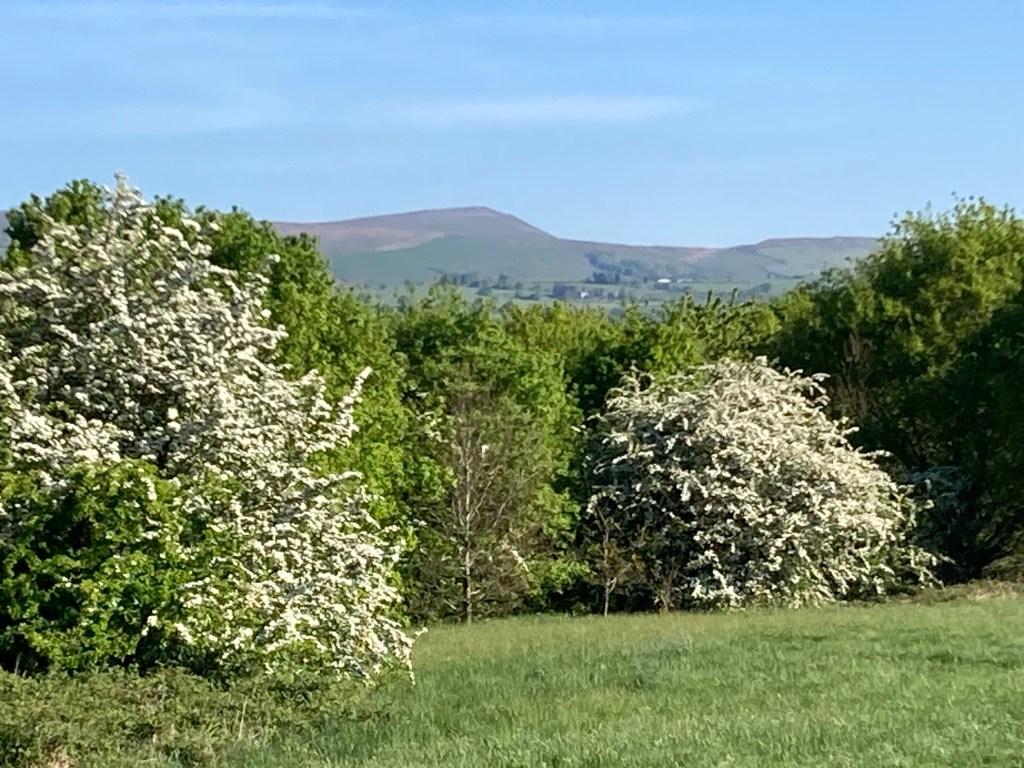
He died in New Brighton, Cheshire, in 1890 and is commemorated with Waugh’s Well on Scout Moor above his hometown of Rochdale.

(Michael Ely)
A B-H
(May 2025)
 Northwest Nature and History