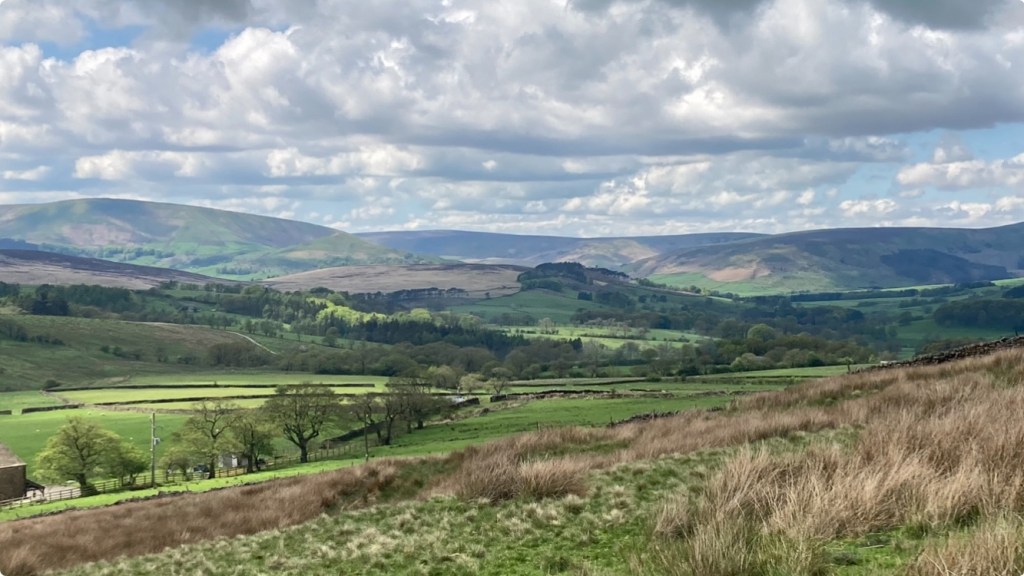
The Haweswater Aqueduct delivers water from Haweswater Reservoir in the Lake District to over two million people throughout Cumbria, Lancashire, and Greater Manchester.
It’s a 110km/82 mile-long pipeline, carrying up to 100 million gallons per day under gravity induced flow, built in the 1930s to 1950s and is currently undergoing extensive upgrades.
This refurbishment is part of United Utilities’ ambitious Haweswater Aqueduct Resilience Programme (HARP) which aims to replace the aging water tunnels to ensure a reliable water supply in the future.
While the project is critical for water security, its construction has sparked significant concerns among the communities of the Hodder Valley, within the Northwest’s protected Forest of Bowland Area of Outstanding Natural Beauty (AONB).
Here we briefly investigate the Bowland Tunnel section of the refurbishment project and the impacts it is having on local communities, drawing on local perspectives and media coverage.
The Bowland Tunnel Refurbishment: An Overview
The HARP project involves replacing six underground tunnel sections of the Haweswater Aqueduct, with the Bowland Tunnel being a key segment.
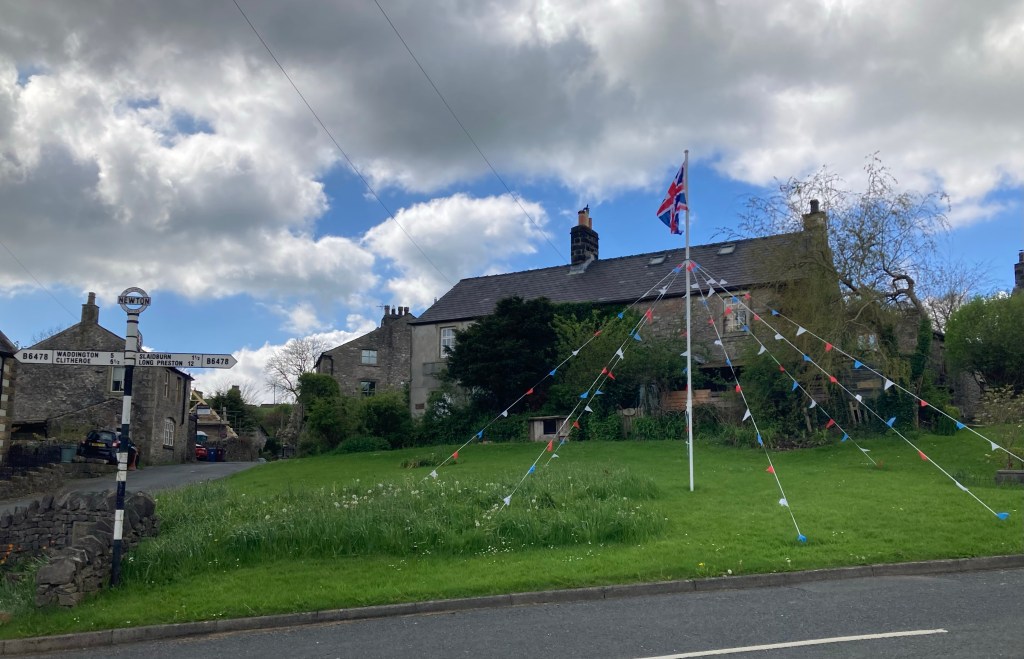
The work in the Bowland section includes constructing a new tunnel using a Tunnel Boring Machine (TBM), launched from a compound near the Hodder valley village of Newton-in-Bowland and received at Bonstone Brook to the South, with additional works at Braddup, above the Ribble valley villages of Bashall Eaves and Cowark.
The project entails significant temporary infrastructure, including:
- Construction Compounds: Major working areas at Newton-in-Bowland, Bonstone, and Braddup, with the Newton compound serving as the primary hub for TBM operations. These compounds involve site cabins, material storage, and parking, split across local roads like Newton Road.
- Temporary Bridges: A bridge over the River Hodder to create a haul road, reducing construction traffic through Newton-in-Bowland, and another over the River Ribble between the villages of Waddington and West Bradford.
- Haulage Routes: Designated routes for Heavy Goods Vehicles (HGVs) transporting materials and up to 1.5 million tonnes of tunnel waste to Waddington Fell Quarry. Routes include sections through Waddington and Slaidburn Road, with proposed road widening and junction modifications.
- Construction Timeline: The Bowland section is expected to take around seven years, starting last year (2024) with peak activity during the two-year TBM operation. Some night work is planned for an eight-week period.
United Utilities has emphasised extensive consultation with communities and stakeholders since 2020, claiming the project meets regulatory standards from OFWAT and DEFRA and aligns with AONB protections.
Measures like temporary bridges and environmental safeguards, such as a bridge over a Biological Heritage Site, aim to minimise disruption.
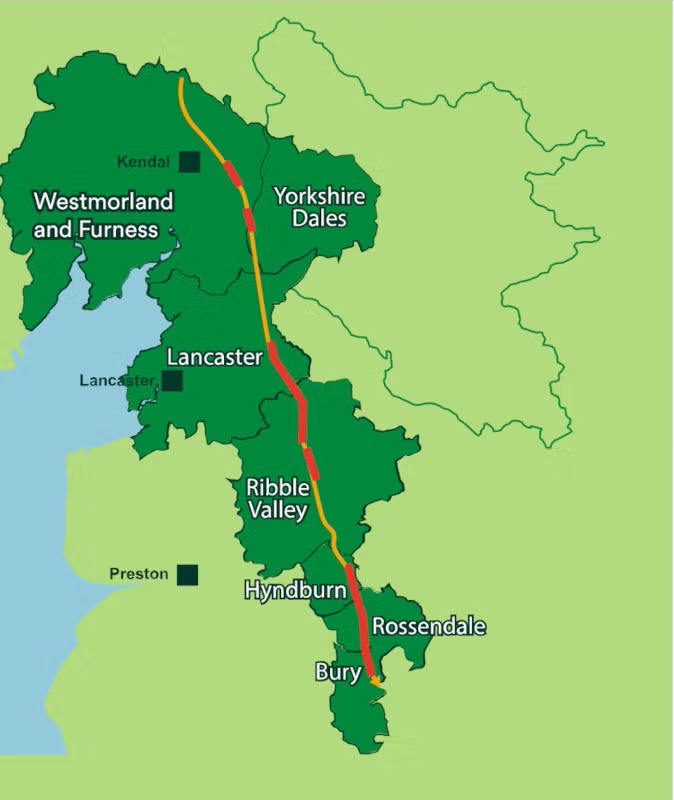
(United Utilities)
Impacts on Hodder Valley Communities
The Hodder Valley, in which the villages of Newton-in-Bowland and Slaidburn sit, is renowned for its beauty, tranquillity and history, and the local economy is heavily reliant on tourism, agriculture, and small family-owned businesses.
The HARP project has raised significant concerns about its social, economic, and environmental impacts, as voiced by residents, parish councils, and local councillors.
1: Economic Disruption
The Forest of Bowland’s £350 million annual economic turnover, driven by tourism, hospitality, and agriculture, is at risk, along with assets valued at £1.3 billion. Local businesses, including hotels, pubs, wedding venues, and village shops, fear a decade-long decline due to construction disruptions.
- Tourism and Hospitality: The influx of HGVs, road alterations, and construction compounds could deter visitors, threatening businesses that rely on the area’s scenic appeal. Objectors argue that the lack of a comprehensive economic impact assessment underestimates the potential for business closures.
- Agriculture: Farms face disruptions from land use for compounds and haul routes, with concerns about dust, noise, and vibrations affecting livestock and spring-fed water supplies. Farmers who have diversified into recreational businesses are particularly vulnerable.
- Calls for Independent Assessment: Councillor Kevin Horkin has repeatedly urged the Ribble Valley Council to commission an independent economic impact survey, arguing that the project could “destabilise parts of the rural economy.” As of March 2025, the council has delayed this assessment until a main contractor is appointed, prompting criticism for inadequate planning.
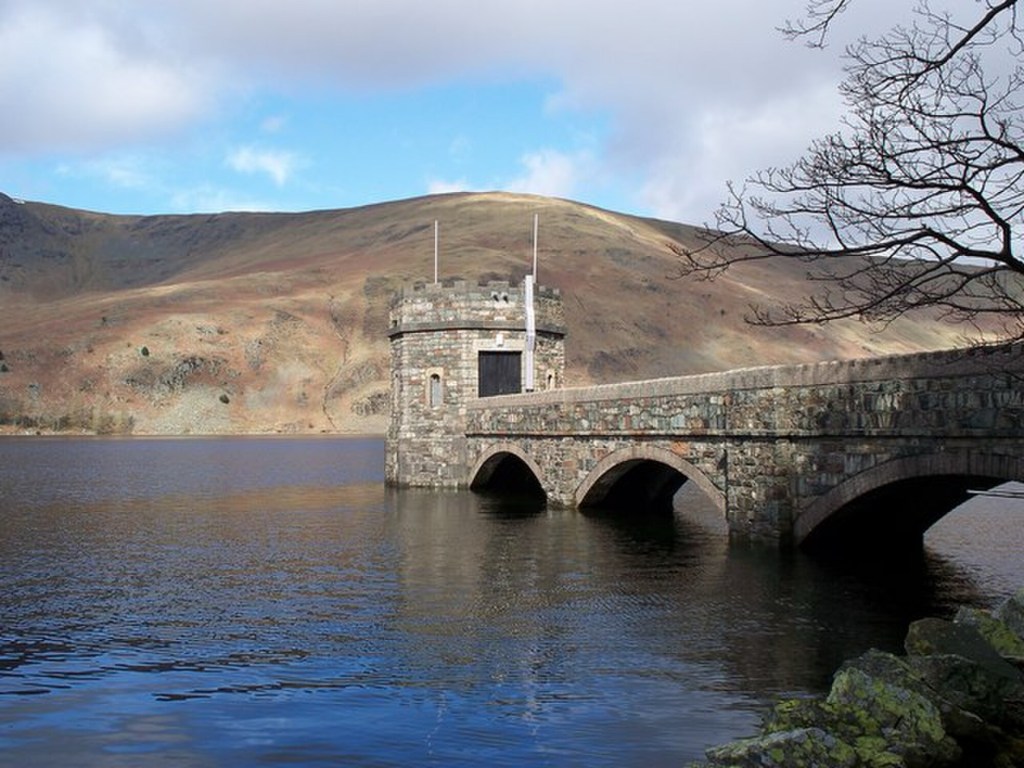
(James T. M Towill)
2: Traffic and Infrastructure Strain
Construction traffic is a major concern, with HGV movements projected at 5 to 35 per hour on various routes, peaking at 90 two-way movements daily on some sections.
- Village Congestion: In Waddington, residents fear HGVs crossing a listed bridge with a 7.5-tonne weight limit could damage historic structures and narrow lanes. The proposed route through the village center has sparked calls for alternative haulage paths to avoid “shaking the village to bits.”
- School and Community Safety: Grindleton Parish Council highlighted peak-time traffic conflicts near schools, alongside disruptions to community services like the mobile library and school bus routes.
- Road Alterations: Temporary road widening, passing places, and traffic management measures (e.g., speed restrictions and traffic lights) aim to accommodate HGVs but may alter the rural character of the valley. Residents question the adequacy of these mitigations and the council’s ability to enforce conditions.
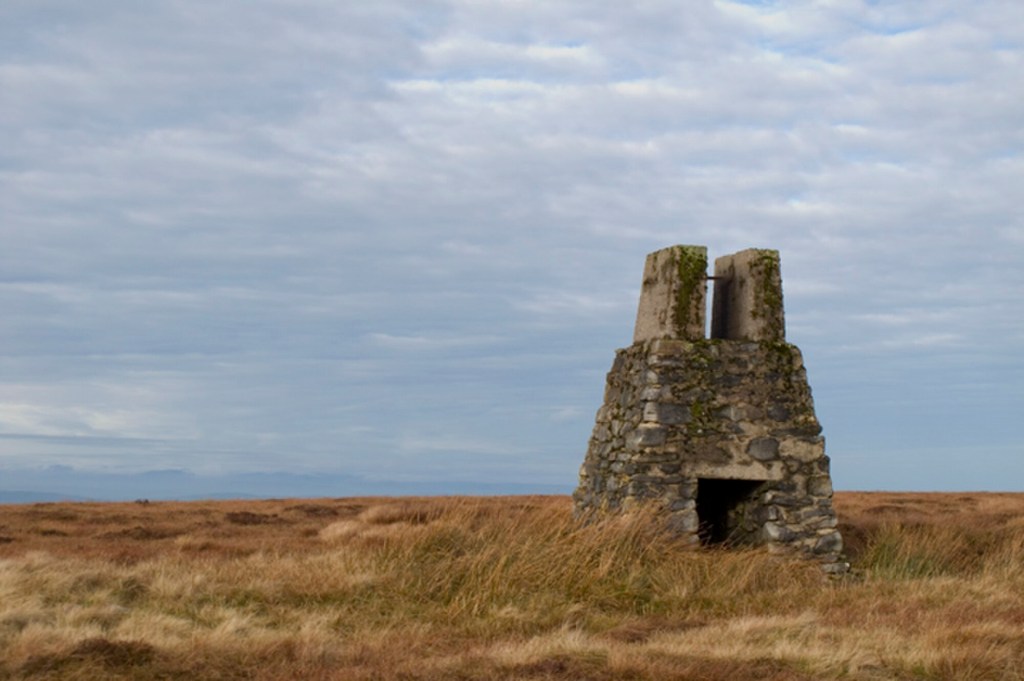
(Image: Tom Richardson)
3: Environmental and Cultural Impacts
The Forest of Bowland AONB, designated in 1964, is a nationally protected landscape. Critics argue that the project threatens its ecological and cultural integrity.
- Environmental Risks: Concerns include water pollution risks to Salmon in the River Ribble and Hodder, potential damage to Biological Heritage Sites, and the removal of hedgerows, trees, and dry-stone walls. United Utilities’ environmental safeguards, like temporary bridges, have not fully alleviated fears.
- Cultural Heritage: The Hodder Valley’s 1,000+ year history, shaped by community stewardship, is at stake, according to objectors like David Spencer and Mel Shutes. They argue that construction compounds and haul routes could irreparably scar the landscape, undermining its appeal for future generations.
- Recreational Access: The lack of an impact assessment on recreational activities, vital for local businesses and residents, has fueled objections. Footpaths and rural roads used for walking and cycling may face temporary closures or reduced accessibility.
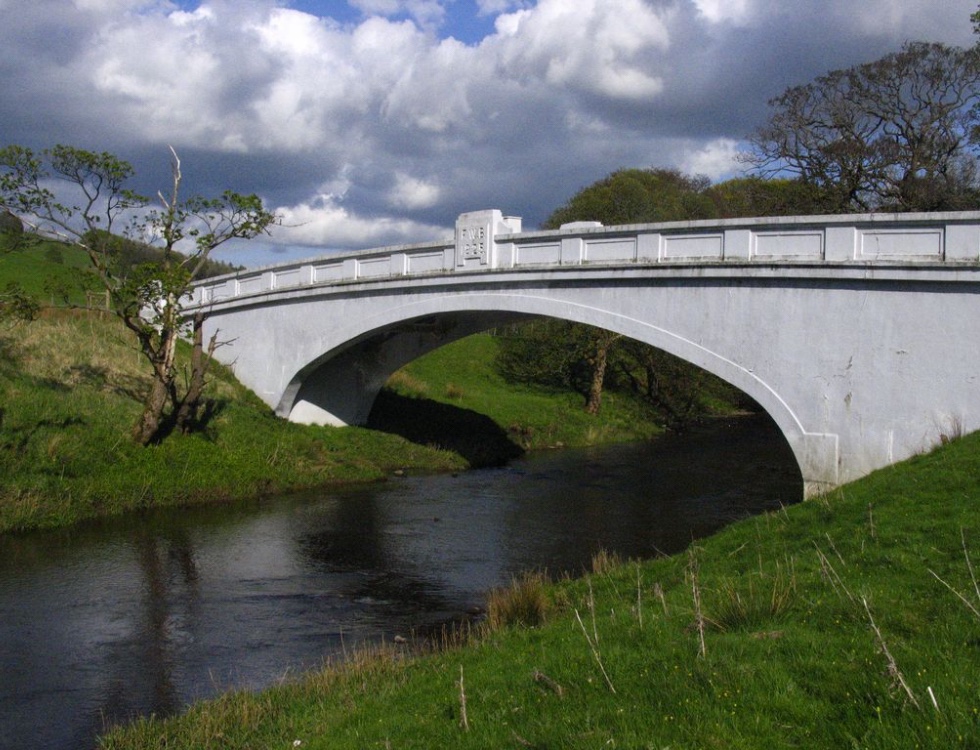
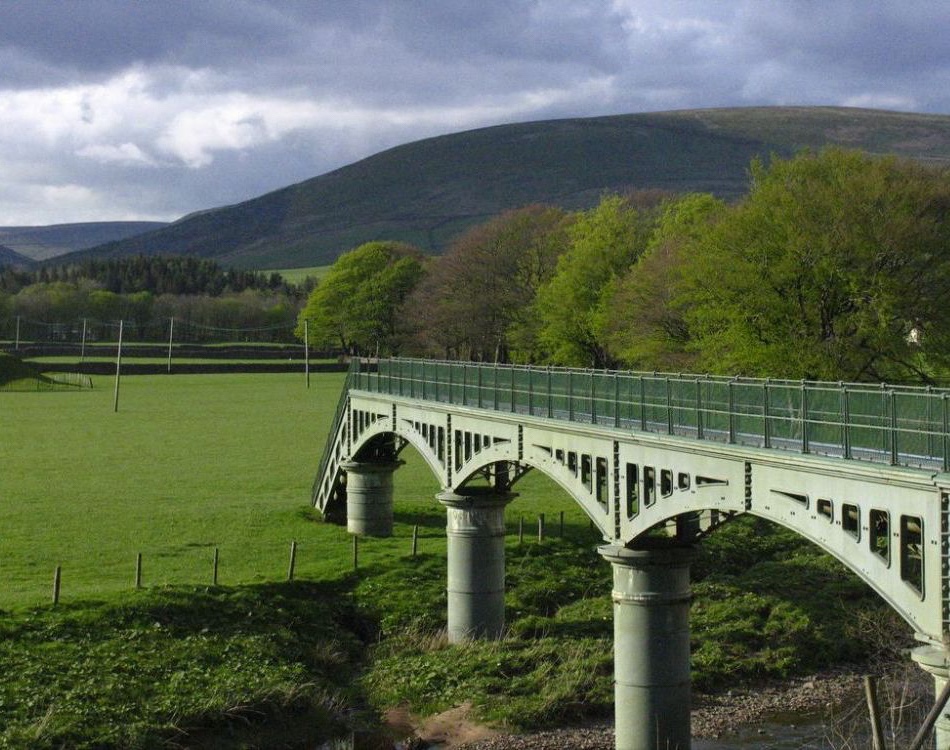
4: Social and Community Concerns
The prolonged construction timeline—up to eight years for the entire HARP project—has raised fears of community fatigue and division.
- Quality of Life: Residents anticipate noise, dust, light pollution, and vibrations from construction, particularly during night work. In Newton-in-Bowland, the main compound’s proximity to homes has heightened anxieties.
- Community Advocacy: Parish councils, including Grindleton and Newton, have actively voiced concerns, with individuals like Lorraine Halley and David Spencer leading efforts to demand better protections. Objectors have called for the project to be “called in” by the Secretary of State for national scrutiny, reflecting distrust in local decision-making.
- Perceived Inequity: Councillor Rosie Elms noted that Hodder Valley residents feel they bear the burden of a project primarily benefiting Greater Manchester, with no direct local benefits. This sentiment has fueled resistance and calls for alternative solutions, such as refurbishing existing tunnels.

The city’s population has grown by over 10% since 2013, and so has its demand for water
United Utilities’ Response and Mitigation Efforts
United Utilities has defended its plans, emphasising the necessity of replacing outdated infrastructure to safeguard water supplies. The company claims to have consulted thousands across Cumbria, Lancashire, and Greater Manchester, amending plans based on feedback. Key mitigation measures include:
- Traffic Management: Designated HGV routes, a Clitheroe marshalling site, and road strengthening to minimise village disruptions.
- Environmental Protections: Temporary bridges to avoid sensitive sites and commitments to reinstate areas to their original or better condition post-construction.
- Community Engagement: Ongoing dialogue with local councils and residents to address concerns, with promises to work closely during construction.
However, critics argue that these measures fall short, citing insufficient scrutiny of alternatives and a lack of transparency about long-term impacts. The conditional approval by Ribble Valley Council in March 2023, pending a legal agreement, has not quelled opposition, with objectors awaiting a potential government review.
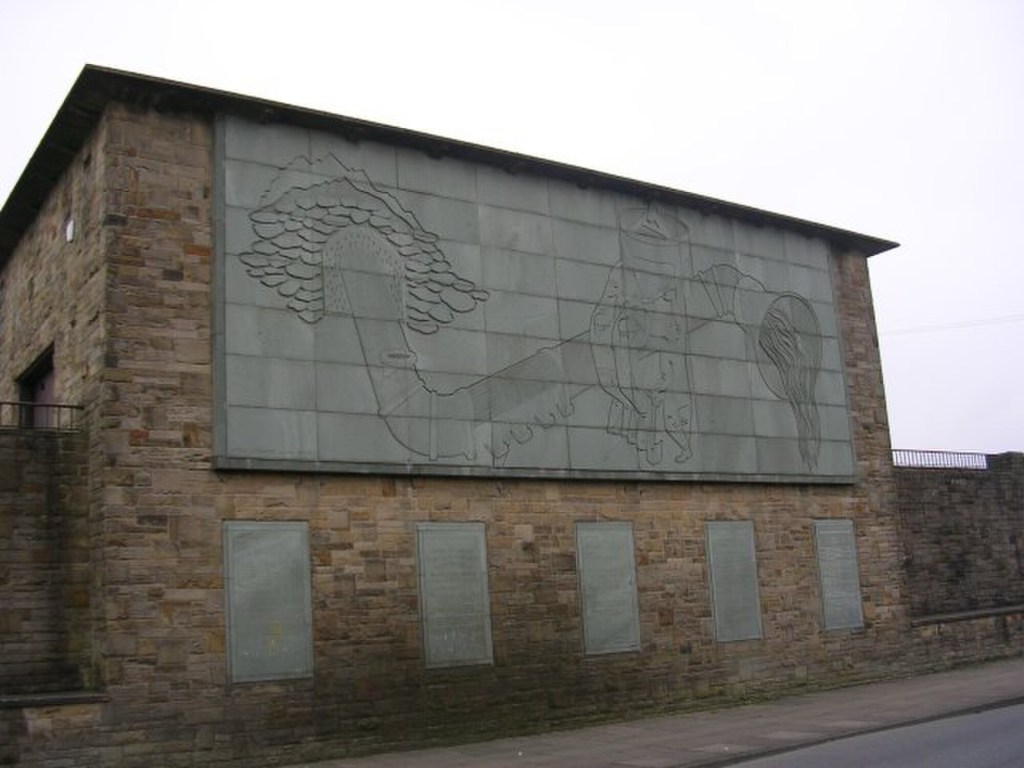
The aqueduct terminates here at Heaton Park Reservoir. The bas relief on the wall of this building depicts the pipeline. The plaques below the relief detail significant facts concerning its planning and construction
(Keith Williamson)
Looking Ahead: Balancing Progress and Preservation
The refurbishment of the Bowland Tunnel underscores the tension between essential infrastructure upgrades and the preservation of cherished rural landscapes.
For Hodder Valley communities, the project threatens economic stability, environmental integrity, and quality of life, with fears that a decade of disruption could permanently alter the region’s character.
While United Utilities’ mitigation efforts aim to address these concerns, the lack of an independent economic impact assessment and skepticism about enforcement mechanisms have deepened local distrust.
As the project progresses, with a main contractor announcement expected in 2025 and construction set to intensify, the Hodder Valley’s resilience will be tested. Objectors like Mel Shutes emphasise that the issue is not opposition to water supply improvements but a call for solutions that respect the AONB’s unique heritage.
Whether through government intervention, enhanced mitigations, or alternative approaches, the challenge lies in ensuring that the aqueduct’s refurbishment does not come at the expense of the beauty of the Hodder Valley and the vitality of the communities within it.
Water, by Phillip Larkin
If I were called in
To construct a religion
I should make use of water.
Going to church
Would entail a fording
To dry, different clothes;
My litany would employ
Images of sousing,
A furious devout drench,
And I should raise in the east
A glass of water
Where any-angled light
Would congregate endlessly
Sources:
- United Utilities HARP Interactive Map
- LancsLive Articles
- Blog Preston
- Burnley Express
- Lancashire Telegraph
- Slaidburn Archive
If you enjoyed this article please consider showing your appreciation by buying me a coffee, every contribution will go towards researching and writing future articles,
Thank-you for visiting my site,
Alex Burton-Hargreaves
(June 2025)
 Northwest Nature and History
Such an interesting post. Thank you for these information.
LikeLike
Thank-you 🙂
LikeLiked by 1 person
Excellent reading, very informative & very interesting.
LikeLiked by 1 person
Thank-you, it’s a part of the world I know very well and this project is potentially going to damage it a lot, so I felt I had to write about it, feedback like this makes it all worthwhile 🙂
LikeLike