(Mick Garratt)
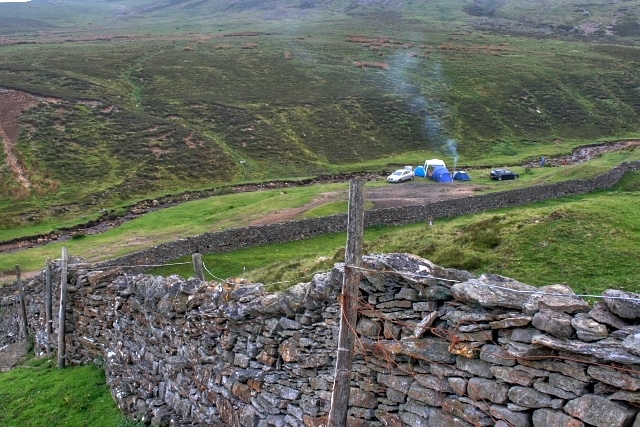
All across the United Kingdom, from Dartmoor to the Dark Peak, a troubling trend is emerging; the destructive, disruptive and disrespectful activity known as fly-camping.
Often confused with the responsible pastime of ‘wild-camping’, fly-camping refers to unauthorised, irresponsible overnight stays where groups pitch large tents by roadsides or in beauty spots, bringing in items such as generators, mini fridges, sound-systems and even porta-loos, and leaving behind litter, fire-scars, damaged landscapes and disturbed wildlife.
Unlike traditional wild-camping, which adheres to ‘leave no trace’ principles; arriving late, departing early, and carrying out all waste, fly-camping treats these protected areas like disposable festival sites.
This behavior has surged in recent years, exacerbated by post-pandemic outdoor enthusiasm and legal rulings on access rights, leading to environmental degradation, wildlife harm, and frustration among locals and authorities.
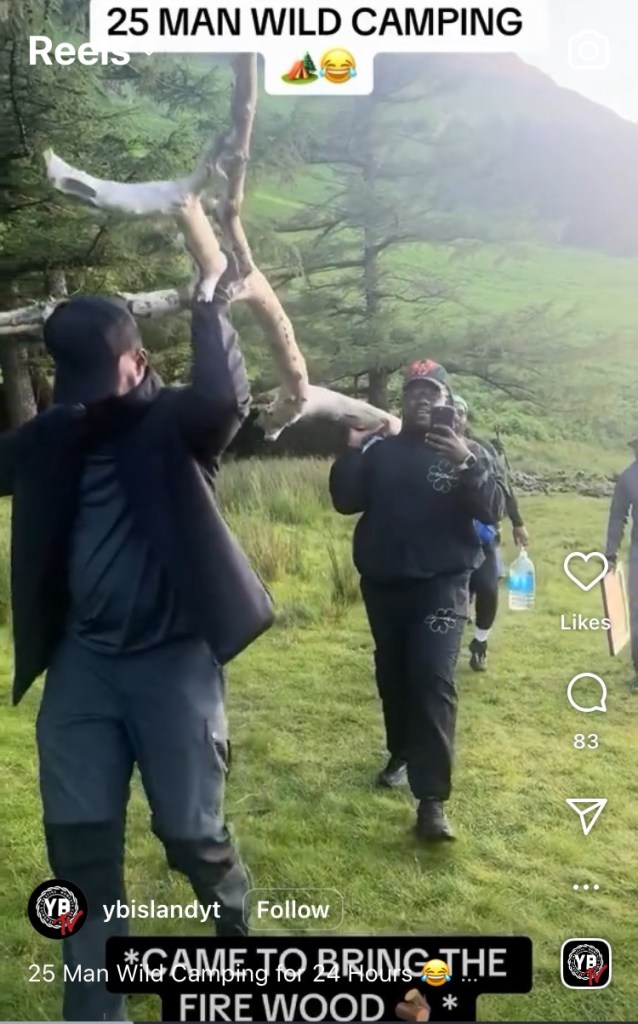
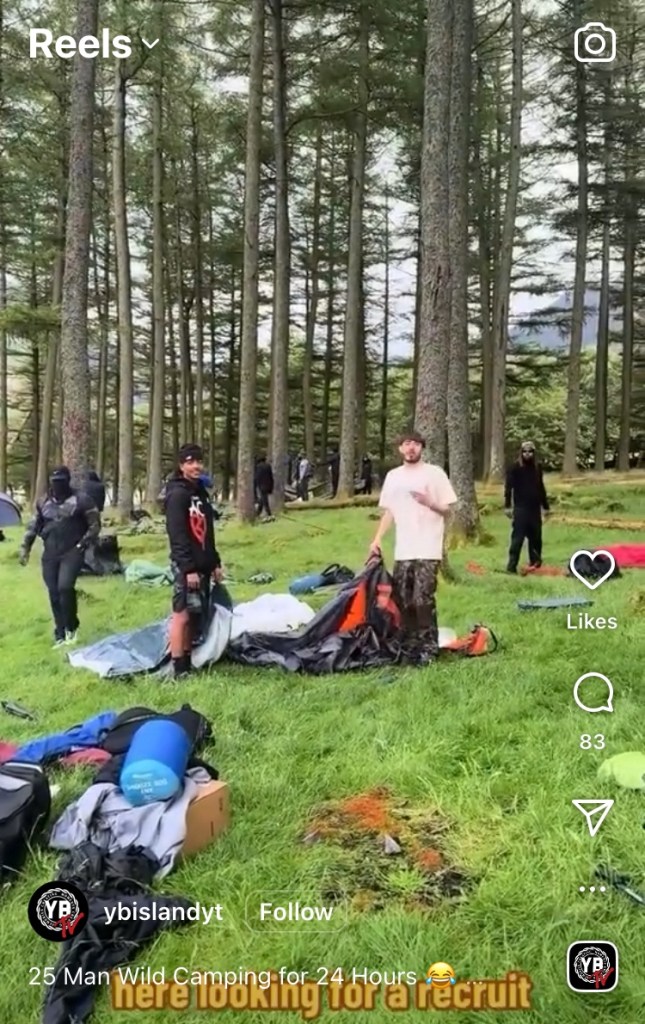

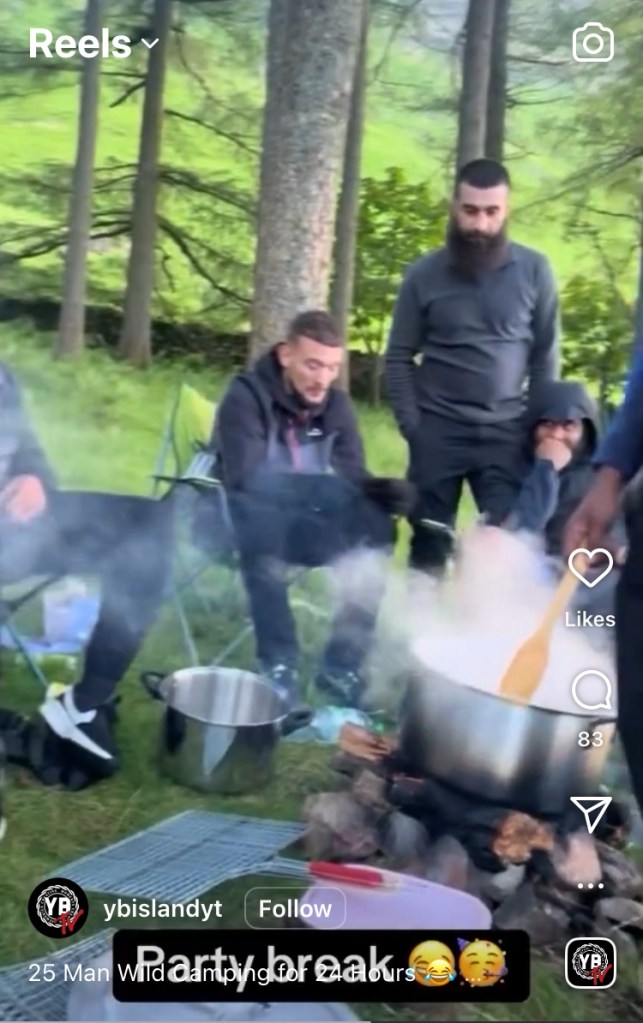
The Rise of Fly-Camping, Post-Covid and Legal Changes
The COVID pandemic of 2020 and 2021 sparked a boom in outdoor activities, with an 80% surge in spending on UK camping trips, reaching £2.7 billion. This influx drew many first-time visitors to National Parks, but not all respected the rules.
An increasingly brighter light was also shone on topics like the ‘right to roam’ which in turn led to discussion in the media about how our National Parks operate and to what purpose they serve.
In Dartmoor National Park, a Supreme Court ruling in May 2025 restored the legal right to wild camp on private land without permission, making it the only park in England where this is allowed.
However, this brought with it a notable increase in fly-camping incidents, with park rangers reporting many groups ignoring the Backpack Camping Code, which limits parties to six people and requires equipment to be backpack-portable. Instead, visitors arrive with carloads of gear, pitch by roadsides, and light fires in dry conditions.
Similar issues plague the Lake District, where overtourism and social media influencers have amplified the problem. A 2021 survey of 600 visitors revealed that 26% admitted to littering, 52% expected more bins, and 13% believed someone else would clean up after them.
Recent reports describe an “epidemic” of fly-camping, with groups leaving trails of destruction, including abandoned tents, beer bottles, and fire pits.
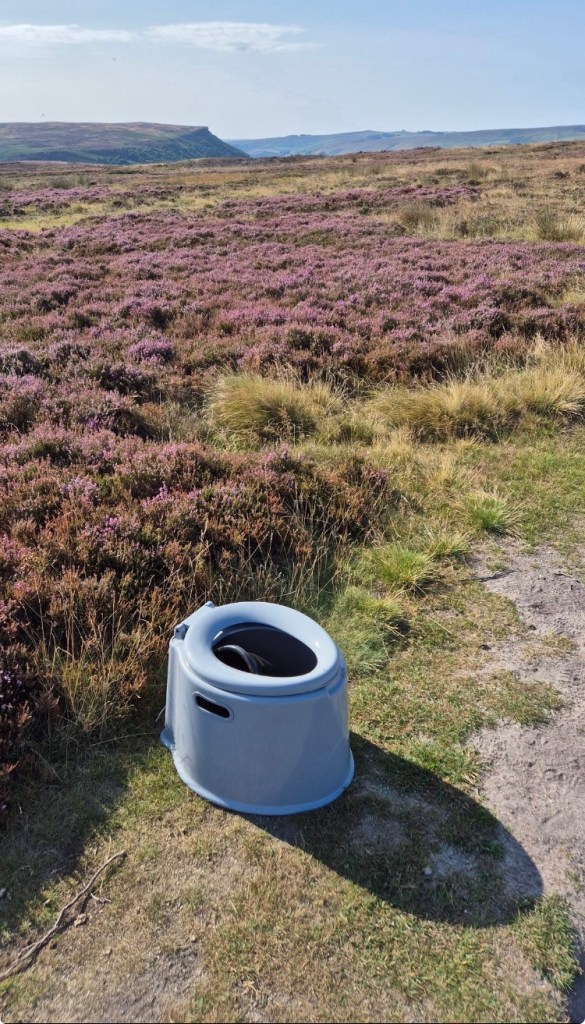
(photo by Simon Walkden @mazymixer)
Environmental and Social Problems Caused by Fly-Camping
The impacts of fly-camping are multifaceted, damaging fragile ecosystems and straining local communities. Litter is a primary issue, as discarded tents, food waste, and equipment pollute waterways and harm wildlife.
In the Lake District, incidents include a July 2025 cleanup in Buttermere costing the National Trust £1,000 after fly campers chopped down trees and left fire scars.
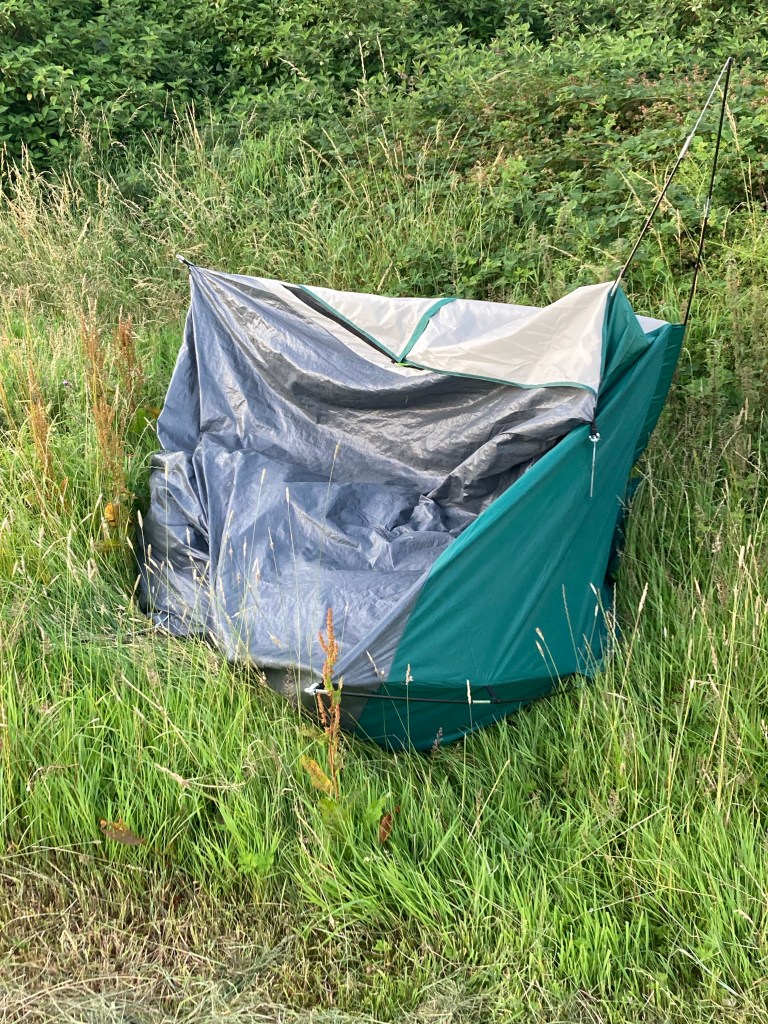
Another example from June 2025 saw campers abandon a tent, mattress, and uncooked sausages at a beauty spot. Social media exacerbates this, with “influencers” boasting about exploits, encouraging copycats who ignore laws.
Fires pose an even greater threat. Unauthorized campfires and barbecues have contributed to a huge increase in wildfires, with 564 incidents in England and Wales by June 2025, a 717% increase from the same period in 2024. Human activity, including discarded cigarettes, glass bottles, and disposable barbecues, causes most wildfires.
In 2025 alone, wildfires burned 45,748 hectares across the UK, the highest since records began in 2012. National Parks have been hit hard; a March 2025 fire on the Peak District’s Howden Moor burned 640 acres, while another on Marsden Moor scorched 12,000 acres. In Scotland’s Galloway Forest Park, a April 2025 blaze spread over 91 km², with rescuers finding an untouched camp amid the devastation, hinting at camper involvement.
These fires destroy habitats, kill wildlife, and erode soils, with long-term effects on biodiversity, already a major concern in our overloaded National Parks.
Socially, fly-camping burdens locals and rangers. In the Lake District, residents report ripped-up signs, burnt trees, and portable chainsaws used to fell wood for fires. Authorities face abuse when intervening, and enforcement is limited, as fly-camping often falls under bylaws, not criminal law, leading to few repercussions.
This has led to campsite closures, like Stonethwaite in Borrowdale, due to rowdy behavior.
Responses and Calls for Change
National Park authorities and organisations are responding with education and advocacy. The Lake District National Park Authority (LDNPA) has paid influencers to promote “Be Kind” messages, urging responsible behavior. In Dartmoor, rangers emphasise the distinction between wild and fly camping, promoting the “leave no trace” ethos.
Campaigns push for broader reforms. The British Mountaineering Council (BMC) launched its “We Wild Camp” initiative in June 2025, backed by a survey where 84% of over 4,500 respondents supported a legal right to wild camp and 90% favoured expanded roaming rights.
The BMC proposes creating managed wild camping zones in National Parks to curb fly-camping, alongside updated countryside codes and funding for education. Similarly, the Campaign for National Parks advocates extending responsible wild camping rights via a 12-month trial in suitable areas, amending outdated laws like the 1949 National Parks Act to balance access with protection.
Councils are also acting; Westmorland and Furness is consulting on Public Space Protection Orders to tackle fly-camping, and Fire chiefs in several regions urge caution, banning barbecues in vulnerable areas.
Balancing Access and Preservation
Fly-camping’s rise brings to light the underlying tension between providing public access to nature and its preservation. While organisations like the BMC and CNP argue for expanded rights to foster responsible enjoyment, the data on litter, fires, and damage demonstrates the urgent need for stricter enforcement, education, and infrastructure.
Without action, Britain’s National Parks, covering 10% of England and vital for our biodiversity, risk becoming victims of their own popularity. Visitors must heed the call; take only pictures, leave only footprints.
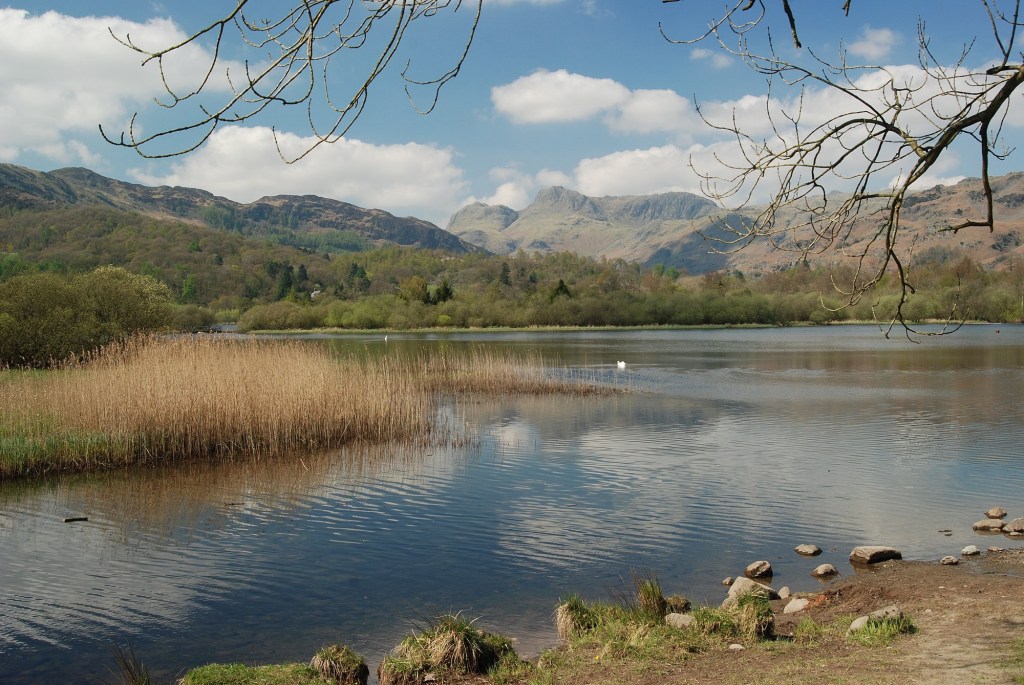
(Rob Bendall)
Lines Written In Early Spring
By William Wordsworth
I heard a thousand blended notes,
While in a grove I sate reclined,
In that sweet mood when pleasant thoughts
Bring sad thoughts to the mind.
To her fair works did Nature link
The human soul that through me ran;
And much it grieved my heart to think
What man has made of man.
Through primrose tufts, in that green bower,
The periwinkle trailed its wreaths;
And ’tis my faith that every flower
Enjoys the air it breathes.
The birds around me hopped and played,
Their thoughts I cannot measure,
But the least motion which they made
It seemed a thrill of pleasure.
The budding twigs spread out their fan,
To catch the breezy air;
And I must think, do all I can,
That there was pleasure there.
If this belief from heaven be sent,
If such be Nature’s holy plan,
Have I not reason to lament
What man has made of man?

If you enjoyed this article please consider showing your appreciation by buying me a coffee, every contribution will go towards researching and writing future articles,
Thank-you for visiting,
Alex Burton-Hargreaves
(Aug 2025)


I’m aware – of course – of the behaviour of those with tiny brains, have come across several bizarre incidents, but have not come across the expression ‘fly-camping’ before. I am horified by what you have written – though I guess I shouldn’t be. What I don’t understand is ‘why’? OK, it’s not as bad as Putin, but why do people do these things? Next question, inevitably is ‘what do we do to educate people to behave like responsible grown ups?’
LikeLiked by 1 person
As usual there needs to be consequences for bad behaviour. There isn’t any in modern society.
LikeLiked by 1 person
I have seen a lot of photos of what is happening in the Lake District this summer with fly camping. Also I have seen people leaving trash. It is disgusting. I cannot understand how they think it is normal to behave like that.
LikeLiked by 1 person