A Tale of the Pendle Witch Trials and a Demonic Dog. Including a Chapter on the Design and Installation of the Eponymous Sculpture in Clitheroe, Lancashire
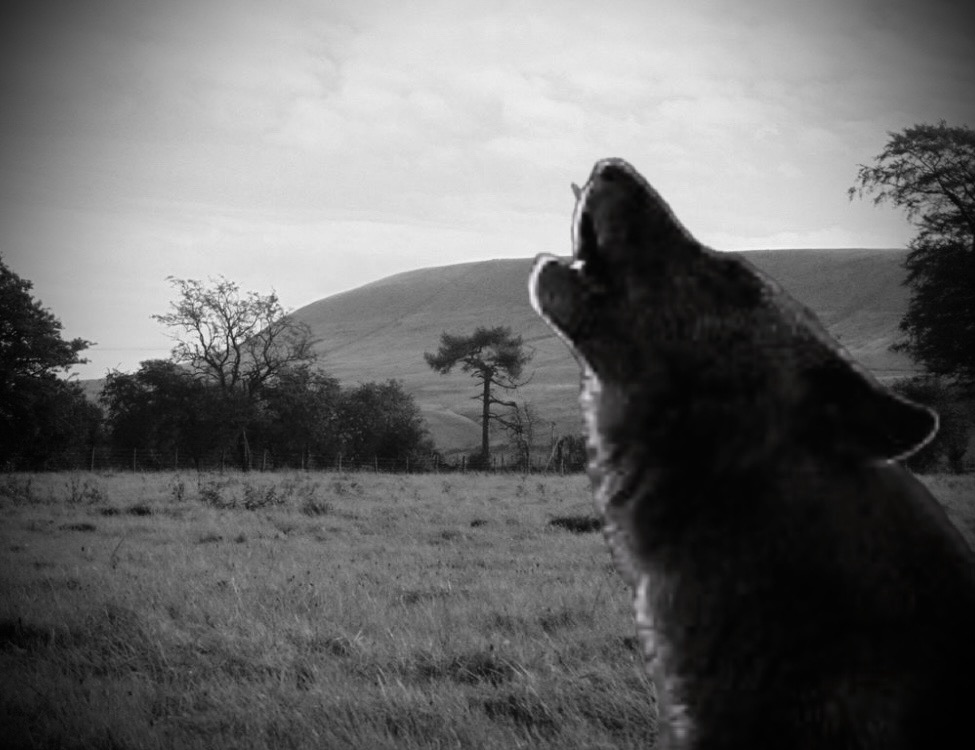
The Pendle Witch Trials: Superstition, Accusation, and Execution
The Pendle Witch Trials of 1612 remain one of England’s most infamous episodes of witch persecution, unfolding against a backdrop of religious fervor and social unrest under King James I, whose Daemonologie (1597) fueled anti-witch hysteria.
Born out of the misty depths of Pendle Forest, the trials targeted impoverished families, particularly the Devices, accused of harmful magic, termed maleficium by the church, amid fierce neighbourly disputes and desperate acts of beggary.
James Device, a young man in his twenties and grandson of Elizabeth Southerns (known as Old Demdike), was ensnared alongside his mother Elizabeth, sister Alizon, and others. The spark ignited when Alizon allegedly cursed a peddler, John Law, leading to his stroke; this escalated into broader accusations.
Under interrogation by magistrate Roger Nowell, confessions poured forth, often involving familiars, supernatural entities in animal form that witches supposedly commanded.
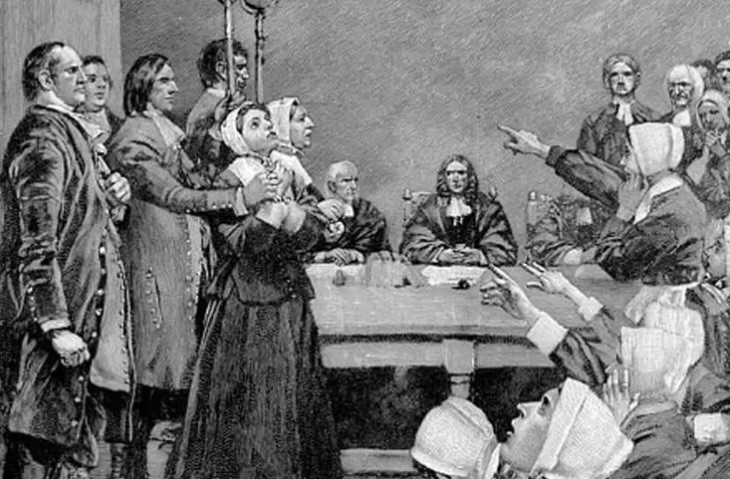
Demands of a Demonic Canine
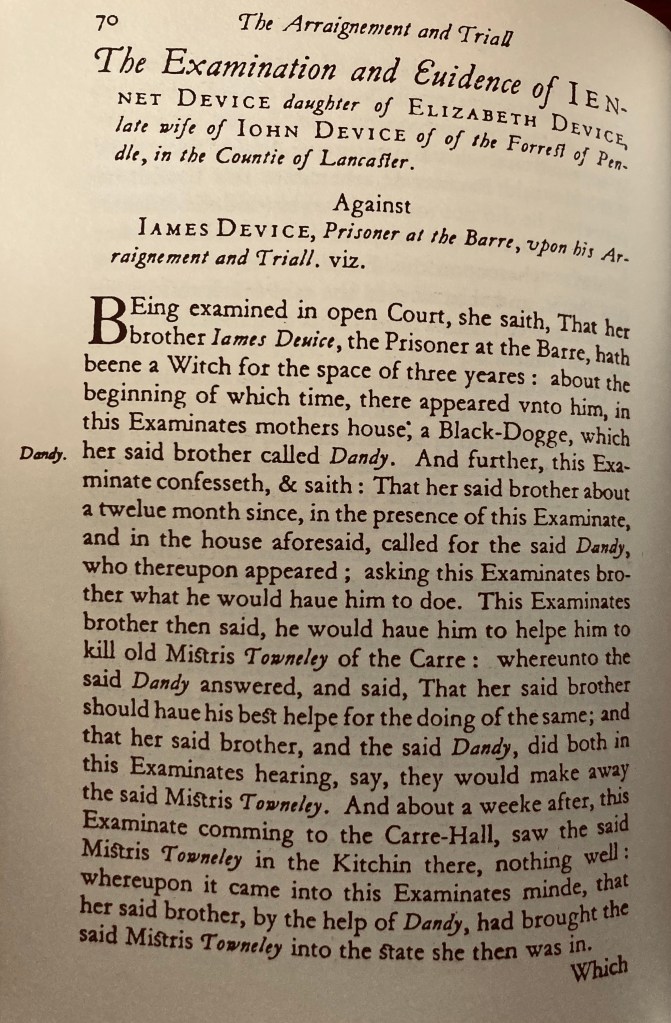
James Device’s confession, dated April the 27th, 1612, vividly details Dandy’s emergence. Initially appearing as a brown dog near Newchurch in Pendle, the spirit demanded James’s soul in exchange for vengeful power.
James refused outright but offered what he could. Later, after a confrontation with Mistress Anne Towneley, who struck him for alleged theft, Dandy reappeared as a black dog, instructing James to create a clay effigy of her, and over the course of only a few days, as James crumbled the figure into dust, Towneley fell ill and died.
Dandy’s malevolence extended to others. When John Duckworth withheld a promised shirt, the familiar enabled James to cause his death with a mere touch. James’s nine-year-old sister Jennet, turned crown witness (many ‘witches’ were doomed by their own kith and kin), testified that Dandy also killed John and Blaze Hargreaves, sealing the family’s fate.
“thing like unto a black dog”
These accounts, documented by clerk Thomas Potts in The Wonderfull Discoverie of Witches in the Countie of Lancaster (1613), portrayed familiars like Dandy, very often black dogs, as demonic agents suckling at witches’ marks and executing curses. James, his mother, and Alizon were hanged on August 20, 1612, at Lancaster’s Gallows Hill, among ten others executed.
Dandy’s story fits well into broader English folklore of black dogs, spectral hounds like the “Skriker” or “Barguest,” omens of death with roots in European myths. In witch trials, such familiars provided “evidence” of satanic alliances, creating weird and unusual amalgamations of local superstition and legal procedure.
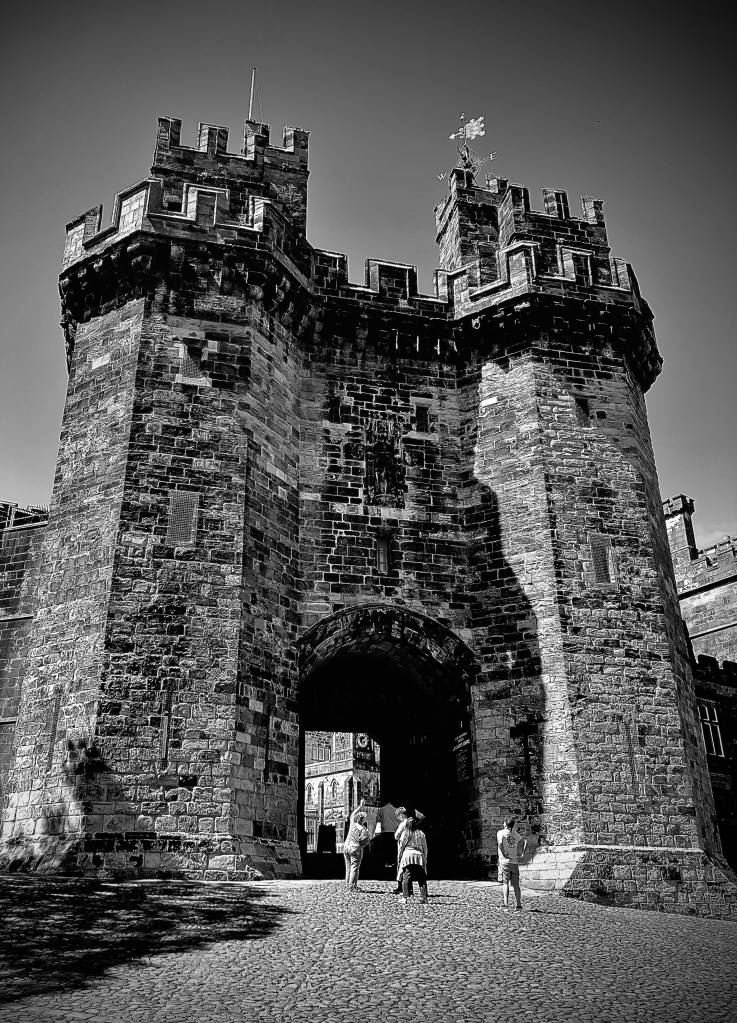
The Dandy Sculpture
Canine Design
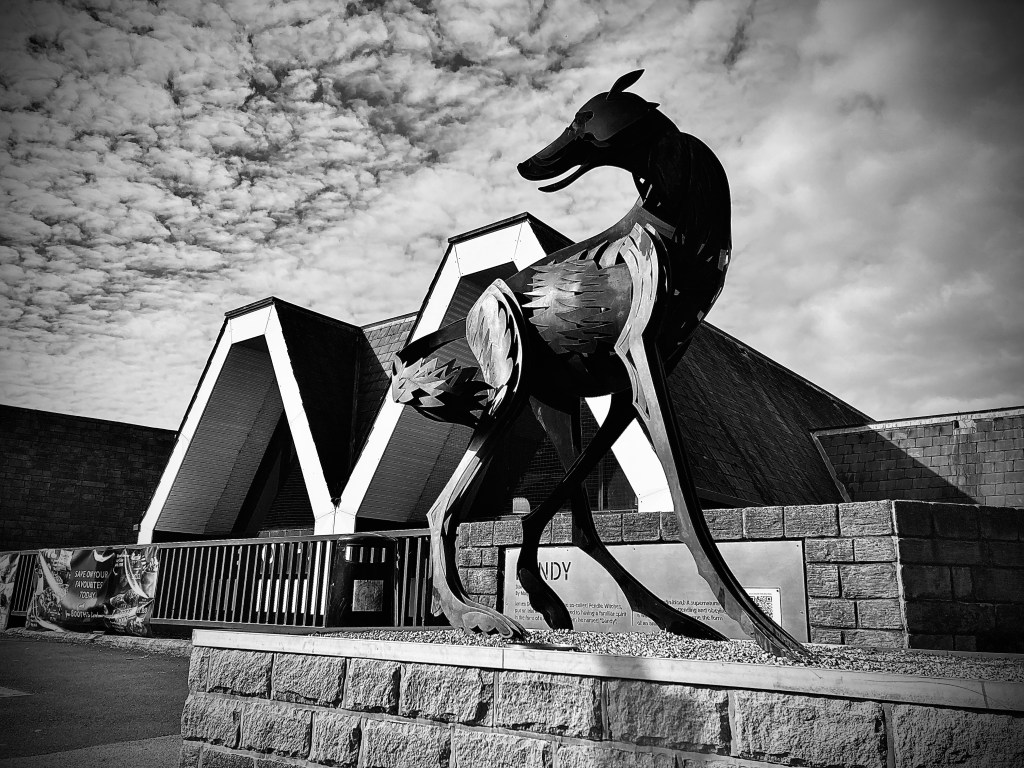
Dutch-born, Lancashire-based sculptor Marjan Wouda, known for her animal-themed steel sculptures such as ‘The Wader’ (a 2.7 meter heron at Entwistle Reservoir) and ‘Huntington’s Parlour’ (a Victorian-inspired installation in Darwen), drew from her fascination with folklore to conceptualise Dandy.
The design process began with initial sketches to capture the dog’s elegant, watchful pose, described as “waitin’ and peerin” in promotional materials, echoing the era’s dialect. She then crafted a paper model, which she identified as the most creative and challenging phase, allowing her to experiment with form and proportion before committing to metal.
The final sculpture stands approximately two meters tall and is made from stainless steel sheets, giving it a robust yet fluid appearance that blends well into the urban landscape.
To achieve the black coloration true to the historical description of Dandy as a “black dog,” the steel was sandblasted to dull its natural shine, then patinated through a process of heating and applying chemicals, primarily potassium, for a permanent, matte finish.
This technique not only evokes the eerie, supernatural quality of a witch’s familiar but also ensures durability against the elements. Wouda aimed to make the piece inviting rather than menacing, positing Dandy as a loyal, peering figure that “prowls” the town centre.
Installation and Unveiling of Dandy
The installation of Dandy was a community effort, coordinated by a group of local enthusiasts under the banner of the “Fine and Dandy” team, with leadership from Clitheroe’s Chamber of Commerce.
Funding came through a successful crowdfunding campaign on Spacehive, supplemented by grants and donations from organisations including Lancashire County Council, Clitheroe Town Council, Arts Council England, Ribble Valley Borough Council, Clitheroe Civic Society, and private firms like Booths supermarket, Houldsworth Solicitors, and Hargreaves Contracting.
Booths, with their long-standing ties to Lancashire’s heritage, played a key role by providing the site and contributing to installation costs. The total effort also funded an education pack for local schools and promotional materials like flyers and a video to attract tourists.
The sculpture was installed in mid-May 2024 on Station Road, across from the Castle pub, just after the curve near Booths supermarket, elevated on steps for prominence.
His official unveiling occurred on May the 16th, 2024, in a ceremony led by Clitheroe’s Mayor, assisted by the deputy Lord Lieutenant of Lancashire, and attended by dignitaries, sponsors, and community members. A celebratory event followed that evening to thank backers and highlight arts and culture in the area.
Local storyteller and tour guide Simon Entwistle provided voiceover for the crowdfunding video, noting that Dandy is likely the only public sculpture representing a witch’s familiar.
Since its installation, Dandy has become a hit with residents and visitors, with people posing their own dogs for photos and sharing them on social media, further boosting Clitheroe’s appeal as a cultural destination.
He stands as a demonstration of what collaborative creativity can achieve, and transforms a tale of tragedy into a symbol of civic pride.
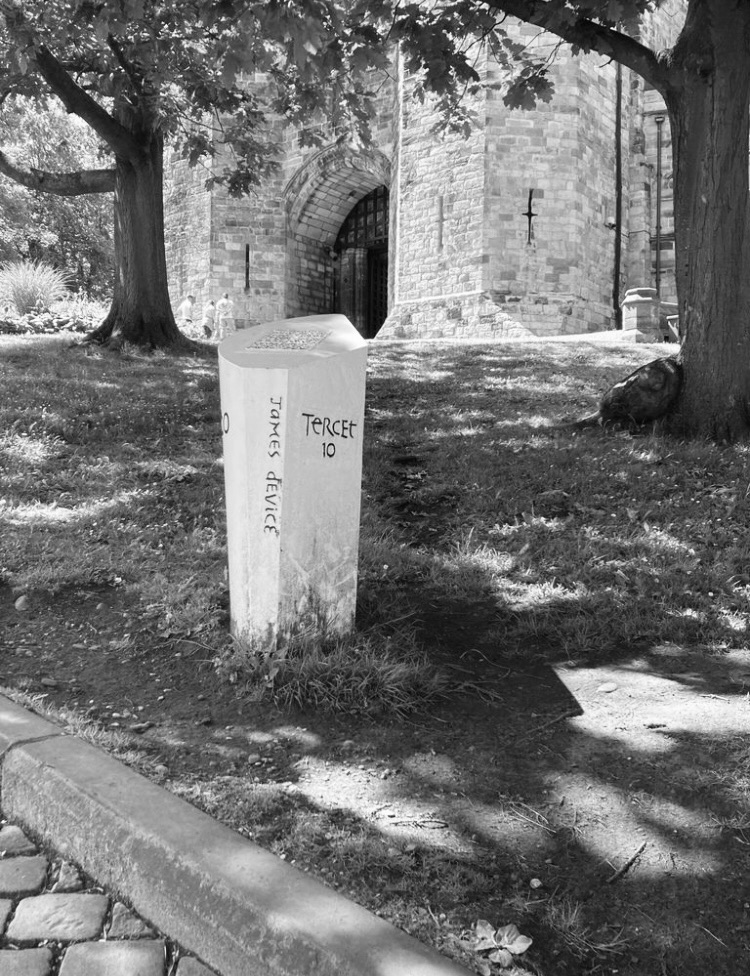
He had a somewhat gipsy look, having a dark olive complexion, and fine black eyes, though set strangely in his head, like those of Jennet and her mother, coal black hair, and very prominent features, of a sullen and almost savage cast.
His figure was gaunt but very muscular, his arms being extremely long, and his hands unusually large and bony, personal advantages which made him a formidable antagonist in any rustic encounter, and in such he was frequently engaged, being of a very irascible temper, and turbulent disposition.
He was clad in a holiday suit of dark green serge, which fitted him well, and carried a nosegay in one hand and a stout blackthorn cudgel in the other.
This young man was James Device, son of Elizabeth, and some four or five years older than Alizon.
He did not live with his mother in Whalley, but in Pendle Forest, near his old relative, Mother Demdike, and had come over that morning to attend the wake.
Excerpt from William Harrison Ainsworth’s 1849 novel The Lancashire Witches, Book the First: Alizon Device, Chapter II: The Black Cat and the White Dove.
If you enjoyed this article please consider showing your appreciation by buying me a coffee, every contribution will go towards researching and writing future articles,
Thank-you for visiting,
Alex Burton-hargreaves
(Oct 2025)
 Northwest Nature and History
One thought on “Unnatural Histories; Dandy the Dog, James Device’s Shape-shifting Familiar”