(Including a Glossary of Gamekeeping Terms)
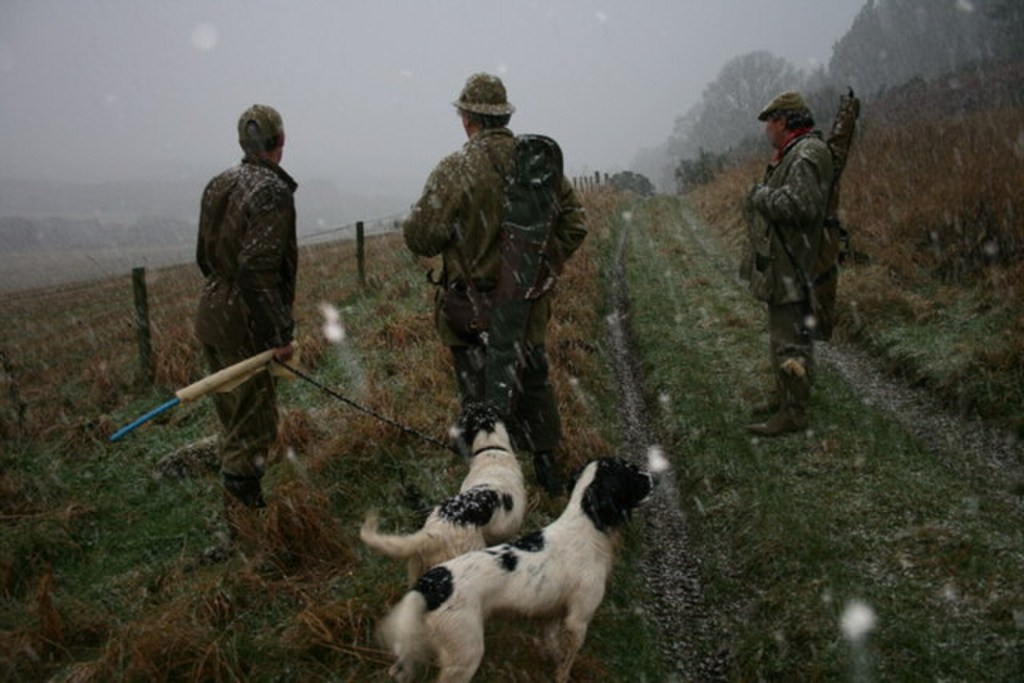
The month of January, in the heart of winter when claws of ice, wind and rain grip the British countryside, can prove hard for those that work outdoors, it is also a pivotal time when decisions must be made and tallies taken, especially for our 3000+ gamekeepers.
Regarded as custodians of the countryside by many (though less favourably by others), gamekeepers are responsible for a lot more besides merely producing game, they often assist other land managers like farmers (read more about farming in January here), estate workers and foresters in their rounds carrying out general maintenance tasks, and are increasingly charged with overseeing conservation work.
With the shooting season drawing to a close on February the 1st, this month serves as a bridge between the high-energy shoot days and the equally important preparatory work for spring breeding and conservation, so it can be very hectic.
In this new series, drawing on my experiences of working on estates in Bowland and South-west Scotland (and from what little I can remember from studying Land-management and gamekeeping at Myerscough and Newton-Rigg colleges) I’ll look at just a few of these tasks in an attempt to portray the multi-faceted role of the modern gamekeeper in as objective a manner as I can.
(Des Colhoun)
Wrapping Up the Shooting Season
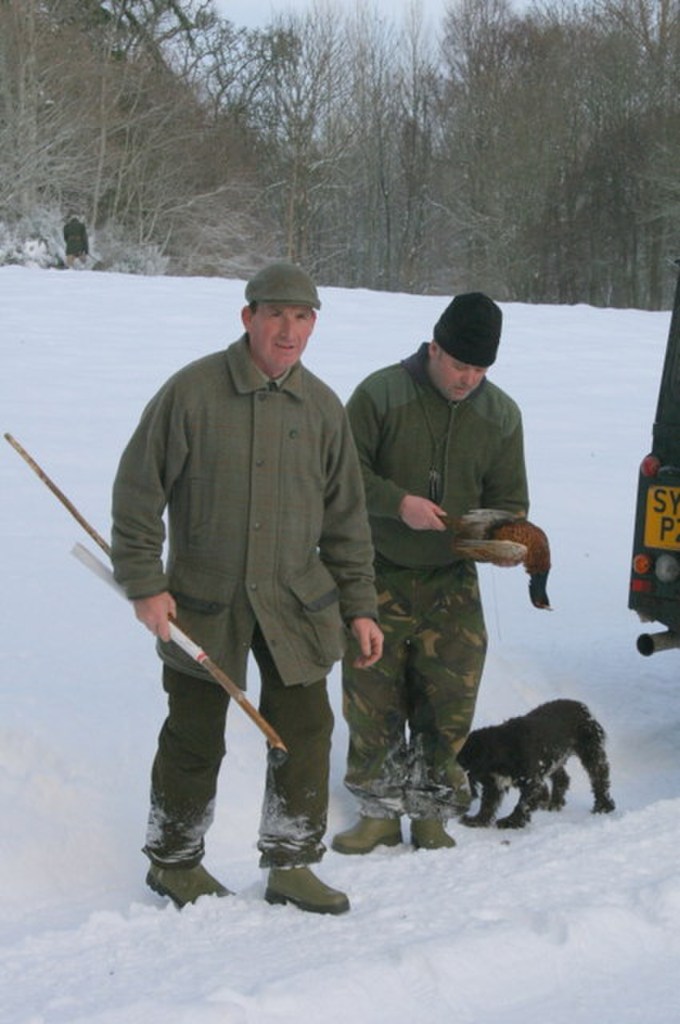
January is typically the tail-end of the pheasant and partridge season, with gamekeepers focusing on smaller, more selective shoot-days to avoid depleting breeding stocks.
Emphasis is placed on harvesting cock (male) pheasant to prevent aggressive behaviour among hens in the spring, ensuring a balanced population for reproduction of wild birds. On some estates, this might involve organising the final driven days of the season so as to minimise disturbance to coverts and cover crops where hens may be sheltering.
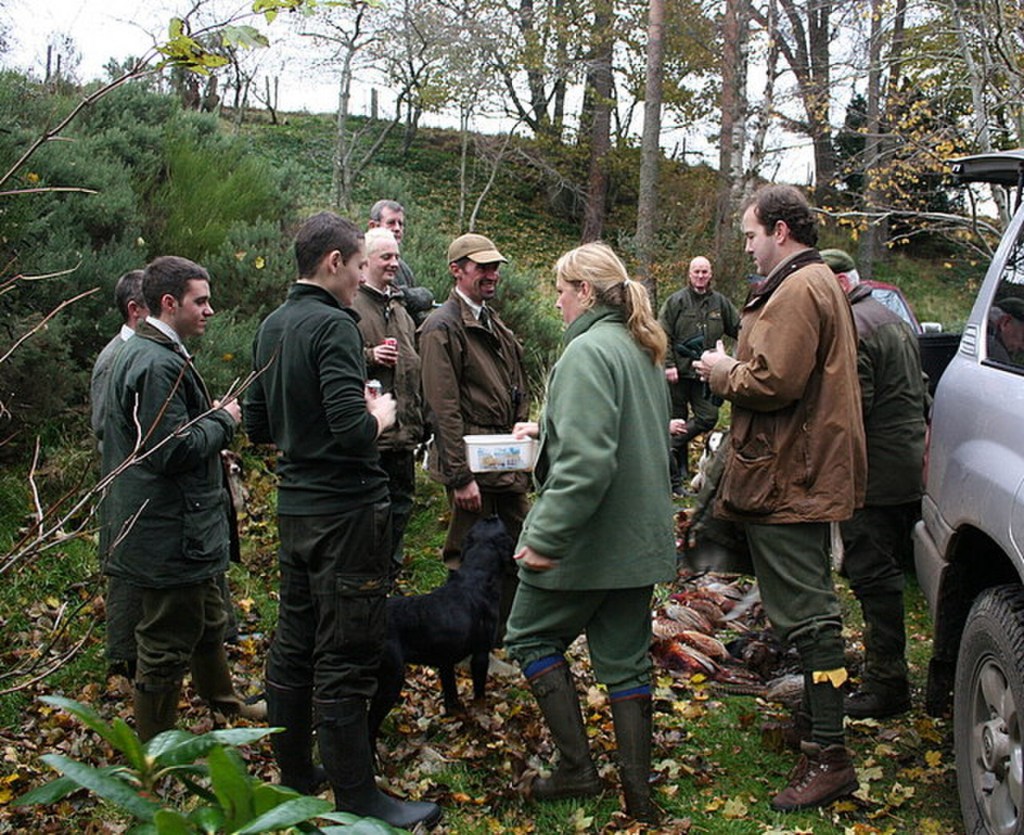
A highlight for many gamekeepers is Beaters’ Day or Helpers’ Day, events held to thank all those who have assisted throughout the season. These gatherings allow beaters (those that flush game) and pickers-up (those that pick-up shot birds) to take on the role of guns, showing appreciation for the hard work they’ve put in throughout the season, they are a great way to create a feeling of camaraderie and often culminate in a social celebration in the shoot cabin or down at the local pub.
Additionally, gamekeepers collect tips from satisfied participants, which supplement their income during these closing weeks.
(Des Colhoun)
Supplementary Feeding and Habitat Maintenance
With natural food sources scarce in mid-winter, supplementary feeding becomes one of a gamekeeper’s main duties. Grain and seeds are usually distributed the old-fashioned way by spreading on straw, or more commonly nowadays via hoppers placed along hedgerows, woodland rides, and game cover-crops, and support not only pheasant and partridge but songbirds and other wildlife too.
This feeding regime often extends into spring, especially if there’s been a late cold snap, bridging the “hungry gap” when food is scarce between the hedgerow berries of autumn and the caterpillars of spring.
Some keepers will use ATVs or quad bikes (ubiquitous throughout every rural occupation now) with specially-made mechanised grain ‘broadcasters’ to make this job easier, indeed when I was a keeper it was one of the more laborious and time-consuming jobs as it entailed carrying 2x 25kg bags: one over the shoulder and one half-open under the arm, and broadcasting it by hand.
Habitat work also ramps up in January, with some estates listing tasks such as hedgelaying every other year to promote dense nesting cover and berry production. Upland keepers may carry out Controlled Burning to improve the heather moorland and encourage new shoots for grouse chicks to eat in spring.
Woodland management may include coppicing, thinning, and creating glades to encourage ground vegetation and biodiversity, in coniferous plantations this will entail ‘brashing,’ or trimming off the first 6 or 7 ft of lateral branches, to allow the penetration of light and air to the forest floor and to allow entry of keepers and beaters.
Maintaining game cover-crops, usually mixtures of kale, millet, and triticale, provides essential shelter and seeds, improving overwinter survival rates for game species like grey partridge and granivore (seed-eating) wild birds like Goldfinch.
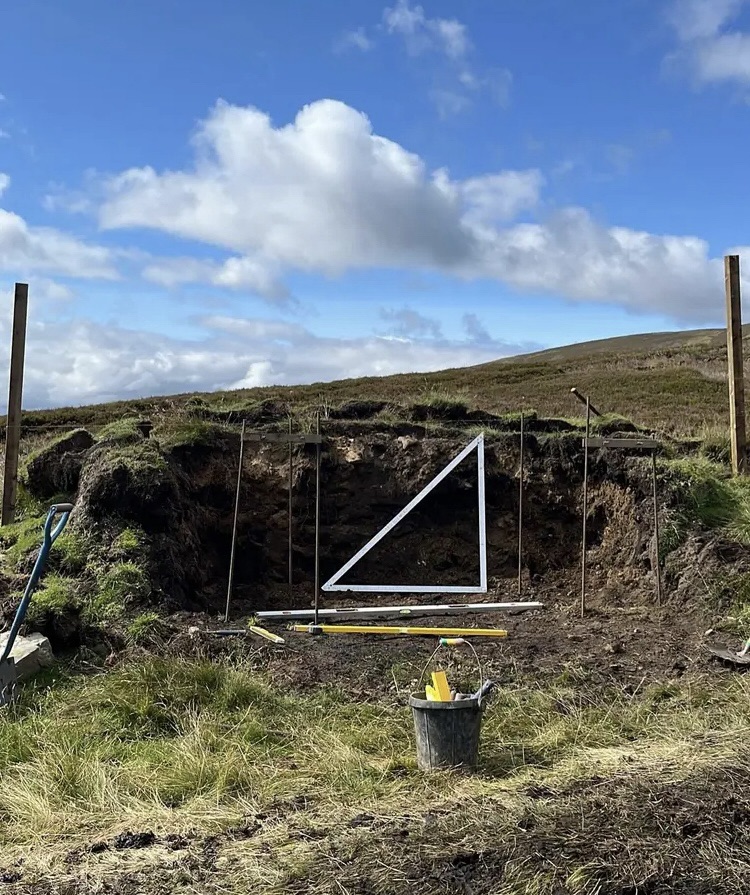
Installing and repairing grouse butts is one job that an upland keeper may do during the winter months
Predator Control
Predator management is a year-round effort, but January’s focus sharpens on protecting vulnerable birds ahead of breeding. Gamekeepers will employ legal control methods like shooting and trapping, and non-lethal deterrents to target species such as fox, crow, magpie, Stoat and weasel.
This control can significantly boost breeding success for ground-nesting birds, with studies showing up to 75% more young partridge produced in managed areas.
General licences, often renewed around January, allow for pest control to protect crops and health, though restrictions like bans on certain snares require adaptive strategies and gamekeepers must maintain compliance with regulations, including lead ammunition bans over wetlands.
Finally there is always the threat of poachers and Hare coursers, especially where a keeper’s patch borders urban areas, and both of these illegal activities can cause huge damage not only to game but to wildlife and livestock too.
Believe me when I say that these people can be extremely unpleasant to deal with, they will think nothing of physically assaulting anybody who interferes with their activities and have put many a gamekeeper in hospital over the years.
Preparation for Breeding and Rearing
As this season winds down, gamekeepers turn their attention to the next one. Catching up hen pheasants for rearing or exchange is a common January task, often done in drier conditions to ensure healthy stock.
Where grey partridge are found pairing over-wintered birds in readiness for breeding is crucial, supporting conservation programs for this native species.
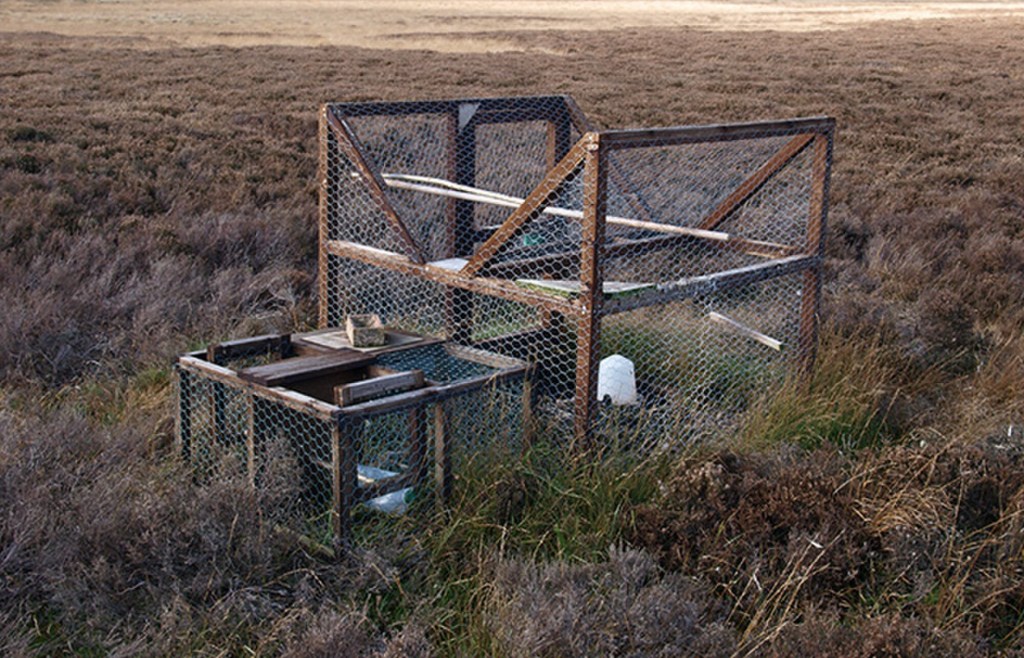
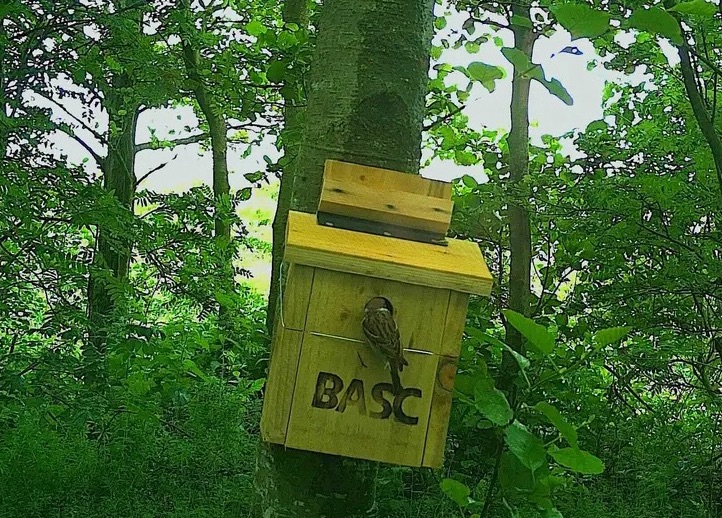
Small pens are set up with feeding hoppers within (to protect the hoppers from marauding deer), equipment like Larsen traps are checked over and fixed for upcoming corvid control, and nesting boxes put up.
Disease management, such as monitoring for Highly Pathogenic Avian Influenza (HPAI), influences planning, with gamekeepers preparing contingency plans for licensing changes that could disrupt releases.
This preparatory work lays the foundation for successful chick hatching and habitat integration in the coming months.
Administrative and Planning Tasks
January can be a reflective time, with gamekeepers reviewing the past season’s performance, analysing game returns, drive effectiveness, and budget implications.
Planning for the new year includes budgeting for feed, equipment, and poults (young pheasants), bearing in mind that the prices of such things are in a constant state of flux. Staff supervision, gun dog training, and record-keeping round out the administrative load.
In essence; for the gamekeeper January is a time of closure and renewal, a hard, uncertain month when difficult decisions must be made, and in an industry which has an increasingly uncertain future. Yet spring will arrive quickly, the countryside will soon be verdant and alive once again, and it will always need someone to care for and look after it.
Glossary of Gamekeeping Terms
Beater: A person employed for shoot days who flushes or drives game birds from cover towards the guns (shooters) by walking through woodland, crops, or moorland, usually making noise to move the birds.
Butt / Shooting butt: A low stone or turf shelter on a grouse moor where a gun (shooter) stands to receive driven grouse.
Cover crop / Game cover: Crops such as maize, kale, quinoa, or sorghum planted specifically to provide food, shelter, and holding areas for game birds (and other wildlife) on lowland shoots.
Dogging-in: The practice of using dogs and people to gently encourage game birds back into cover crops or woodlands after they have strayed, typically done in late summer/autumn to keep birds on the shoot.
Driven game / Driven shooting: A shoot format where game birds are flushed (driven) towards a line of stationary guns by beaters; common for pheasants, partridges, and grouse.
Flushing: The action of making game birds take flight, usually towards the guns, either by beaters on driven days or naturally during walked-up shooting.
Game cover: See Cover crop.
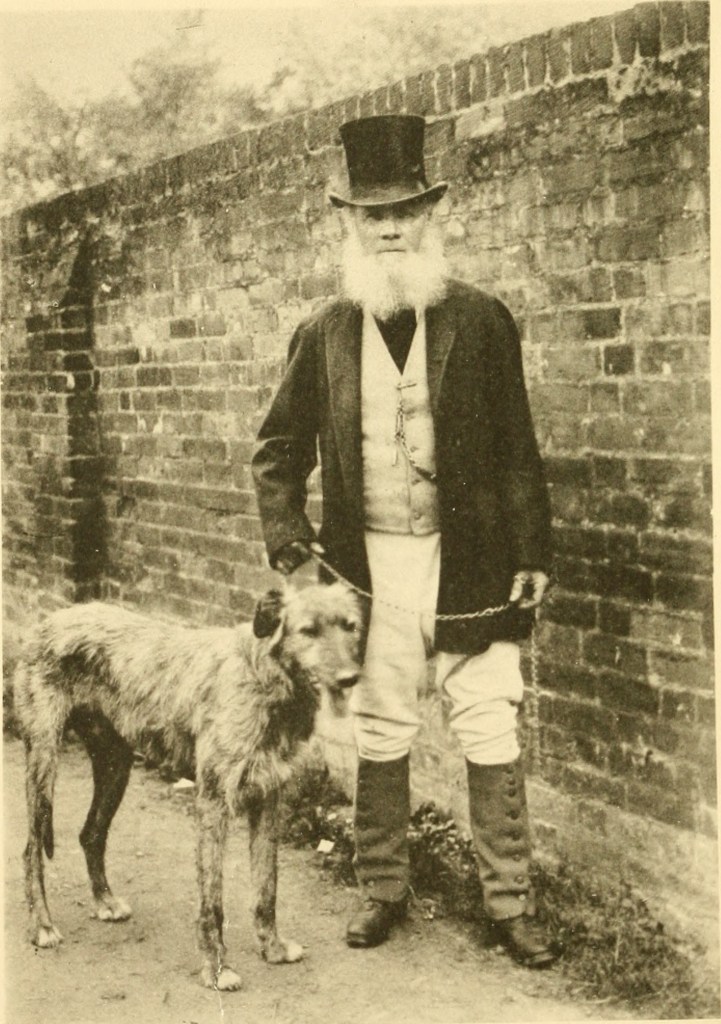
Gamekeeper (or Keeper): A professional (or sometimes amateur) responsible for managing game populations, habitats, predator control, preventing poaching, rearing/releasing birds, and organising shoots on an estate.
Head keeper (or Head stalker): The senior gamekeeper on an estate, overseeing other keepers and overall game and wildlife management.
Larder: A cool room or facility on the estate where shot game is hung to mature (develop flavour) before processing or sale.
Peg: A numbered shooting position where a gun stands during a driven shoot (e.g., “Gun 5 on peg 5”).
Picker-up: A person (most often with dogs) who retrieves shot game from the field after drives, ensuring quick and humane collection.
Poaching: Illegal taking of game animals or birds from private land without permission.
Poults: Young game birds (especially pheasant or partridge) after they have left the brooder but before full maturity, often released at 6 to 8 weeks old.
Release pen: An enclosed area in woodland or cover where young reared game-birds are initially placed after hatching to acclimatise before full release into the wild.
Ride: A wide cleared path or track through woodland, used for access, habitat management, and sometimes as shooting positions.
Rearing: The process of hatching, brooding, and growing game-birds (usually pheasant or partridge) in captivity before release to supplement wild stocks.
Stop / Stops: People positioned at the ends of a wood or beat to prevent game-birds running out sideways instead of flying forward towards the guns.
Vermin / Predator control: The legal control of predators (e.g., fox, crow, magpie, stoat, weasel) that prey on game-birds, eggs, or young, to protect game populations.
Walked-up shooting: An informal shoot where a small group of guns, keepers, and dogs walk through fields, hedges, or moorland to flush and shoot game opportunistically.
If you enjoyed this you can show your appreciation by buying me a coffee, every contribution will go towards researching and writing future articles,
Thank-you for visiting,
Alex Burton-Hargreaves
(Jan 2026)
 Northwest Nature and History