A Brief Study of the Biology and Ecology of Marram Grass, Ammophila arenaria, and how it Shapes our Coastlines.
Including a Brief Examination of the Morgan and Morecambe Offshore Wind Farms Transmission Project and how it Threatens the Fylde Coast Dunes
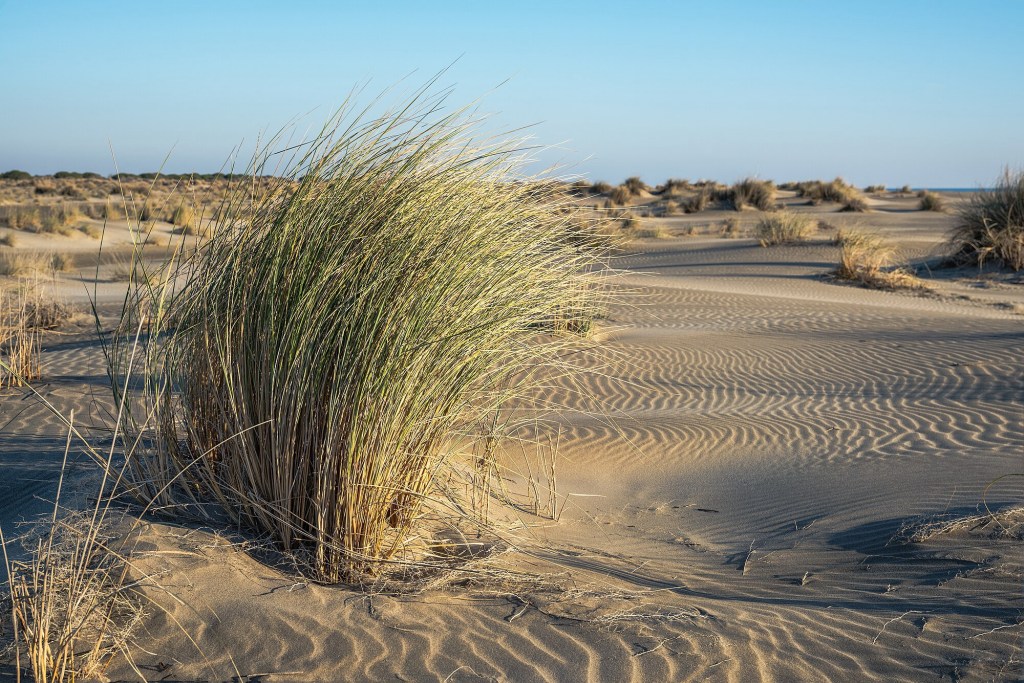
Ammophila is derived from the Ancient Greek ámmos (ἄμμος) meaning ‘sand’ and philos, meaning ‘friend’ or ‘loving’, arenaria is Latin for ‘sand-loving’ or ‘of sand’
Marram grass, Ammophila arenaria, also known as European beachgrass, is one of our most iconic and ecologically important maritime plant species. A tough, perennial grass it thrives in the harsh, windswept conditions of coastal sand dunes, where few other species can survive.
Its habit of growing in dense, tussocky clumps helps create and support the rolling white dunes that are instantly recognisable to anyone who has walked the beaches of the Fylde coast, Formby or Ainsdale.
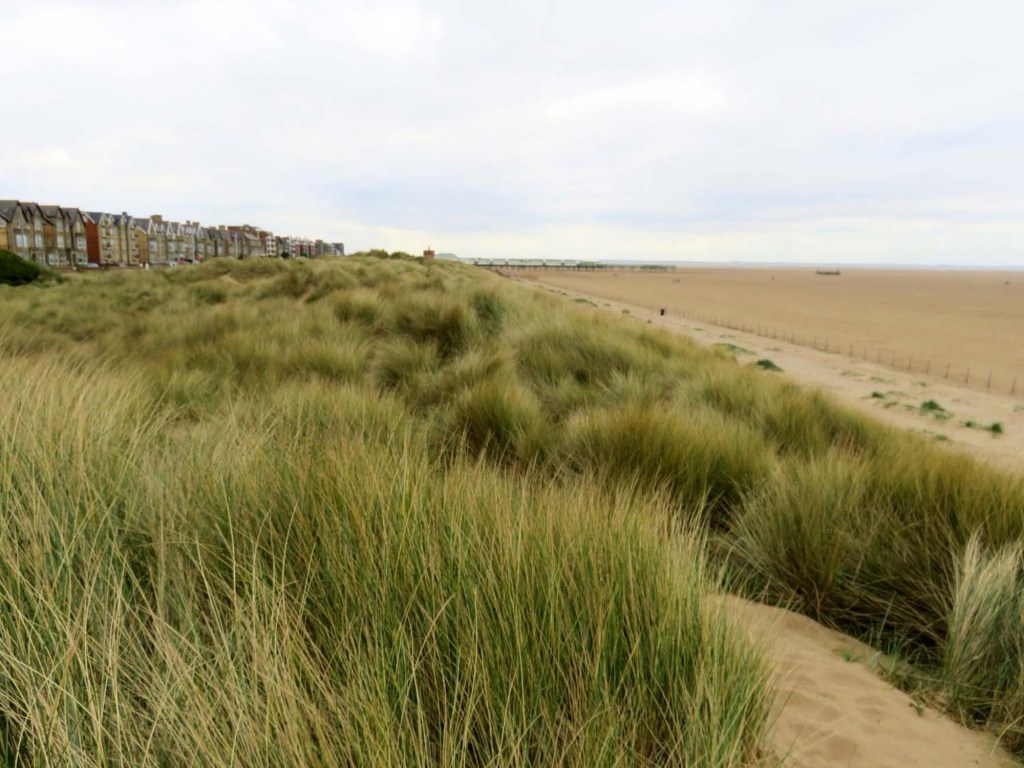
(Image by Steve Daniels)
Specially Adapted
Native to and found throughout the British Isles, Marram grass is specially adapted to the highly mobile, nutrient-poor, and salty conditions typical of our coasts. Its long, narrow leaves are tightly rolled inward to minimise water loss through transpiration, a clever adaptation to dry, sandy conditions where rainfall quickly drains away and salt spray is constant.
The leaves are stiff and pointed, often swaying dramatically in the prevailing westerly winds that northwest England’s exposed shores are famous for, especially during the changeable weather of early spring or autumn gales.
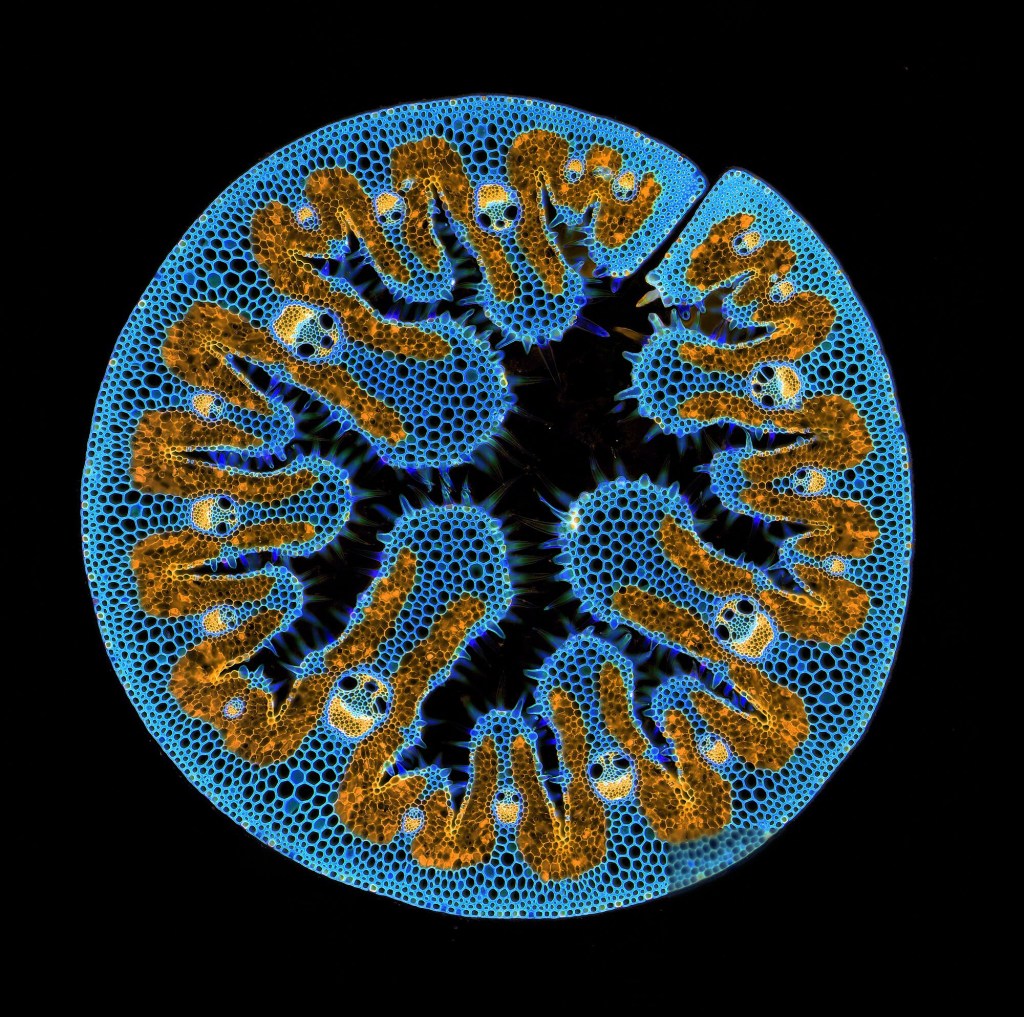
What truly sets Marram grass apart is its extensive network of rhizomes (underground stems) and deep roots, these fibrous systems spread horizontally and vertically, binding loose sand particles together and preventing erosion.
When wind-blown sand buries the plant, Marram grass responds by growing upward through the new deposits, trapping more sand and building the dunes higher. This process turns shifting, barren sand into stable embryo and semi-fixed dunes, paving the way for other plants like Sea holly, Dune fescue, or even early colonisers of fixed dunes such as Heather and Gorse.
Meandering through the Marram
There are several sites in the northwest where you may spend the day pleasantly meandering through the Marram, the Sefton Coast, from Formby to Ainsdale in Merseyside, is one such place, famous for its extensive shifting dunes dominated by Marram and part of a nationally significant stretch of about 163 hectares of mobile ‘white dunes’.
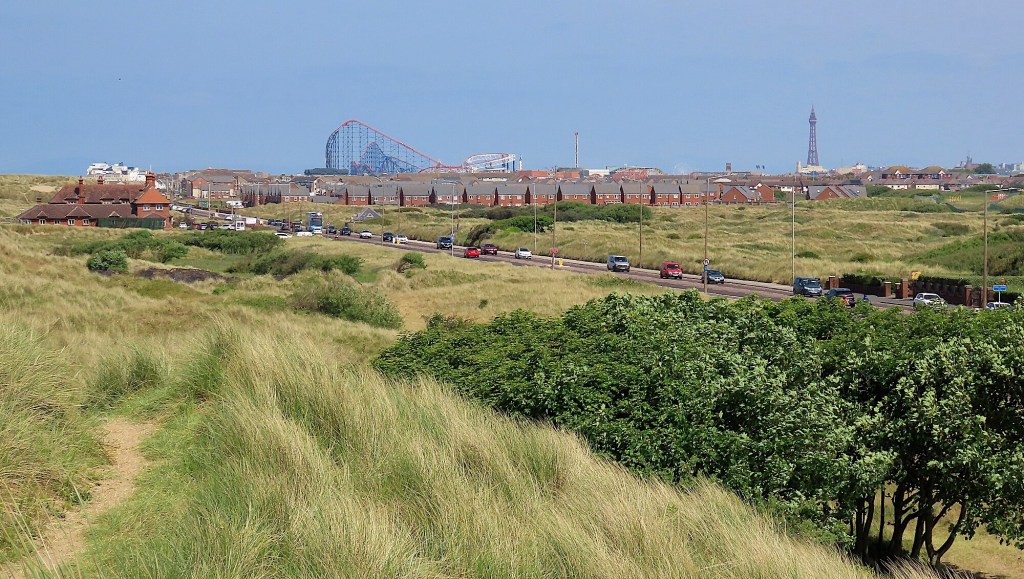
Further north in Lancashire lie the Fylde coast sand dunes, spanning approximately 80 hectares between Starr Gate and Lytham and a critical natural sea defence for the low lying Fylde plains. This dune system, which has lost over 80% of its area over the last 150 years, is currently under threat from proposed offshore wind-farm cable infrastructure, which campaigners and local trusts fear could compromise their integrity, (read more about this below).
In Cumbria Sandscale Haws near the Duddon Estuary and the remaining dunes around Morecambe Bay demonstrate how Marram can stabilise vast expanses of sand, creating habitats for rare species including Natterjack toad, Sand lizard, Common Adder and a variety of invertebrates.
Most of these sites are protected under EU habitats directives (or their UK equivalents) as Special Areas of Conservation due to their high ecological value.
Maintaining Marram
At places like Formby (managed by the National Trust), dune restoration projects involve fencing off sensitive areas to prevent trampling, allowing natural sand movement, and occasionally planting Marram plugs where erosion has created blowouts.
On the Fylde dunes thousands of discarded Christmas trees are strategically placed in the dunes each year to help combat coastal erosion and restore the dunes. Local residents donate their old trees via collections or drop-off points and in early February, volunteers (often hundreds at a time) partially bury them in trenches or rows on the beach/foreshore in front of the existing dunes. I once took part in this with college and can vouch for it being a unique and fun way to help your local environment.
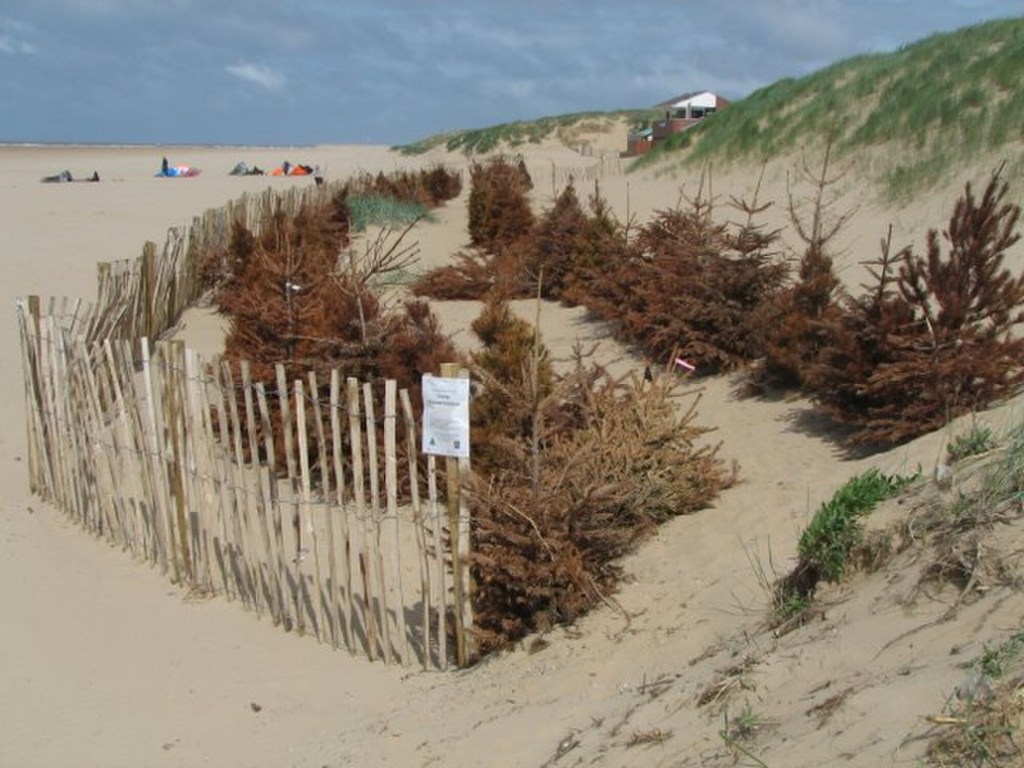
Restoration of the dunes here helps protect over 493 properties from coastal erosion and 8 from flooding
The Fylde Sand Dunes Project has been running for years and it’s helped achieve significant dune growth in places. The branches trap wind-blown sand, which accumulates over time to form new ‘embryo’ dunes, and this has helped the dune system build up naturally, up to tens of meters in some spots since it began. It’s a clever, eco-friendly way of recycling Christmas waste into something productive.
We need these dunes for more palpable reasons than their ecological value though, essential as it is, as healthy Marram-dominated dunes act as natural sea defenses, buffering low-lying coastal communities from storm surges, particularly relevant in northwest England, where storms coming in from the Irish Sea can bring powerful winds and tides.
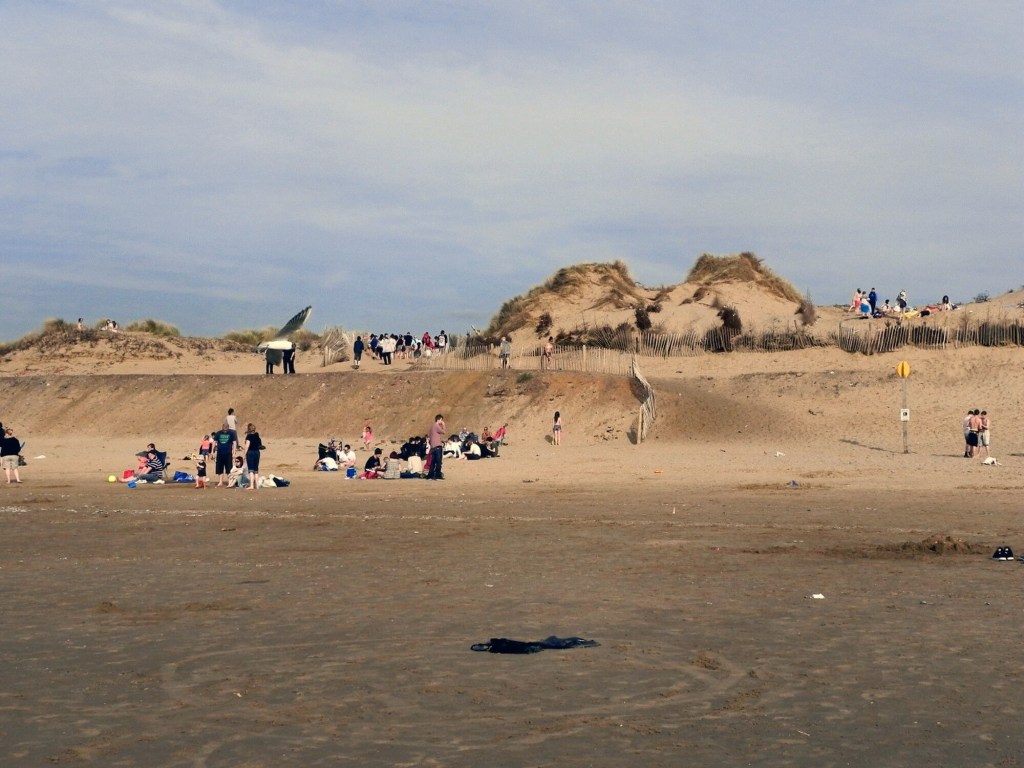
(David Dixon)
The Morgan and Morecambe Offshore Wind Farms Transmission Project
The Morgan and Morecambe Offshore Wind Farms Transmission Project is a transmission cable corridor, intended to connect the Morgan Offshore Wind Farm Project to the national grid.
The Morgan Offshore Wind Farm Project was a proposed 1,500 MW development in the Irish Sea consisting of 96 turbines, which received consent in August 2025 but was subsequently cancelled by developers bp and EnBW. While the generation assets are stalled, the separate Morgan and Morecambe Transmission Assets project, designed to connect both wind farms to the national grid at Penwortham, remains active with a decision pending in April 2026.
It has raised significant concerns among local residents, the Wildlife Trust, and campaign groups like FACTS (Fylde Against Cable Transmission and Substations) for several reasons including the damage it would cause to the dune systems, these are listed here:
Dune Stability and Flooding: There are fears that tunnelling or trenching under the sand dunes for the cables could weaken them, potentially allowing high tides and storm surges to flood the area.
Aquifer Disruption: The dewatering of areas to create pits for the cables could disrupt the underground aquifer that sustains the sand dune slacks, affecting the habitat’s stability.
Environmental Destruction: The proposed 100m wide, 30km long cable corridor threatens to disrupt 600 acres of greenbelt, farmland, and natural habitats, with construction work lasting up to 6 years.
Operational Disruption: The project would lead to the closure of St Anne’s beach for up to 3 years and create significant noise, dust, and traffic disruption.
Existing Infrastructure Risk: Drilling or trenching at right angles to an existing high-pressure ethylene pipeline running north-to-south through the Fylde could lead to a major pollution incident.
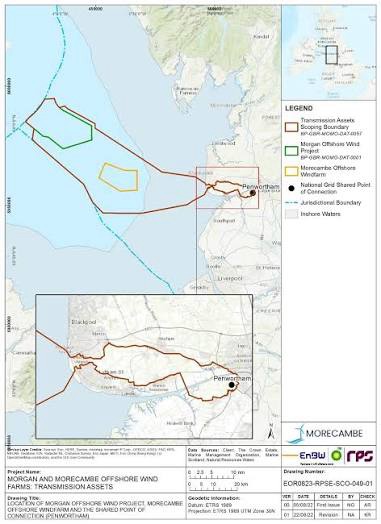
Significant Sand Grass
Historically, marram grass was regarded as more than just an ecological engineer; coastal communities once harvested it for practical uses, weaving its tough leaves into mats for barn roofs, fishing nets, or even shoes. Today its value lies in environmental biodiversity and resilience, as the dunes it helps create support specialised ecosystems, providing nesting sites for birds, shelter for species like the Red squirrels of Formby, and open sandy patches for sun-loving reptiles.
Next time you stroll through the dunes in Lancashire, Merseyside, Cumbria, or anywhere else for that matter, please stop and take a while to appreciate these swaying green tufts, they are not just grass; they are the fabric that holds the dunes, and much of our coastline’s natural heritage, together.
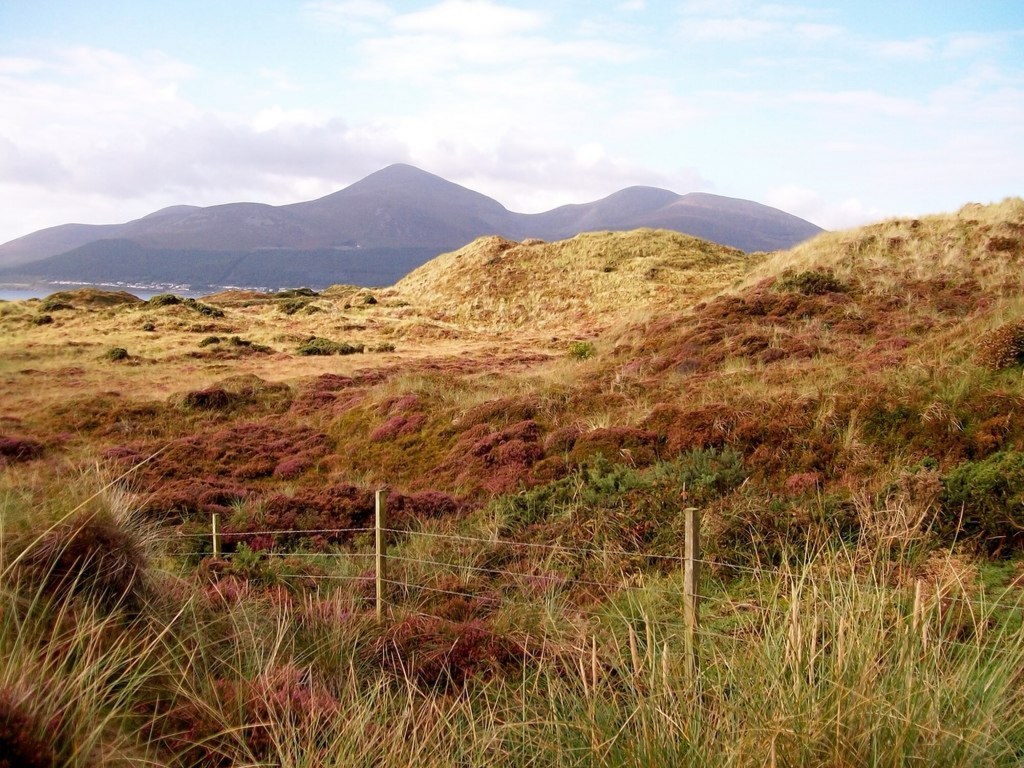
I spent much of my childhood on these dunes learning about species like Marram grass with my aunt, Jo Whatmough, long-term warden of the reserve
And she was tough as wind-blown marram grass
Whose roots creep craftily beneath the dunes
And bind themselves to knot the flying sand.
From the poem ‘Gilgamesh at the Edge of the World’ by Jenny Lewis
If you enjoyed this you can show your appreciation by buying me a coffee, every contribution will go towards researching and writing future articles,
Thank-you for visiting,
Alex Burton-Hargreaves
(March 2026)
 Northwest Nature and History
One thought on “Ammophila arenaria, Aeolian Architect”