Including a Short Biography of the Poet Samuel Bamford
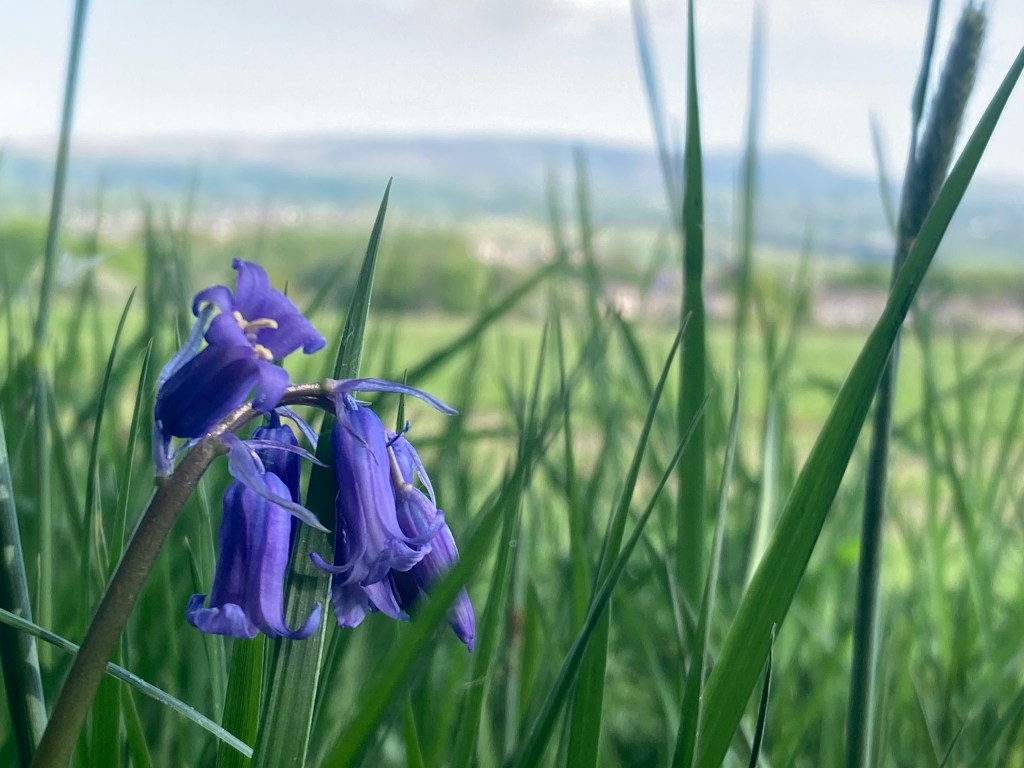
Sweet bringer of new life,
welcome thou hither!
Though with thee comes the strife
of changeful weather.
Oh! young and coldly fair,
come with thy storm-blown hair.
Down casting snow-pearls fair,
for earth to gather!
Approachest thou in shower?
Mist hath enroll’d thee,
till, changed by viewless power,
bright we behold thee!
Whilst chilling gales do fly,
then wanderest meekly by
green holme and mountain high,
till shades enfold thee.
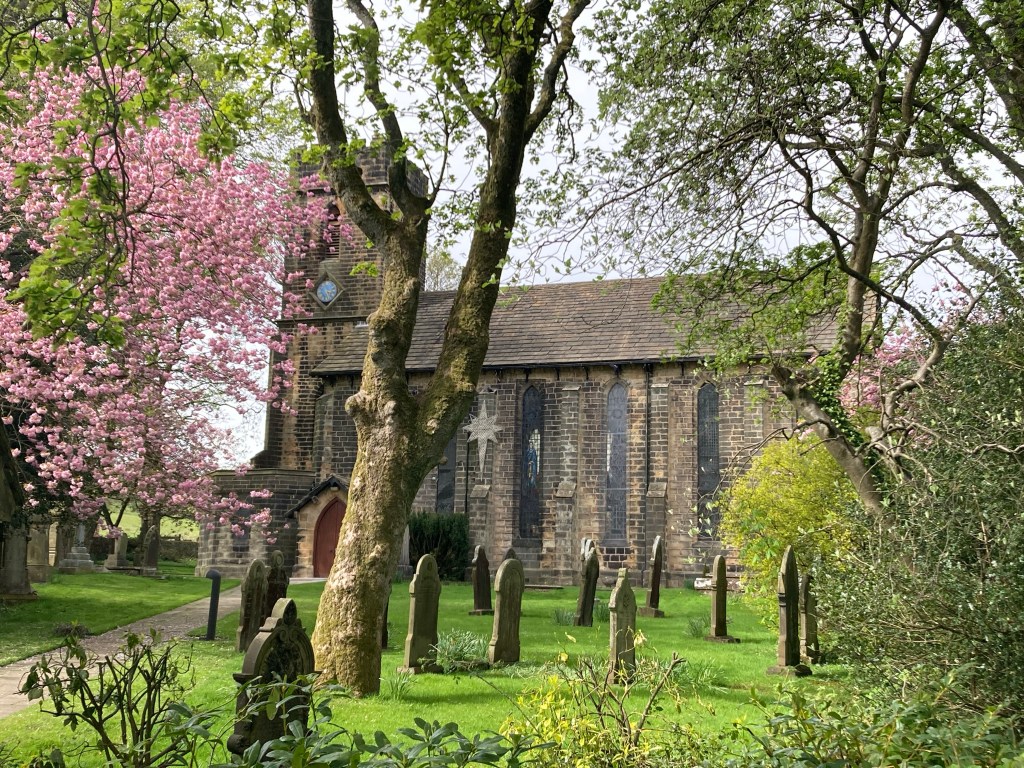
By dusky woodland side,
silent thou rovest;
Where lonely rindles glide,
unheard thou movest;
Wide-strewing buds and flowers,
by fields, and dells, and bowers,
‘mid winds and sunny showers,
bounteous thou provest.
Though ever changeful, still
ever bestowing;
The earth receives her fill
of thy good sowing;
And lo! a spangled sheen
of herbs and flowers between,
blent with the pasture green,
all beauteous growing!
Now comes the driven hail,
rattling and bounding;
A shower doth next prevail;
Thunder astounding!
Until the glorious sun
looks through the storm-cloud dun—
and, as the light doth run,
glad tones are sounding.
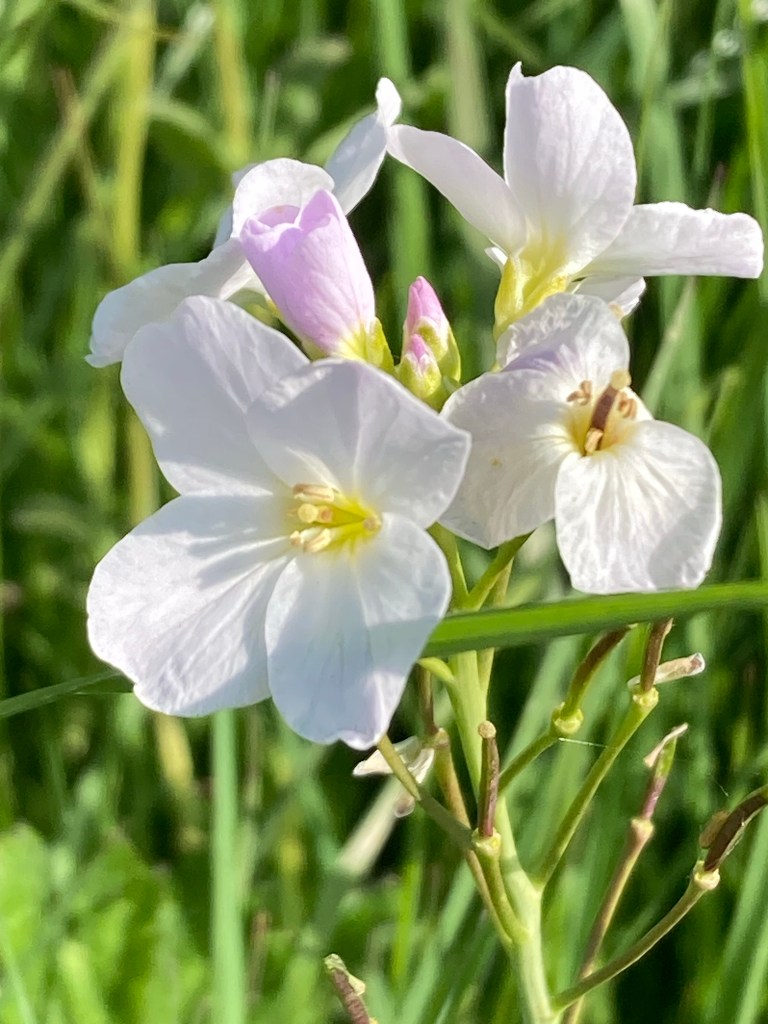
The throstle tunes his throat,
on tall bough sitting;
The ouzel’s wizard note
by dingle flitting;
the lov’d one, too, is there,
above his snow-fringed lair—
he sings, in sun-bright air,
carol befitting.
Come ev’ry tone of joy!
Add to the pleasure;
Sweet robin’s melody
joins in the measure:
And echoes wake and sing,
and fairy-bells do ring,
where silver bubbles fling
their sparkling treasure.

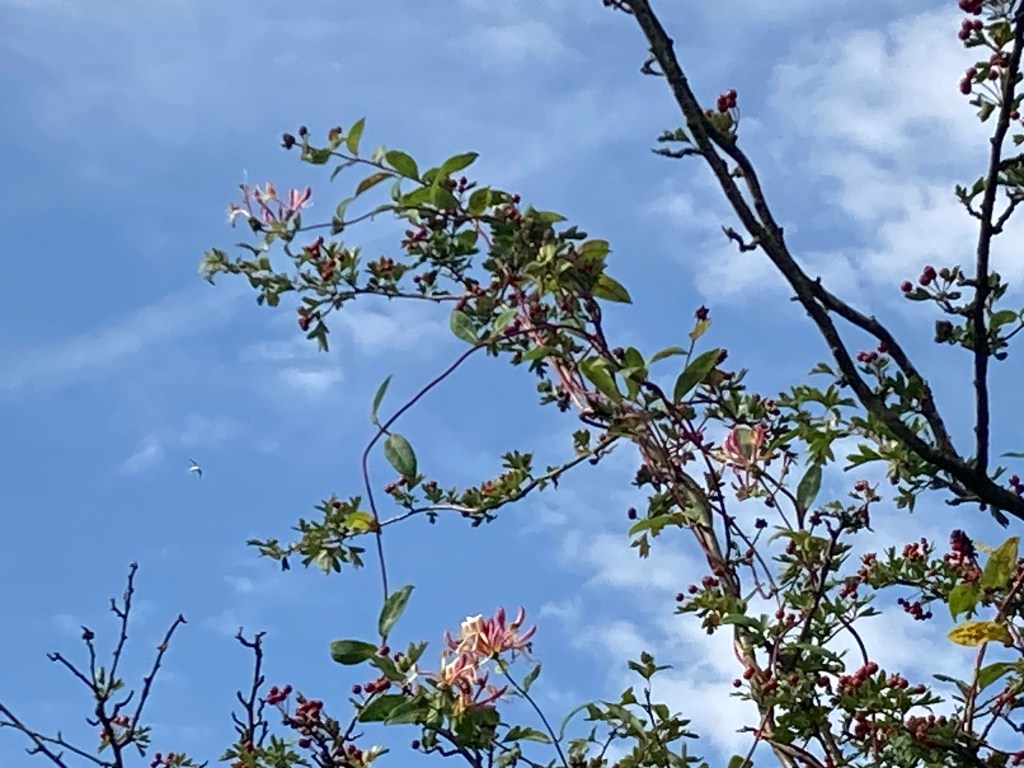
The hazel bloom is hung
where beams are shining;
The honey-bine hath clung,
garlands entwining,
for one who wanders lone
unto that bower unknown
and finds a world, his own,
pure joys combining.
Then, bringer of new life,
welcome thou hither;
And welcome, too, the strife
of changeful weather!
Oh! ever young and fair,
cast from thy storm-blown hair
bright drops, and snow-pearls fair
for earth to gather!
Biography of Samuel Bamford
Samuel Bamford (1788-1872) was a Lancastrian radical reformer, poet, and writer most often associated with the early Victorian era through his later life, writing, and activism.
Born on February the 28th, 1788, in Middleton near Manchester, Bamford came from a working-class family. His father, Daniel Bamford, was a skilled muslin weaver, part-time teacher, and Methodist, while his mother also contributed to weaving as well as looking after the household.
Raised in a modest environment during the infancy of the Industrial Revolution, Bamford received a limited formal education but developed a strong interest in reading, writing, and self-improvement. As a young man, he worked as a handloom weaver (initially on cotton but later silk) and became deeply involved in radical politics. He advocated for parliamentary reform, including universal (male) suffrage and better conditions for the working classes.
Bamford helped organise peaceful political meetings and was a key figure in the events leading to the Peterloo Massacre on August the 16th, 1819, at St Peter’s Field in Manchester. He led a contingent from Middleton to the demonstration and was arrested afterward, for this he served over a year in Lincoln Castle prison, where he wrote some of his most stirring radical poems and songs, which were sung by supporters.
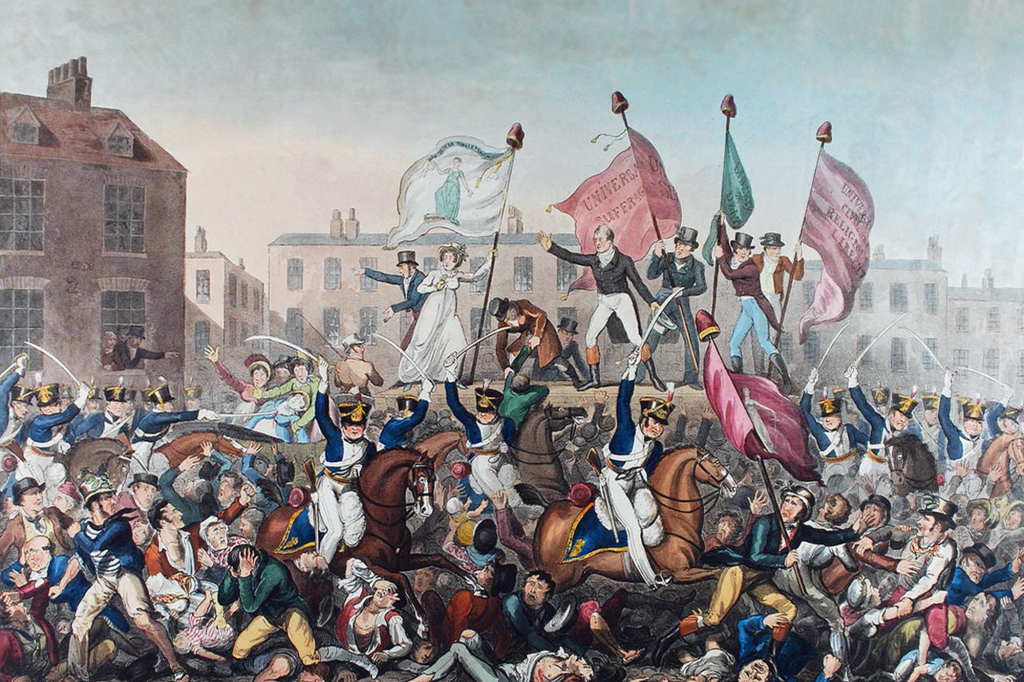
After his release, Bamford distanced himself somewhat from extreme radicalism but remained a vocal commentator on social issues and turned more to literature, journalism, and cultural preservation. His poetry included both standard English lyrical works, exploring themes of nature, love, life, and death, and dialect pieces in Lancashire vernacular that captured working-class life and sympathy for ordinary people. Notable publications include:
- The Weaver Boy (1819)
- Homely Rhymes (1843)
- The Dialect of South Lancashire
His most enduring prose works are his autobiographical writings, especially Passages in the Life of a Radical (published in parts from 1840 to 1844), a vivid firsthand account of working-class conditions, reform movements, and Peterloo, which remains a key source of material for historians.
In later life, Bamford worked as a correspondent for newspapers like the Morning Herald, providing him some financial stability, he also wrote on northern English dialect and local customs.
Samuel Bamford died on April the 13th, 1872, in Harpurhey, Lancashire and is remembered as a self-taught ‘poet of the people’ who accomplished the difficult feat of bridging radical activism with literary expression, giving voice to the struggles and dignity of Lancashire’s working classes during what was perhaps the most transformative period in British history.
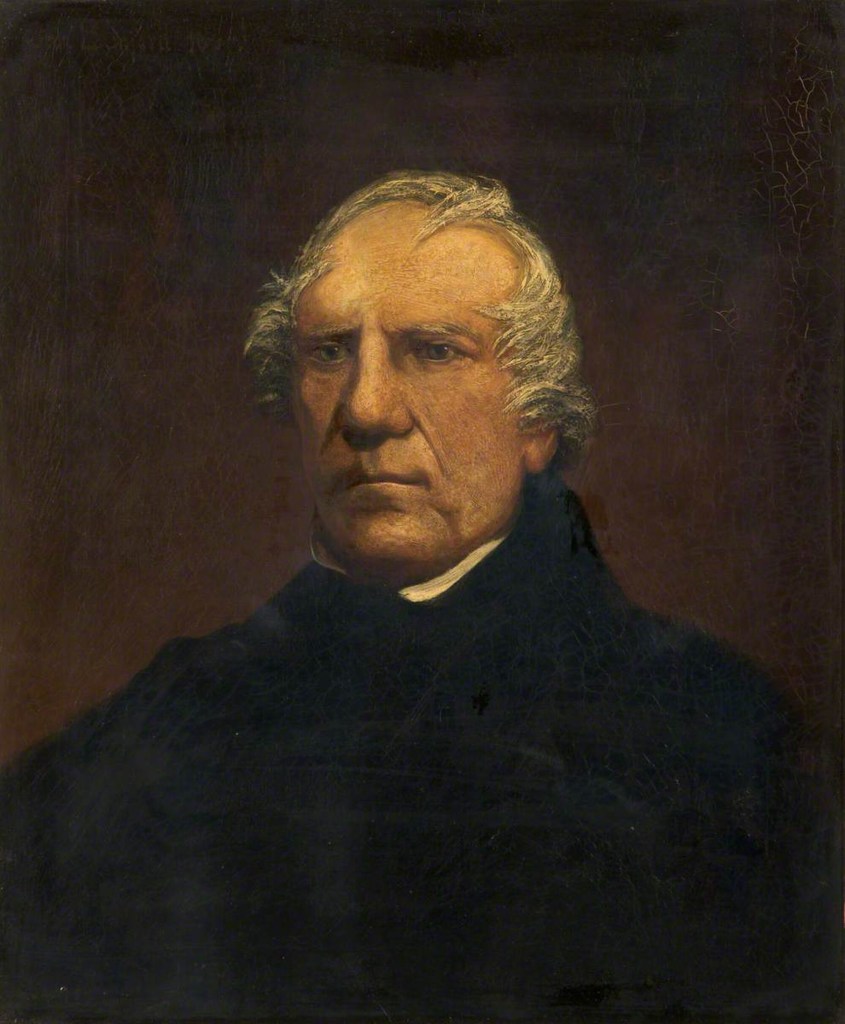
‘The Radical’, by Charles Potter (1832-1907)
If you enjoyed this you can show your appreciation by buying me a coffee, every contribution will go towards researching and writing future articles,
Thank-you for visiting,
Alex Burton-Hargreaves
(March 2026)
 Northwest Nature and History