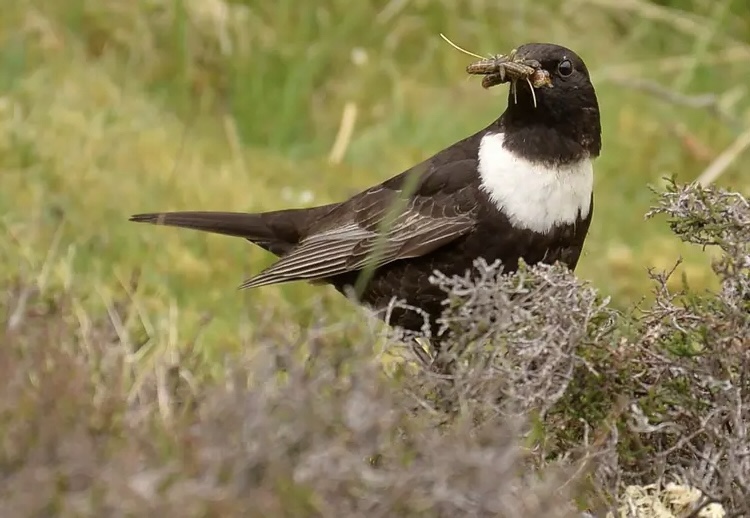
The Ring Ouzel, Turdus torquatos is a member of the Thrush family and in appearance is similar to a Blackbird, indeed another common name for them is the ‘Mountain Blackbird’.
They are quite a smart looking bird, jet black all over except for a bright white band across their breast, this is referred to in the second half of their scientific name, torquatos which means ‘collar’.
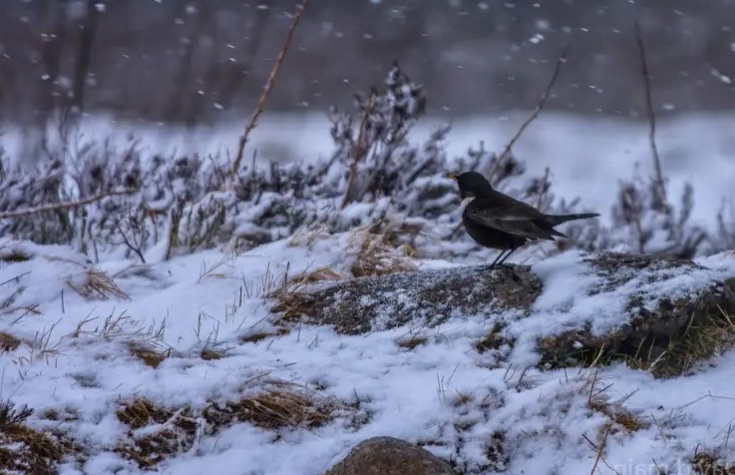
Creature of the high fells
It is a creature of the high fells, found mainly in the north of England and the Scottish highlands, preferring to keep to the craggiest, steepest bits of the hills, it is also quite secretive and so particular in the places it lives as to be very rarely seen by any but the keenest-eyed observers.
There are estimated to be over 6000 pairs in the British isles but numbers are declining, possibly due to loss of habitat and increasing disturbance from humans as they require a quiet place to breed, globally they are listed as of ‘least concern’, as the only country where numbers are declining is the U.K.
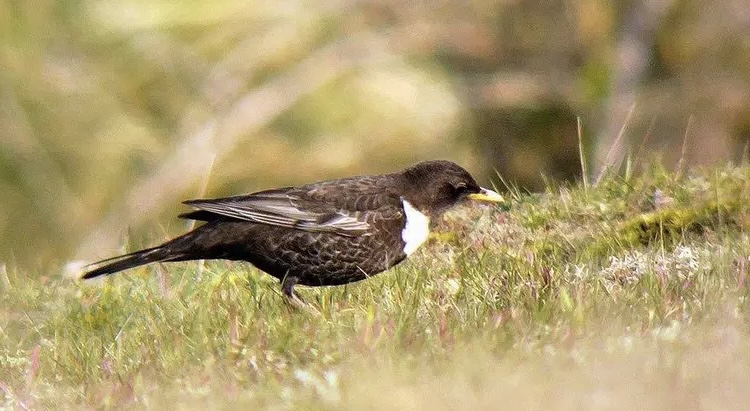
Quiet and seclusive
Breeding season is between April and July, which is also high tourist season, so in popular resorts like the Lake District they face a lot of disturbance when they arrive back from their winter grounds in the Atlas Mountains of North Africa.
A pair will build a nest in an inaccessible place such as in deep, thick heather, on a crag or cliff or on a steep slope. Though they tend to avoid thick woodland and grazing animals which further restricts the areas of the fells they can breed in.
They will attempt to rear two broods in a year which means they are kept very busy flying to and fro feeding their young. They forage in grassland and heather but will also fly down to sheep meadows to find their food which consists of earthworms, beetles, caterpillars, moths, flies and any other insects they can find.
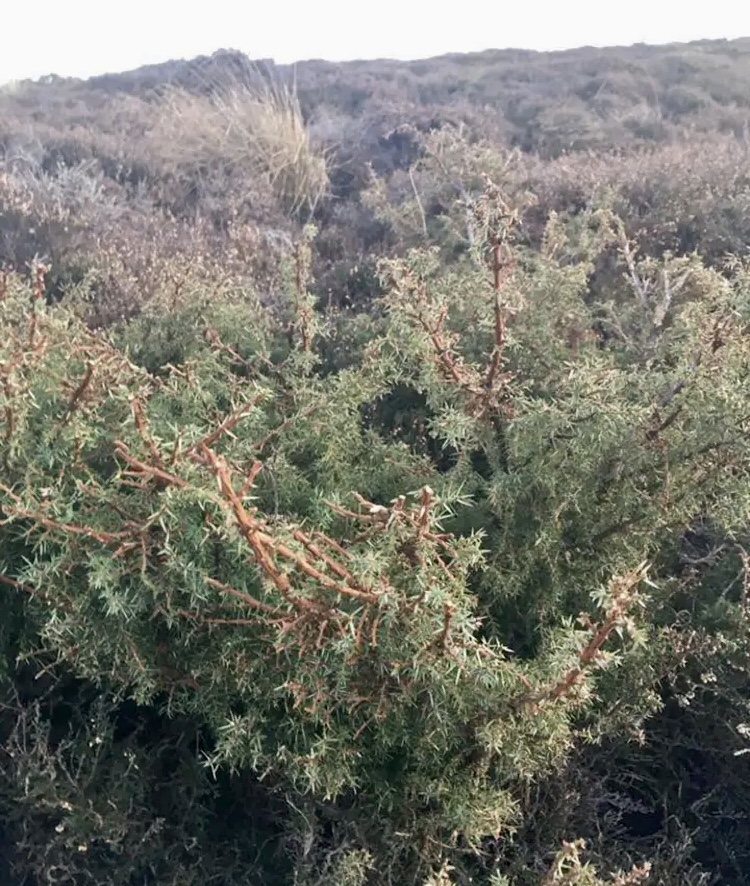
Bilberries and Juniper
Berries are also an important part of their diet, in Bowland they have plenty of Bilberries to fatten up on and later in the year they will flock to fruiting Rowan trees, there are also a few patches of Juniper left on the northern slopes of the Bowland fells although these are at risk of dying out and rarely produce berries.
Juniper bushes and Ring Ouzels have a mutual relationship, the Ouzel follows patches of juniper through the country on their migrations and fills their crops full of their berries and the Juniper benefits from the Ouzels patent seed dispersal system! Juniper berries germinating much better once they have been through a birds digestive system and the seeds being deposited in the sorts of craggy places they both prefer.
In Bowland there are estimated to be between 10 and 15 pairs, I’ve seen and heard them in the Fiendsdale valley which leads into Langden and in Far Costy Clough which leads into the Upper Hodder, they are quite often heard rather than seen though.
The Mountain Blackbird has a mellifluous song, similar to the Blackbirds but simpler and somewhat sweeter to listen to, they also make a ‘chak’ sound which is their alarm call, they will lead you away from the nest making this sound and flitting from bush to bush and if you see this the best thing to do is retrace your steps and go around the valley from the top so you don’t disturb them further.
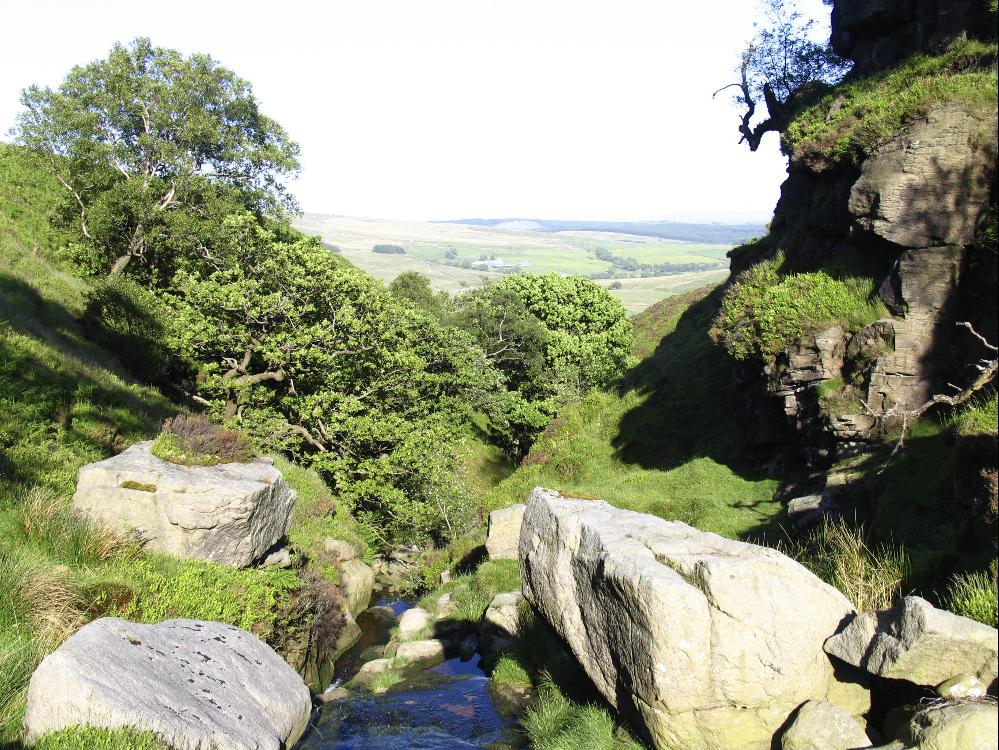
Habitat management
Managing the perfect habitat for Ring Ouzel has proven to be very difficult for conservationists as the species has such particular requirements, but there are several things land managers can do to help them;
Heather
Heather can be burnt or cut to create open spaces and encourage other flora such as grasses so a mosaic of both is available.
Grazing
Grazing can be controlled to stop too many animals disturbing them but with enough grazing to control tree growth.
Planting trees
New tree plantations can be planned to avoid the craggy cloughs that they live in, as they don’t like woods and dense tree cover.
Creating bogs
Drainage channels can be blocked, this is being done in some areas in Bowland and the Pennines with a material called coir, to create boggy areas full of insects.
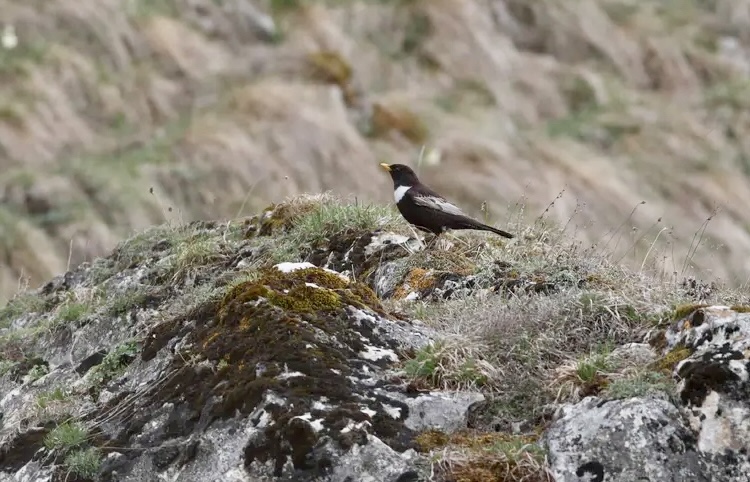
Conservationists and land managers in Bowland are making sure that with any new schemes or projects they consider the Ring Ouzel, as it is such an iconic bird of the fells. This shy and handsome bird also becomes a firm favourite of anybody that is lucky enough to hear or see one, if you are fortunate enough to chance upon an Ouzel in one of bowlands wild and beautiful cloughs you will understand why too.
To keep up with sightings of Ring Ouzel near you why not checkout the latest news from the Ring Ouzel Study Group.
A B-H
 Northwest Nature and History
I used to see them regularly in the upper Langden Valley and Haredon. A beautiful bird.
LikeLiked by 1 person
They are a beautiful bird, like a more sophisticated version of the common blackbird (I wonder which evolved first?) they are slenderer (is that a word?) and have longer tails, also their song is more refined, I find it telling that their range is reducing in the British isles, I do think it’s because they are so susceptible to disturbance and there are so few places that are left alone by humans now in this country, though I realise this might be a controversial idea, what do you think?
LikeLiked by 1 person
Not many people get into the higher cloughs of Bowland, so they should stand a chance to prosper, I don’t think they are persecuted like the raptors.
LikeLike
I think the current lot of keepers are a lot more enlightened then their predecessors were, vis à vis the recent success with Hen Harriers, but I am by no means a summer child regarding raptor persecution.
I’ve worked as a keeper myself, in the Bowland area and Southwest Scotland, I’ve got a ND and HND level 4 in gamekeeping and wildlife conservation under my belt ( I fully understand why people can see a contradiction here) and I’ve studied ecology at Northumbria University too.
Sorry i’ve got to suddenly cut this conversation short, but if you want to ask me any questions about gamekeeping or anything be assured I will be frank and unbiased in my replies, sorry got to go!
LikeLiked by 1 person
May get back to you.
LikeLiked by 1 person