

Quernmore is a small, picturesque, and very peaceful village situated on the western fringes of the Bowland fells about 3 miles east of Lancaster, its population as of the 2011 census was 567 although it is thought to have once been much more when it was a local hub for farming and quarrying.
The village is thought to be named after quern stones which were manufactured here out of gritstone quarried from the sides of nearby Clougha Pike and there are several prehistoric sites around the village including nearby Bleasdale Circle, an early-Bronze Age wood-henge, which show that there has been a settlement here for thousands of years.

The Post Office
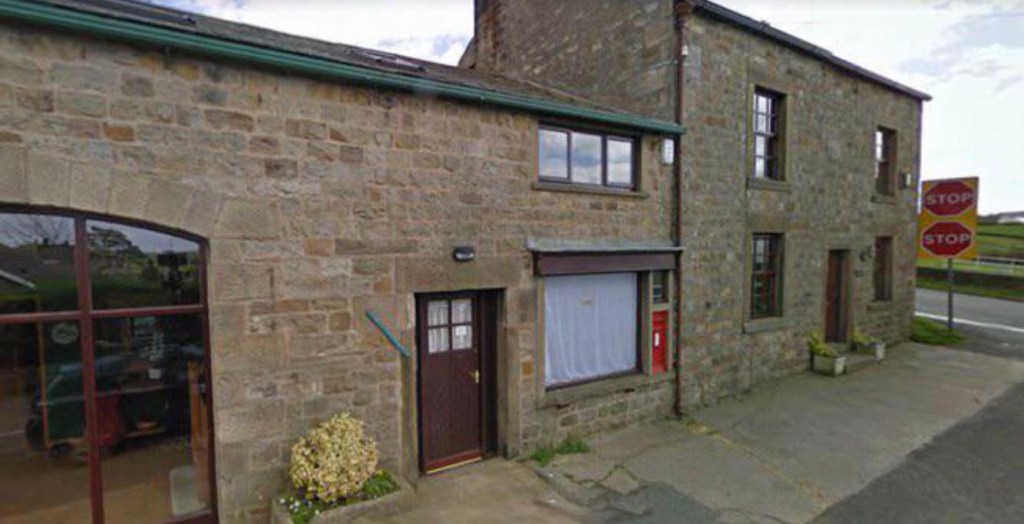
The village of Quernmore, pronounced “Kor-mer”, is centered around a road junction, which is where the Temperance Hotel was situated (colloquially known as ‘The Temp’), at the end of a small row of houses known as Quernmore Brow.
It is now a private residence and a Post Office, and was scheduled for closure in 2008, which would have left residents the only options of travelling to Lancaster or waiting for the mobile post office to turn up twice a week at the church hall, but managed to stay open and still maintains some functionality as a post office serving the village, if only between 9:30 and 11:30 on a Monday. (Disclaimer: This article was originally written in 2021 so may be out of date)
Dog and Partridge
Before the building became a post office it was a Temperance house (I’ll explain about temperance houses later in this article), but before that it was the village’s pub, and was called the Dog and Partridge.
It is said to have been a very popular drinking establishment for a long time, and it was, being right at the edge of the Wyresdale stronghold of the Methodist movement, the only drinking establishment for quite a wide area. In the late 1800s the pub ended up being the nearest and preferred boozer for navvies constructing the Thirlmere aqueduct , which transported water from the Thirlmere reservoir in Cumbria to the burgeoning city of Manchester.
This was completed in 1894, but not before the presence of crowds of loud and rowdy navvies spending their wages in the pub had caused a great deal of outrage, consternation, and general tutting in the village and the staunchly Methodist neighbourhood.
The uproar and general furore around the popularity of the pub led to the landlords having to surrender their licence and the Dog and Partridge served it’s last tankard in 1900.
We bind ourselves that others may be set free
The Temperance movement (one of its many mottos is above) in the United Kingdom began in the 1830’s and was a response to real and well-founded concerns about rampant alcoholism and the poverty, decline in moral standards and general social collapse that it led to.
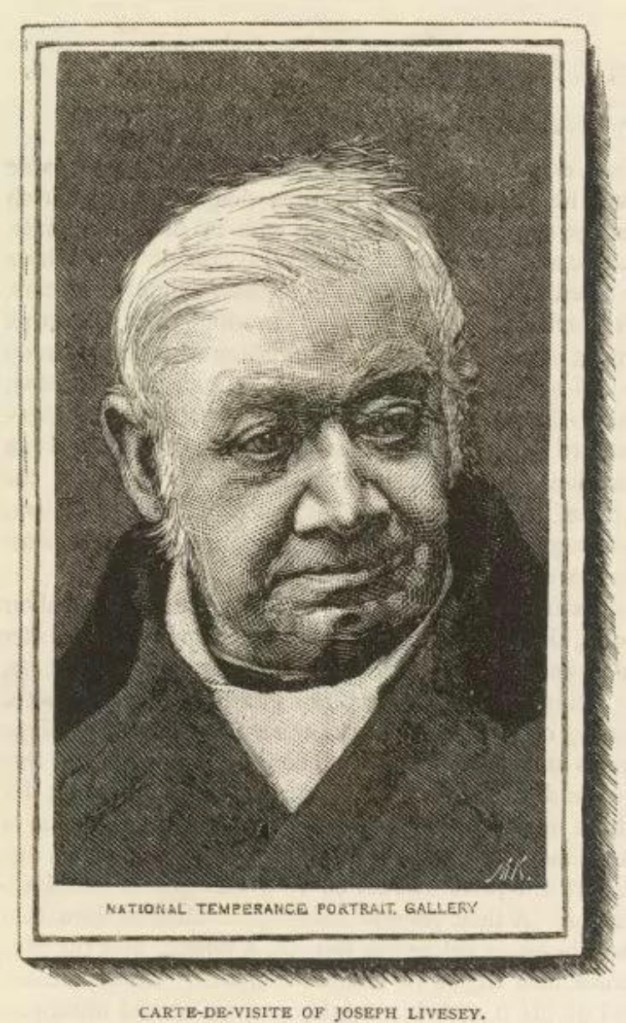
As a movement it really took off and had many backers in government, business and especially the church, many drinking establishments around the country were closed and adapted to become temperance houses, or other variations along the theme of sobriety. The Teetotal Temperance movement, founded in Preston in 1832 by Joseph Livesey, was the local branch of this movement, under whose aegis the village of Quernmore fell, and their aim was this:
‘sensible of the importance of not only persuading the drunkard to leave those dangerous places of resort, the public houses and beer and gin shops, but the imperative necessity of providing them with suitable and innocent places of amusement as substitutes’.
They hoped to achieve this by:
‘opening reading rooms, either separately or in conjunction with coffee houses, supplied with generally useful books’
‘endeavouring to form writing and reading schools’
‘the delivery of monthly or weekly lectures on important subjects connected with the interests of the working classes, in addition to meetings held on behalf of temperance’
‘establishing friendly societies or sick clubs in private rooms and not in public houses’.
The Temperance Hotel was reopened along these guidelines as a hotel and for the next few decades became established as a cafe combined with a post office and general store, it served the community very well until the mid 1980s when it was sold and became the private residence and post office it is now.
A B-H


When I first started researching my Bibby ancestors, a census said my Gt. Gt. Grandfather was born in K. Moor. This led me a merry dance. Eventually, I found that it was Quernmore. The enumerator probably didn’t know how to spell it.
LikeLiked by 1 person
I must admit that when I first knew about the place, after cycling through it as a teenager, I thought it was pronounced “kwernmoor” and was very puzzled when I was corrected!
LikeLike