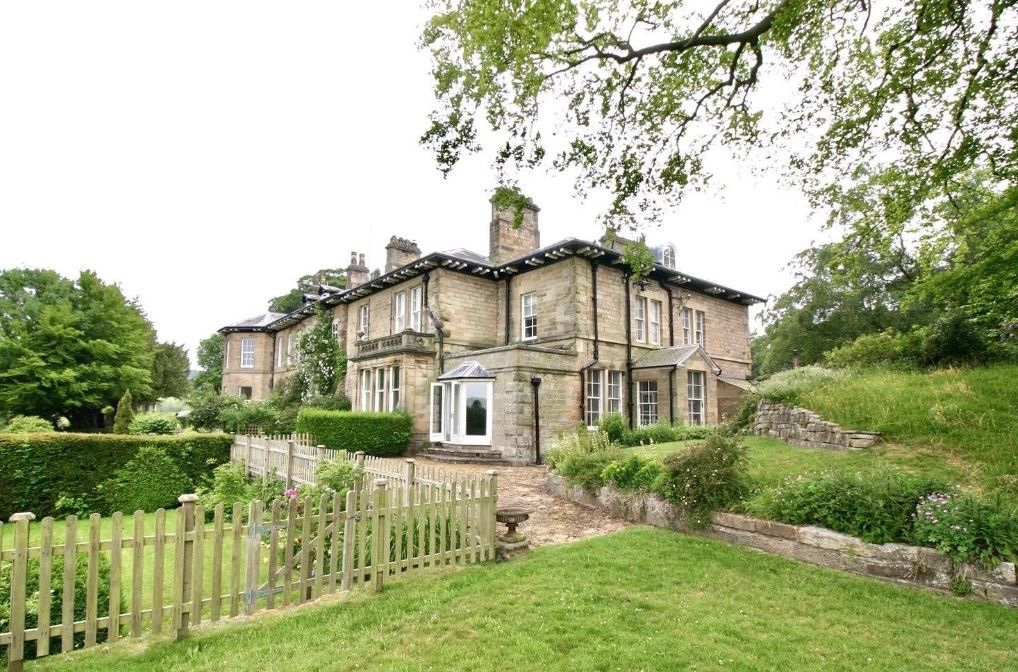
Escowbeck house is a rambling country manor near the village of Quernmore (pronounced “kor-mer”) on the Western edge of the Forest of Bowland, built in 1842 and surrounded by 20 acres of landscaped parkland.
Escouthebroc
Its unusual name is Norse in origin, coming from ‘eski’, meaning Ash tree, ‘hofud’ meaning hill, and ‘bekkr’ meaning beck or stream, recorded as Escouthebroc in 1225 and Escouthe bec in 1241, referring to its location on an Ash-tree covered hill by a beck.
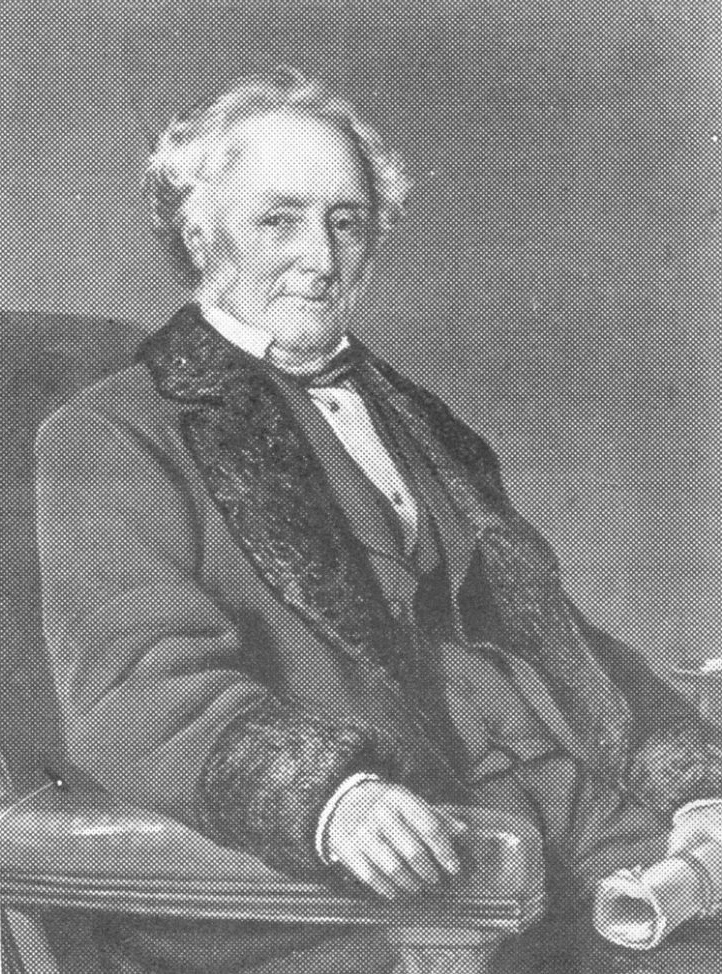
John Greg’s many achievements
The house was built by John Greg after his father Samuel Greg moved to the area with his family in the early 1800s to set up and operate a cotton mill, Low Mill, in the nearby village of Caton. John Greg was a very busy and accomplished man, in the many years that his family lived at Escowbeck he achieved many things.
He was the mayor of Lancaster no less than 3 times, a magistrate and the port commissioner. He also founded the Lancaster Guardian newspaper in 1837.
The Observatory
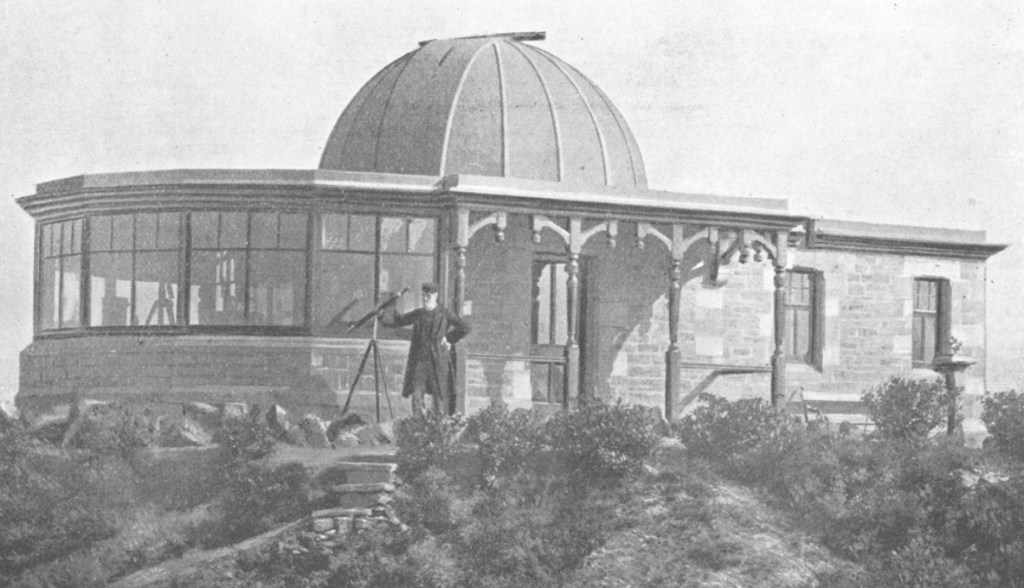
One of John Greg’s many interests was astronomy. He built a wooden observatory with stone foundations in the grounds of the estate to which he invited friends and inquisitive members of the public, John Greg is widely credited with the discovery of the Geminid meteors which he meticulously recorded the occurrence of from this observatory.
His brother Robert and his sons Phillip and John also shared his keen interest in astronomy and upon his death in 1882 bequeathed the observatory to the Lancaster Corporation, the corporation moved the observatory to Williamson Park in Lancaster where it was open to the public. Enquiring citizens could even ask for the keys so they could visit it after open hours and it became a very popular attraction, sadly all that remains of the observatory now are concrete foundations which sit forgotten in a corner of the park.
1900’s to present day
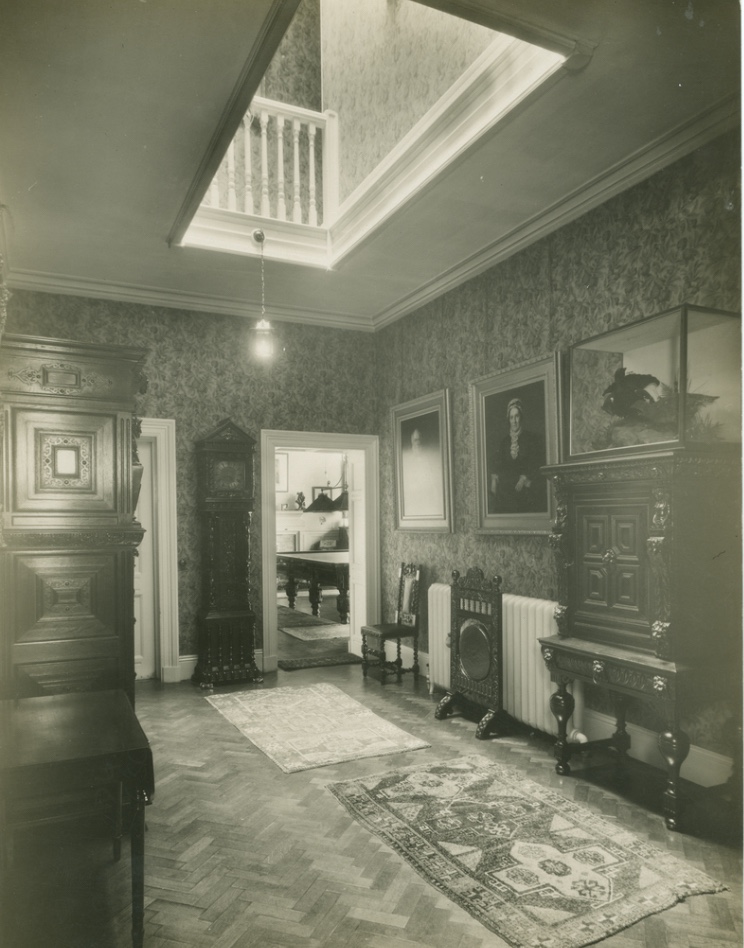
Escowbeck house is now a private property and very hard to see from outside the estate, John Greg designed the landscaping so that he couldn’t see any of the properties he owned, such as Low Mill, from within the grounds. He also had the beck diverted through a fishing lake in the middle of the grounds, though this is long since gone.
After the death of John Greg the house was leased to the Dobson family, this was at the time of a national Typhus outbreak and the family isolated themselves at the house completely for over a year, after that it was passed to Sir Norman Seddon-Brown, knight of the realm and CEO of Amalgamated Cotton Mills. In the 1950s the house was broken up into 5 separate apartments which are very popular with their owners. (At the time of writing one of the apartments is up for sale at £700,000)
A B-H

