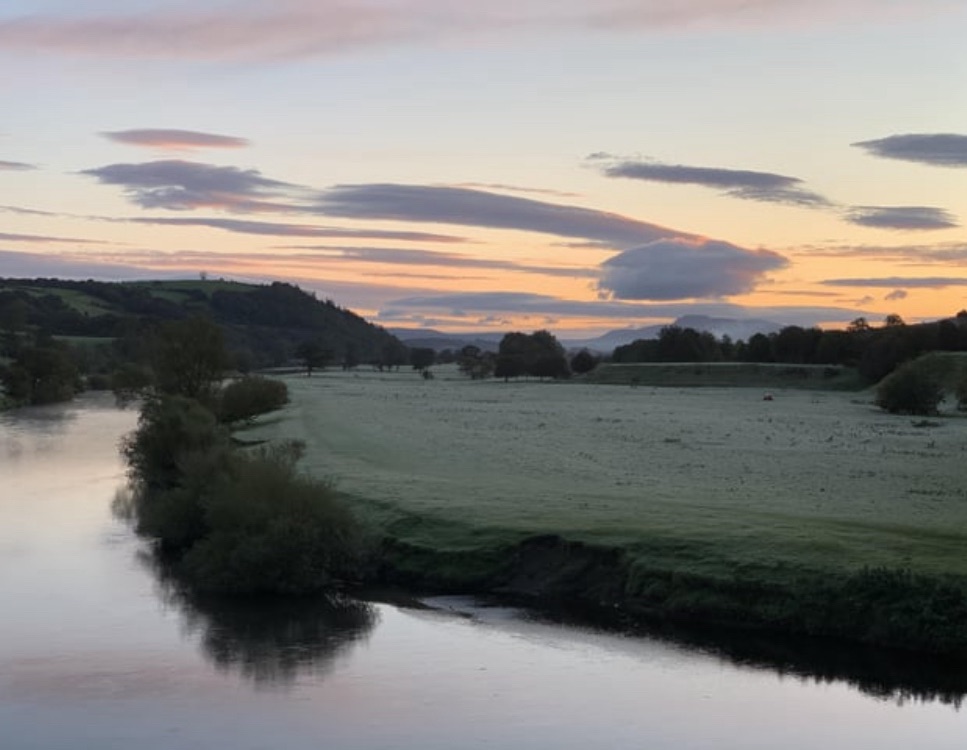
Part One, an Introduction
The Crook o’ Lune is well-loved beauty spot on a sweeping bend of the river Lune, famous for its panoramic views up the wooded valley towards the distant moors. Locally very well-known it has been a destination for many generations of daytrippers, with a grassy green picnic site, river banks for children to play on and a cafe, ‘woodies’ which is very popular with cyclists and until recently was run by councillor and local celebrity Paul Woodruff .
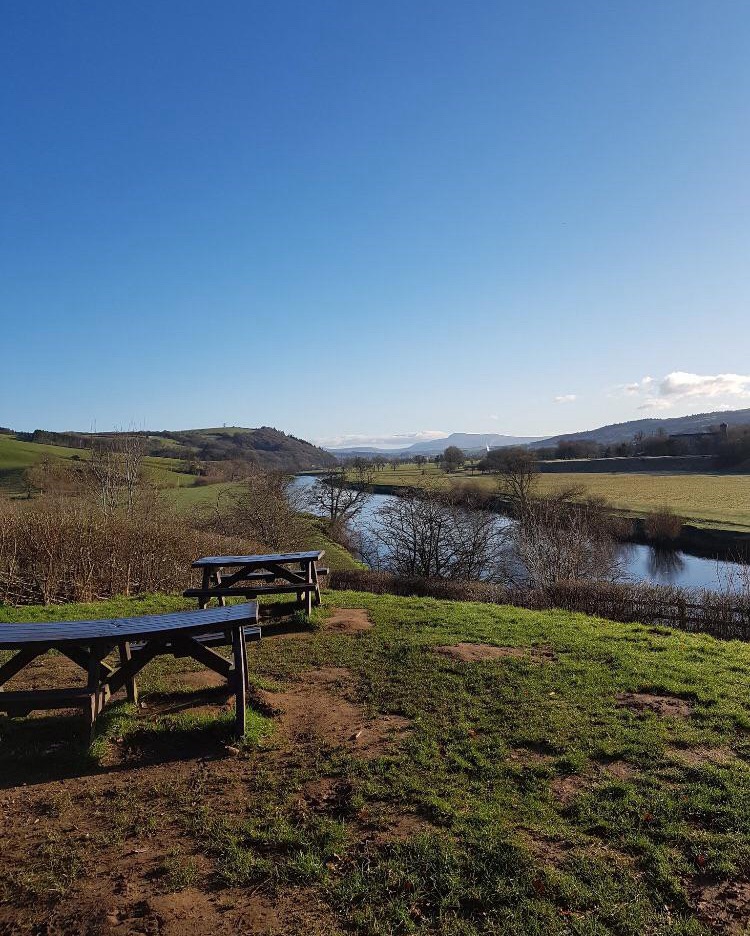
There are several walks which start from here along the river and into the surrounding countryside including a short route that passes through a very picturesque wood which was planted as a memorial wood by the life for a life organisation, and a wildflower meadow, Hermitage fields, which was created and is looked after by local residents.
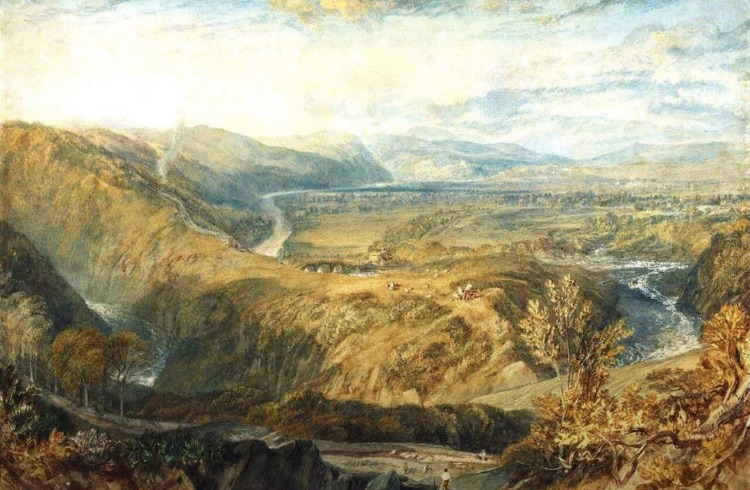
This was a favourite spot of the artist Joseph Mallord William Turner who painted this scene in 1820 and again in 1821 when he painted the view towards Hornby Castle, it is still very popular with artists and photographers today.
Crossing the Lune
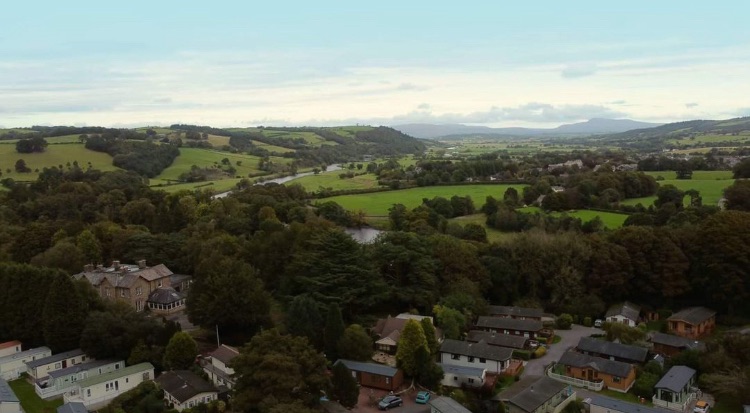
Crossing the river nearby is a medieval bridge over which crosses the Dales way, thought to have once been part of an ancient drover’s route, also a disused railway bridge which used to convey the Hellifield to Lancaster railway but now carries the way of the roses cycle path from Morecambe to Bridlington. In 2001 the Lune millennium bridge was built over the river as part of the millennium park which includes a 8 mile-long sculpture trail .
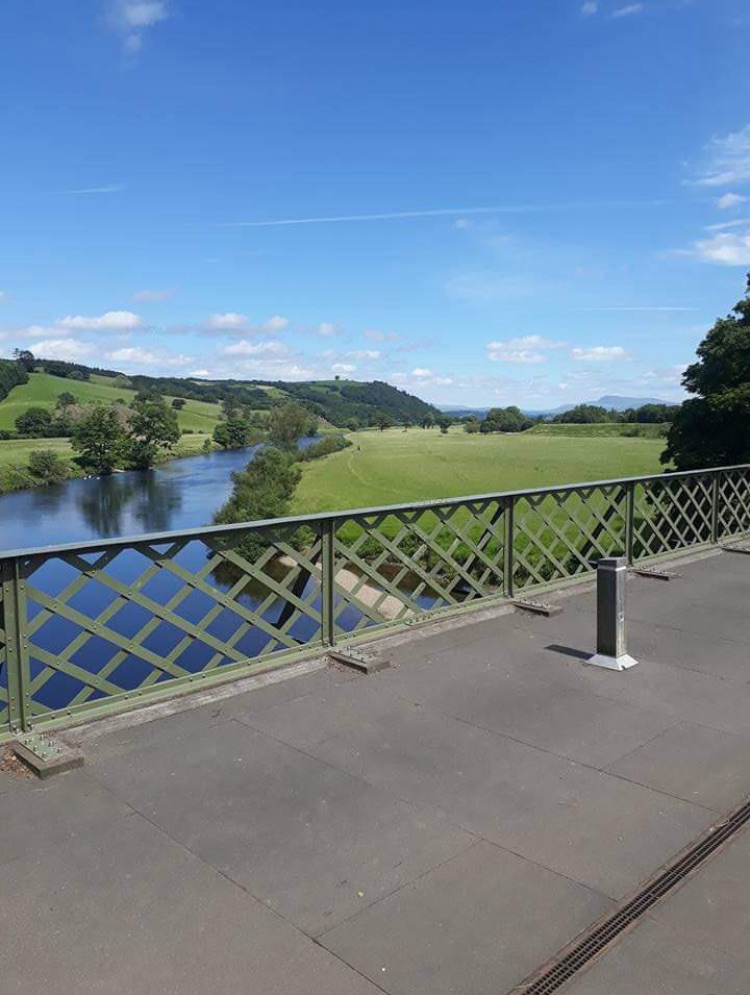
The shepherd’s crook-shaped loop in the river after which it is named is also a good spot for wild swimming as the waters are usually clean and clear, and the night sky here is relatively unpolluted by light which makes it a good location for stargazing. The river is also widely renowned amongst kayakers and canoeists, with the rapids at Halton downstream being quite tricky and fun to negotiate .
In part Two we’ll look further into the rich history of this corner of the country, including sites of interest including Hermitage Fields and the local community pollinator patches and some of the other artists that have attempted to capture its beauty over the centuries.
Correction (see comments):
The Community Pollinator Patches in the Lune Valley have been managed by Community Pollinator Patches since 2018, not Lune Valley Beekeepers. Erica Sarney leads the community team who manage and care for these sites as volunteers who plant and grow all the wildflower plugs in Lancaster City Council Polytunnel and Glasshouses. Lancashire Council support the end of term cutting of the sites and the Forest of Bowland National Landscape provides seeds and specialist advice.
A B-H
(Sep 2024)
 Northwest Nature and History
The Community Pollinator Patches in the Lune Valley have been managed by Community Pollinator Patches since 2018, not Lune Valley Beekeepers. Erica Sarney leads the community team who manage and care for these sites as volunteers who plant and grow all the wildflower plugs in Lancaster City Council Polytunnel and Glasshouses. Lancashire Council support the end of term cutting of the sites and the Forest of Bowland National Landscape provides seeds and specialist advice.
LikeLiked by 1 person
Thank-you for correcting me, i’ll edit the post straight away, I think this article is one i first drafted quite a few years ago and didn’t update thoroughly enough, I’ll have to follow Community Pollinator patches a bit more as the work they’ve done so far is great to look at, again thanks for the info 🙂
LikeLike