The Ecology and Biology of Coltsfoot (Tussilago farfara) and its Medicinal and Confectional uses, including a Recipe for a Herbal Tea
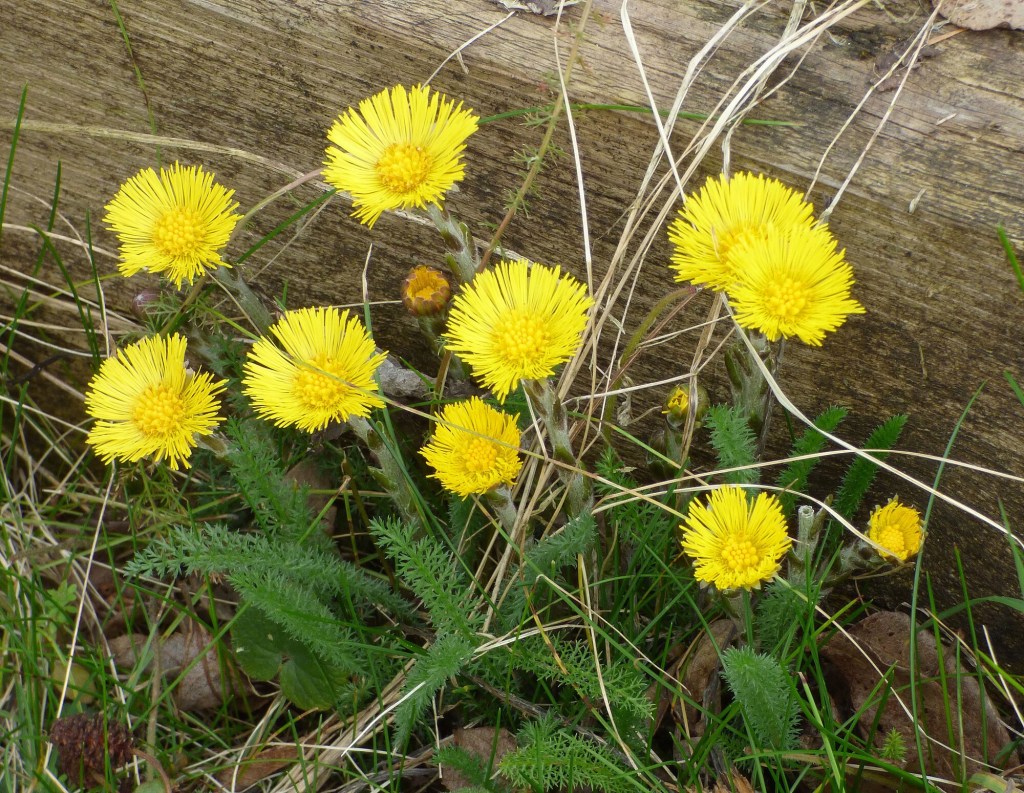
foliage belongs to another plant species
(Gail Hampshire)
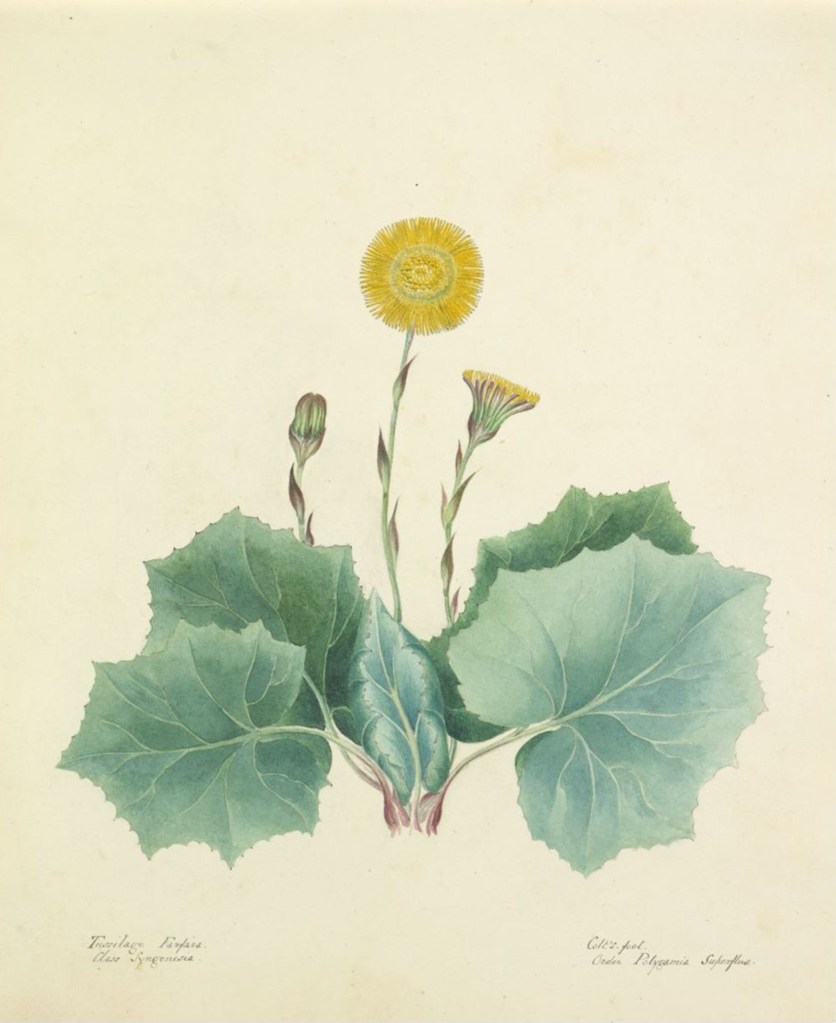
Coltsfoot, Tussilago farfara, a member of the Asteraceae family, is a perennial herb known for its bright yellow, Dandelion-like flowers that emerge early in spring, often before its broad, hoof-shaped leaves appear. This unique blooming pattern has earned it folk names like ‘son before the father’ and ‘foal’s wort’.
Native throughout the British Isles it thrives particularly well in the Northwest’s damp climate where it’s a familiar sight on disturbed grounds, bringing a splash of colour to otherwise barren winter landscapes.
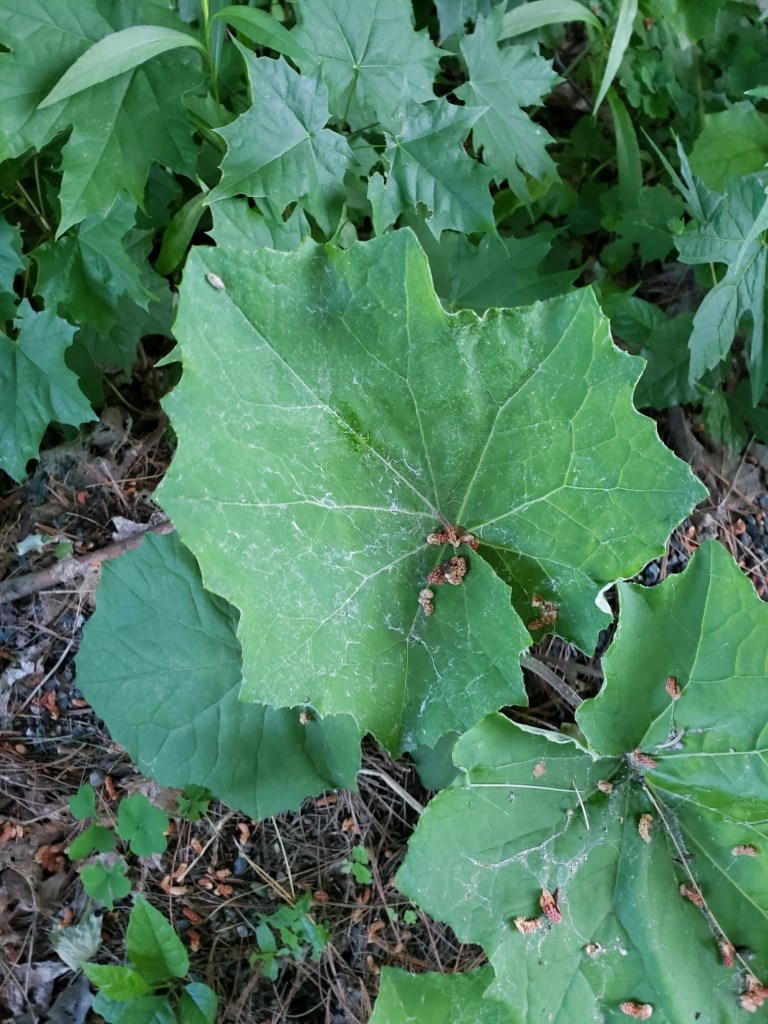
(Patrick Jackson)
Habitat and Distribution
Commonly found in damp, bare, or disturbed habitats such as roadside verges, waste ground, field edges, hedge banks, and arable land coltsfoot prefers clay-based soils and can tolerate harsh conditions, appearing along gravel roads, forest paths, ditches, cliff tops, and even landslides.
The plant spreads via creeping rhizomes and seeds, making it a pioneer species on exposed sites where it stabilises loose ground so that successive plants can take root, it also breaks up man-made materials like concrete.
Flowering from February to April, its scaly stems rise to about 15cm, topped with composite flower heads that provide early nectar for pollinators.
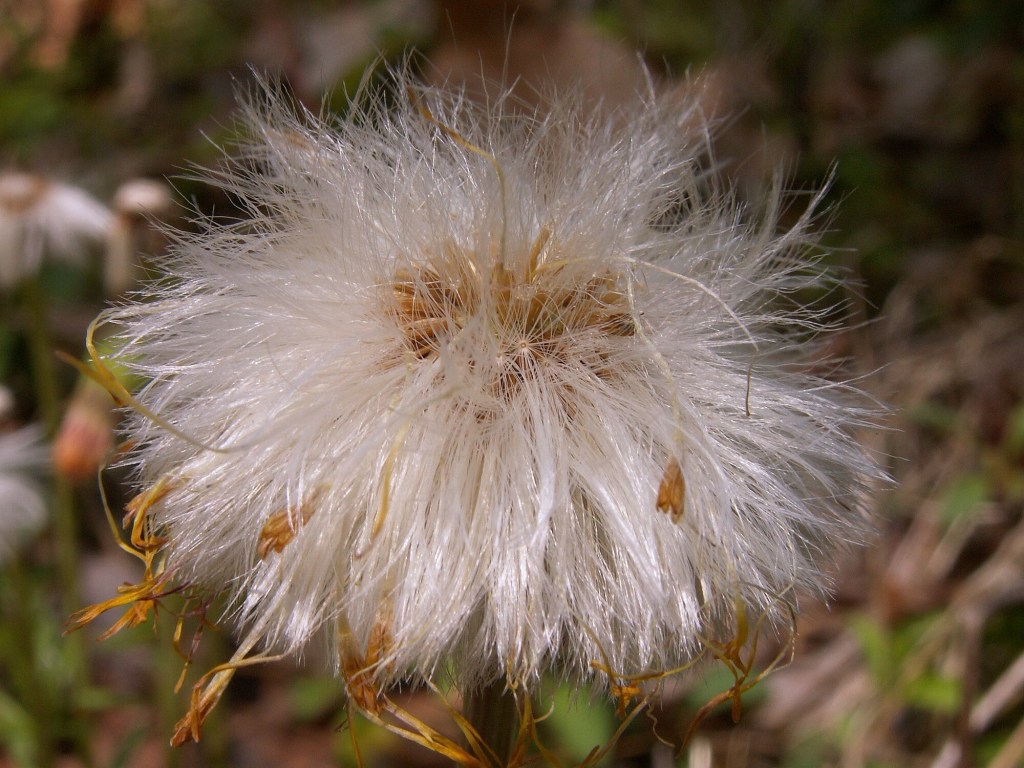
Seed heads later form fluffy clocks, aiding dispersal and serving as nesting material for birds like Goldfinch.
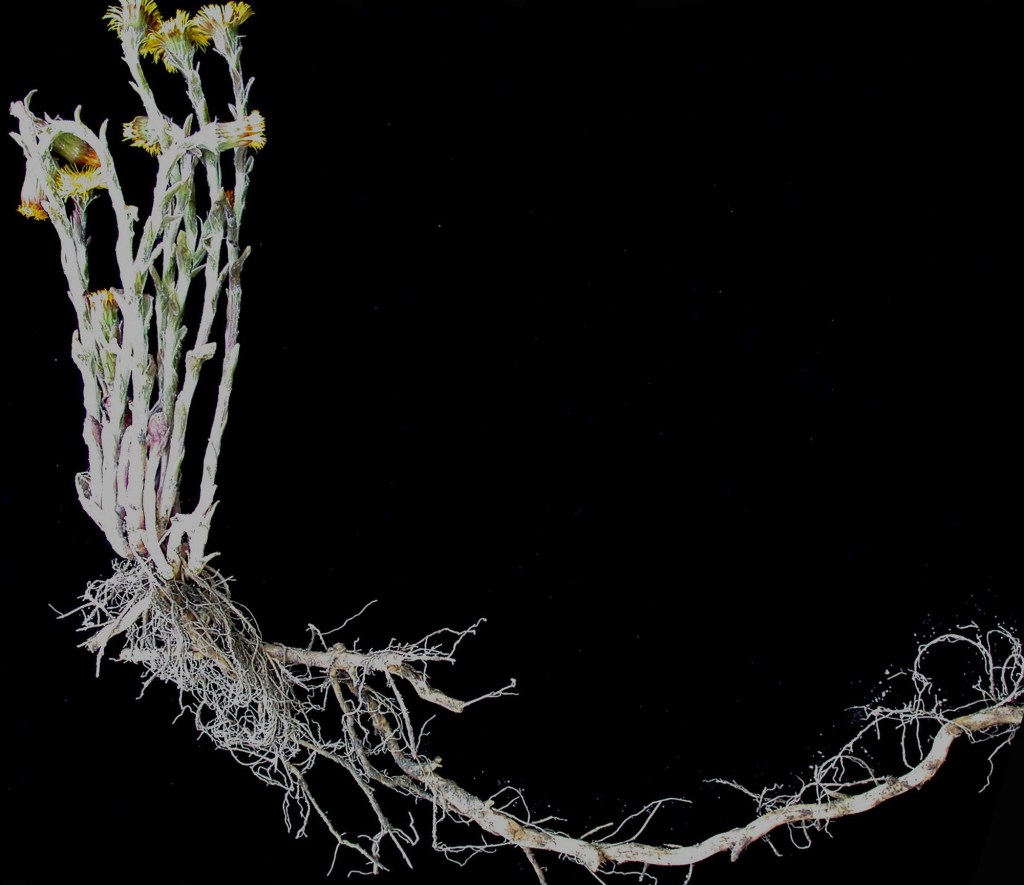
(Image by Gilles Ayotte)
Herbal History
Coltsfoot is deeply rooted in our herbal history but is now most commonly known as the main ingredient in a unique and very distinctively flavoured confectionery which you can learn more about in the next chapter (and which I’m very partial to!)
For centuries it was smoked, or brewed into teas for respiratory relief, earning names like ‘coughwort’, as its leaves, flowers, and roots contain mucilage, flavonoids, and other compounds that provide soothing, anti-inflammatory, and expectorant effects.
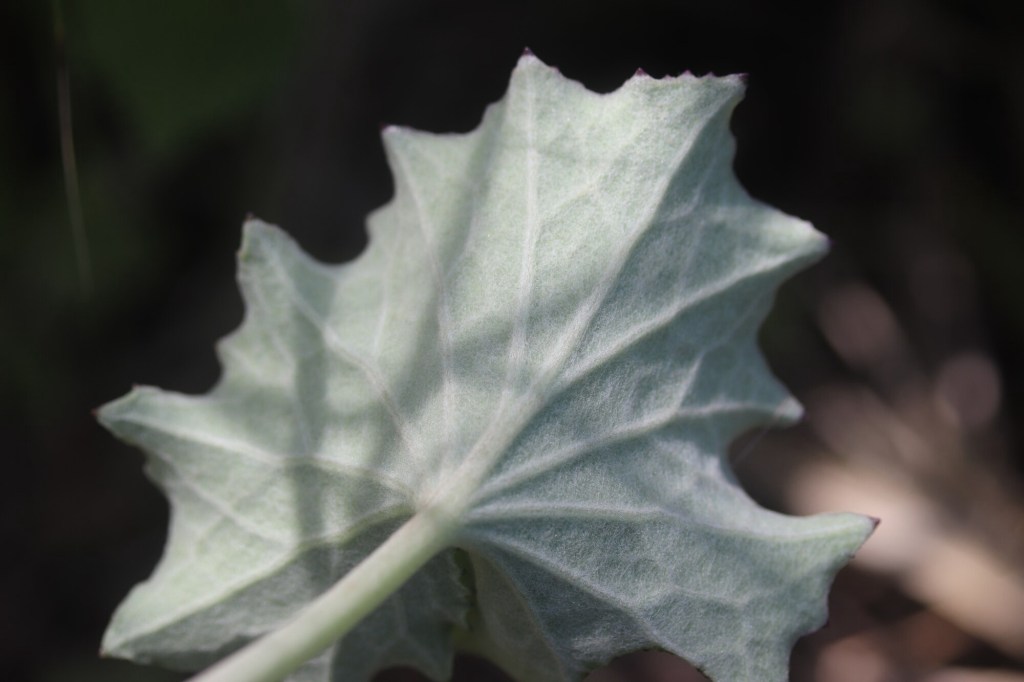
Farfara, the plants ancient botanical name, comes from far (‘flour’) and fero (‘to carry’), referring to the white, woolly hair on the underside of the leaves
(Michael Langeveld)
Traditionally pharmacists would recommend it for treating coughs, asthma, bronchitis, whooping cough, sore throats, and wheezing. Modern studies have found that it alleviates chronic conditions like emphysema and silicosis, and it’s noted for anti-microbial, anti-oxidative, and anti-diabetic properties too.
The Chinese have known about its detoxifying effects for centuries, frying its flower buds in honey to be eaten or applied externally to treat skin inflammation, wounds, and burns.
Europeans prefer to use its leaves, however caution is essential as coltsfoot contains pyrrolizidine alkaloids (PAs), which can be hepatotoxic (poisonous to the liver) and carcinogenic with very high doses or prolonged use.
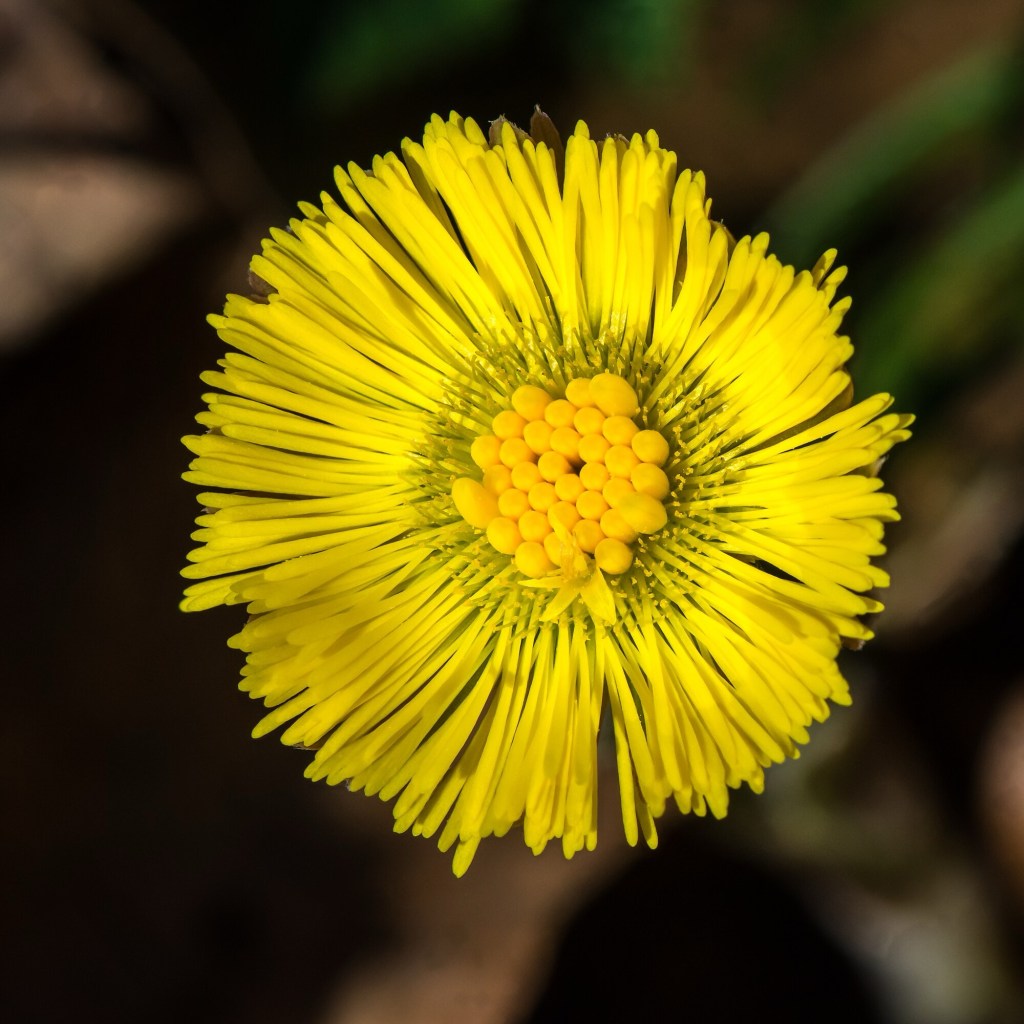
Tussilago derives from tussis (‘cough’) and ago (‘to act on’).
(Image by Uoaei1)
Coltsfoot Rock and Stockley’s Sweets
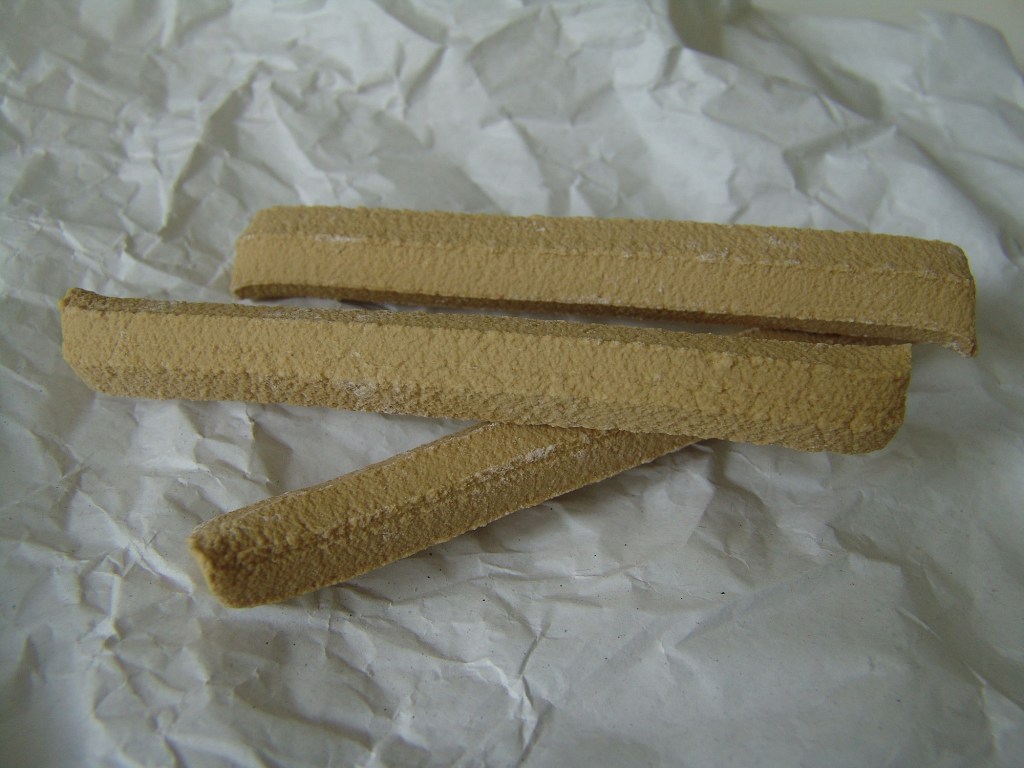
Coltsfoot rock is a very unique and distinctive traditional Lancashire confectionery made from a dried paste infused with coltsfoot extract and formed into a hard stick with a subtle flavour often described as mildly liquorice-like or herbal.
Unlike the brightly coloured sticks of rock you might have brought home from a day-trip to Blackpool with letters running through them, coltsfoot rock is typically plain in appearance; formed into simple hardened brown and peculiarly ridged sticks that appeal more for their taste and texture than the garish visual Blackpool flair.
Its origins come directly from the medicinal reputation of coltsfoot that we covered earlier which, in the early 20th century, led to the creation of a form that captured those cough-relieving properties. As you can understand a sweet treat that doubled as a gentle throat soother was highly desirable by a population having to cope with the damp, polluted air of northern England during the industrial revolution.
Originally there were many manufacturers but Stockley’s Sweets, based in Oswaldtwistle, are now the sole producer of authentic coltsfoot rock left and they have been making it for over a century.
(CBaile19)
The company was founded shortly after World War I by Malcolm Stockley, a keen toffee-maker who returned from service and established the business in the Accrington area. His confections gained popularity across England and even featured at international events like the 1939 World Exhibition in San Francisco.
They still make it like Malcolm did, using small-batch, hand-crafted methods, and the original ingredients of sugar, gelatine, liquorice and coltsfoot extract, it’s also free from artificial colours.
It’s sold in various sizes, from small 250g bags to large wholesale jars (containing 180 sticks) and bulk 3kg packs.
You can find Stockley’s coltsfoot rock widely available today through their official website: stockleys-sweets.co.uk, where they offer direct sales of jars and other sweets.
A Simple Coltsfoot Cough Tea Recipe
For a traditional home-made cough remedy, try this soothing tea made from dried coltsfoot leaves, which can be foraged sustainably or purchased from reputable herbal suppliers.
(Please use sparingly and heed the safety warnings mentioned earlier)
Ingredients:
- 1 tablespoon of dried coltsfoot leaves
- 1 tablespoon of dried marshmallow root (for extra soothing)
- 2 to 3 thin slices of fresh ginger root
- 2 cups of boiling water
- Honey to taste (optional, for sweetness and additional throat relief)
Instructions:
- Place the coltsfoot leaves, marshmallow root, and ginger in a teapot or heatproof jar.
- Pour boiling water over the herbs and cover to steep for 10 to 15 minutes.
- Strain the mixture into a cup.
- Sweeten with honey if desired, and sip warm. Drink up to 2 to 3 times daily for short-term use.
Choosing the Light
We think of wildflowers as fragile,
amazed at the way they shoot through
layers of soil and plowed-up gravel
on the raw cusp of spring each year…
But as I kneel beside the first tiny
yellow coltsfoot to appear in the yard,
in ground I’d think too rocky and cold
for any living thing,
I see they are not delicate.
(James Crews)
If you enjoyed this you can show your appreciation by buying me a coffee, every contribution will go towards researching and writing future articles,
Thank-you for visiting,
Alex Burton-Hargreaves
(March 2026)
 Northwest Nature and History