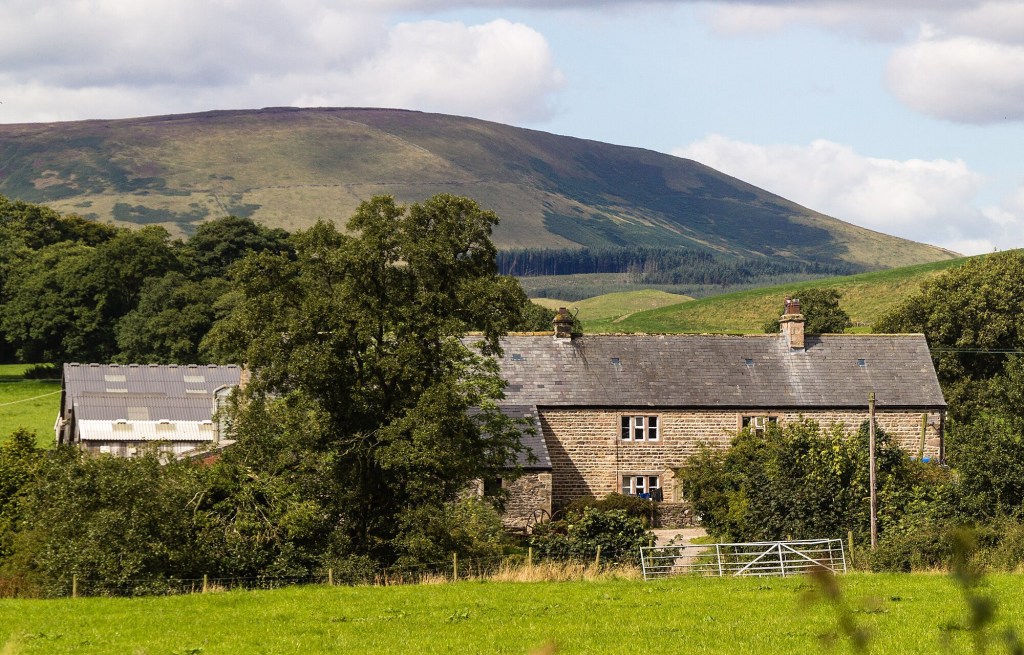
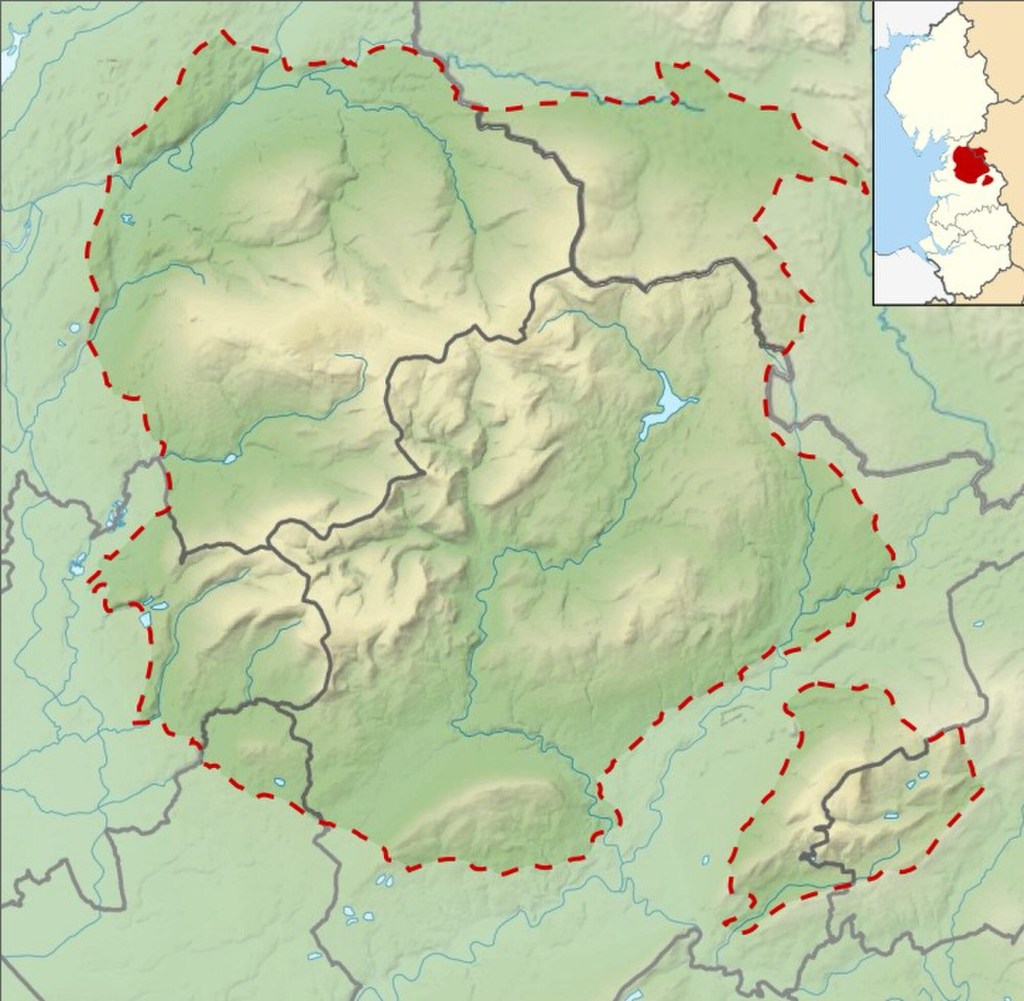
In December 2023, the Forest of Bowland National Landscape (formerly Area of Outstanding Natural Beauty) published its Nature Recovery Plan, a 71-page roadmap with the stated aims of reversing biodiversity declines and building climate resilience across 310 square miles of Lancashire and Yorkshire uplands.
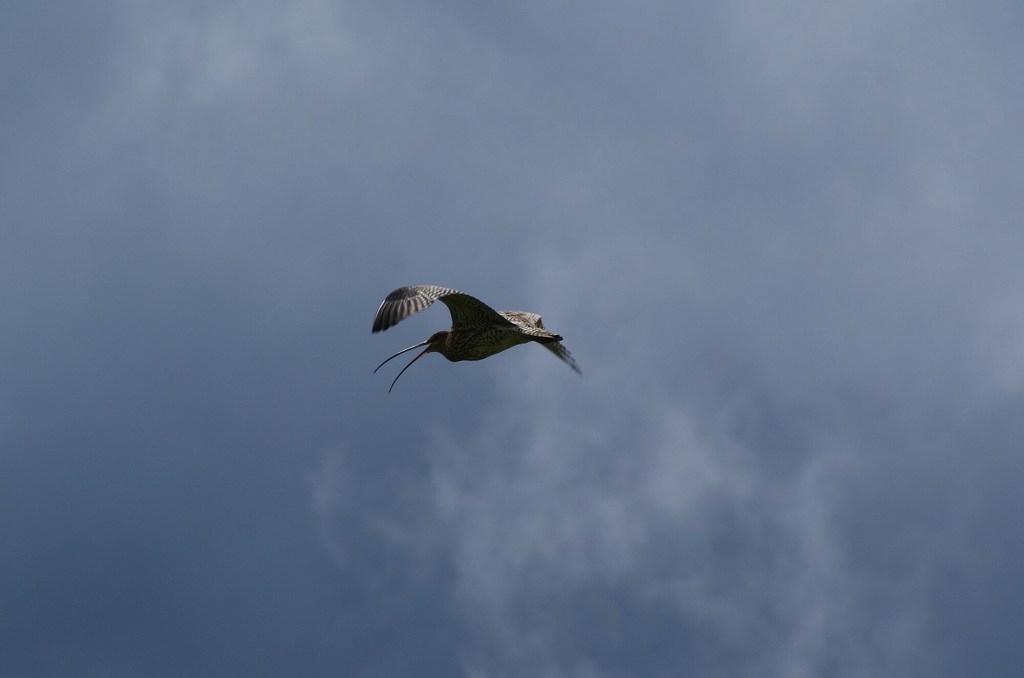
Framed as part of the national Nature Recovery Network and the Colchester Declaration on nature, the plan sets an ambitious vision: a mosaic of ‘bigger, better, and more joined-up’ habitats supporting thriving populations of Curlew, Hen Harriers, Black grouse, and other ‘Champion Species’, while delivering carbon storage, clean water, and flood mitigation.
At first glance, it reads as inclusive. It repeatedly references landowners, farmers, land managers, businesses, communities and individuals’ as essential partners. It praises high nature value (HNV) farming and regenerative techniques already practised by many Bowland farms for many years. It gives a scant nod to game management on the moors, noting that traditional grouse shooting practices, including heather management and predator control, help maintain heathland diversity and benefit wading birds and raptors. Gamekeepers are briefly acknowledged as the ‘eyes and ears’ for monitoring nesting success.
Yet, for many of the people who actually live and work in Bowland; the farmers and gamekeepers who manage the vast majority of the open moorland, the plan has made a glaring omission. It fails to recognise the skilled, year-round labour that has shaped and sustained this landscape for centuries, and it greatly understates what effective land management in the uplands actually entails.
This omission has become even more glaringly obvious with the related Draft Management Plan 2026–2031, at 191 pages, that document contains the word ‘gamekeeper’ exactly zero times, despite gamekeeping being one of the principal forms of land management across much of this National Landscape.
What Land Management in Bowland Actually Looks Like
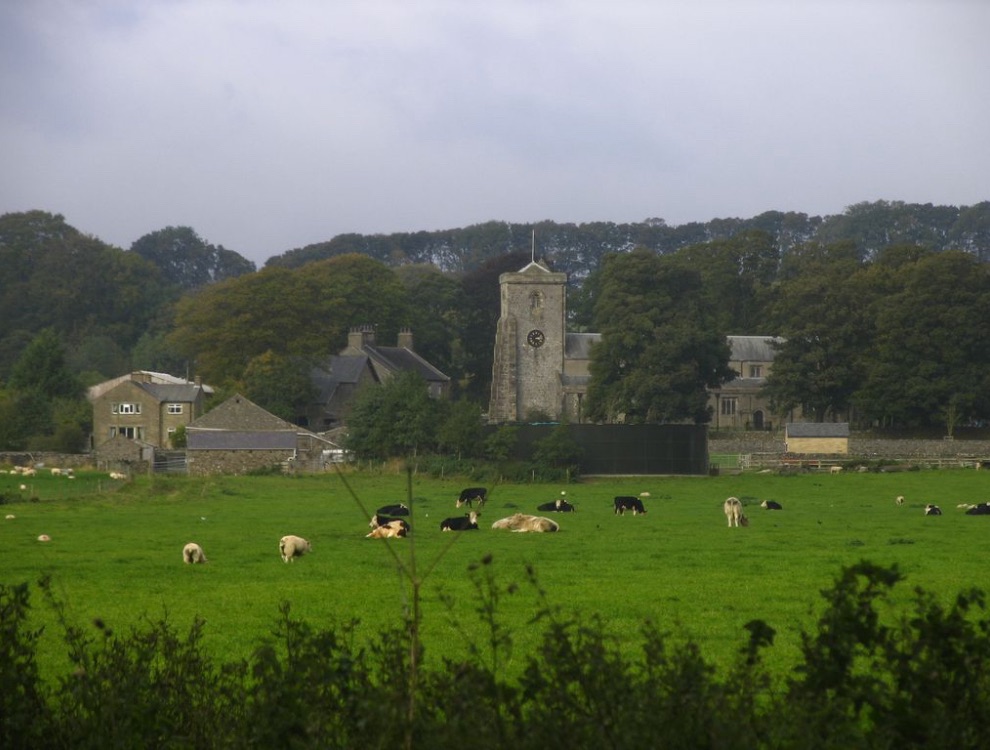
The Forest of Bowland is not wilderness, we have precisely zero % of that left in the British isles, nor is it a forest in the modern sense, as in a large tract of trees, for when this place was named a ‘forest’, in the 12th century, it indicated a preserve under royal authority, whether this be open or wooded land.
In its true nature it is a working landscape of open fells, blanket bogs, and heather moorland, the product of generations of labour-intensive management.
Farmers here practise HNV livestock systems; low-intensity grazing by sheep and cattle that maintains species-rich grasslands, hay meadows, and wet pastures without heavy fertiliser or pesticide use. They repair dry-stone walls, lay hedges, create scrapes for waders, and manage water levels to prevent poaching (drying and compaction of soil) while supporting ground-nesting birds. Many have been in agri-environment schemes for 10 to 30 years, adapting practices long before the current Nature Recovery Plan existed.
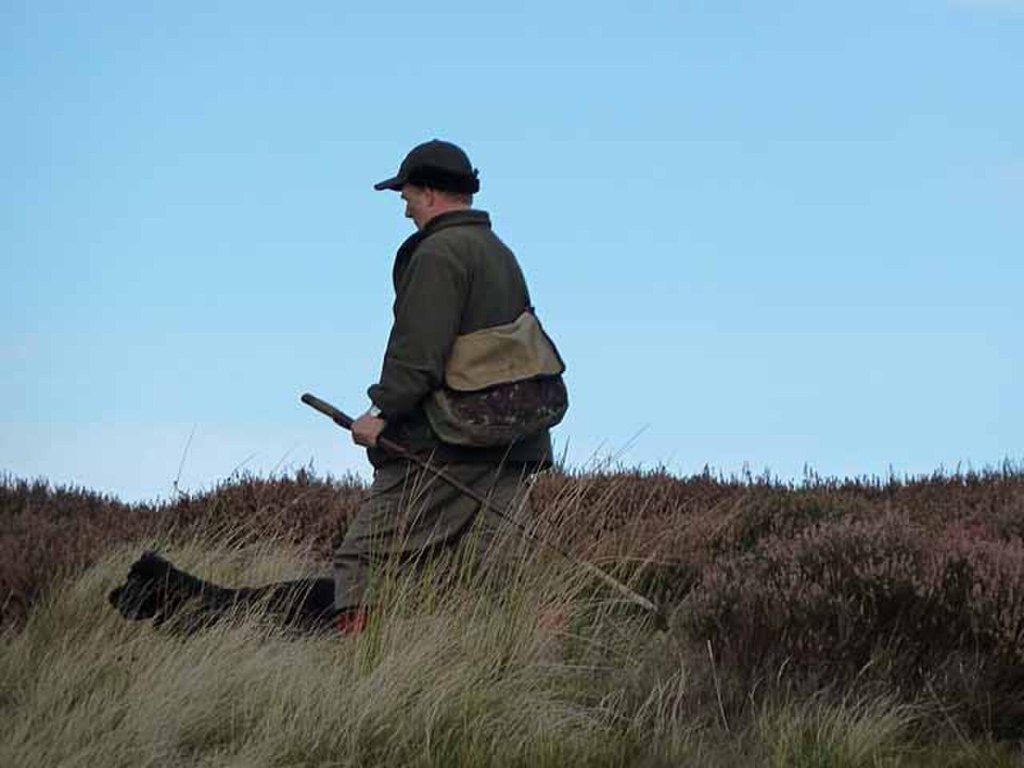
On the higher moors, gamekeepers are the primary custodians. Their daily work includes:
- Rotational heather management: (Cutting or carefully Controlled burning in small strips) to create a mosaic of young shoots for red grouse and nesting cover for curlew, Golden Plover, Merlin and other species. Without this, heather becomes leggy, woody, and eventually replaced by rank grass, bracken and scrub, it also increases the risks of catastrophic fires (as seen on nearby Saddleworth Moor).
- Predator control: Legal, targeted management of foxes, corvids, and other species that prey on ground-nesting birds. Studies, including those from the Game & Wildlife Conservation Trust, show this dramatically improves breeding success for waders, Black grouse and other species.
- Bracken control: A rapidly expanding threat that smothers heather, harbours ticks (and therefore Lyme disease), and reduces grazing value. Gamekeepers treat and monitor its spread where mechanical or chemical options are limited.
- Monitoring and practical conservation: Tracking peat movement, reporting illegal activity, and providing on-the-ground data that no remote survey can match.
These practices, although deemed by some to be relics of the “bad old days” of gamekeeping, actively prevent the landscape from degrading into a monoculture of dense scrub or grassland, while supporting the very species the recovery plan champions. Grouse moors in Bowland have historically delivered some of the highest densities of waders and other bird species in the British isles precisely because of this management.
How the Plan Has Been Received
Official partners and conservation bodies have welcomed the plan as a positive, proactive framework that aligns with Local Nature Recovery Strategies and Environmental Land Management (ELM) schemes. It sets measurable targets: restoring 4,400ha of peatland, creating 750ha of new woodland (I’ll talk about ‘right tree, right place’ in another post), managing 80% of the landscape for nature-friendly farming, and expanding species-rich grasslands and wetlands.
Yet upland stakeholders, represented by groups such as the Moorland Association and Campaign for the Protection of Moorland Communities (C4PMC), see a fundamental disconnect. The Nature Recovery Plan itself still frames historical practices like ‘intense burning of heather on deep peat’ and intensive grazing as drivers of decline, even while acknowledging recent improvements through agri-environment payments. Critics argue that this narrative risks alienating the very people needed to deliver change on the ground.
The Draft Management Plan 2026–2031 has drawn sharper fire. It downgrades the emphasis on heather moorland compared with earlier documents, offers no specific objectives or funding mechanisms for bracken control or wildfire resilience at landscape scale, and contains no measurable, time-bound actions for predator control, despite Black grouse reintroduction and Curlew recovery being flagship ambitions. Without predator management, reintroduced Black grouse and waders face the same fate seen at RSPB reserves elsewhere: predation-driven collapse.
As one moorland advocate put it: “191 pages, zero gamekeepers… the people who actually manage most of this landscape have been written out of it.” The risk register identifies problems (bracken spread, wildfire, declining waders) but provides no linked actions, responsible parties, or budgets, turning it into what critics call a “worry list” rather than a deliverable plan.
Why Recognition Matters
Nature recovery in protected landscapes cannot succeed without the buy-in of those who own and manage the land. Bowland’s farmers and keepers are not obstacles to be managed around; they are the skilled workforce already delivering public goods – often at personal cost in a challenging economic climate. ELM schemes and Farming in Protected Landscapes funding have helped, but many fear the new plans prioritise aspirational rewilding rhetoric over the practical, evidence-based management that has kept the fells open and species-rich for decades.
The Bowland Nature Recovery Plan is undeniably well-intentioned, it correctly identifies the need for bigger, better, more connected habitats and recognises that farmers and land-managers must be at the heart of delivery. Yet by underplaying the expertise, daily labour, and proven techniques of the people who have shaped this landscape, and by allowing the follow-on Management Plan to erase gamekeepers entirely it risks undermining the very partnership it claims to champion.
True recovery will require more than targets on paper, it will demand honest acknowledgment of what has worked, what still works, and the people who make it happen every single day. Until the plans speak their language and value their knowledge, Bowland’s nature recovery risks remaining a blinkered, fantastical vision rather than a shared, deliverable reality.
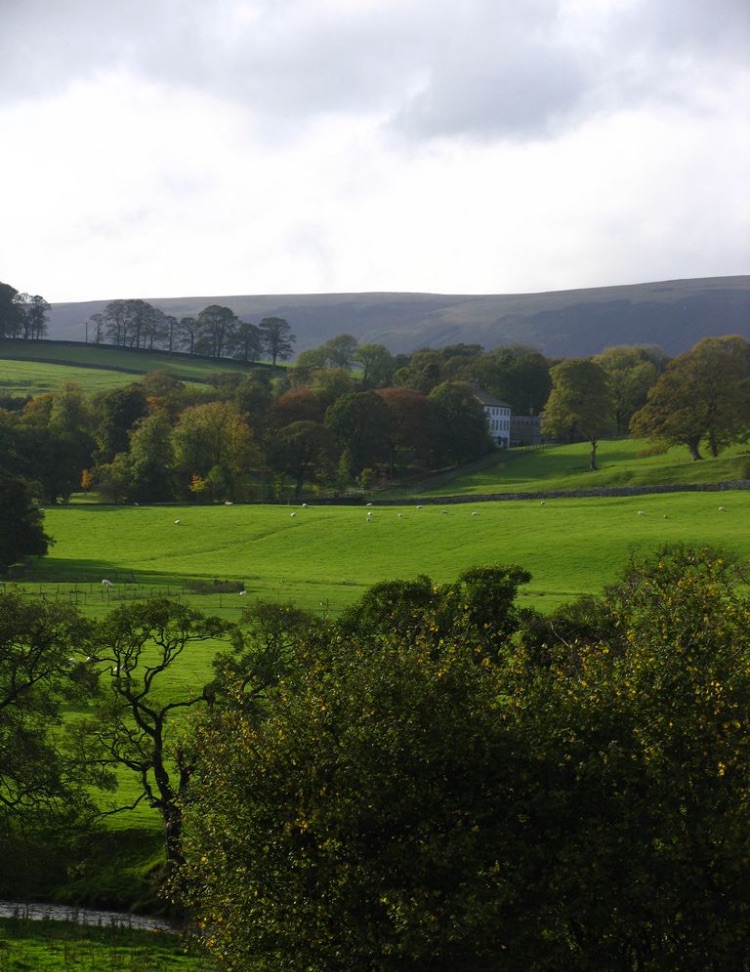
We abuse land because we regard it as a commodity belonging to us. When we see land as a community to which we belong, we may begin to use it with love and respect.
(Aldo Leopold)
If you enjoyed this you can show your appreciation by buying me a coffee, every contribution will go towards researching and writing future articles,
Alex Burton-Hargreaves
(April 2026)

