Biology, Ecology, Management and Uses of Common Bracken (Pteridium aquilinum)
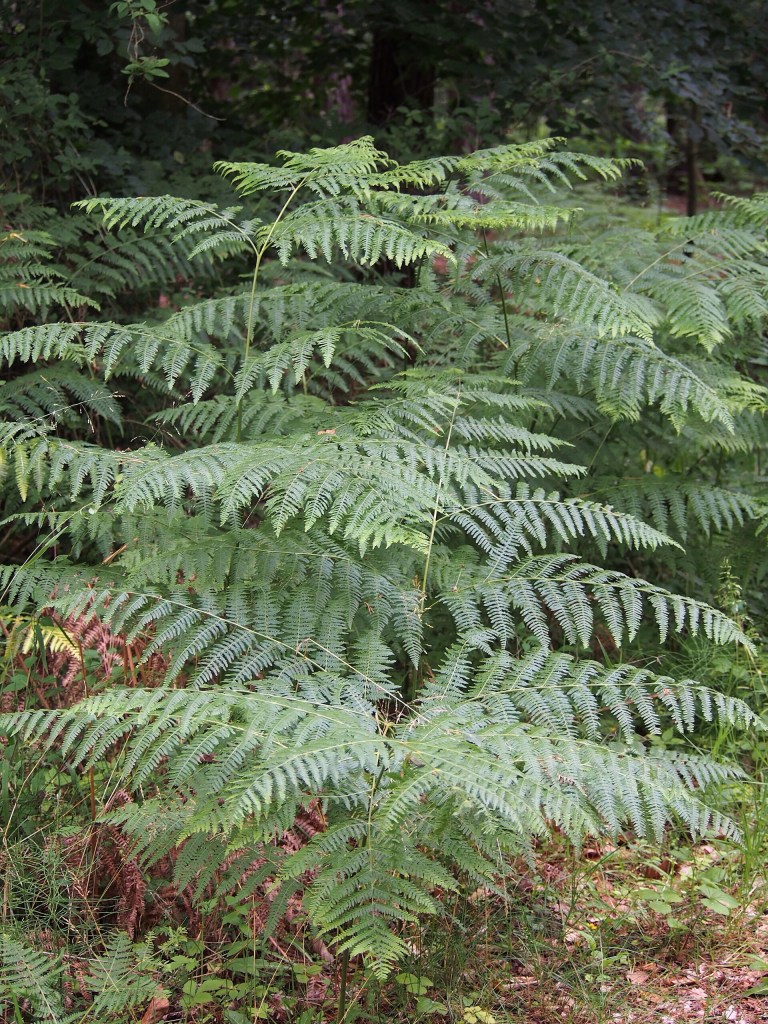
“Where there’s bracken there’s gold”
In England’s pastoral uplands, where arable land was scarce and good straw hard to come by, Bracken was for centuries a vital resource rather than the troublesome invader it is often regarded as today.
Dried brown fronds, cut in late summer and autumn, provided the principal bedding for cattle, sheep and horses well into the middle of the twentieth century. The same material served as thatch for cottages and outbuildings until slate became widely available, as packing for soft fruit, fish and even the aforesaid roofing slates, and as insulation in root clamps that kept potatoes and turnips through the winter.
It was sometimes burnt for fuel in baking ovens or Lime kilns while the ash itself was a valuable commodity: rich in potash, it was used in soap-making, glass production and the bleaching and fulling of woollen cloth. In some parts, Cumbria especially, small potash kilns once dotted the lower fells, and the right to cut bracken on the commons was carefully regulated and much prized.
That long history of use helped keep the plant in check, as regular harvesting, combined with the trampling of cattle, prevented the dense monocultures that now cover so many slopes. The old saying “Where there’s bracken, there’s gold” showed a practical appreciation of the richer soils it often indicated, but this ancient knowledge has been forgotten by many.
Today a few enterprising farms in the Lake District harvest it for peat-free compost, blending the fronds with sheep’s wool, but for most of us the cultural memory of Bracken as a useful crop has faded.
Here we take a closer look at this much-maligned plant and how it is treated today, including the latest research into its toxicity and the various methods used to manage it.
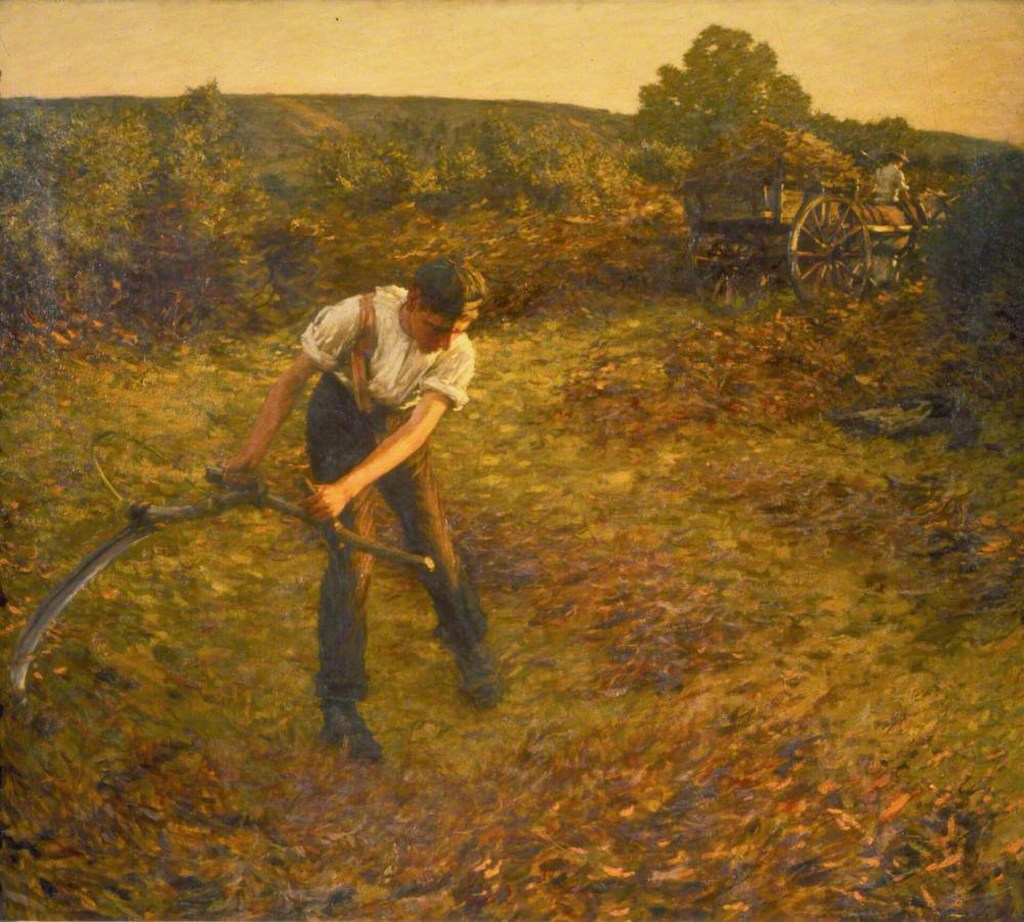
An old country maxim about soil richness states that: heather = copper, gorse = silver, bracken = gold
A Cosmopolitan Fern
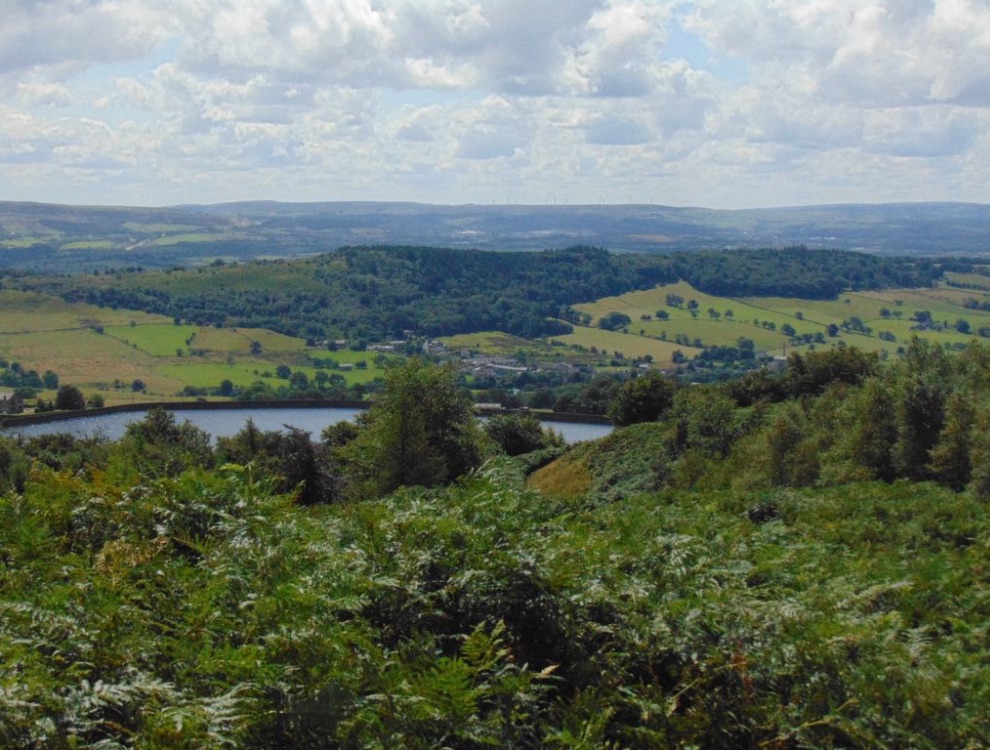
Bracken (Pteridium aquilinum) is a perennial fern in the family Dennstaedtiaceae. It is one of the most widespread vascular plants on Earth, being known as ‘cosmopolitan’ as it can be found almost everywhere from temperate zones to the tropics and from sea level to high altitudes, indeed it occurs on every continent except Antarctica,.
Often forming dense monocultures, it is an ecologically successful species but nowadays considered a significant agricultural, environmental, and health concern due to its toxicity and invasive tendencies in disturbed habitats.
Pteridium comes from the Greek word pteris,
(πτέρις) meaning fern, and pteron
(πτερόν) meaning wing or feather, because the fronds supposedly look like bird wings
Biology
A deciduous fern with a distinctive architecture Bracken’s fronds arise directly from an extensive underground rhizome (plant stem, see glossary for explanation of botanical terms) system and can reach 1 to 2.5 metres or more in height under favourable conditions. The fronds are typically triangular, bipinnate or tripinnate, with leaflets that are lobed near the base. Spores are produced in sori along the margins of the leaflets, protected by a false indusium formed by the folded leaf edge. Spore production occurs mainly in late summer, and the lightweight spores can travel huge distances on the wind.
The plant’s success rests on its rhizomes which are long-lived, branching, and can extend deep into the soil (often 30 to 50 cm or more). They store large reserves of carbohydrates, allowing rapid regeneration after disturbance, fire, frost, or cutting. Bracken spreads both clonally via rhizomes and by spores with new plants establishing most readily on bare or disturbed ground. The rhizomes also produce allelopathic compounds that can inhibit the germination and growth of competing plants.
Bracken is frost-sensitive above ground: fronds emerge in spring, expand fully by mid-to-late summer (when carbohydrate reserves in the rhizomes are lowest), and die back with the first autumn frosts, leaving a persistent and dense brown litter. It tolerates a wide range of soils (especially acidic, well-drained ones) and light conditions, from open grassland and heath to woodland understorey, though it is less competitive in dense shade or waterlogged sites.
Ecology
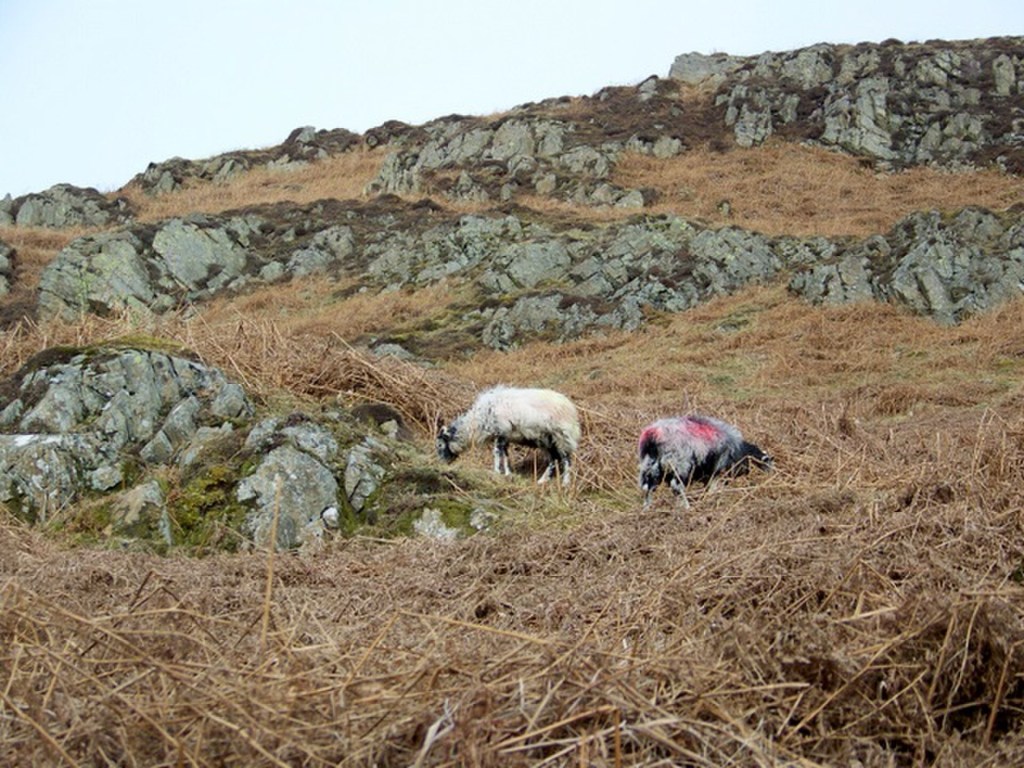
Highly adaptable Bracken often acts as a pioneer or dominant species in disturbed landscapes. Historically it expanded with deforestation, grazing, and fire regimes that open the canopy, and once established, its dense stands cast deep shade, accumulate thick litter, and alter soil nutrient cycling and light regimes. This frequently suppresses other vegetation, reduces plant diversity, and can hinder woodland regeneration or grassland recovery, and in many situations it forms near-monocultures that are highly resistant to succession.
Ecologically it provides scant benefits as, although it may become cover for wildlife, and habitat for some invertebrates, dense stands can also harbour ticks (vectors of Lyme disease) and reduce forage quality for herbivores. Allelopathy and litter accumulation further reinforces its dominance.
Climate and land-use changes can influence its spread and it often increases rapidly where grazing pressure is lowered or after fires that remove competing vegetation.
Toxicity
All parts of the plant: fronds, rhizomes, fiddleheads (young croziers), and spores, contain toxic compounds. The most significant is ptaquiloside, a potent carcinogen and genotoxin. Other toxins include thiaminase (which breaks down vitamin B1) and, in some cases, cyanogenic compounds.
Effects on livestock are well documented and economically important:
- Horses: Primarily thiamine deficiency leading to neurological signs (‘bracken staggers’).
- Cattle: Acute haemorrhagic disease (bone-marrow suppression, thrombocytopenia), enzootic haematuria (chronic blood in urine linked to bladder tumours), and upper alimentary tract carcinomas.
- Sheep: Bright blindness (retinal degeneration), haematuria, and cancers.
- Other species (pigs, etc.) can also be affected. Toxicity requires substantial and often prolonged intake and dried plant material in hay remains poisonous.
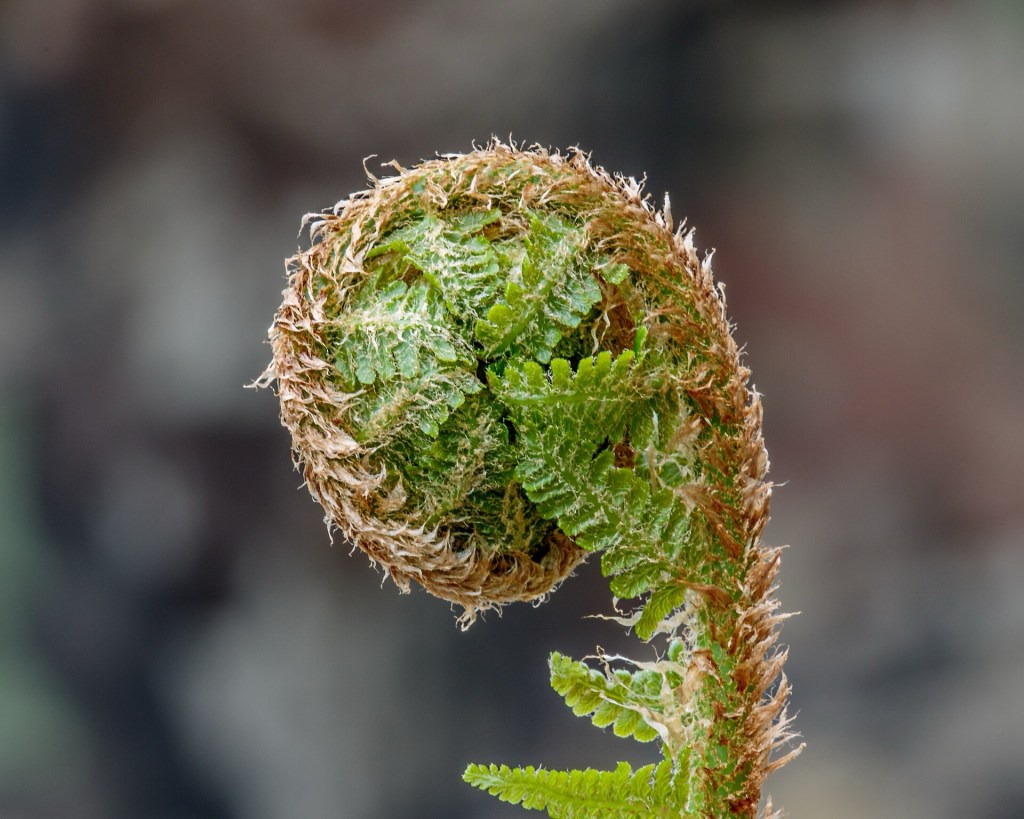
(Andrew Morfew)
Human risks arise mainly through:
- Direct consumption of fiddleheads (a traditional food in parts of Japan, Korea, and elsewhere). Epidemiological links exist between regular Bracken consumption and elevated rates of oesophageal and gastric cancers.
- Indirect exposure via milk or meat from animals that have grazed Bracken (ptaquiloside can pass into milk).
- Contaminated water (ptaquiloside is water-soluble and can leach into streams and groundwater after rain).
- Inhalation or contact with spores/dust, though this risk level is less clearly quantified.
The International Agency for Research on Cancer classifies Bracken as Group 2b (‘possibly carcinogenic to humans’) because ptaquiloside damages DNA and may act synergistically with other carcinogens (e.g; certain viruses or Helicobacter pylori). Cooking (especially boiling or high-heat methods) can reduce but not eliminate toxin levels.
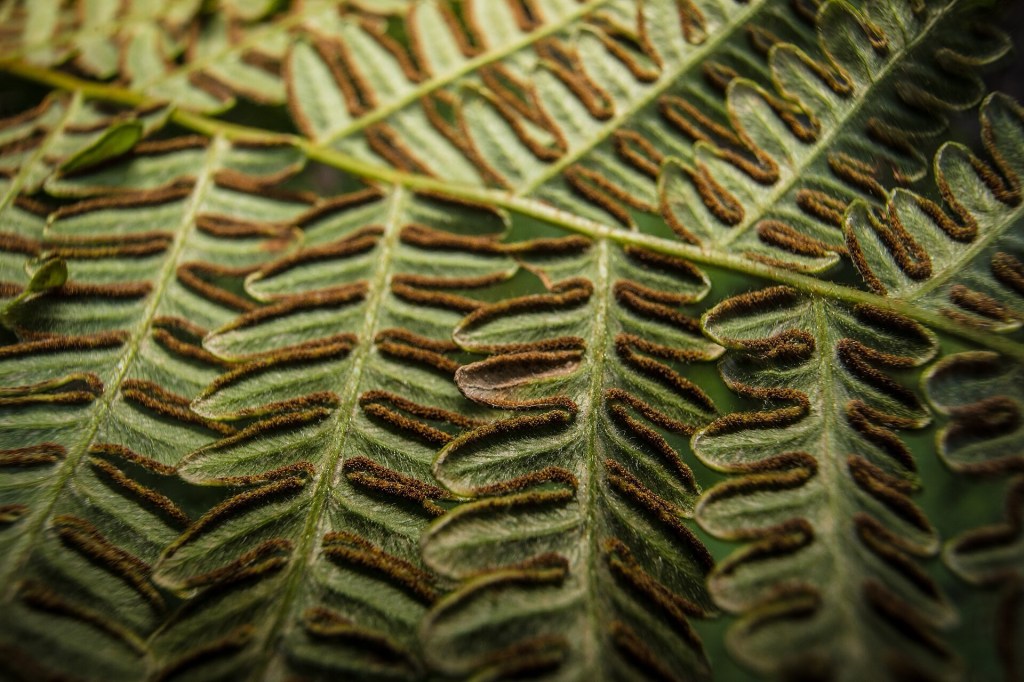
The brown clusters at the underside edges of this frond, known as sori, are sporangia that produce and contain the fern’s spores.
(Glacier NPS)
Management Methods
Complete eradication of Bracken is difficult because of the persistent rhizome bank. Effective management requires multi-year, often multi-method programmes timed to when rhizome reserves are lowest, typically mid-to-late summer when fronds are fully expanded.
Mechanical Means:
- Cutting or mowing (once or preferably twice per year, e.g; early summer then 6 weeks later) depletes carbohydrate reserves, repeated over several years this can substantially reduce cover.
- Bruising/rolling or livestock trampling damages fronds while leaving them attached, forcing the plant to expend energy on repair.
- Cultivation (deep ploughing or disc-harrowing) to expose and desiccate rhizomes, often followed by cropping and reseeding of competitive pasture species.
- Hand-pulling or forking for small infestations, removing as much rhizome as possible.
- Promoting competitive vegetation (liming, fertilising, reseeding) and avoiding bare ground helps prevent re-establishment.
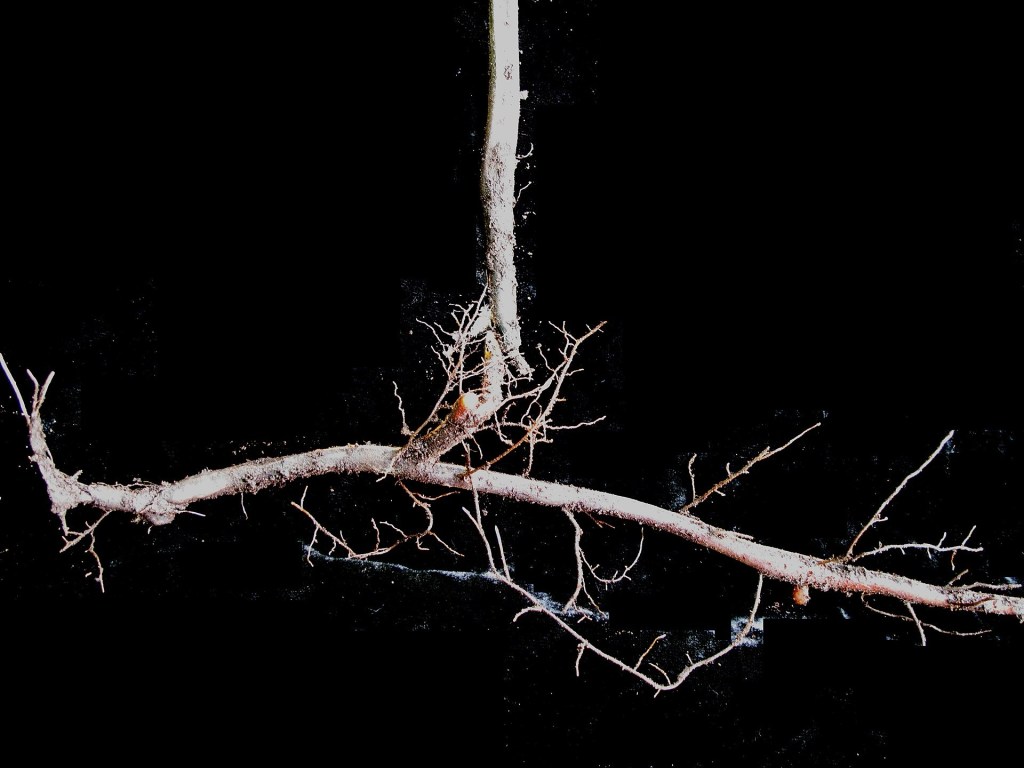
(Ayotte Gilles)
The Latin name aquilinum, meaning ‘eagle’, was given by Carl Linnaeus as he saw the shape of an eagle in a cross section of the plant’s root
Chemical Control:
- Historically, asulam/asulox was widely used as a relatively selective herbicide, especially effective when applied to fully expanded fronds. Indeed I can remember seeing it being applied via light aircraft on Abbeystead estate, Lancashire in the early 2000s, its use in Britain is now banned though due to its toxicity to humans.
- Glyphosate (often mistakenly called glycophosphate) is effective (systemic and kills rhizomes) but non-selective and best applied carefully (e.g; via weed-wiper) when fronds are mature. It can also prove toxic if handled incorrectly or for prolonged periods.
- Other options (depending on location and regulations) include dicamba, metsulfuron, chlorsulfuron, picloram, and certain combinations. Multiple applications or combinations with cutting improves results.
- Timing is critical: apply when fronds are fully open but before senescence.
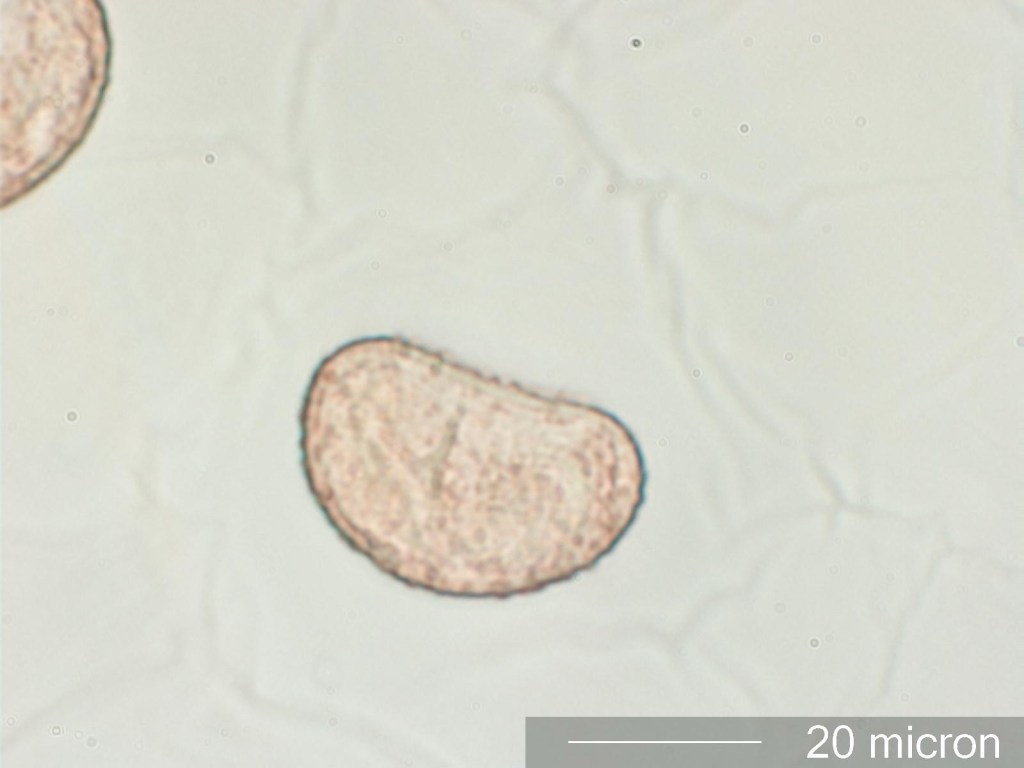
20µm, 1 micron is equal to one millionth of a metre (0.000001m) or one thousandth of a millimetre
(MicrolabNW Photomicrograph collection)
Integrated and Long-term Approaches:
Long-term experiments show that repeated cutting or herbicide programmes can suppress bracken for a decade or more, but regrowth from the edges and residual rhizomes is common once treatment stops, so restoration often requires follow-up seeding or planting of native species.
Monitoring frond density and re-treating when it exceeds low thresholds is one recommended method of control, and land-managers intent on preventing a resurgence will focus on maintaining dense desirable vegetation and limiting disturbance that creates open niches for spores or rhizome expansion.
Fire is generally not advised as a control method because it can stimulate regrowth and release nutrients.
Battle Of The Bracken! (1939)
(British Pathé)
Conclusion
Bracken is an admirably resilient plant, and its ability to dominate landscapes is to be respected, but this success is double-edged as this domineering nature, combined with potent toxins that affect livestock, wildlife, and humans, makes control necessary in these small and highly-domesticated Isles.
Successful control is rarely a one-off event; it demands persistence, appropriate timing, and often a combination of methods tailored to the site. Where Bracken is valued for habitat or landscape character, light management may be preferable to aggressive eradication. Ongoing research continues to refine understanding of its toxins, ecological impacts, and sustainable management strategies.
Glossary of Botanical Terms
Allelopathy / Allelopathic
The production by a plant of chemical substances that inhibit the growth or germination of neighbouring plants.
Bipinnate / Tripinnate
Describes a leaf (or frond) that is divided twice (bipinnate) or three times (tripinnate) into progressively smaller leaflets.
Clonal / Clonally
Growth or reproduction by vegetative means (such as rhizomes) rather than by seed or spores, producing genetically identical individuals.
Crozier / Fiddlehead
The tightly coiled young frond of a fern before it unfurls, so-called as it resembles a shepherd’s crook or the head of a fiddle.
Deciduous
A plant that sheds its leaves (or fronds) at the end of the growing season and regrows them the following year.
Indusium / False indusium
A protective covering over the spore-producing structures (sori) of a fern. In bracken the ‘false indusium’ is formed by the folded-under margin of the leaflet itself.
Monoculture / Monodominant
A stand or community dominated by a single plant species to the near-exclusion of others.
Perennial
A plant that lives for more than two years, typically regrowing each season from persistent underground parts.
Rhizome
A horizontal underground stem that stores food reserves and produces new shoots and roots, allowing the plant to spread vegetatively.
Sorus (plural: sori)
A cluster of spore-producing structures on the underside or margin of a fern frond.
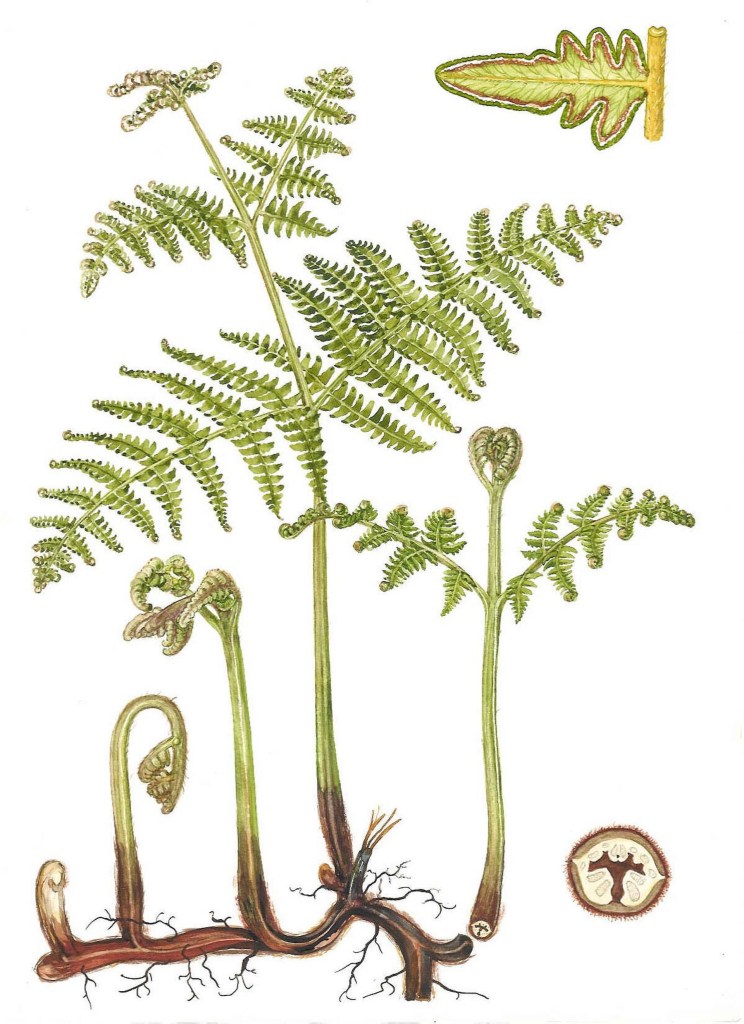
Croziers, fronds, rhizomes of Bracken
(Emily NYF)
But oh for the hills where the heather-cock springs
from his nest in the bracken, with dew on his wings!
…
But oh the bold hills that look up at the skies,
where the green brackens wave to the wind as it flies!
Sing, hey for the moorlands!
(From The Moorlands, a 19th century Lancashire poem, author unknown)
Thank-you for reading. If you enjoyed this piece and would like to support further articles on the wildlife and history of the Northwest, you can buy me a coffee here.
Alex Burton-Hargreaves
(August 2026)


One thought on “Common Bracken”