A Walk Through the British Countryside in Autumn
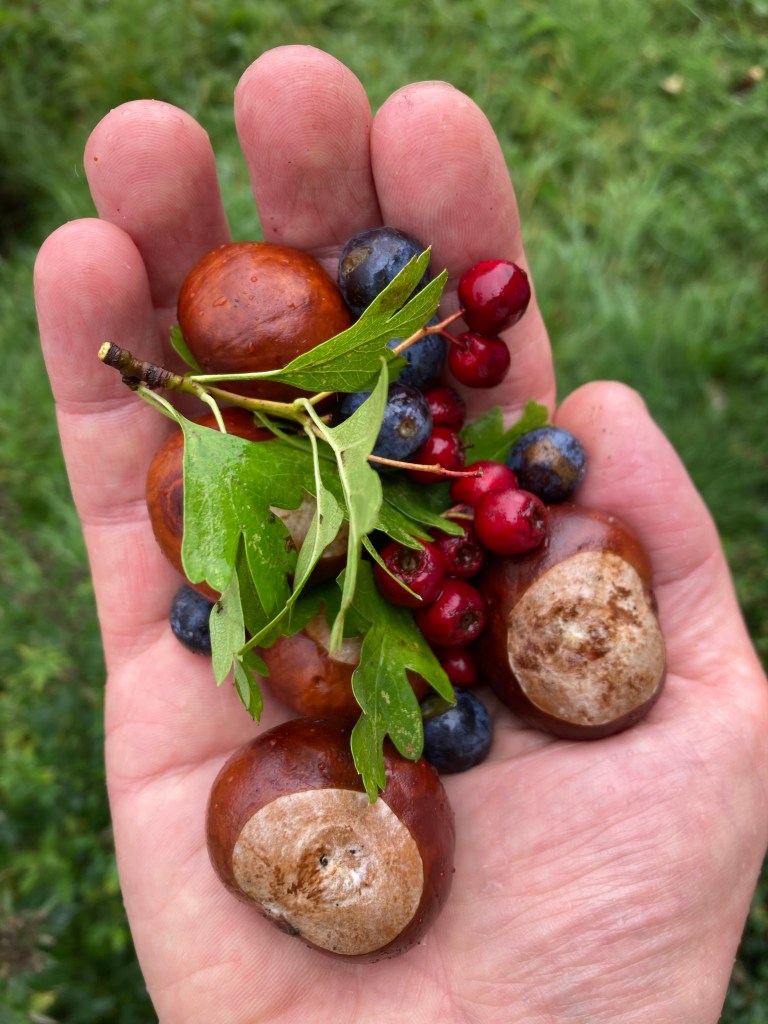
“Every leaf speaks bliss to me, fluttering from the autumn tree”
(Emily Brontë)
For many of us autumn is our favourite season of the year, and we each have our own cues that confirm its arrival.
For some it is brought by the Geese, flying in for the winter from their northern haunts, for others it the first silky-brown conker, admired in the palm as tangible proof.
It may be something less substantial, a “nip in the air” that gives us reason to put on our big coat, or just a general feeling of surety that summer is past.
As a topic it provokes much discussion in the weather-obsessed Englishman, but there is one thing we can all agree on, and that is that autumn does not arrive all at once but rather chassés in quietly, and before we know it the leaves are falling, the berries are ripening, and the morning grass is jewelled with dewdrops.
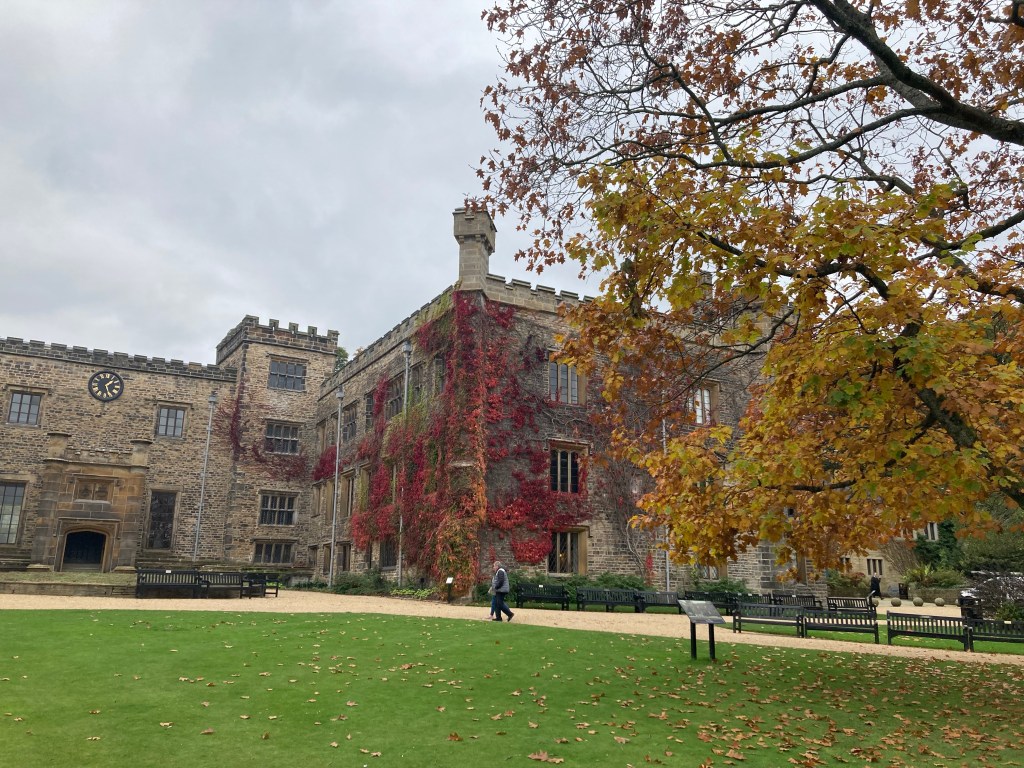
The Scent of Autumn
Autumn brings with it many sensory delights; sounds, tastes and sights unique to the season, yet it does not arrive with a single scent but instead with a layered, shifting perfume that settles into the hedgerows, woodlands, and wet country lanes.
It is the smell of things breaking down and of things still ripening, of dampness rising from the soil and of smoke drifting low across fields. These smells are not abstract; they come from specific processes of decay, fermentation, and fire that define the season.
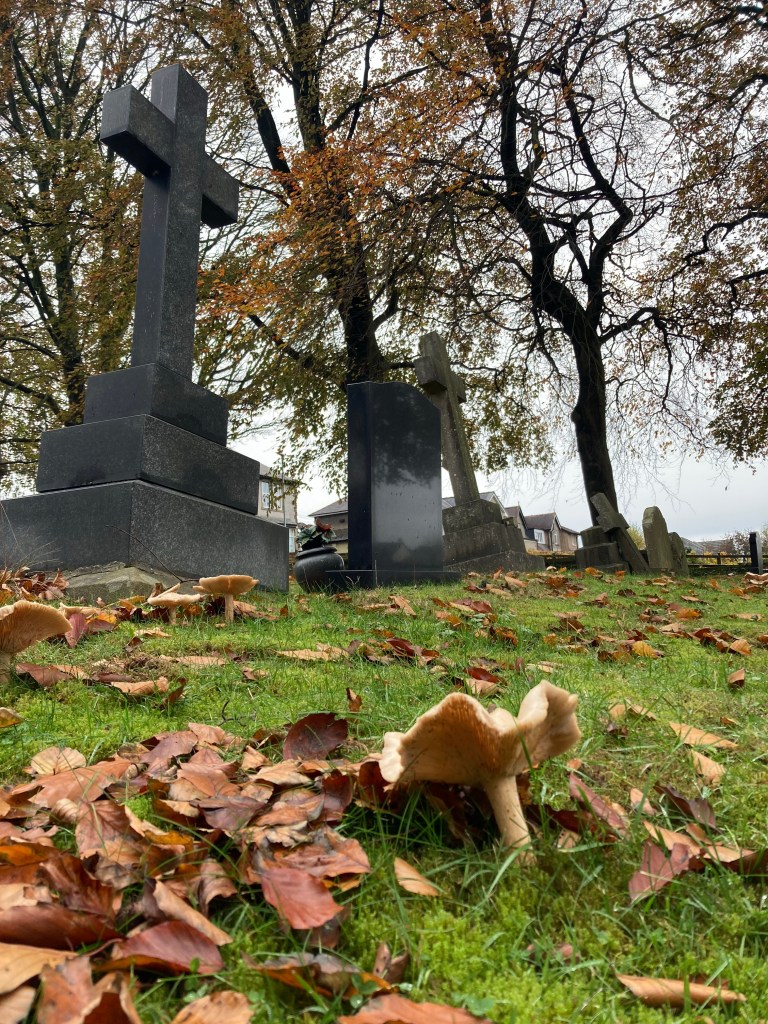
Brown wet earth and leaf mould
The dominant note is the rich, almost sweet mustiness of leaf mould. Beech, oak, sycamore and ash drop their leaves in successive waves, and as they carpet the ground they begin to rot under the first heavy rains, with fungi and bacteria breaking down the cellulose and lignin.
The result is that dark, chocolatey, slightly fungal scent that rises when you kick through a pile of leaves or walk a woodland path after overnight rain. It is strongest in sheltered hollows and under dense canopy, where the leaf litter stays wet and warm enough for rapid decomposition. British soil holds moisture well, amplifying the earthy base note.
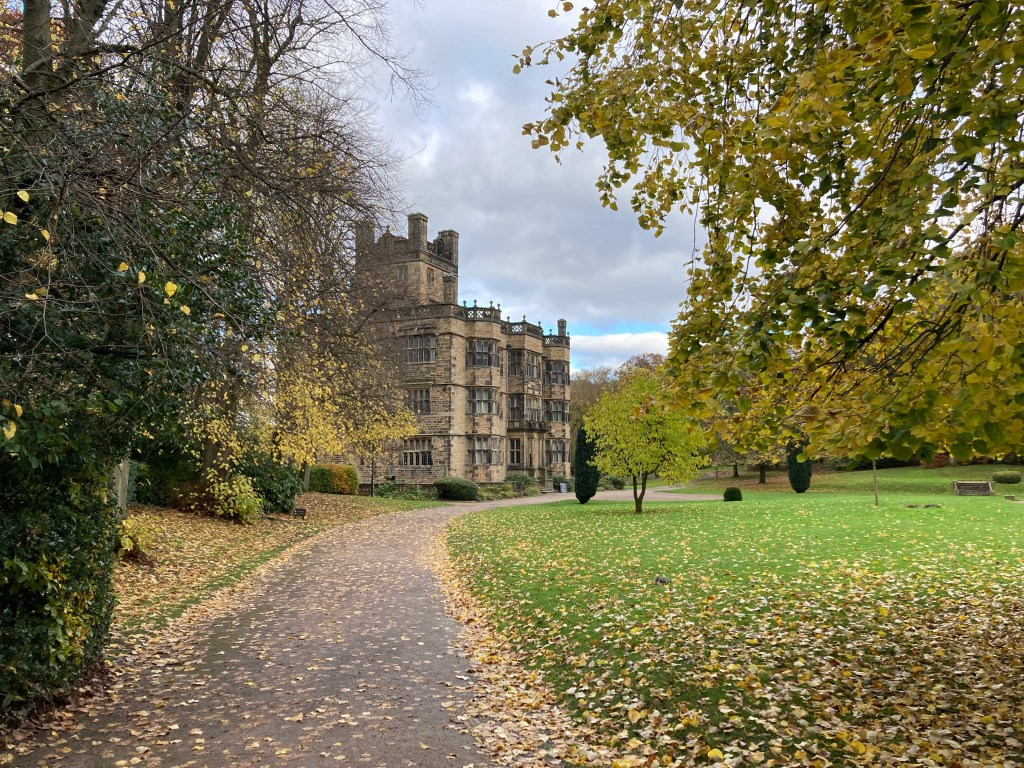
The sharp green of dying vegetation
Alongside the leaf mould comes the cleaner, greener smell of dying vegetation.
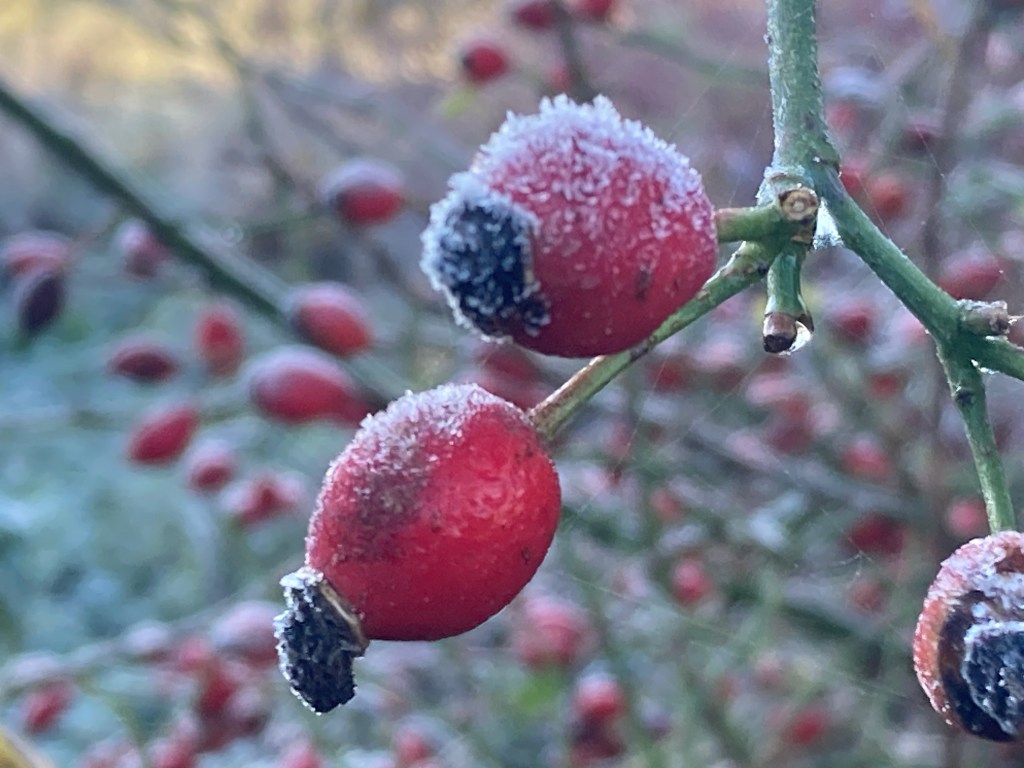
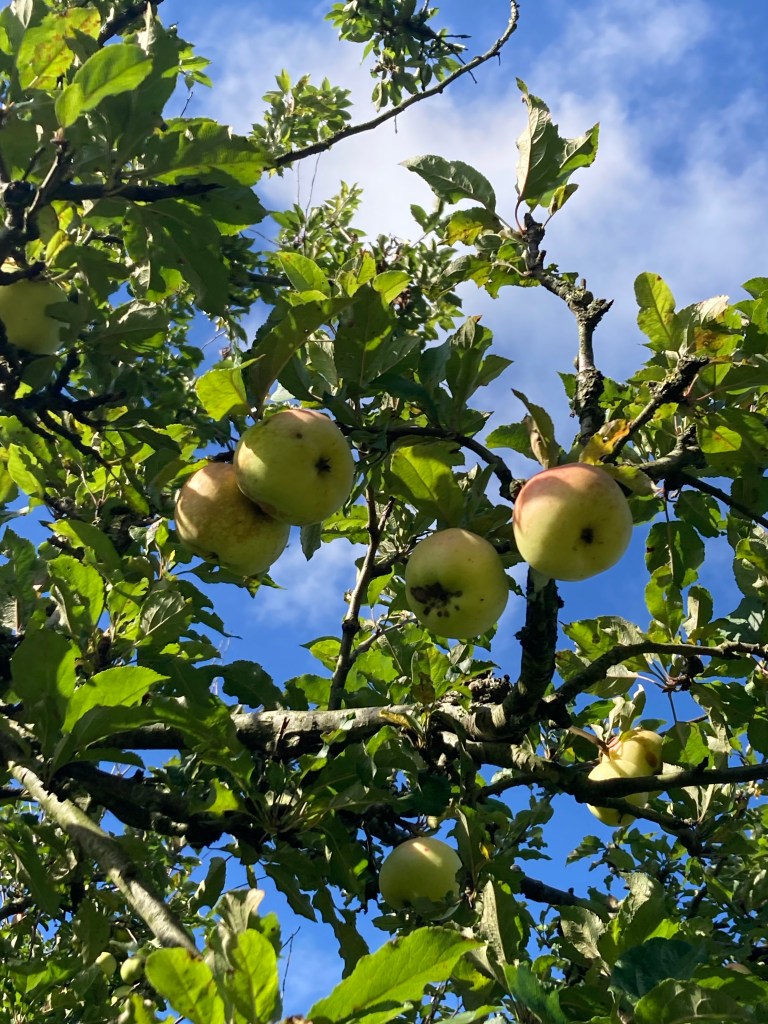
Bracken turns copper and releases a sharp, almost peppery aroma as it collapses, hedge banks of cow parsley, nettle and rosebay willowherb give off a bruised-green scent when the first frosts hit or when rain beats them down. In orchards and gardens the same process happens with windfall apples and pears: the fruit splits, ferments slightly, and adds a cidery tang that mixes with the leaf litter.
Blue smoke and the scent of fire
Woodsmoke is the great punctuating note of a British autumn. Open fires, wood-burning stoves and the occasional outdoor bonfire send blue-grey plumes across valleys on still days. The smell varies with the wood: oak and beech give a clean, slightly sweet smoke; softwoods and mixed hedge trimmings can be sharper and more resinous.
Around early November the air often carries the denser, more acrid scent of garden bonfires and the traditional Guy Fawkes fires, where damp vegetation and dry branches are burned together. Smoke clings to wool coats and settles in the hair; it is the smell that most reliably signals the season’s arrival to anyone walking a country lane at dusk.
Ripe red fruit and fungi
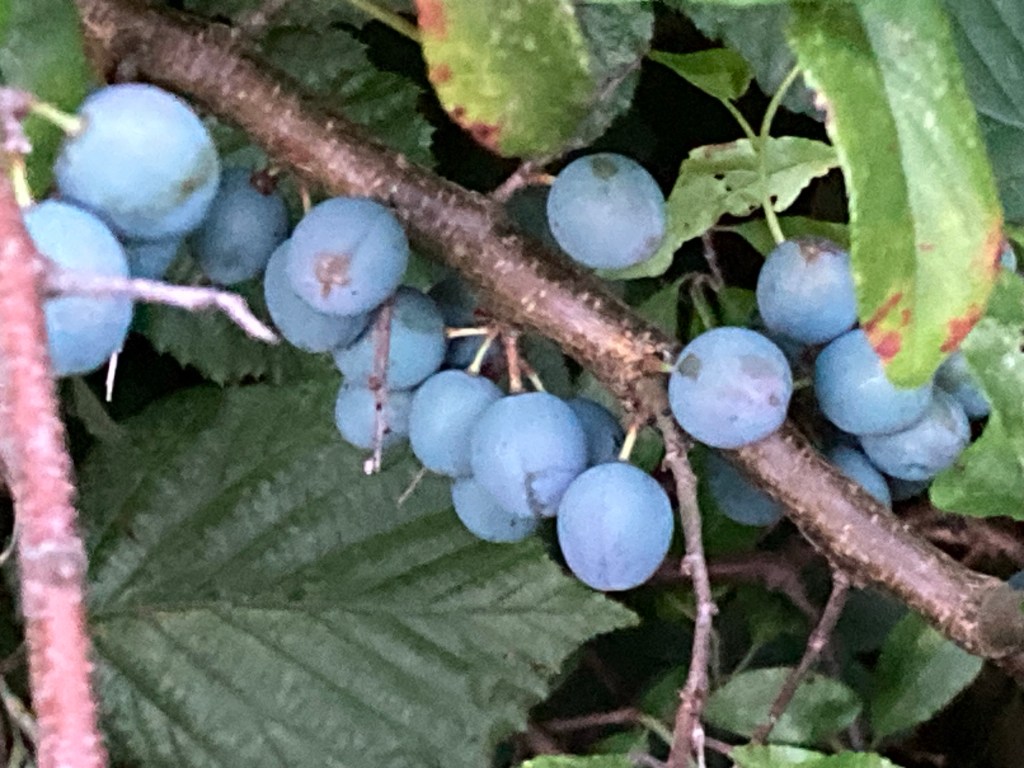
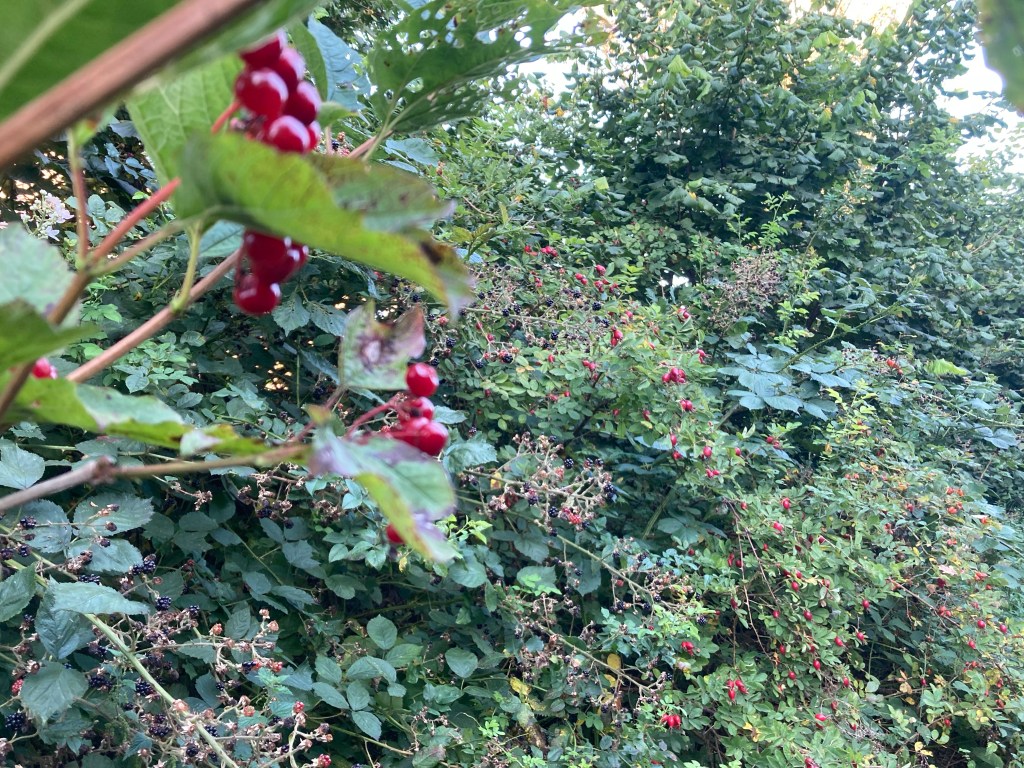
Late blackberries, sloes and rosehips contribute a darker, jammy sweetness when they are left to ripen on the hedge, and in damper woods the fruiting bodies of fungi add their own metallic or aniseed notes.
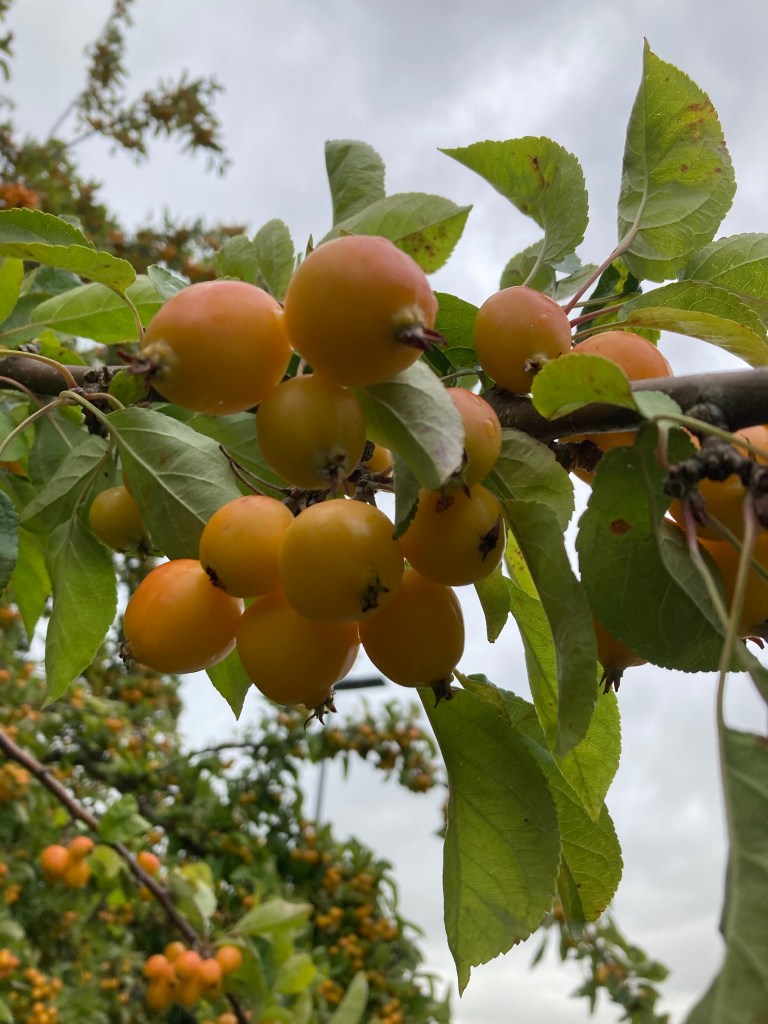
The overall effect in a productive hedgerow after rain is complex: fermented fruit, wet leaf, and a faint mineral tang from the soil. In apple-growing counties the orchards themselves become aromatic as windfalls accumulate and wasps work the soft flesh.
Grey clouds and cold air
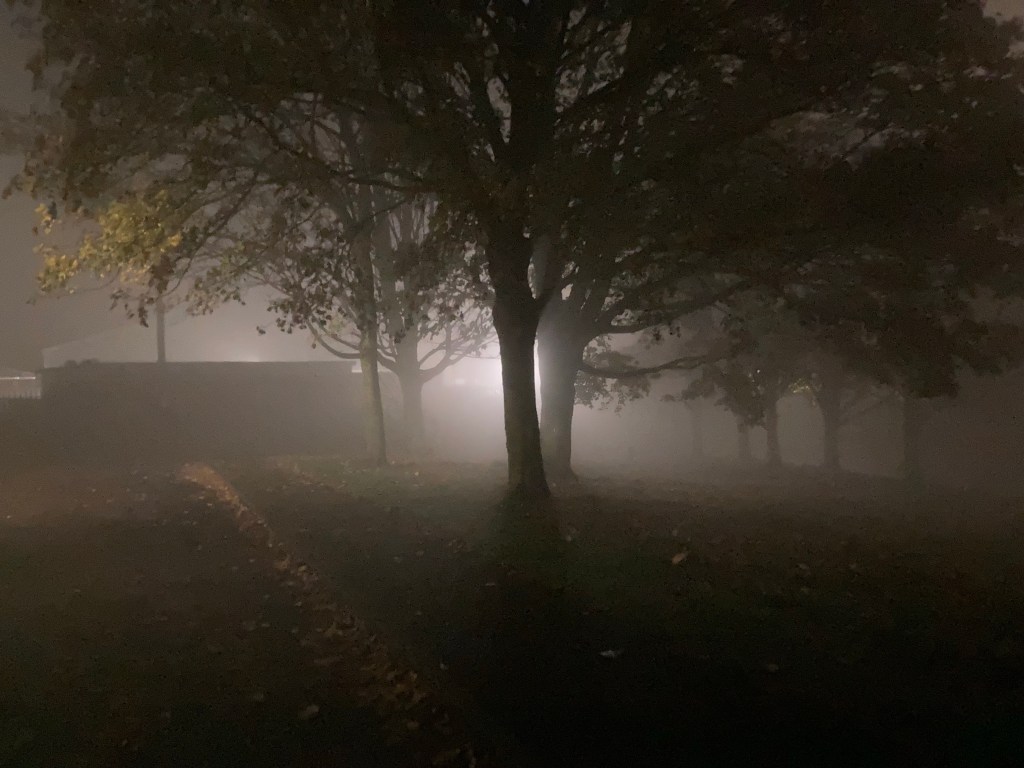
A good British autumn rain is rarely like the simple showers we might get the rest of the year, it falls on already damp ground, lifting the leaf mould and soil volatiles into the air, and the result is a heightened version of petrichor mixed with organic decay.
On clearer, colder mornings the air itself feels thinner and sharper; the same organic smells are still present but cut by a clean, almost metallic freshness that comes with falling temperatures and lower humidity.
That contrast; rich earth against cold air, is one of the season’s most distinctive signatures.
An Autumnal Pallette
The most visible shift in the seasons begins in the woodland canopy. As days shorten and nights cool, trees stop producing chlorophyll, the green pigment breaks down and hidden pigments are revealed.
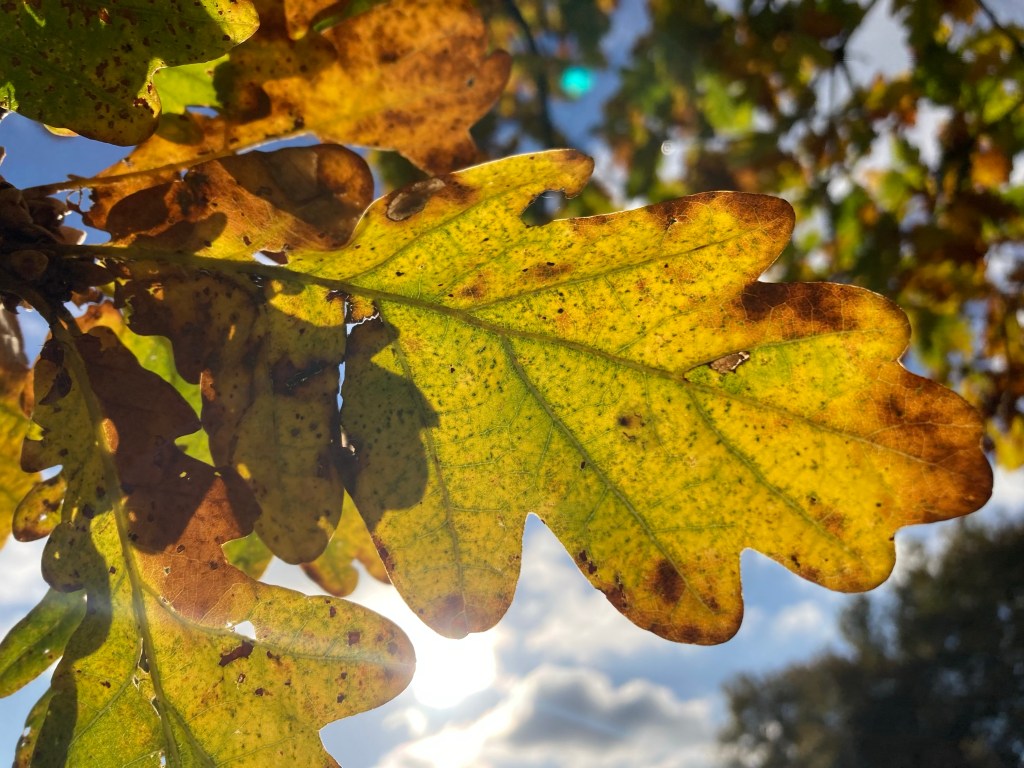
Carotenoids give the bright yellows and soft oranges of birch, sycamore and ash, anthocyanins, produced in greater quantities when cool nights follow bright days, paint the deeper reds and purples of certain maples, rowans and the occasional oak.
Beech turns a distinctive copper-bronze, while oak often settles into a more sober russet-brown. In a mixed British woodland the effect is layered rather than uniform: gold flashing against copper, dull bronze against the last green of late-flushing trees, and all set against the dark verticals of trunks still wet from rain.
Understorey and field edges add their own tones. Bracken collapses into a rich rust-orange that can cover whole hillsides, rosebay willowherb and nettle stems bleach to pale straw.
In the hedgerows, hawthorn berries and rosehips glow scarlet against fading foliage, while blackberries darken from red to near-black. Even the light itself changes: the lower sun angle throws a longer, warmer gold across fields and stone walls, and morning mist softens every edge into muted greys and soft blues.
(Songs of Praise)
Pleasant Sounds
By John Clare (1793-1864)
The rustling of leaves under the feet in woods and under hedges;
The crumpling of cat-ice and snow down wood-rides, narrow lanes and every street causeway;
Rustling through a wood or rather rushing, while the wind halloos in the oak-tops like thunder;
The rustle of birds’ wings startled from their nests or flying unseen into the bushes;
The whizzing of larger birds overhead in a wood, such as crows, puddocks, buzzards;
The trample of robins and woodlarks on the brown leaves
and the patter of squirrels on the green moss;
The fall of an acorn on the ground,
the pattering of nuts on the hazel branches as they fall from ripeness;
The flirt of the groundlark’s wing from the stubbles –
how sweet such pictures on dewy mornings,
when the dew flashes from its brown feathers.
Thank-you for reading. If you enjoyed this piece and would like to support further articles on the wildlife and history of the Northwest, you can buy me a coffee here.
Alex Burton-Hargreaves
(September 2026)


Last year sloes were in abundance and although I am not supposed to, I did pick quite a few and they made great sloe gin! This year there is nothing on the branches….! Thank you for your lovely images you have inspired to me to go out and look and photograph.
LikeLiked by 1 person
There were a lot of sloes last year, I don’t think anyone knows for sure why there are lots some years and not others, the most obvious answer is that there were plenty of pollinating insects around last spring, I’ve yet to check my spots this year but I will do next chance I get!
LikeLiked by 1 person
Lovely post! Your article is insightful, wholesome, and incredibly imaginative. When reading, I felt transported into a lonely forest in the British countryside. The photos are beautiful!
LikeLiked by 1 person
Thank-you Lina, I tried a different style with this one to share how much I love this time of year, I’m glad you like it 🙂
LikeLiked by 1 person