A Look at the Ancient Hedgerow Fruit, its Origins, Uses and Cultural History, Including a Simple Recipe for Preserve

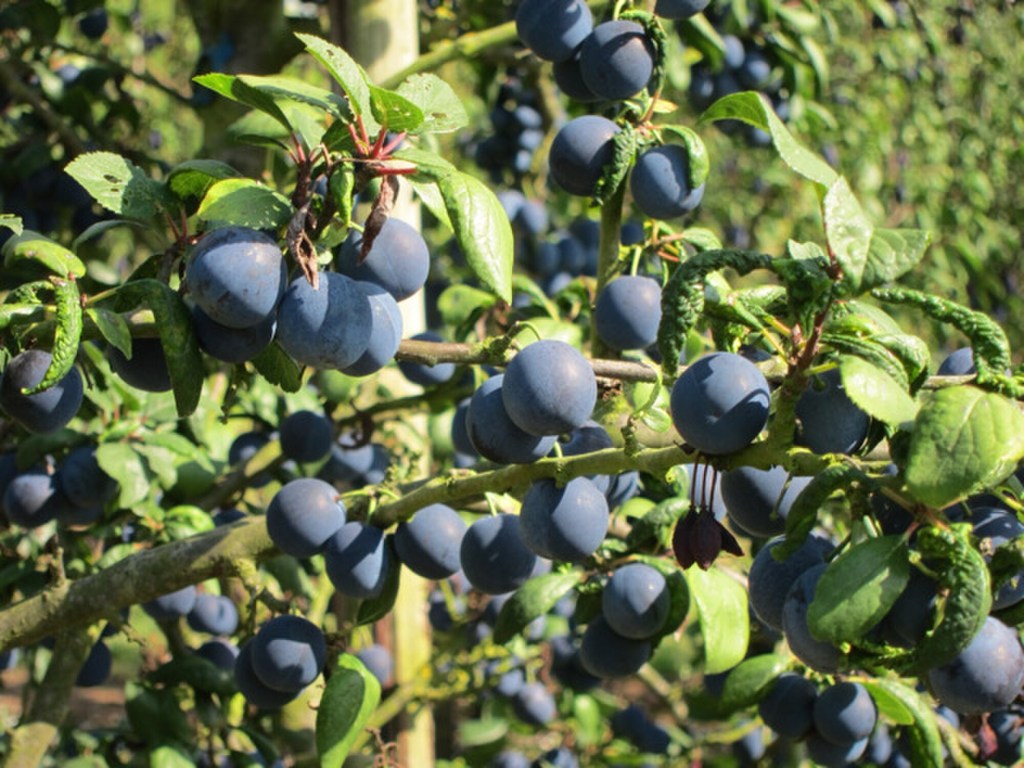
Damsons, Prunus domestica insititia, are a lesser well-known subspecies of Prunus domestica, the Common Plum, and can often be found growing on our more ancient hedgerows and lanes.
As a domesticated fruit they have deep cultural roots, with legend suggesting that they were introduced by the Romans or medieval monks from the area around Damascus (hence their name Dam-son), though their exact origins remain uncertain.
It is known that by the 17th century they were a common sight in cottage gardens and hedgerows throughout the country and highly valued for their hardiness and versatility.
Unlike their sweeter plum cousins, Damsons have a tart, astringent bite that makes them ideal for preserves and wines. In Lancashire and Cumbria, the Westmorland Damson, a local cultivar, became so prized that it has inspired community celebrations, with festivals like Damson Day in Cartmel drawing locals and visitors alike to honour the humble fruit.
Historically the fruit was a working-class staple, preserved to last through lean winters or to be bartered in local markets. Their small size, typically 1 to 2cm long, and single pit made them perfect for jamming, a tradition that persists in our kitchens today.


Damson Distribution
Damsons thrive in our temperate climate, preferring well-drained, loamy soils and tolerating frequent rains. They’re often found in old orchards, where they aid in pollination of other fruits, along field margins, or in hedgerows, where their thorny branches provide shelter for birds and small mammals.
The trees, which can live for decades, burst into clouds of white blossoms in early spring, providing a vital early nectar source for pollinators like Bumblebees. By late summer, usually August to early September, the fruits ripen, weighing down branches with their indigo bounty.
In the Northwest, Damsons are particularly abundant in the Lune Valley and around the market towns of Kendal and Ulverston, indeed the valleys of Lyth and Winster are so famous for this fruit that the area is often dubbed the ‘Damson District’.
Though this part of the world may be the fruit’s heartland they can be found dotted throughout the country in all sorts of locations, urban foragers in cities like Liverpool or Manchester may even find them in community orchards or neglected corners of parkland.
“Here’s to thee, old damson tree,
Whiles we may, we wassel thee;
But if not, we’ll bury thee deep,
And a green turf cover thee”.
These scattered trees tell us that Damsons were once much more highly regarded, especially as they are a low-maintenance crop, but farming of the fruit declined steeply after World War II due to shifting consumer tastes, the lingering effects of wartime sugar rationing, and the high cost of British-grown fruit compared to imports.
Nowadays they still face competition from imported fruits but the main threat is land clearance and the increasing amalgamation of farms into industrial-scale operations that have little room or time for maintaining such obscure and unprofitable legacies.
Thankfully dedicated conservation efforts by groups like the Westmoreland Damson Association, including local orchard restoration projects, are helping preserve these trees for future generations.

Damson Dishes
Chefs dream of finding a supplier of Damsons, as their tartness lending itself to a wide range of dishes, when we were given some at our pub by a regular we turned them into 4 10inch lattice pies and sold out of them that very night!
Beyond preserves, they’ve been used in crumbles, tarts, and even savoury chutneys, which I strongly recommend pairing with a local cheese like creamy Lancashire or strong Cheshire.
Damson gin, always a favourite, sees the fruit steeped in spirit to create a ruby-red liqueur perfect for winter evenings, and they are also fermented into wine or used to flavour beers like the porter pictured below.

Northwest Recipe; Damson Preserve
To really capture the essence of a late English summer here is a simple yet delicious recipe for Damson preserve. It is perfect on toast, scones, or as a glaze for meats, and draws out the fruit’s tangy depth.
All you need to make it is an oven, a large saucepan, and some jars.
As always I like to pair my recipes with wine and music, for this recipe I suggest the aforementioned gin, wine or porter, D Byrne & Co in Clitheroe stock the former, as do Booths supermarkets if you’re lucky enough to have one near you, they might stock the porter on occasion too as they offer a very good selection of beers.
For music I’ve suggested Tending the Wrong Grave for 23 Years, by Birkenhead group Half Man Half Biscuit, not for any particular reason though, just because I like it!
Ingredients (Makes about 4 x 450g jars)
• 2kg fresh damsons, washed with stalks removed
• 1.5kg of granulated sugar
• 400ml water
• Juice of 1 lemon
• 1 Knob of unsalted butter (optional, to reduce foaming)
Sterilising Jars
To sterilise jars, wash them thoroughly, then place them in a preheated oven at 275°F (135°C) for 10 minutes or boil them in water for 10 minutes, ensuring they’re fully submerged, and dry completely before use.

Method
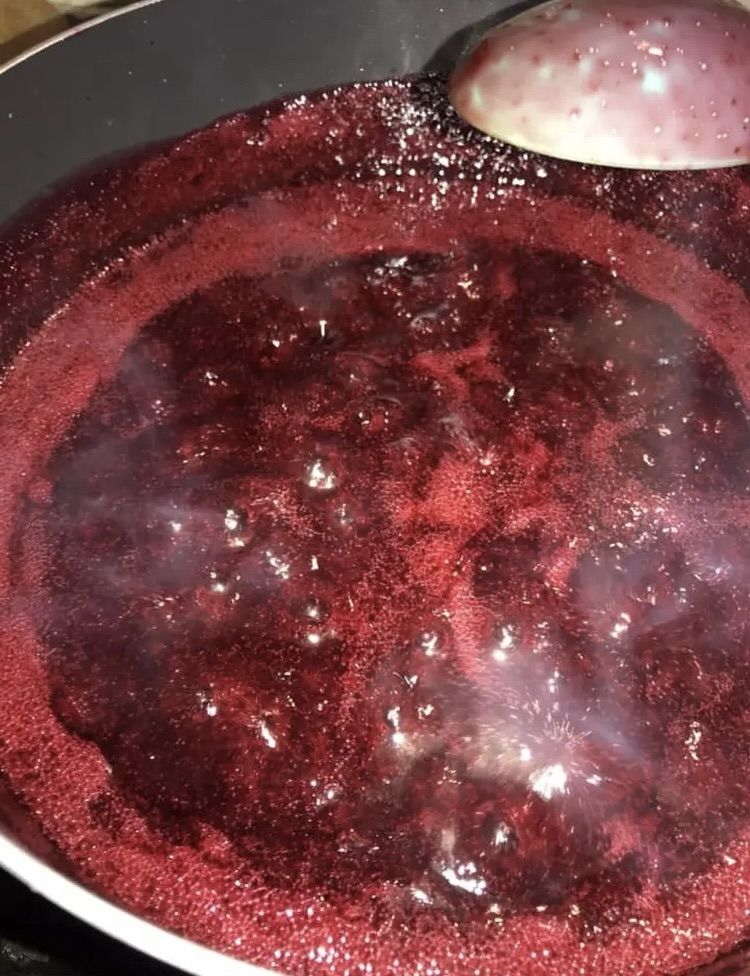
1. Prepare the fruit: Place the Damsons and water in a large, heavy-based saucepan. Bring to a gentle simmer over medium heat, stirring occasionally, until the fruit softens and the skins begin to burst (about 10 to 15 minutes).
2. Add sugar and lemon: Stir in the sugar and lemon juice, ensuring the sugar dissolves completely. Keep the heat low to avoid scorching, stirring gently until the mixture is smooth.
3. Cook the preserve: Increase the heat and bring to a rolling boil. Cook for 10 to 15 minutes, stirring occasionally to prevent sticking. Test for setting point by placing a small saucer in the fridge to chill, then spoon a little preserve onto it. After a minute, push the preserve with your finger; if it wrinkles, it’s ready. If not, boil for another 2 to 3 minutes and test again.
4. Skim and jar: If foam forms, skim it off with a slotted spoon or add a knob of butter to reduce it. Carefully ladle the hot preserve into sterilised jars, leaving 1cm of headspace. Seal with lids while still hot.
5. Cool and store: Allow the jars to cool completely before labelling. Store in a cool, dark place for up to a year. Once opened, keep refrigerated and use within a month.
Tips: For a smoother preserve, you can pass the cooked damsons through a sieve to remove pits and skins before adding sugar, though many prefer the rustic texture with pits included. Pair with a wedge of crumbly Lancashire cheese for a truly tasty treat, as often served at Damson Day stalls.

The south wall warms me: November has begun,
Yet never shone the sun as fair as now
While the sweet last-left damsons from the bough
With spangles of the morning’s storm drop down
Because the starling shakes it, whistling what
Once swallows sang.
From Philip Edward Thomas’s early 20th-century poem “There’s Nothing Like the Sun” (1917), a reflection on late autumn light.

If you enjoyed this article please consider showing your appreciation by buying me a coffee, every contribution will go towards researching and writing future articles,
Thank-you for visiting,
Alex Burton-Hargreaves
(Sep 2025)
 Northwest Nature and History
Enjoyed reading, Damson are my favourite.
LikeLiked by 1 person
Thank-you, yes Damsons are a favourite of mine too, they are worth their weight in gold!
LikeLike
Superb article, thankyou. My naughty Grandma Hargreaves in Fence, refused to reveal her damson wine recipe to her daughter-in-law……it was extraordinary nectar I believe. Julie Anne.
LikeLiked by 1 person
Thank-you! Yes I’ve got a friend over in Co Down who won’t share his recipe for Elderflower wine, which is also like nectar from heaven, he makes Damson wine, Poteen and loads of other stuff but will very share his secrets with anybody, so I know what you feel like!
LikeLike