An Objective Look at Some of the Tasks an Upland Gamekeeper has to do in Spring
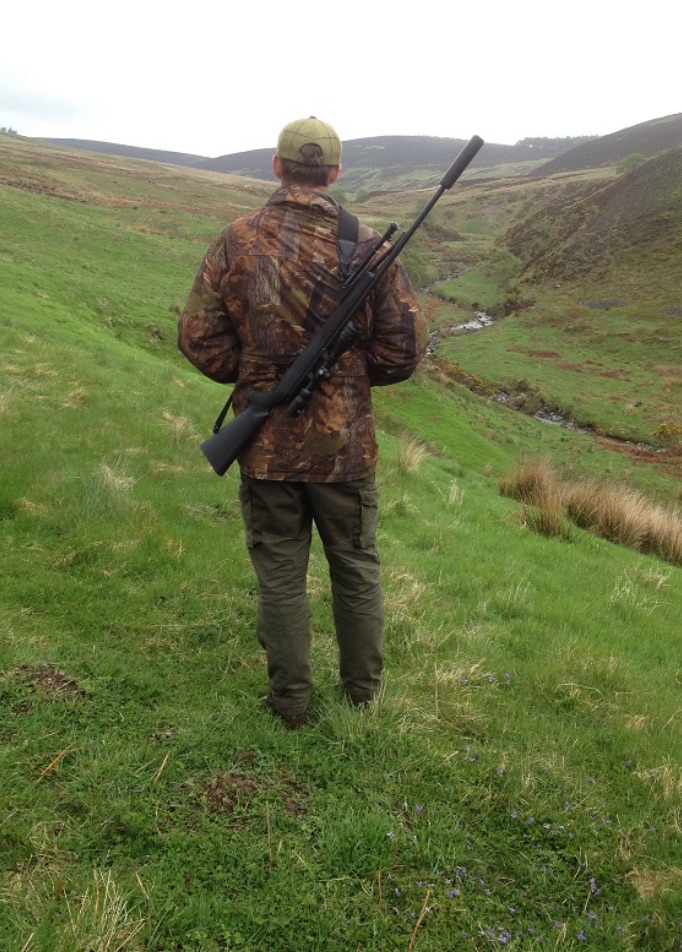
For the Upland Gamekeeper spring is a season of intense activity, a critical time of fast change at the fulcrum between the wild & windy months of winter and the more benign months of summer, when the moors become vibrant with life.
The shooting season has long ended (grouse shooting finishes on the 10th of December), and the keeper’s focus shifts sharply to preparing for and protecting the breeding season of red grouse and other ground-nesting birds. Days lengthen, temperatures rise (though upland weather remains unpredictable), and the moors become alive with pairing birds, green shoots, and hungry, keen-eyed predators.
As the hands of the seasonal clock move towards summer, and the days lengthen, keepers find themselves working longer, and more physically demanding days, juggling habitat care, predator control, monitoring, and maintenance. Their efforts support not only sporting grouse populations but also the wider biodiversity of the moors, including wader species like Curlew, Lapwing and Golden Plover, numbers of which are largely in decline elsewhere.
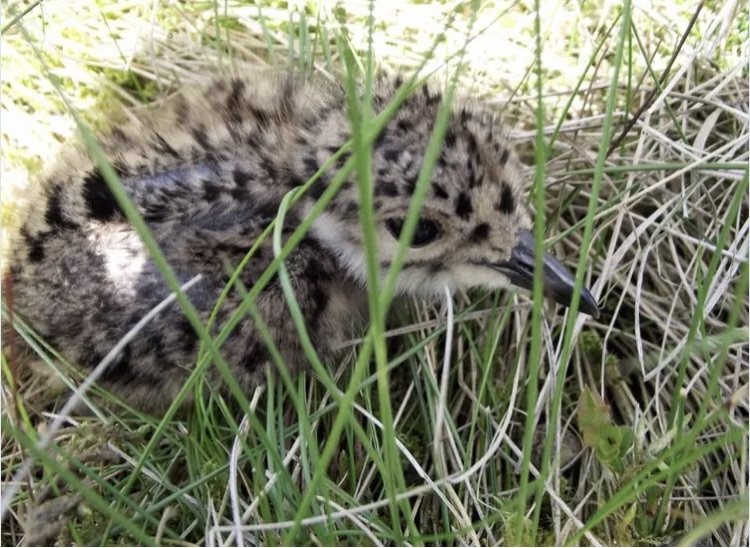
Early April: Wrapping Up Habitat Work and Preparing for Nesting
Controlled burning, or ‘muirburn’ is one of the most visible and regulated tasks, but it must wind down carefully in April. In upland areas of England the standard burning season runs until the 15th of April and keepers will complete any final controlled burns before this time when conditions allow; dry enough for the heather to burn cleanly but with damp ground and suitable winds to contain the fire.
These rotational burns create a patchwork mosaic of heather ages: young, nutritious shoots for grouse food and taller patches for cover and nesting. The cut-off date of April 15th is to avoid disturbing ground-nesting birds, which begin to establish territories and lay eggs by this time. Keepers use drip torches, fire-beaters, and firebreaks, working in small teams for safety and precision. This practice also reduces wildfire risk later in the year by lowering fuel loads.
Alongside burning (or as it tapers off), April sees:
- Bracken control ramping up; cutting, rolling, or targeted spraying to prevent this invasive fern from overwhelming moorland flora like heather and creating tick-friendly habitat.
- Grit; topping up grit, essential for grouse digestion, especially as birds prepare for breeding, and often treated with medications like flubendazole to prevent strongylus and other worm infestations which can lead to population crashes.
- Infrastructure checks; repairing tracks, grouse butts (shooting positions), fences, and drains after winter.
Mid-to-Late April and May: Peak Predator Control and Breeding Protection
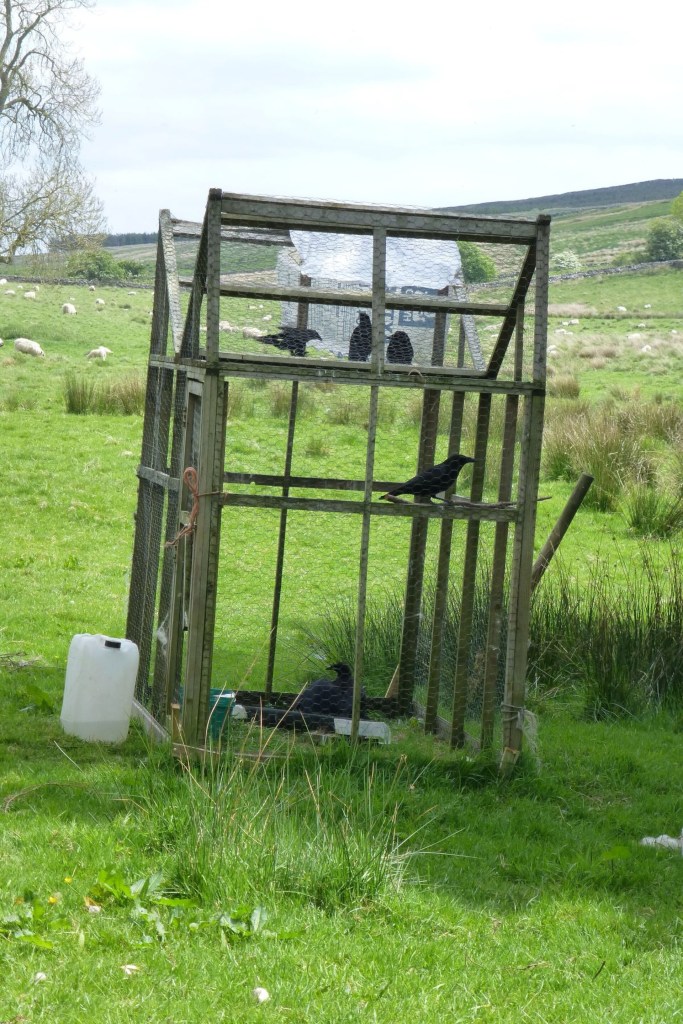
As red grouse begin pairing and nesting, the males establishing or defending territories from late winter into early spring, with hens typically laying eggs from the second half of April into May, predator control becomes the highest priority. As ground-nesters they are extremely vulnerable to fox, carrion crow, magpie, Stoat, weasel, and occasionally rat or feral cat, which will target eggs, chicks, and sitting hens.
In April and May, keepers intensify efforts on:
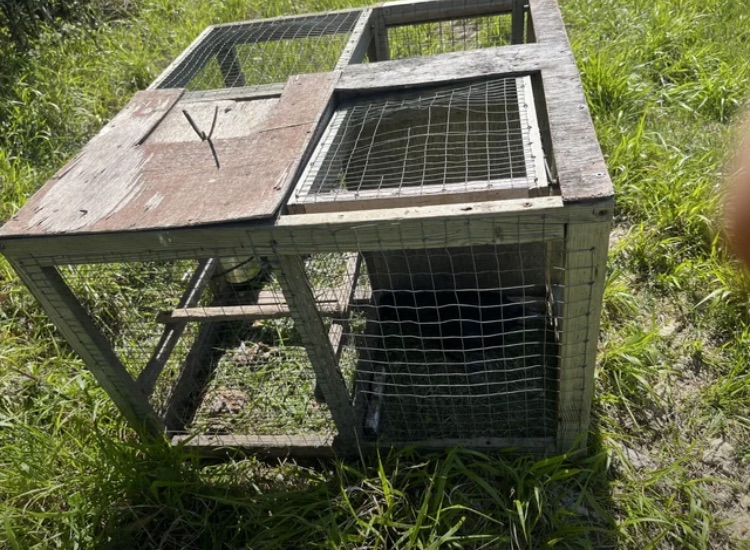
- Traps: checking and resetting Larsen traps or multi-catch traps for corvids (crows and magpies are major egg predators during this period), and using approved spring traps or other legal methods for smaller mammals.
- Lamping: night-time lamping or thermal imaging for foxes, as vixens with cubs can cause significant damage if not controlled.
Control is concentrated in spring because this is when predation pressure on breeding birds is greatest, indeed studies have shown that reducing ground and avian predators can lead to substantial improvements in breeding success for grouse and waders alike. Keepers monitor territories daily, adapt to weather and signs of activity, with many describing it as ‘wildlife warden’ work, as they protect a whole suite of moorland species beyond the grouse.
Red grouse breeding follows a clear timeline in these months: pair formation solidifies, hens lay clutches of 6 to 9 eggs (incubation around 22 days by the hen alone), and hatching often begins in late May or early June. A cold, wet May can delay insect hatches, which are vital for young chicks in their first 10 days, so keepers will stay vigilant for weather impacts.
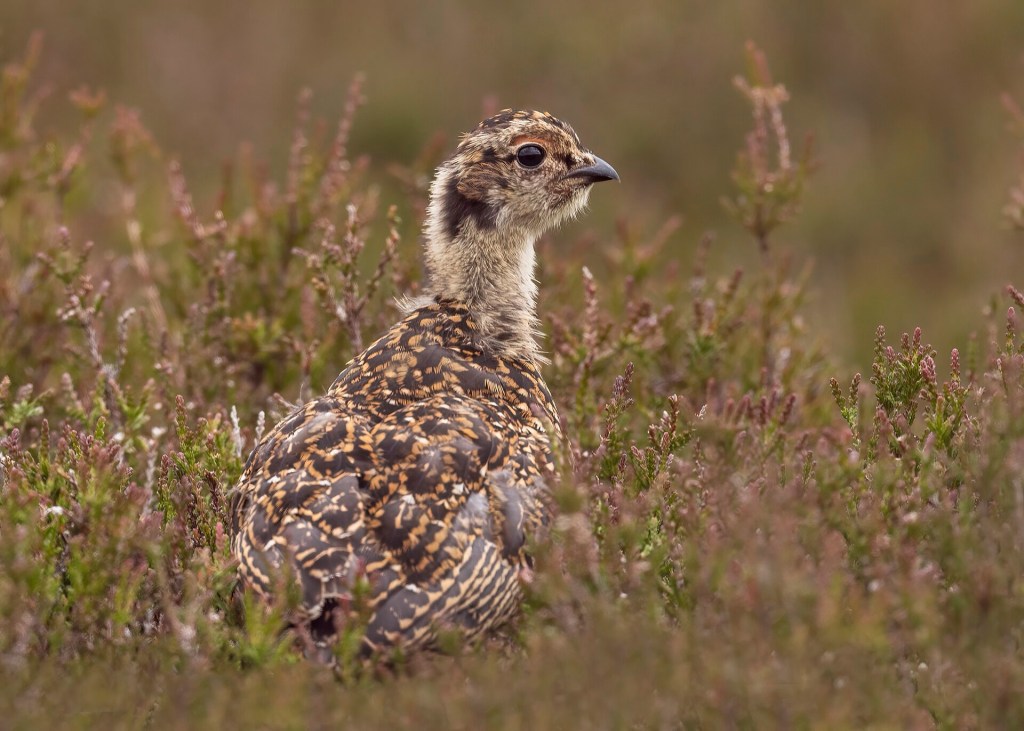
(Caroline Legg)
Monitoring, Surveys, and Supporting Broods
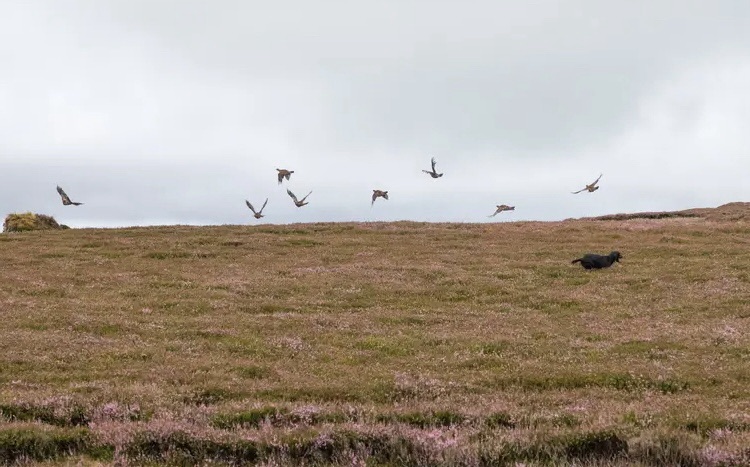
The months of April and May are when population monitoring is carried out. Spring counts of grouse pairs (often using pointing dogs on some estates, though disturbance is minimised once nesting starts) help assess pre-breeding densities and guide management. Keepers walk their beats at dawn or dusk, noting territories, signs of disease (such as strongylosis or ticks), and wildlife activity.
As May progresses and early broods appear (some grouse can hatch as early as late May in warmer springs), keepers shift toward:
- Observing chick survival.
- Managing parasites through habitat work and grazing agreements.
- Recording data for collaboration with bodies like the Game & Wildlife Conservation Trust (GWCT).
To learn more about how Red Grouse are counted please read the excellent blog by Tuffies (I’m not affiliated with them btw, I just found it very informative)
Other Routine but Essential Tasks
- General moor maintenance; clearing drains, maintaining vehicles and equipment, and preparing for summer.
- Peatland and water management; grip (drainage ditch) blocking/ unblocking or other work to improve peat resilience.
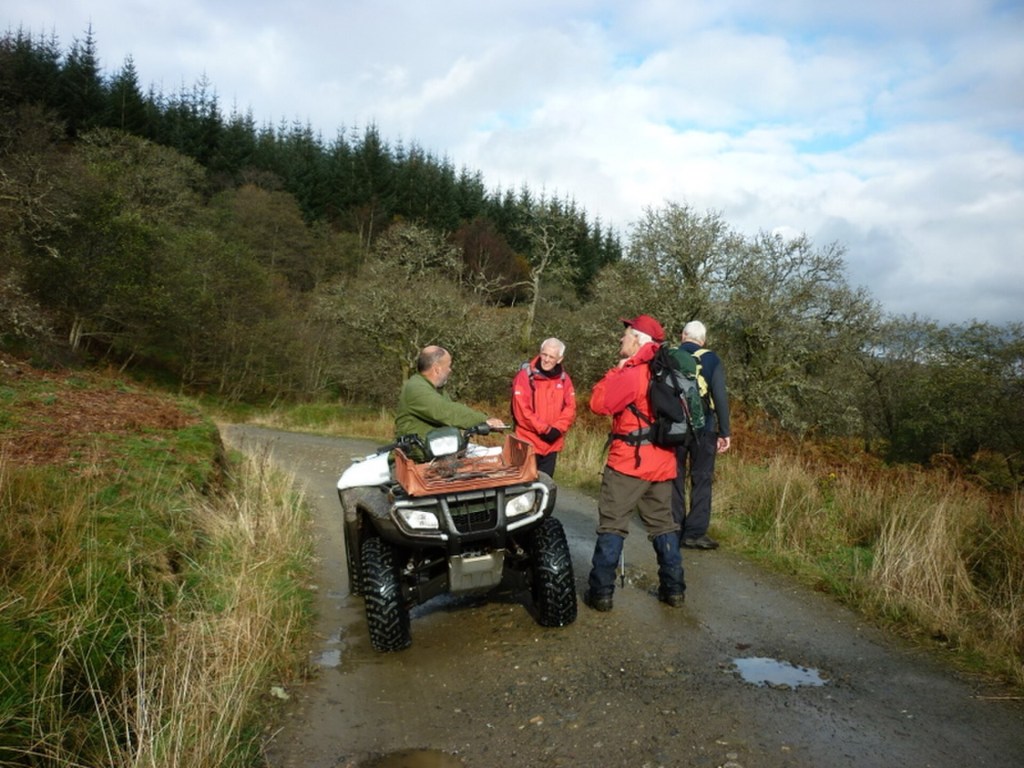
- Public safety and access; advising walkers, maintaining paths and signs, and sometimes assisting in moorland incidents like wildfires as the outdoor recreation begins.
- Team coordination; on larger driven moors, keepers divide vast beats, sharing workload while coordinating with under-keepers or contractors.
The job demands excellent knowledge of the land, fitness for long days in variable weather (April snow showers are not unknown), and the ability to read subtle signs in the landscape.
The Rewards and Challenges of Spring Stewardship
By the start of summer spring’s efforts will start to show in stronger grouse pairs and emerging broods, alongside thriving populations of other creatures that benefit from the same management.
Upland gamekeepers have long seen themselves as custodians of a unique cultural and ecological landscape, one that supports rural economies and hosts iconic wildlife. However, the role faces scrutiny over practices like burning and predator control, with regulations tightening in some areas, and cases of raptor persecution have caused irrevocable damage to the industry’s reputation.
For keepers, this season embodies the soul of the profession: quiet, vigilant work at first light and last, protecting their vulnerable charges while shaping a fragile habitat to sustain life on the exposed moors.
Gamekeeping in the uplands remains a hands-on, traditional craft but is fast adapting to modern conservation demands. Those entering the field often gain experience through apprenticeships or college courses in countryside management, learning the rhythms of the seasons on the hill by assisting an experienced keeper on his rounds.
When I studied my NVQs at Myerscough and Newton-Rigg colleges I was fortunate enough to be placed with the keepers at Abbeystead Estate in Lancashire and then Stair Estate in Dumfries & Galloway, where I went on to work as an upland underkeeper for 2 seasons.
It is during those 7 years of studying and practical work experience that I picked up the valuable skills and knowledge that I share in these articles, and find immensely useful in day-to-day life.
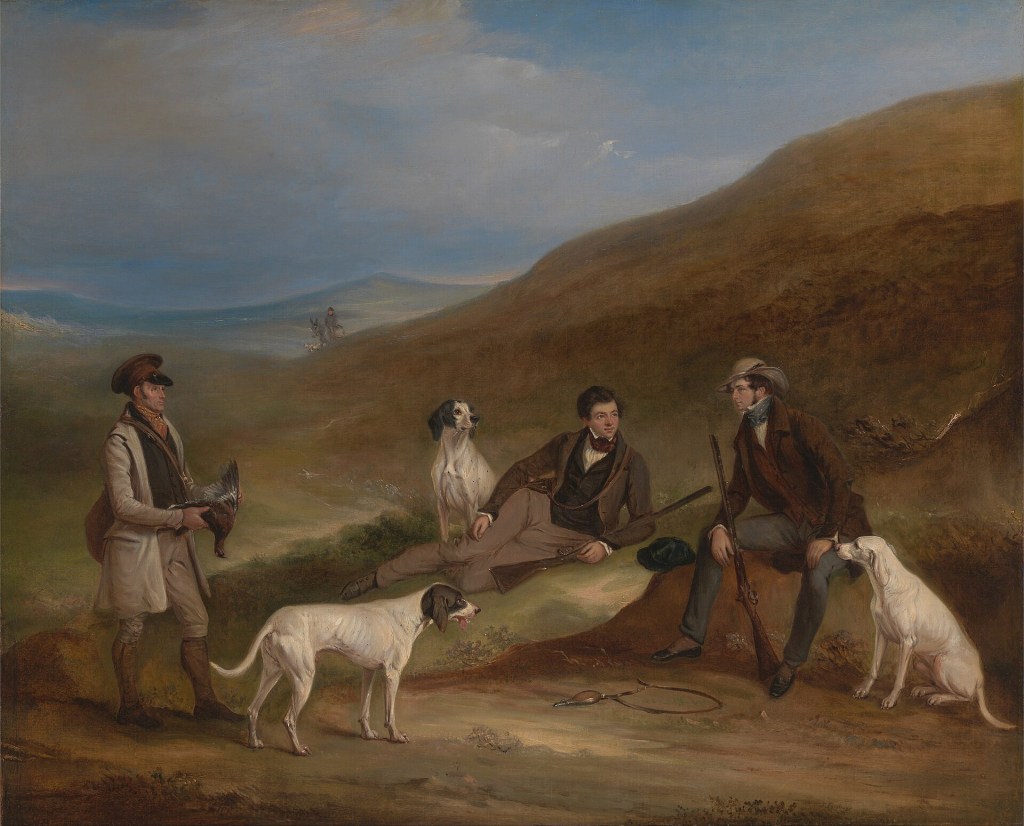
John Ferneley (1782 – 1860)
Call Of The Moors
By Nigel Algar Orde-Powlett
Let others live their lives in murky towns,
and glean their joys where smoky chimneys pour;
For me the rolling waste of windswept downs,
the purple blossomed garden of the moor
Where the wild sweet wail of the wheeling lapwing cry
pierces the twilight landscape wet with dew;
Where the moor fowl, ruddy plumed, flee boldly by
Where nature’s smiles are bright, her sorrows few;
Where the ghostly redshank trills her mournful tune,
seeking the distant tarn with wandering flight;
Where the curlew sadly cries her sorrowing rune
as, dimly seen, she cleaves the paths of night;
Where the purple bells of heather, one by one,
shiver and close to the touch of the rising moon
There where my tasks are o’er, my labours done,
There let me rest, lulled by the winds wild tune.
A Brief Biography of Nigel Algar Orde-Powlett
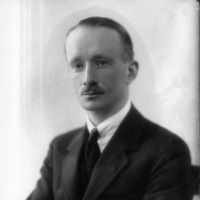
Nigel Amyas Orde-Powlett, the 6th Baron of Bolton (1900–1963) was a British peer and landowner.
Born in London as the second son of William George Algar Orde-Powlett, the 5th Baron of Bolton, he succeeded to the title in 1944 following the death of his father (his elder brother, Lieutenant William Percy Orde-Powlett, had been killed in action in 1915 during the First World War).
As a teenager, shortly after his brother’s death, Nigel wrote the poem “Call of the Moors”, which was published in 1918 and reflects his deep affection for the Yorkshire moors, their wildlife (especially curlews and other waders), and rural life in contrast to urban existence.
He served as a Deputy Lieutenant and Justice of the Peace and in 1928 married Victoria Mary Villiers (who died in 1933); they had one son, Richard William Algar Orde-Powlett, who later became the 7th Baron of Bolton.
Nigel lived much of his life associated with the family estates in Wensleydale, Yorkshire, where he died in 1963 at the age of 63.
Thank-you for reading. If you enjoyed this piece and would like to support further articles on the wildlife and history of the Northwest, you can buy me a coffee here.
Alex Burton-Hargreaves
(April 2026)


One thought on “The Duties of a Gamekeeper; Spring on the Moors”