An Assessment of Britain’s Current Housing Situation

“It is not the possessions but the desires of mankind which require to be equalised” (Aristotle)
The prevailing view in British politics and media holds that the country suffers from a severe housing shortage, necessitating the construction of hundreds of thousands of new homes each year, often pegged at 300,000 or more, to address population growth, household formation, and affordability issues.
This narrative suggests that ramping up supply would ease prices, rents, and homelessness, yet a detailed review of the evidence paints a more complex reality.
The Complex Reality
Britain’s overall housing stock has largely kept pace with or exceeded household growth over recent decades, and significant levels of under-occupancy, vacancies, and second homes indicate that the central problems with our housing policy lie in the misallocation of existing housing, the financialisation of property as an investment asset, planning constraints, and regional imbalances.
Pursuing large-scale new construction without confronting these factors risks environmental harm, disruption of communities, poor-quality development, and limited impact on affordability.
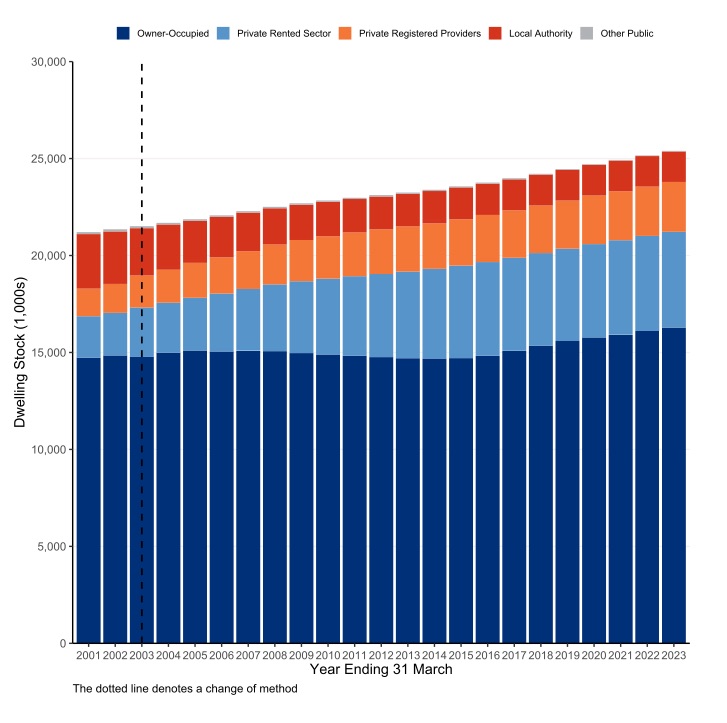
Recent official figures have stressed this balance in aggregate supply. In 2024, England had an estimated 25.6 million residential dwellings, while the UK as a whole had around 28.6 million households. Dwelling stock in England reached about 25.4 million by 2023, reflecting steady additions through new builds, conversions, and extensions.
Over longer periods net additions have often aligned closely with household formation rates, even as projections for future demand, mainly driven by high net migration, have escalated. Earlier forecasts have overstated the surge in single-person households, contributing to an inflated sense of shortfall.
Vacancy Rates
England maintains one of the lowest vacancy rates in the OECD (The Organisation for Economic Co-operation and Development , an international intergovernmental organisation of 38 member countries) of around 2.7 to 5.4% depending on the measure, reflecting tight utilisation of the existing stock rather than abundance. While dwellings per capita remain lower than in many European counterparts (roughly 430 to 440 per 1,000 people), this efficiency leaves minimal slack but also demonstrates that absolute scarcity is not the dominant issue.
A deeper challenge is the uneven distribution and inefficient use of the housing that already exists. Under-occupancy is widespread, according to the 2021 Census, 68.8% of households in England lived in under-occupied accommodation (more bedrooms than needed by the bedroom standard), while only 4.4% were overcrowded.
More recent English Housing Survey data reinforces this pattern, with around 72% of households having at least two excess bedrooms in some analyses. Detached homes show particularly high rates, often exceeding 90%, and owner-occupiers, especially older households and outright owners, account for the bulk of this under-occupation.
Meanwhile, overcrowding is concentrated in rented sectors, particularly social housing in high-demand urban areas. Empty homes further illustrate untapped potential: long-term vacant properties number in the hundreds of thousands (recent figures hover around 265,000 to 300,000), with broader unoccupied dwellings, including short-term vacancies and second homes, exceeding one million when all categories are combined.
Targeted Policies
Second homes alone add hundreds of thousands more properties that are not used as primary residences, with notable concentrations in rural, coastal, and premium locations. Targeted policies to encourage downsizing, penalise long-term empties more effectively through council tax premiums, or enhance mobility in rental sectors would free up substantial capacity without the need for equivalent new construction.
Affordability pressures, which fuel much of the public debate, stem more from financial and economic dynamics than from a pure shortfall in physical stock. House prices have risen dramatically due to expanded credit, persistently low interest rates for extended periods, buy-to-let investment, foreign capital inflows, and the perception of housing as a reliable store of value when there are limited alternatives.
This reflects asset price inflation more than a shelter deficit. Evidence from economists such as Ian Mulheirn (please see references below) shows that rents, which are a more direct measure of housing service costs, have not escalated in line with purchase prices, and supply increases have shown limited dampening effects on values when speculative demand remains unchecked.
International examples, such as Ireland’s pre-2008 building boom, teach us that rapid construction does not automatically resolve price pressures if underlying demand drivers like credit and investment persist. Without reforms, such as tighter mortgage regulation, taxes on speculation, or measures to redirect capital toward productive investment, additional supply risks being absorbed into investor portfolios rather than meaningfully lowering costs for first-time buyers or renters.
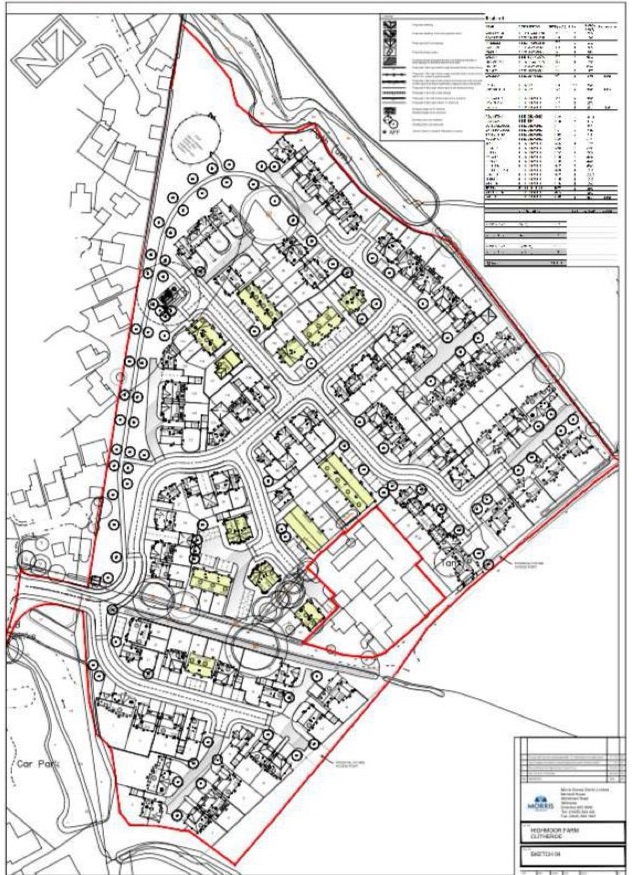
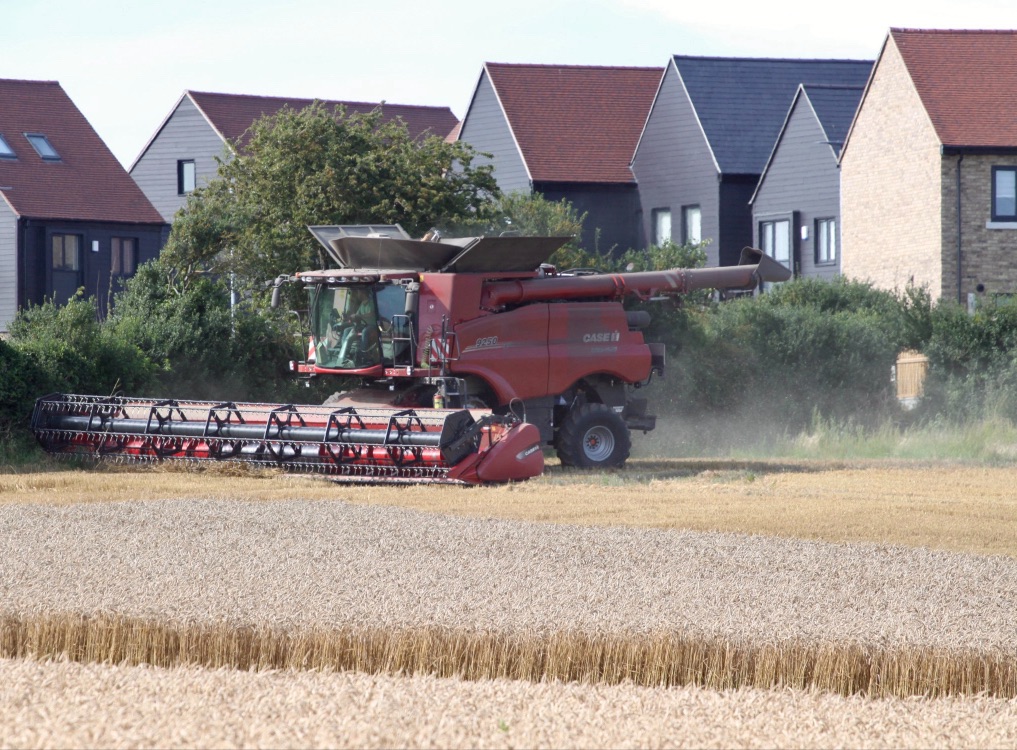
Large-scale new building also carries substantial drawbacks. Environmentally, each new home generates significant embodied carbon (around 80 tonnes for a 2-bed), along with demands for infrastructure, materials, and land that challenge net-zero commitments and biodiversity goals. Greenfield development, including on Green Belt land, also threatens our countryside and farmland.
Oversupply and Overestimations
Many recent builds have been criticised for smaller sizes, low quality standards, and higher costs driven by regulations, labour shortages, and developer priorities, this coupled with a complete lack of after-market care by developers means that many buyers are ultimately dissatisfied with their new homes.
Oversupply in lower-demand regions has previously led to vacant or abandoned estates. Economically, heavy emphasis on housing can crowd out investment in other industrial sectors, contributing to Britain’s productivity challenges.
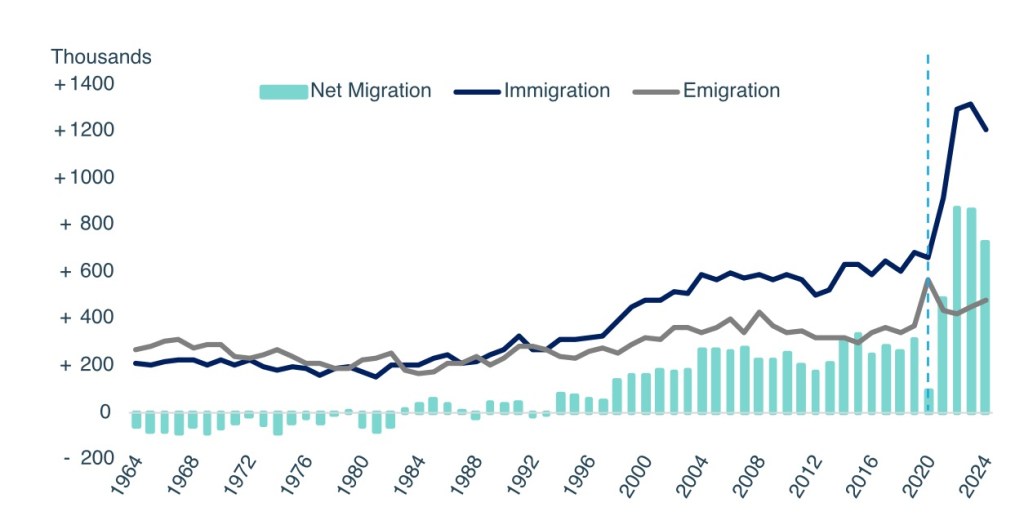
Demographic pressures are real yet are heavily influenced by net migration, with projections indicating continued household growth if current rates continue, however, these trends are not immutable. Policy choices around immigration levels, regional economic balancing, incentives for multi-generational or shared living, and support for downsizing among ageing populations can moderate demand.
Past overestimations in projections caution against treating future figures as fixed certainties requiring proportional new supply everywhere.
Smarter Solutions
Rather than a simplistic, default “build, build, build” strategy, more effective approaches would prioritise smarter utilisation of the existing stock through fiscal incentives and disincentives for under-use, reforms to tenancy laws for better mobility, targeted social and affordable housing on brownfield or urban sites, and direct interventions in financial markets to curb speculation.
Planning reforms should emphasise quality, infrastructure alignment, and environmental sustainability over sheer volume.

Conclusion
In conclusion, we do not face an absolute national shortage of housing when the full picture of stock, occupancy, vacancies, and utilisation is considered. The real crisis centres on affordability, distribution, and the treatment of homes as financial assets rather than places to live.
Unrestrained new construction will only deliver huge environmental and fiscal costs while delivering negligible relief on prices and completely failing to address the root causes. A more balanced, evidence-driven policy debate should take place which focuses on optimising what already exists, managing demand drivers, and pursuing sustainable development where truly needed.
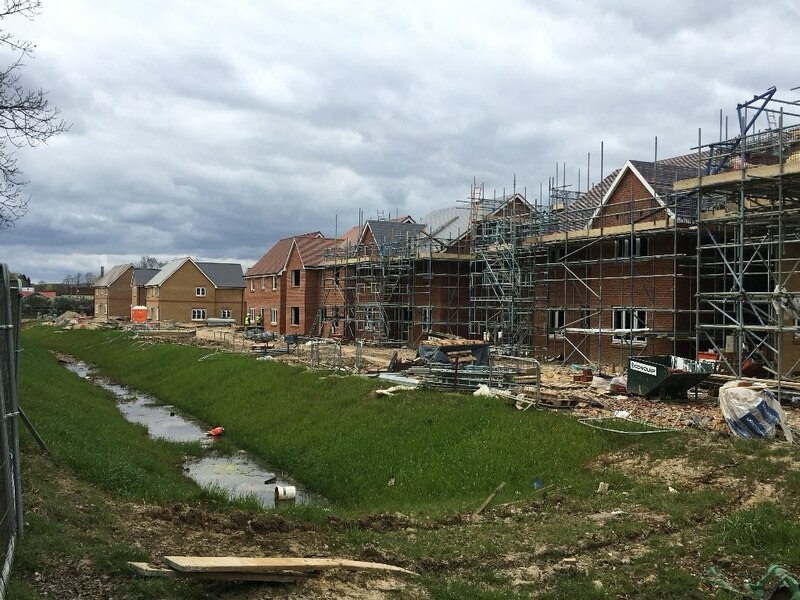
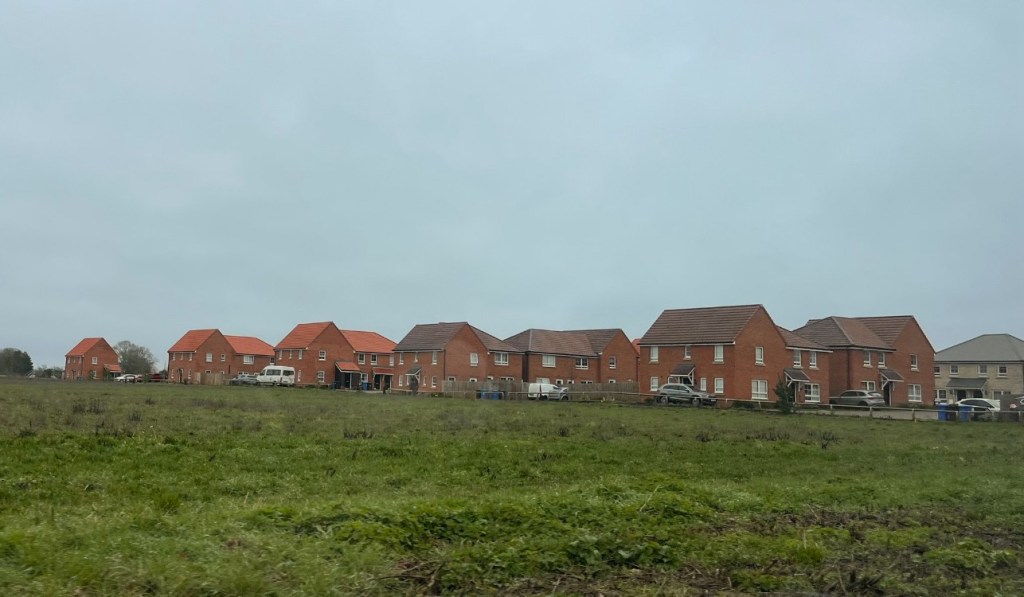
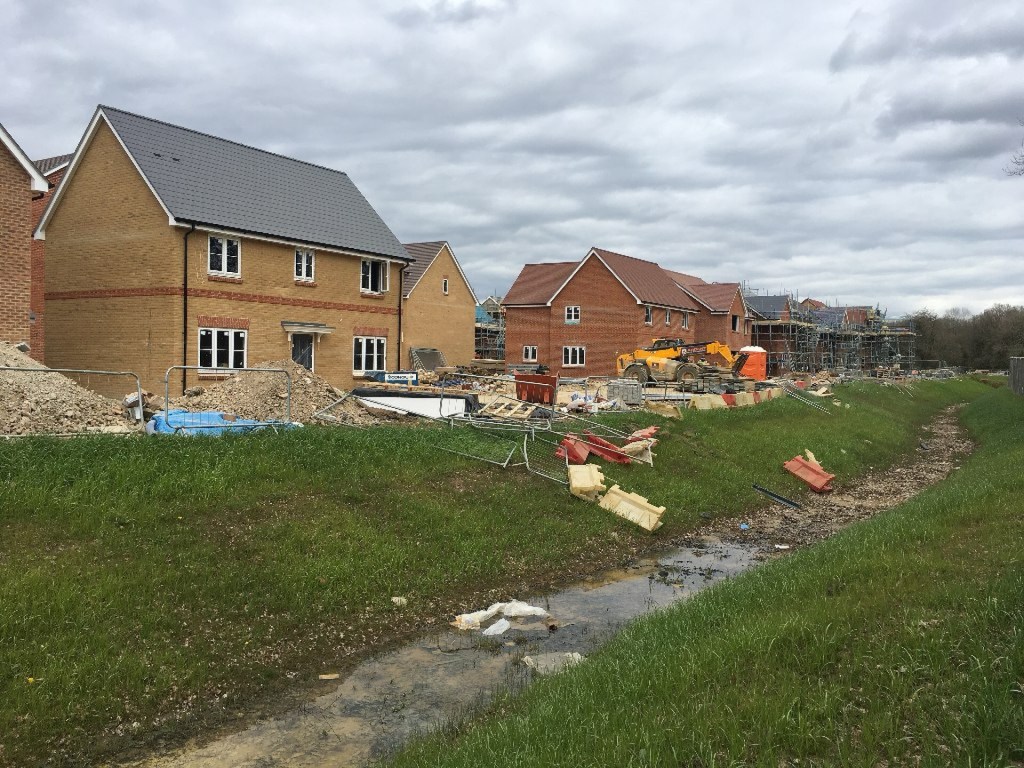
Early days of the Bewley Homes development at Ash, Surrey, marketed as ‘Ash Lodge Park’
The houses still with scaffolding are marketed as ‘The Curridge’, 4-bedroom detached family homes, At the time this photo was taken (2021) they were priced at £650,000
(Mr Ignavy)
References and Sources
Official UK Statistics and Surveys:
• English Housing Surveys 2022 to 25
https://www.gov.uk/government/collections/english-housing-survey
• DLUHC / MHCLG Live Tables on Dwelling Stock
https://www.gov.uk/government/statistical-data-sets/live-tables-on-dwelling-stock-including-vacants
• ONS Subnational Estimates of Dwellings and Households
https://www.ons.gov.uk/peoplepopulationandcommunity/housing/methodologies/subnationalestimatesofdwellingsandhouseholdsbytenureqmi
• Census 2021 (England and Wales) https://www.ons.gov.uk/
Economic and Policy Analyses
• Ian Mulheirn, ‘Tackling the UK Housing Crisis: Is Supply the Answer?’
https://housingevidence.ac.uk/wp-content/uploads/2024/05/20190820b-CaCHE-Housing-Supply-FINAL.pdf
• Home Builders Federation International Audit of UK Housing Stock (2023)
https://www.hbf.co.uk/documents/12890/International_Audit_Digital_v1.pdf
• Resolution Foundation and other think-tank reports: Vacancy rates, under-occupancy, and affordability discussions.
Empty Homes and Utilisation Data
• Action on Empty Homes / Council Taxbase Statistics (2023–2025)
https://www.actiononemptyhomes.org/
International Comparisons and Policies (also used for a possible follow-up article)
• OECD Affordable Housing Database (HM1.1 Housing Stock and Construction)
https://www.oecd.org/en/data/datasets/oecd-affordable-housing-database.html
• German Rental Market and Tenant Protections, including Analysis of the Mietpreisbremse policy (rent brake) https://www.sightline.org/2021/05/27/yes-other-countries-do-housing-better-case-2-germany/
• Viennese Social Housing Model
• Singapore HDB Public Housing
• Japanese Housing Supply Policies
• Netherlands Housing Associations (Woningcorporaties)
(Mr Ignavy)
About the Author
The Author currently lives in a 50-year-old, semi-detached, 2 bedroom house on the outskirts of a typical housing estate in a Lancashire mill-town where, alongside his wife, he helps care for his elderly father-in-law, having previously occupied a large (and rather beautiful) 2-bedroom Victorian terrace on the other side of town that is better suited to a family rather than a professional couple that were rarely present.
He firmly believes that a return to the multi-generational lifestyle still common in many other countries would, alongside extensive urban regeneration, solve many of Britain’s societal problems and solve our housing issues.
Contrary to any misconceptions he is not a ‘Nimby,’ and would be quite happy to see sensible, well-designed development in his ‘backyard,’ but only on the proviso that it benefitted the country, not aided its destruction.
Thank-you for reading. If you enjoyed this piece and would like to support further articles on the wildlife and history of the Northwest, you can buy me a coffee here.
Alex Burton-Hargreaves
(May 2026)


It saddens me to see wildlife habitat being destroyed by extensive building. Yet I see so many empty and derelict buildings that could be transformed into quality housing.
LikeLiked by 1 person
To be honest it angers me Clare, especially when I see beautiful fields that I walked through as a kid being lost forever to be replaced by ugly brick new-builds (this is happening around Clitheroe where I grew up), yet down the road from me there are perfectly functional victorian terrace houses empty and boarded up for years
LikeLiked by 1 person