Ecology, Biology and Uses of Common Bistort (Persicaria bistorta), Including a Recipe for Traditional Ledge Cake
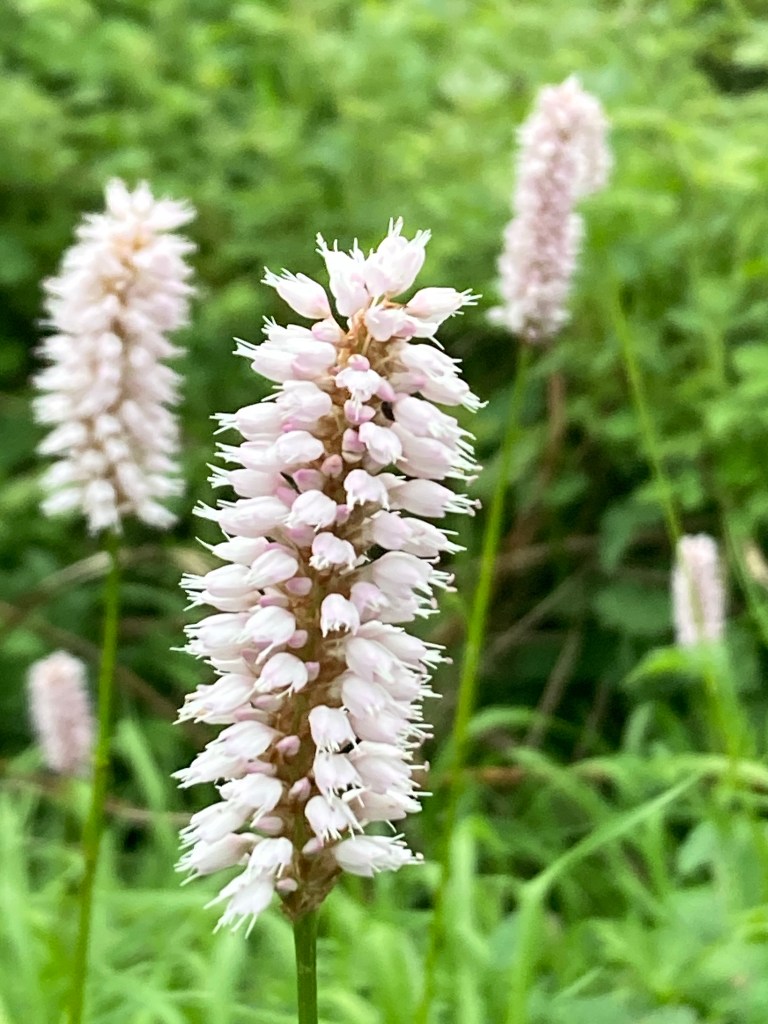
The pink flower spikes of Common Bistort, towering over other wildflowers on their tall, straight stems, are a familiar sight to many of us who have walked the highways and byways of Northwest England in spring and early summer.
Known locally by many names including Pudding Dock, Easter Ledges, Passion Dock, Gentle Dock, and Snakeroot, this unassuming member of the dock family (Polygonaceae) grows from 60 to 75cm tall and typically flowers from May to August, though it can start earlier in milder spots.
Description and Habitat
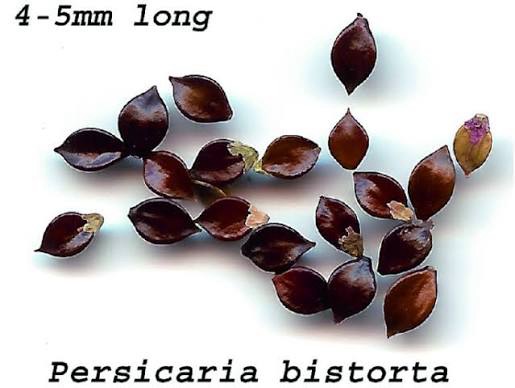
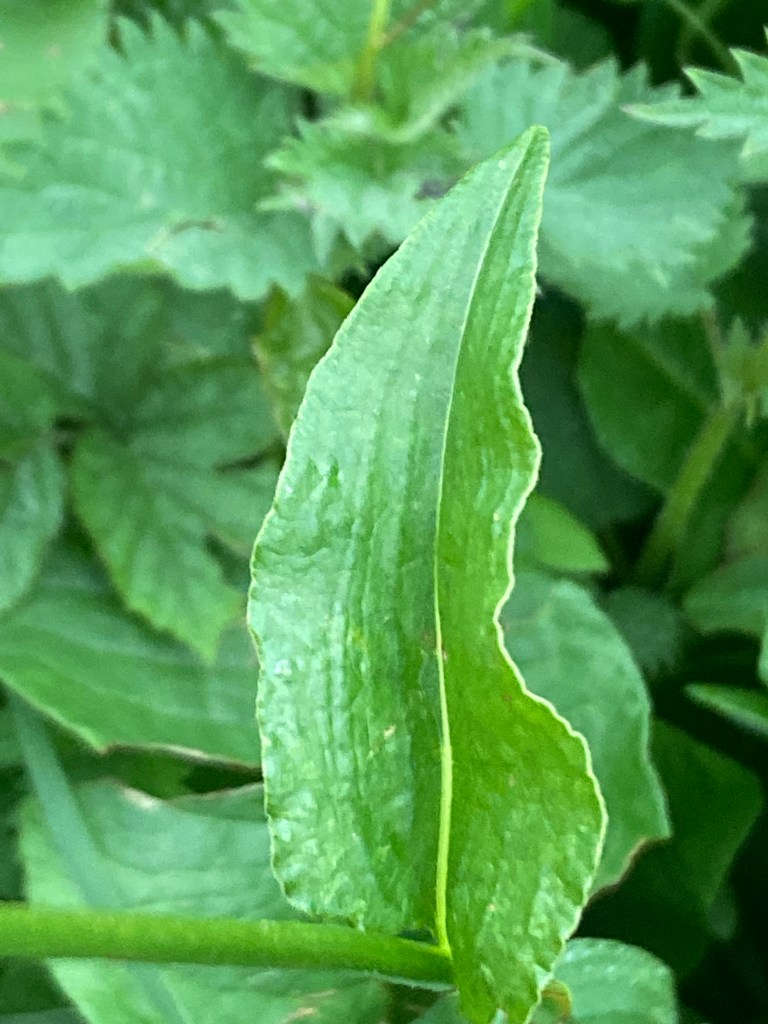
Formerly known by botanists as Bistorta officinalis or Polygonum bistorta Bistort is a perennial with a distinctive growth habit. The leaves are broadly ovate to lance-shaped, prominently veined, often with a slightly wavy margin, and emerge from a thick, twisted rhizome, hence the name bistorta, from the Latin for ‘twice twisted’. The flowers form a dense, cylindrical spike (not unlike a miniature bottlebrush) of tiny pink or occasionally white blooms, and after flowering it produces small dark fruits.
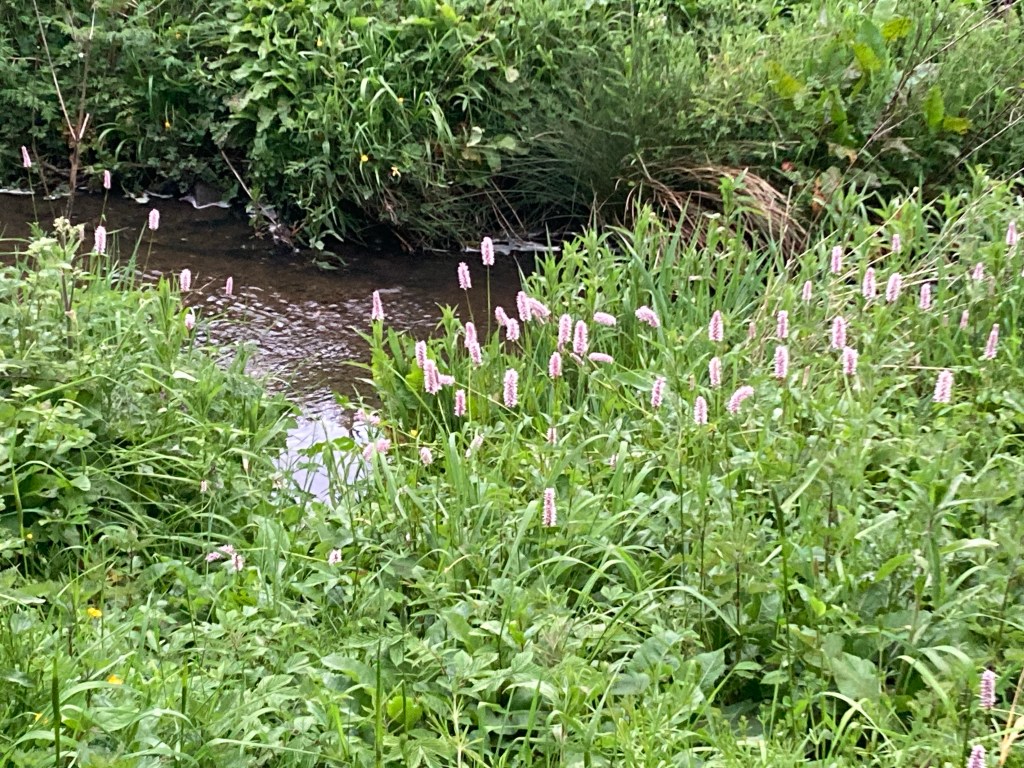
It thrives in moist, neutral to slightly acidic soils, which are very common here in the North of England, and you’ll find it in hay meadows that haven’t been too heavily improved, along stream sides, and in damp roadside ditches. Its rhizomatous nature allows it to form substantial colonies, helping to stabilise damp ground, and it becomes less common as you head south or east.
The plant has a long history in our cultural landscape, its roots, rich in tannins, were once used in leather tanning and in traditional medicine as an astringent. The 17th century herbalist and botanist Nicholas Culpeper noted its virtues in his famous Complete Herbal, and country people valued it for various remedies, from treating wounds to toothache. But it is for food that Bistort is best remembered in northwest England.
Ledge Cake
Although largely forgotten about today it was, not that long ago, traditional for Lancastrians, Cumbrians and Yorkshiremen to pick young Bistort leaves for use as a sort of tonic and as the key ingredient in a local delicacy.
Gathered in early spring when tender, they formed the main ingredient in ‘Easter Ledge Pudding’ (also called Dock Pudding), this savoury pudding mixed the slightly bitter, spinach-like leaves with nettles, barley, oats, onion, and sometimes other herbs, bound with egg. It was traditionally eaten around Easter, as a cleansing dish after the Lenten fast.
The Northwest’s cooler, damper climate suits Bistort perfectly, and the plant was so valued that it was sometimes encouraged or even cultivated in cottage gardens, thus its abundance here made it a true regional speciality.
While the classic version is a boiled or fried pudding, local variations exist, one delightful adaptation is ‘Ledge Cake’, a baked version that turns the traditional greens into something more cake-like, ideal for slicing with a cup of tea or serving as a unique and rather unique side-dish.
Northwest Recipes: Ledge Cake
This recipe makes a savoury cake that honours the traditional style while being easy to prepare in a modern kitchen. It serves 6 to 8 as a side or light main.
Ingredients:
- 200g of young Bistort leaves (washed and stems removed, pick only from clean, unsprayed sites and be wary of where dogs might have been!)
- 100g of young nettle tops (optional but traditional, handle with gloves unless you have the knack of being able to pick them without being stung)
- 1 large onion, finely chopped
- 100g of pearl barley (cooked until tender) or coarse oatmeal
- 2 to 3 eggs, beaten
- 50g of butter or good lard, melted
- A handful of fresh herbs (e.g; parsley, chives, or sorrel if available)
- Salt and black pepper to taste
- Optional: a pinch of nutmeg takes this recipe closer to the original
Method:
- Preheat your oven to 180°C (160°C fan)/Gas Mark 4, grease a medium cake tin or loaf tin
- Blanch the Bistort leaves (and nettles if using) in boiling water for 2 to 3 minutes to reduce bitterness and soften, drain well, squeeze out excess water, and chop finely.
- Gently fry the onion in a little of the fat until soft and translucent.
- In a large bowl, combine the chopped greens, cooked barley/oatmeal, fried onion, beaten eggs, melted butter/lard, herbs, and seasoning. Mix thoroughly; the mixture should be moist but hold together, add a splash of milk if too dry.
- Spoon into the prepared tin and press down gently. Bake for 45 to 55 minutes until firm and golden on top.
- Allow to cool slightly before turning out, then serve warm or cold, sliced, perhaps with ham, cheese, or a poached egg on top.
This Ledge Cake keeps well for a couple of days in the fridge and makes excellent picnic food for a countryside walk. Always be 100% certain of your identification and please forage responsibly, leaving plenty for wildlife and future foragers.

Government and virtues
From Nicholas Culpeper’s Complete Herbal
It belongs to Saturn, and is in operation cold and dry; both the leaves and roots have a powerful faculty to resist all poison.
The root, in powder, or the decoction thereof in wine, being taken, resisteth the pestilence and poison; helpeth ruptures and bruises, stayeth all fluxes of blood, and other fluxes of the belly, vomiting, and immoderate flowing of the terms in women; helpeth inflammation and soreness of the mouth and throat, being washed or gargled therewith; and fasteneth loose teeth, being bruised and boiled in white wine, and the mouth washed therewith.
It is good to heal wounds and sores, either outwardly applied, or taken inwardly; it is very powerful to break and dissolve congealed blood in any part of the body, and to expel wind.
The root boiled in wine and water, and drunk, is very effectual against the jaundice, and to expel worms.
The powder of the root mixed with conserve of roses, and taken, wonderfully helpeth spitting of blood, and other fluxes of blood.
The root boiled in the water of plantain, until it be soft, and then bruised a little, and applied to the fundament, wonderfully cureth the piles or hemorrhoids, both the blind and the bleeding.
The decoction of the root in water, wherein some allum is put, is very good to wash sore mouths, cankers, and ulcers, and to fasten loose teeth.
The leaves applied to green wounds heal them speedily. The root is accounted one of the most astringent plants in the world, and therefore very effectual in all kinds of fluxes.
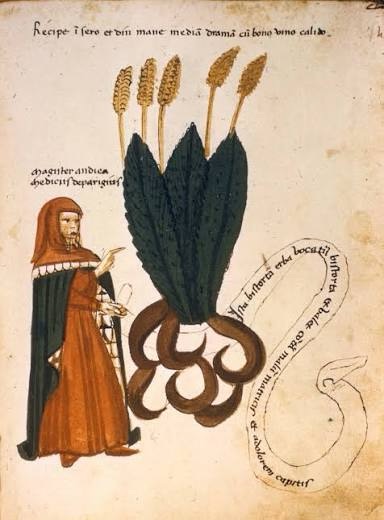
Fig. 1 from the 15th century Italian manuscript Biblioteca Medicea Laurenziana.
A physician, ‘Andrea Medicus de Parigius’ (Andrew, Parisian Physician), points to “herba bistorta” as a remedy for ailments of the womb and the head ‘valet contra malum matricis et a dolorem capitis’
Thank-you for reading. If you enjoyed this piece and would like to support further articles on the wildlife and history of the Northwest, you can buy me a coffee here.
Alex Burton-Hargreaves
(May 2026)

