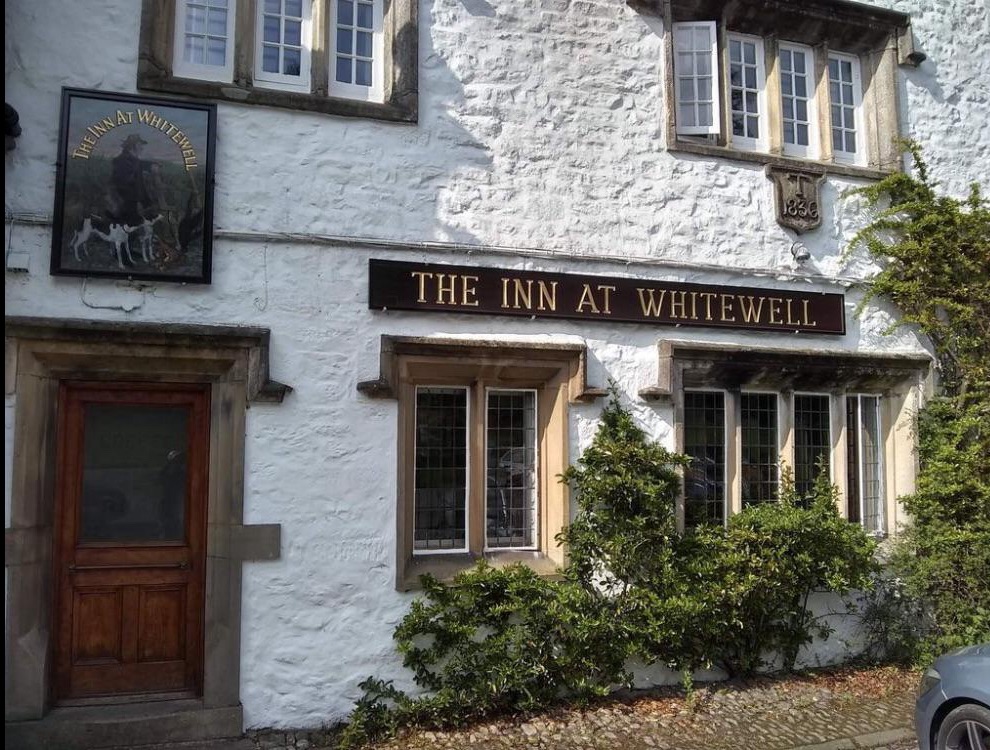
The Hodder valley is a beautiful and much-overlooked part of England I know very well, having spent much of my life living and working within its bounds.
Over the years I have been lucky enough to have walked the banks of the Hodder with the river-bailiff Mick Maudsley, built pheasant pens in the fell-side woods with the Queen’s gamekeeper Neil Jones, and worked in 3 of its most renowned Inns; the Hark to Bounty, the Parker’s Arms, and the Inn at Whitewell.
Medieval Origins
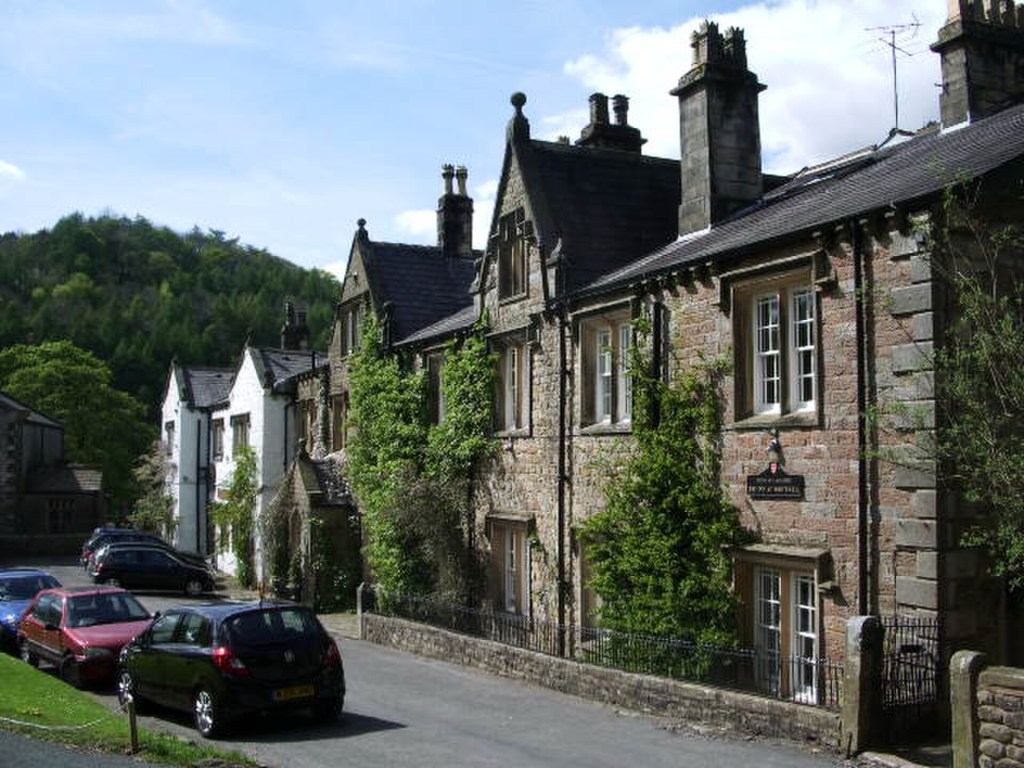
The Inn at Whitewell is a venerable old building with a long and storied history. It began its life in the late 14th century as a small manor-house overlooking the River Hodder and served as the residence for the keepers of the King’s Forest of Bowland.
At this time the Chief Forester was Sir Walter de Urswyck (a gentleman fascinating enough to deserve an article all of his own,) whose ward was the vast tract of moorland, woodland, and valleys composing the Forest of Bowland, all that it produced, and all that happened within it.
The house at Whitewell functioned as an administrative and residential base for forest officials enforcing royal hunting rights and laws. This royal connection continues today, as the Duchy of Lancaster still owns a significant piece of land in the area, and the Inn operates under a lease from it.
Evolution into an Inn
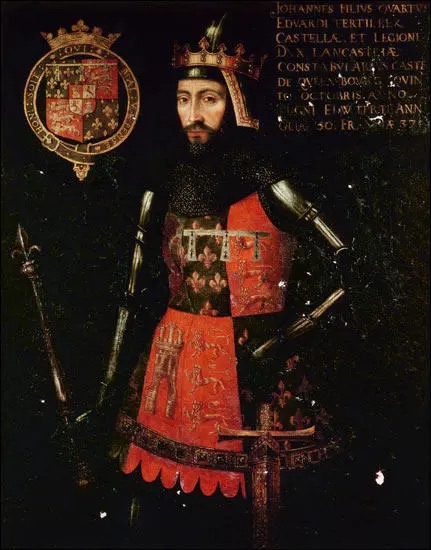
While parts of the Inn date to Sir Urswyck’s tenure, much of the structure you see today was built in the centuries since, in particular the Victorian era.
Historic England describe it as a hotel built in 1836 (with mid-19th-century additions), constructed in sandstone with a slate roof, mullioned windows, gables, and ball finials in a vernacular style. It is Grade II listed.
By this point it had evolved from its origins as a residence, via a long period of being a hunting lodge of sorts, into a coaching inn, serving travellers on their way through the Trough of Bowland toward Lancaster. Its location in the scenic “Little Switzerland” of the Hodder Valley made it a natural stop for those exploring, fishing, or shooting in area.
The Bowman Family Era
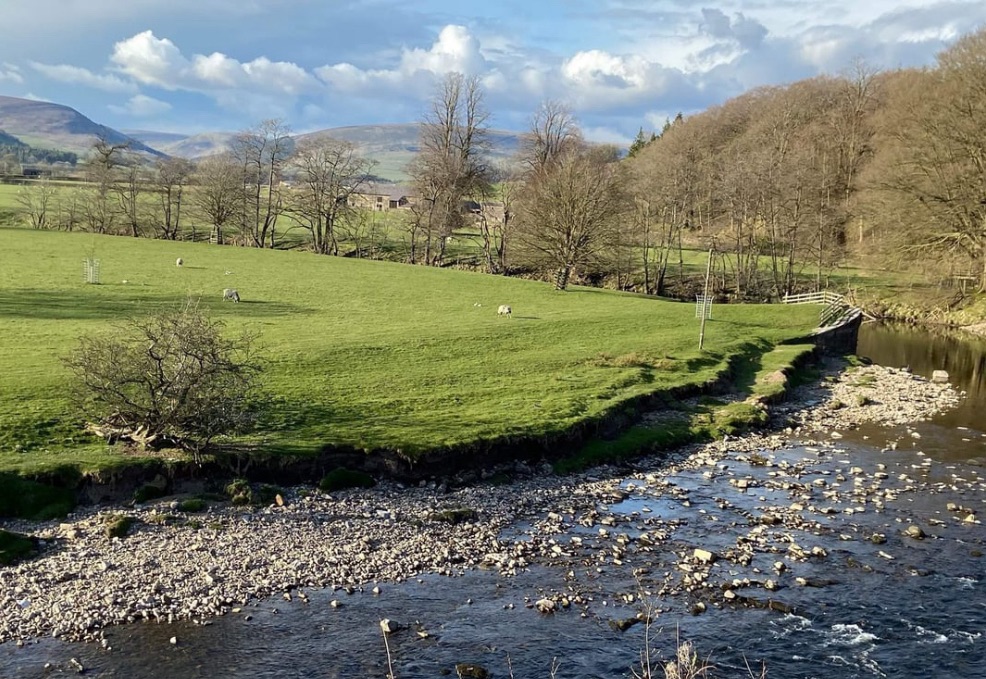
The latest chapter of the Inn at Whitewell’s story started in the mid-20th century with the Bowman family, who have run it for three generations since 1976.
It began when Clifford Bowman, the chairman of Blackburn brewery Dutton’s, took on the lease to indulge his passions for fishing, wine, and beer. He introduced the family to the valley and started to modernise the inn.
His son Richard ‘Dickie’ Bowman, the managing director of the brewery that bought Dutton’s; Whitbread, played cricket for Lancashire, Oxford University and Marylebone (MCC based at Lord’s).
Richard oversaw major restorations of the original building and his efforts both transformed and preserved the historic fabric, greatly enhancing its appeal to tourists. I met him quite a times when I worked there, helping him with a few odd jobs around the place and even bringing him his breakfast when I was on ‘early’s’, I can remember him being affable and very focused on what was going on with his business.
The inn’s current leaseholder Charles ‘Charlie’ Bowman and wife Louise represent the third generation. A former advertising executive and also a sportsman, Charles has continued renovating the Inn, maintaining the inn’s unique character with antiques, paintings, and sporting memorabilia (although the famous batting fox, a stuffed fox cub wielding a cricket bat, was stolen by a stag party several years ago).
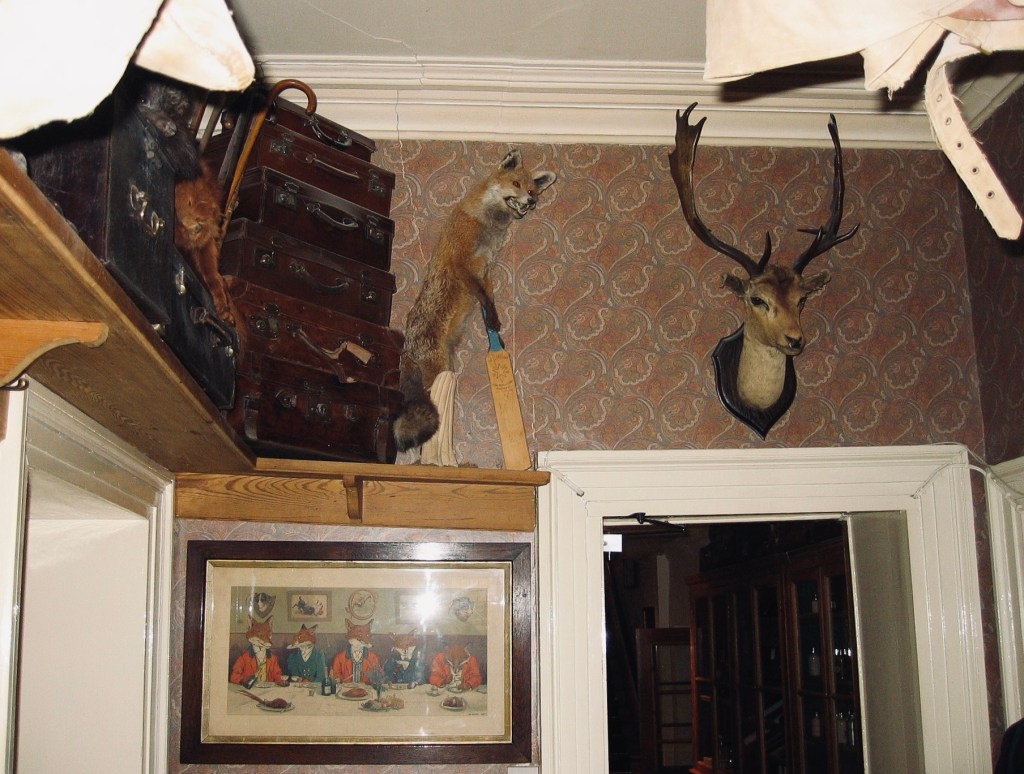
The family emphasise this continuity in the inn’s marketing and are very good at promoting local produce (including game from the Hodder Valley), and experiences like fishing on their seven miles of river rights for trout, sea trout, and salmon.
Under their stewardship, the inn has grown to offer 25 en-suite bedrooms and fine dining by Head Chef Jamie Cadman (his predecessor, the renowned Irish chef Breda Murphy, was just starting when I left). They also, like many similar hostelries, found that wedding events paid very well, so developed the inn into one of the countries most exclusive wedding venues. Indeed when they first expanded into wedding events, erecting a semi-permanent marquee at one end of the inn, my sister was one of their first wedding supervisors.
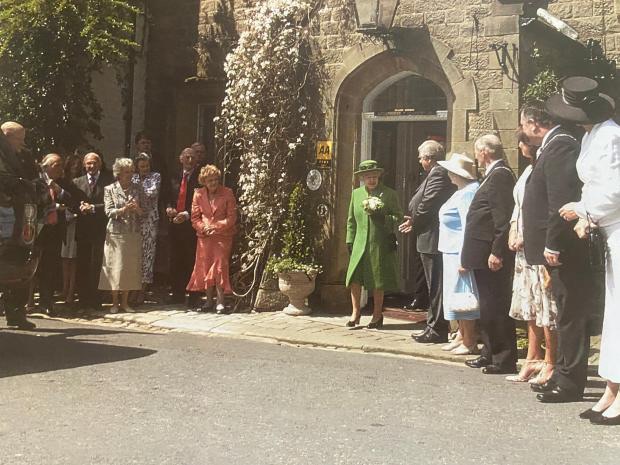
As well as becoming locally well-known the Inn gained wider fame through appearances like the BBC series The Trip (featuring Steve Coogan and Rob Brydon) and a well-publicised 2006 visit by Queen Elizabeth II and the Duke of Edinburgh.
The Inn Today
The Inn at Whitewell remains a working rural inn,welcoming walkers, shooting parties, cyclists, anglers, gourmets and everyone in-between.
Its location, sitting high on the riverbanks in a valley little changed since the 1300s, must be one of the most scenic in Great Britain and attracts tourists from all over the world.
With continued good management it should continue to serve the Forest of Bowland well far into the future, I certainly feel very privileged to have been part of its story.
“the country of the cathedrals and minsters and manor-houses and inns, of Parson and Squire; guidebook and quaint highways and byways England … We all know this England, which at its best cannot be improved upon in this world.”
From J. B. Priestley’s, English Journey, 1934
Thank-you for reading. If you enjoyed this piece and would like to support further articles on the wildlife and history of the Northwest, you can buy me a coffee here.
Alex Burton-Hargreaves
(June 2026)
 Northwest Nature and History