How Heavy Lorries, Machines and Construction Activity Can Harm Our Rural Heritage
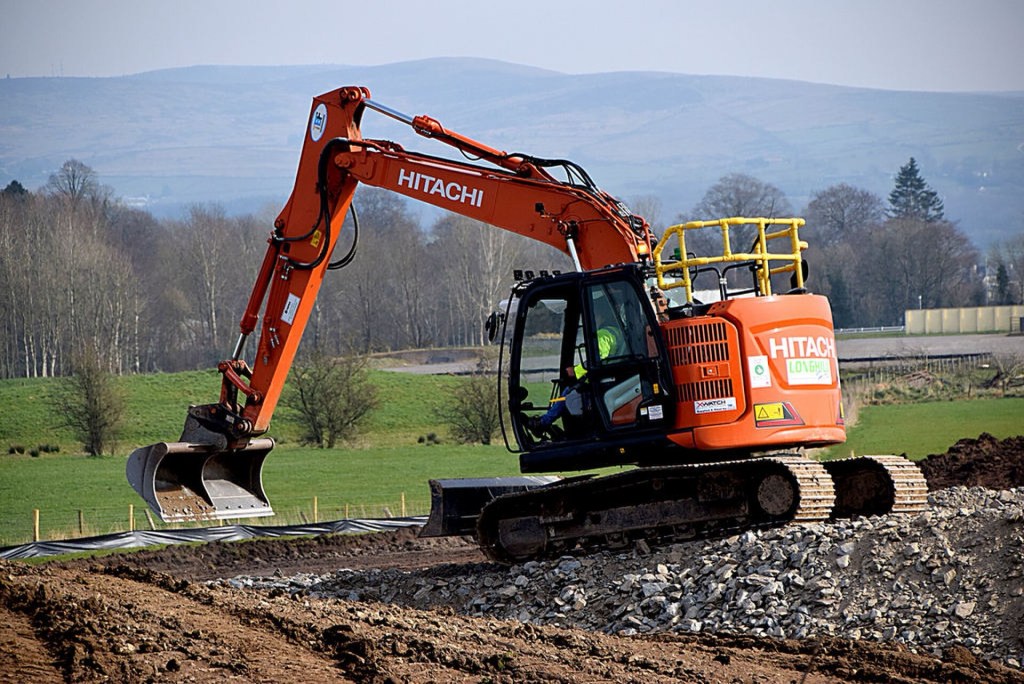
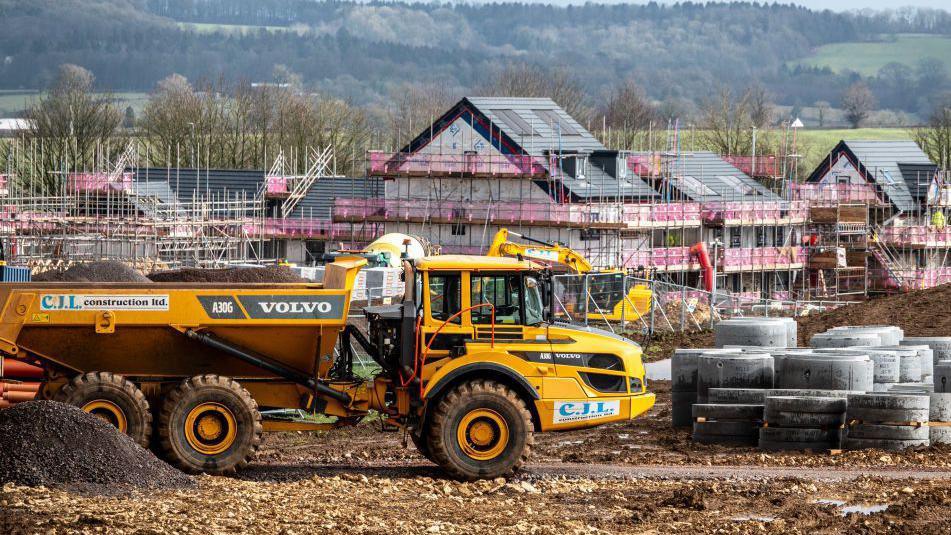
Large-scale construction projects in the countryside bring heavy machinery, thousands of lorry movements, and years of activity.
Vibration damage to old buildings is a well-known concern, and construction causes many other problems for rural communities, landscapes, and environments.
These effects are often prolonged because rural areas have fewer buffers and less infrastructure to absorb the pressure.
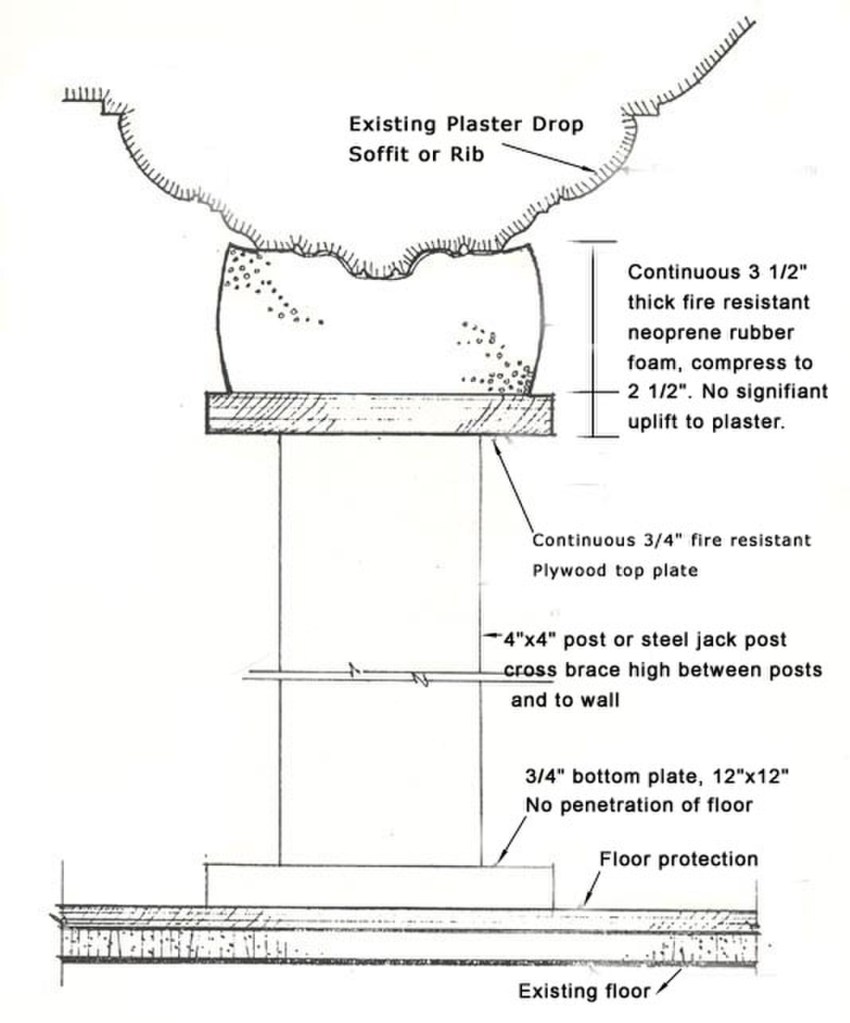
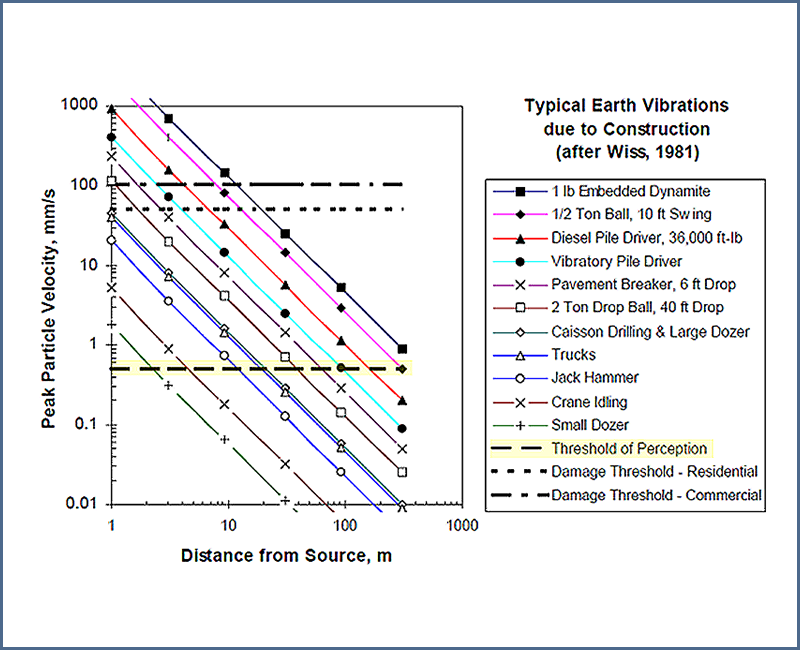
Vibrations generated during construction may necessitate the installation of temporary support for such fragile features as plaster ceiling cornices and soffits
Noise and Everyday Disturbance
Constant noise from diggers, piling, concrete mixers, and lorries disrupts daily life, for man and beast alike.
In quiet villages, this can last from early morning until evening for months or years, with residents reporting difficulty sleeping, stress, and a reduced quality of life.
Wildlife is also affected, birds and mammals may abandon nesting or foraging areas, leading to long-term declines in local biodiversity.
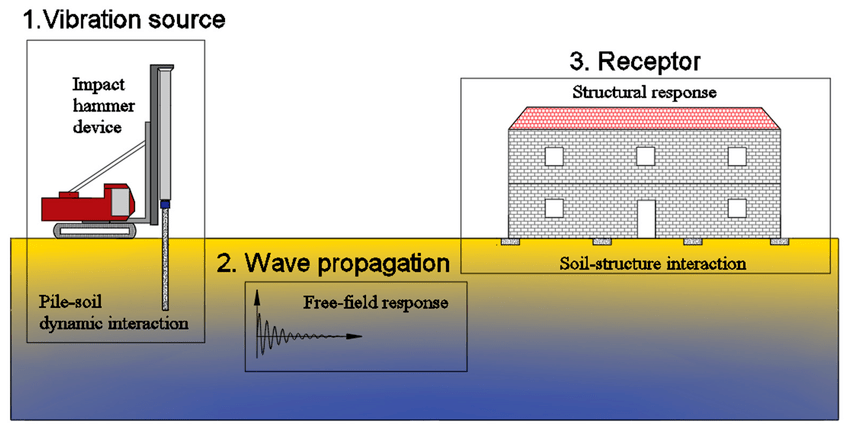
Empirical, Experimental and Numerical Prediction of Ground-Borne Vibrations Induced by Impact Pile Driving
(Pedro Alves Costa, University of Porto)
Dust, Air Quality, and Pollution
Construction generates large amounts of dust from excavation, vehicle movements, and material handling.
In rural areas with narrow lanes and nearby homes or farms, this dust settles on properties, gardens, and crops, and over a prolonged period it can damage paintwork, contaminate soil, and worsen respiratory conditions for people and livestock.
Diesel fumes from heavy machinery and lorries also add to air pollution, which lingers in valleys or low-lying areas with poor dispersion.
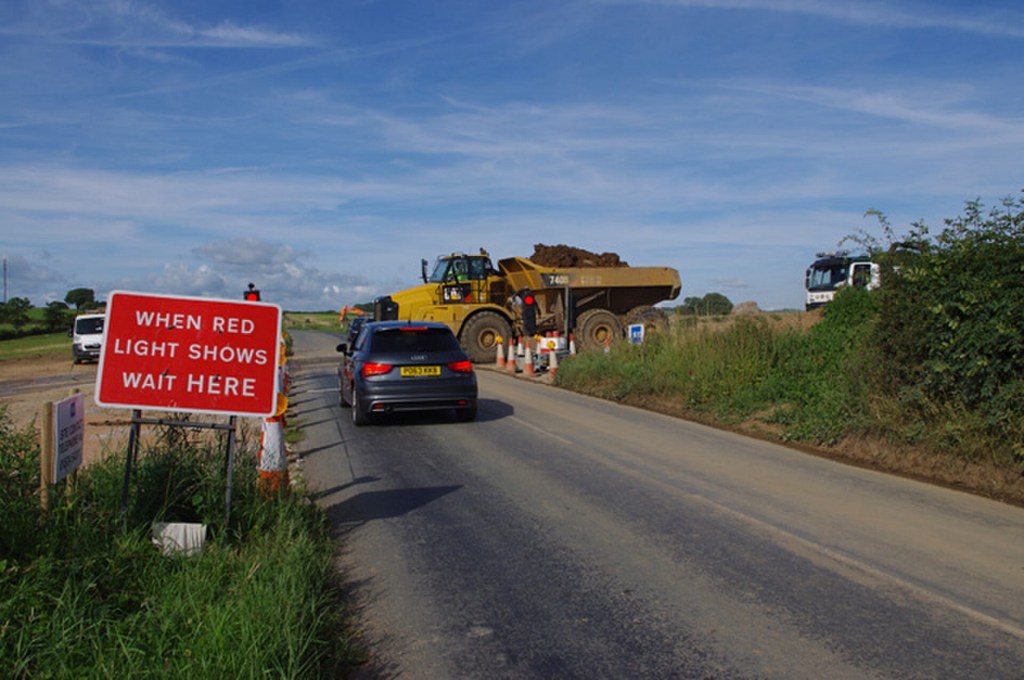
Damage to Roads and Safety Risks
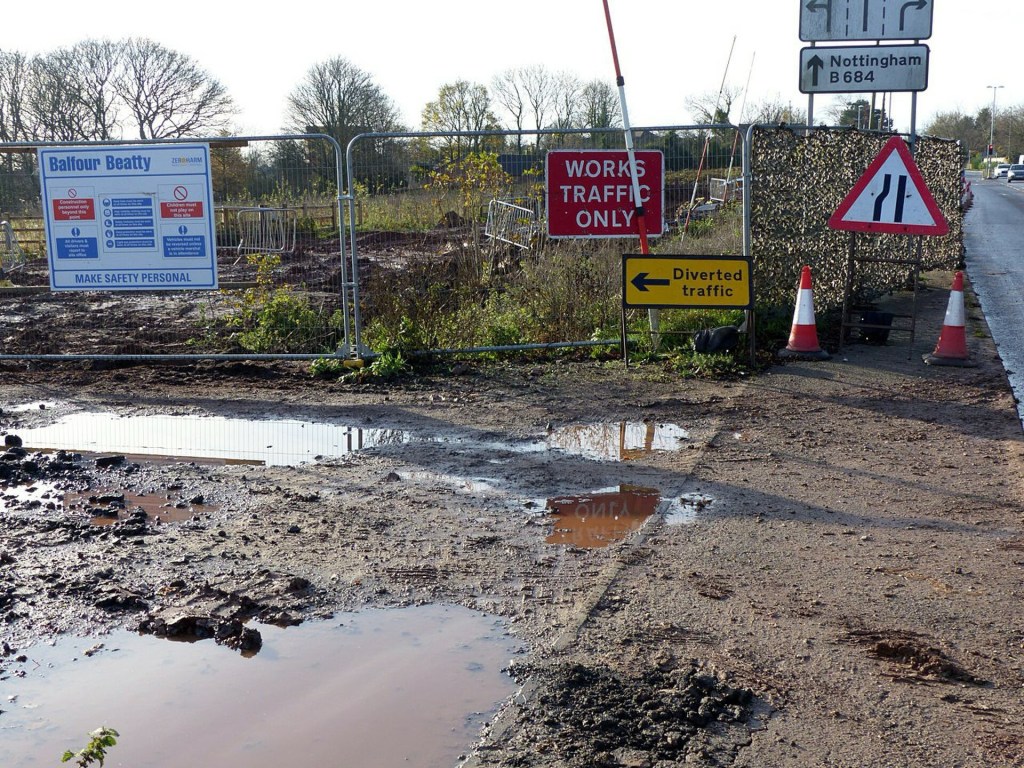
Rural roads are rarely designed for hundreds of daily heavy goods vehicles (HGVs) and repeated heavy loads cause potholes, cracking, and subsidence.
This increases maintenance costs for councils and creates hazards for local drivers, cyclists, and pedestrians.
Construction traffic also raises accident risks at junctions or on bends, especially during peak delivery times.
Landscape, Farmland, and Visual Impact
Building on greenfield sites permanently removes productive farmland, hedgerows, and habitats, even phased construction creates years of scarred land, mud, and temporary structures.
The visual intrusion of cranes, stockpiles, and site compounds changes the character of rural valleys or hillsides.
Restoring land after works can take years and may not fully replace lost soil quality or biodiversity.
Water, Drainage, and Environmental Effects
Construction often disrupts natural drainage, leading to flooding, silted streams, or polluted runoff into rivers, and in areas with sensitive aquifers (common in eastern England), this poses risks to water supplies.
Heavy machinery compacts soil, reducing its ability to absorb rainwater and increasing erosion.
Wildlife corridors can be fragmented, affecting protected species like bats, owls, or otters.

Social and Economic Disruption to Communities
Rural villages can feel overwhelmed by an influx of workers, increased pressure on local services (doctors, schools, shops), and rising house prices or rents during a building boom.
Long-term, some fear traditional community character is lost as new development dominates.
Businesses like farming or tourism may suffer from disrupted access or changed landscapes, and while construction creates temporary jobs, the benefits will not stay local if contractors come from, and return to, outside the area.
The Forest City 1 Proposal as a Case Example
Forest City 1 (covered here earlier this year in my critique) is a private proposal, led by business entrepreneurs Shiv Malik and Joseph Reeve, for a new city of up to 400,000 homes on 45,000 acres of farmland on the Cambridgeshire-Suffolk border, east of Cambridge.
At the moment of writing (July 2026) it remains at an early stage with strong local and national opposition.
Critics argue that it represents a large-scale private development with significant influence over a huge tract of land.
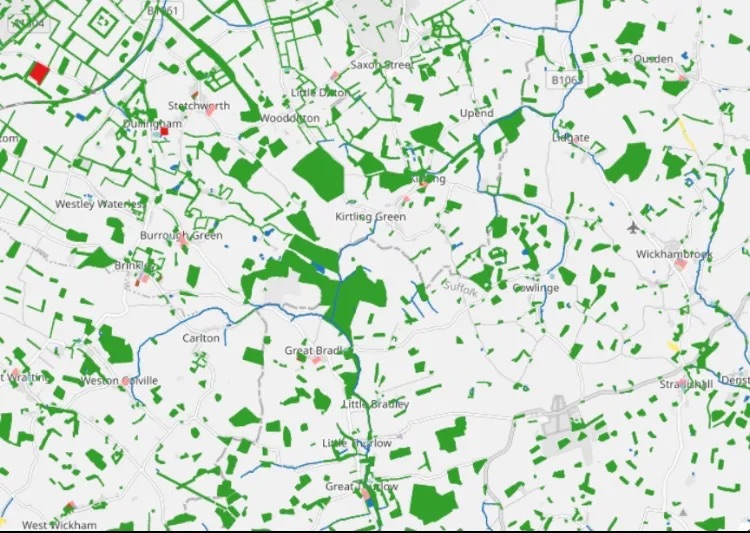
Villages likely affected: Areas such as Cowlinge, Great Thurlow, Withersfield, Wickhambrook, Hundon, and surrounding parishes could see heavy construction traffic on rural lanes for many years.
Estimated scale and duration: A project of this size could take 15 to 30 years or longer, built in phases. This is based on new town precedents such as Milton Keynes, and the practical challenges of infrastructure, planning, and delivery.
Peak construction activity with heavy machinery and lorries could last over a decade, with ongoing works extending much longer.
Why Rural Areas Feel These Impacts More Strongly
Countryside locations have thinner roads, smaller communities, and less capacity to absorb disruption.
What might be manageable in a city can overwhelm villages for a generation.
Environmental regulations and heritage protections add safeguards, but enforcement and mitigation still depend on strong planning.
Conclusion
Construction in rural areas causes wide-ranging effects beyond any single historic building, from daily noise and dust to lasting changes in the landscape, water, and community life.
For proposals like Forest City 1, these impacts could be felt across multiple villages for decades.
Development will always be needed in one form or another, but all rural developments require careful assessment, robust mitigation, and genuine local input to minimise harm while delivering benefits.
All too often this is not the case.
Sources:
- BBC: Lorries ‘damaging’ historical Boston buildings
- Building Conservation Directory: Construction Vibration
- Stop Forest City campaign site
- Forest City official site
- TRRL Research on Traffic Induced Vibrations
- Additional cases from Historic England guidance, and academic reviews on construction vibration.
This article is for general information based on public reports and examples. Any real project needs expert assessments.
Thank-you for reading. If you enjoyed this piece or found it useful, and would like to support further articles on this subject and others, you can buy me a coffee here.
Alex Burton-Hargreaves
(July 2026)


Hi Alex
Hope you’re well.
I’d like to post this on the Stronger Together to Stop Calderdale Wind Farm socials and on our website please – is that fine with you?
Many thanks and all best
Lydia
LikeLike
Hi Lydia, I hope you’re keeping well,
I’ve been following the campaign and I’m really impressed with all the hard work you’ve put into it. I would be very happy for you to use the article in any way you like, I hope it helps,
All the best,
Alex
LikeLike