Biology, Ecology, etc of the Shaded Broad-bar Moth (Scotopteryx chenopodiata)
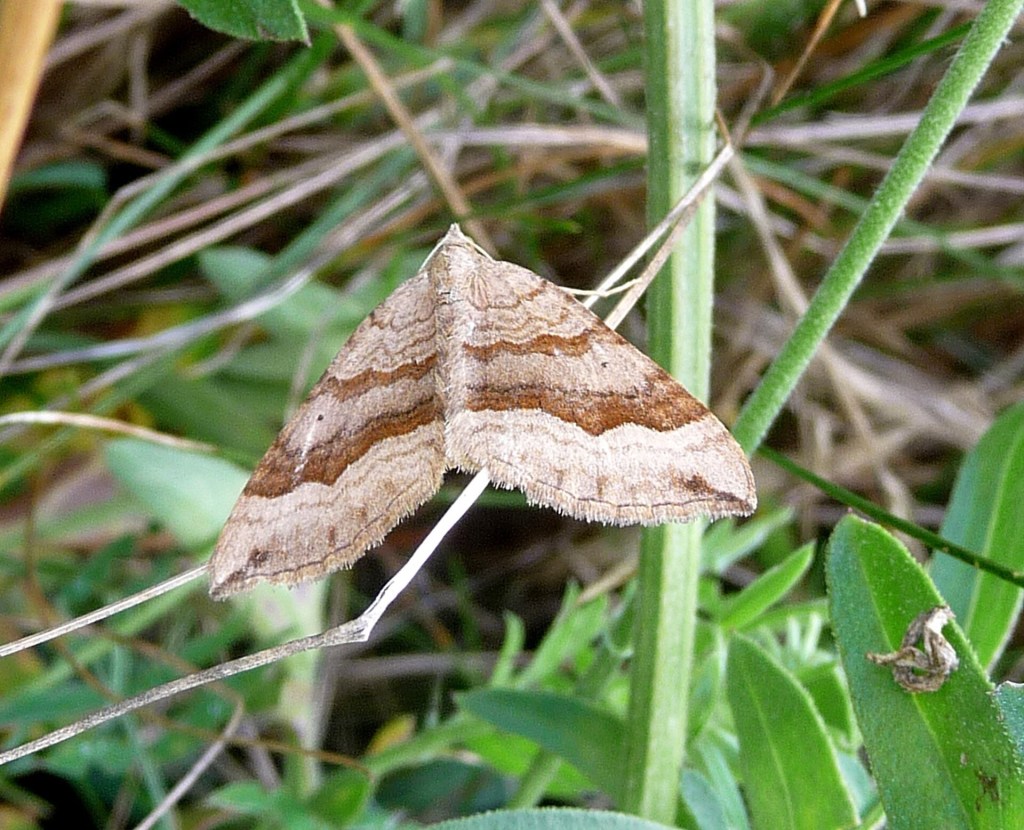
The Shaded Broad-bar (Scotopteryx chenopodiata), a member of the Geometridae family (often called geometer moths or ‘inchworms’ in their larval stage), is a distinctive and relatively common moth across much of the British Isles. First described by Carl Linnaeus in 1758, it is a classic example of a species deeply integrated into its ecological niche.
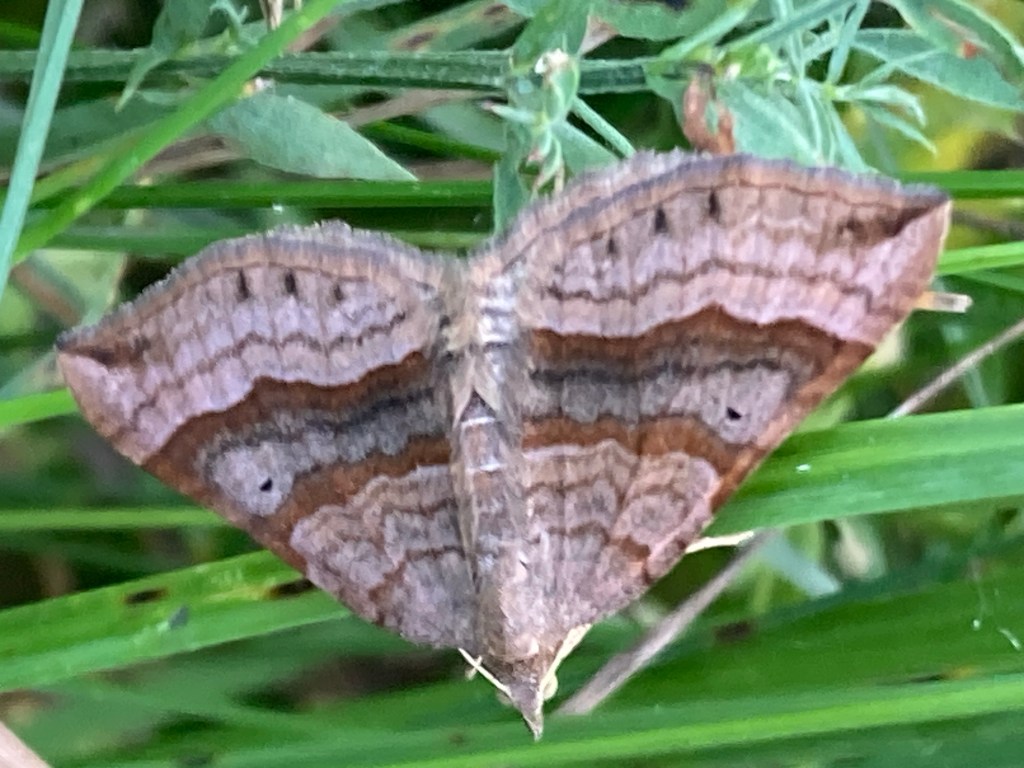
Scotopteryx translates literally from Greek as ‘dark-wing’ or ‘shadow-wing’, combining the Ancient Greek words skotos (darkness or shadow) and pteryx (wing)
Physical Description and Identification
This medium-sized moth has a wingspan of 25 to 30mm (forewing length 16 to 19mm) and its appearance is highly variable, ranging from yellowish-brown and light brown to reddish-brown, grey-brown, or grey. The most diagnostic feature is a prominent broad dark brown band across the middle of the forewings, often with a paler, greyer central area and more ferruginous (rusty) edges. Several wavy, parallel crosslines adorn the wings, and there is typically a small dark streak near the wing tip. The hindwings are paler with faint markings.
Females tend to be brighter and more yellowish than males, though individual variation is significant. When at rest, it often holds its wings flat or slightly angled, blending seamlessly with dried grasses or low vegetation. It is readily disturbed from grassy areas during the day, making it a common sight for walkers in meadows.
Habitat and Distribution
Shaded Broad-bars thrive in a variety of open, grassy habitats: calcareous grasslands, acid heathlands, woodland rides and edges, roadside verges, sand dunes, hedgerows, meadows, and even gardens. It is widely distributed across the Palearctic region, from the Iberian Peninsula north to Fennoscandia and across Central Asia to Siberia and the Russian Far East. In the British Isles, it is well-established and often common, though it has declined in some areas and is listed under UK Biodiversity Action Plan (BAP) research priorities.
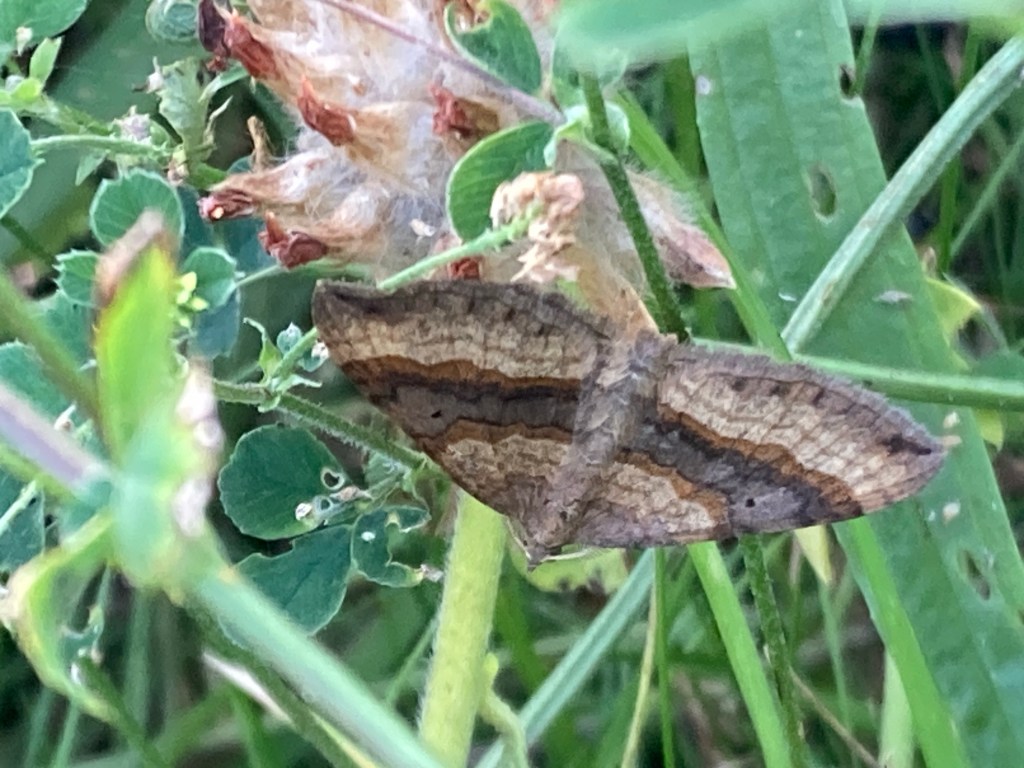
Chenopodiata is derived from Chenopodium (the goosefoot plant genus), which Linnaeus erroneously believed was the primary food source for the moth’s larvae
Lifecycle
The moth is univoltine (one generation per year), with adults typically on the wing from June to August, peaking in July and August in many regions. They are active from dusk onward but are easily flushed during daylight hours.
The larvae (caterpillars) are the stage most dependent on specific food plants. They primarily feed on clovers (such as White Clover, Red Clover, and Hare’s-foot Clover) and vetches (including Birds-foot trefoil relatives and vicia species). These leguminous plants are rich in nutrients and provide the essential foliage for the developing caterpillars, which are a yellowish-grey to slate-grey with dark dorsal lines and lighter side stripes.
This reliance is critical: clovers and vetches not only supply food but are often abundant in the sunny, herb-rich grasslands the moth prefers. Declines in traditional hay meadows and the loss of legume-rich swards due to agricultural intensification can directly impact larval survival.
After feeding, larvae pupate in the soil or leaf litter, overwintering in this stage before emerging as adults the following summer.
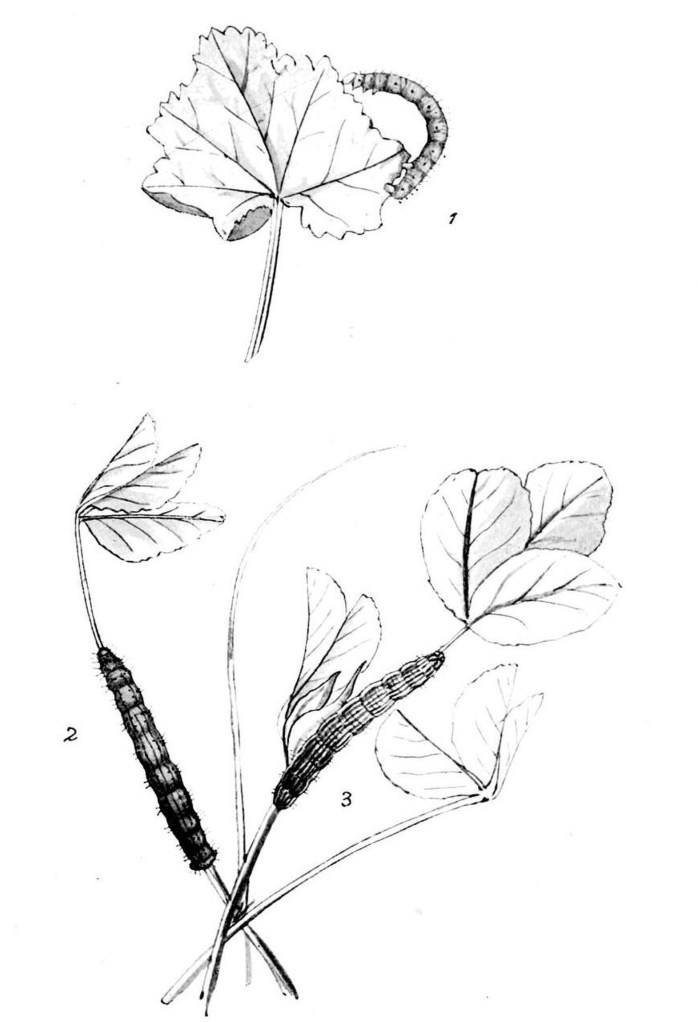
Moths of the British Isles,
Richard South, 1909
1. Mallow (Larentia clavaria)
2. Shaded Broad-bar (Scotopteryx chenopodiata)
3. Chalk Carpet (Scotopteryx bipunctaria)
Ecological Role and Conservation
As a herbivore in its larval stage and a nocturnal pollinator (to a lesser extent) as an adult, the Shaded Broad-bar plays an important role in grassland food webs. It serves as prey for birds, Bats, and predatory insects, and its presence is often an indicator of healthy, flower-rich grassland habitats that support a wider array of invertebrates.
Although still common in suitable locations, localised declines attest to the importance of conserving legume-rich grasslands. Actions such as maintaining traditional mowing regimes, creating or restoring wildflower meadows, and reducing intensive fertiliser use can benefit this species and the many others that share its habitat.
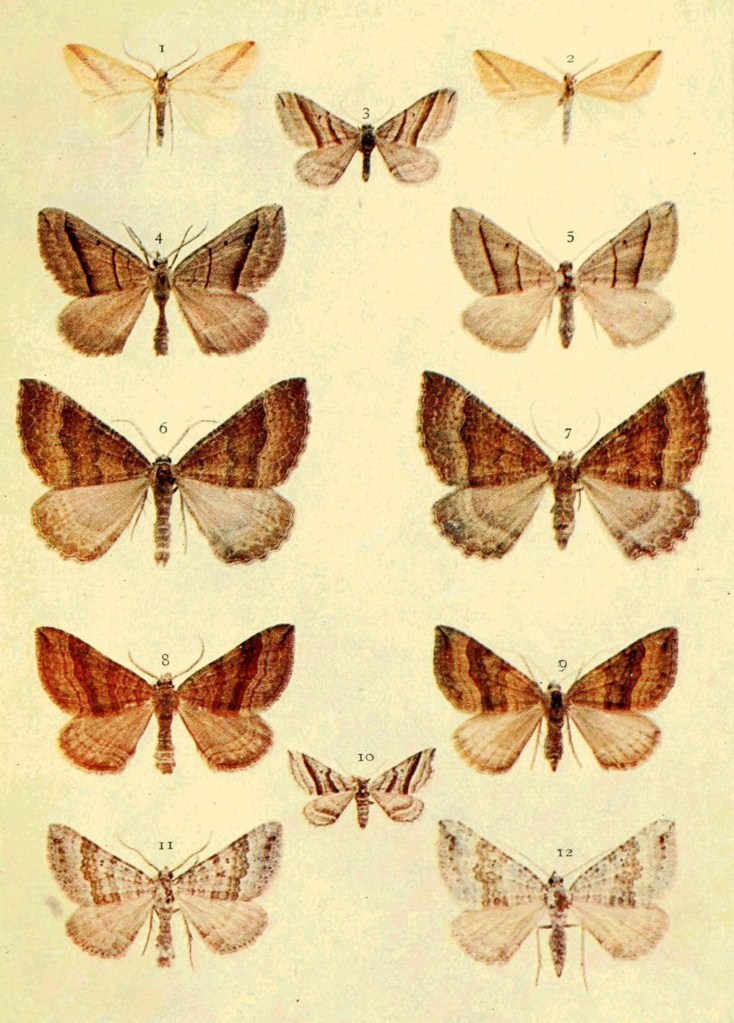
Plate 54 from Moths of the British Isles
1, 2. The Vestal (Rhodometra sacraria)
3, 10. Oblique-striped (Phibalapteryx virgata)
4, 5. Lead Belle (Scotopteryx mucronata)
6, 7. Mallow (Larentia clavaria)
8, 9. Shaded Broad-bar
11, 12. Chalk Carpet.
(Scotopteryx bipunctaria)
Insects
By John Clare (1793 – 1864)
These tiny loiterers on the barley’s beard,
and happy units of a numerous herd
of playfellows, the laughing Summer brings,
mocking the sunshine on their glittering wings,
How merrily they creep, and run, and fly!
No kin they bear to labour’s drudgery,
smoothing the velvet of the pale hedge-rose;
And where they fly for dinner no one knows –
The dew-drops feed them not – they love the shine
Of noon, whose suns may bring them golden wine
All day they’re playing in their Sunday dress –
when night reposes, for they can do no less;
Then, to the heath-bell’s purple hood they fly,
and like to princes in their slumbers lie,
secure from rain, and dropping dews, and all,
in silken beds and roomy painted hall.
So merrily they spend their summer-day,
now in the corn-fields, now in the new-mown hay.
One almost fancies that such happy things,
with coloured hoods and richly burnished wings,
are fairy folk, in splendid masquerade
disguised, as if of mortal folk afraid,
keeping their joyous pranks a mystery still,
lest glaring day should do their secrets ill.
Thank-you for reading. If you enjoyed this piece and would like to support further articles on the wildlife and history of the Northwest, you can buy me a coffee here.
Alex Burton-Hargreaves
(July 2026)

