A Brief Look at how 2026’s Barley Harvest is Progressing in Northwest England
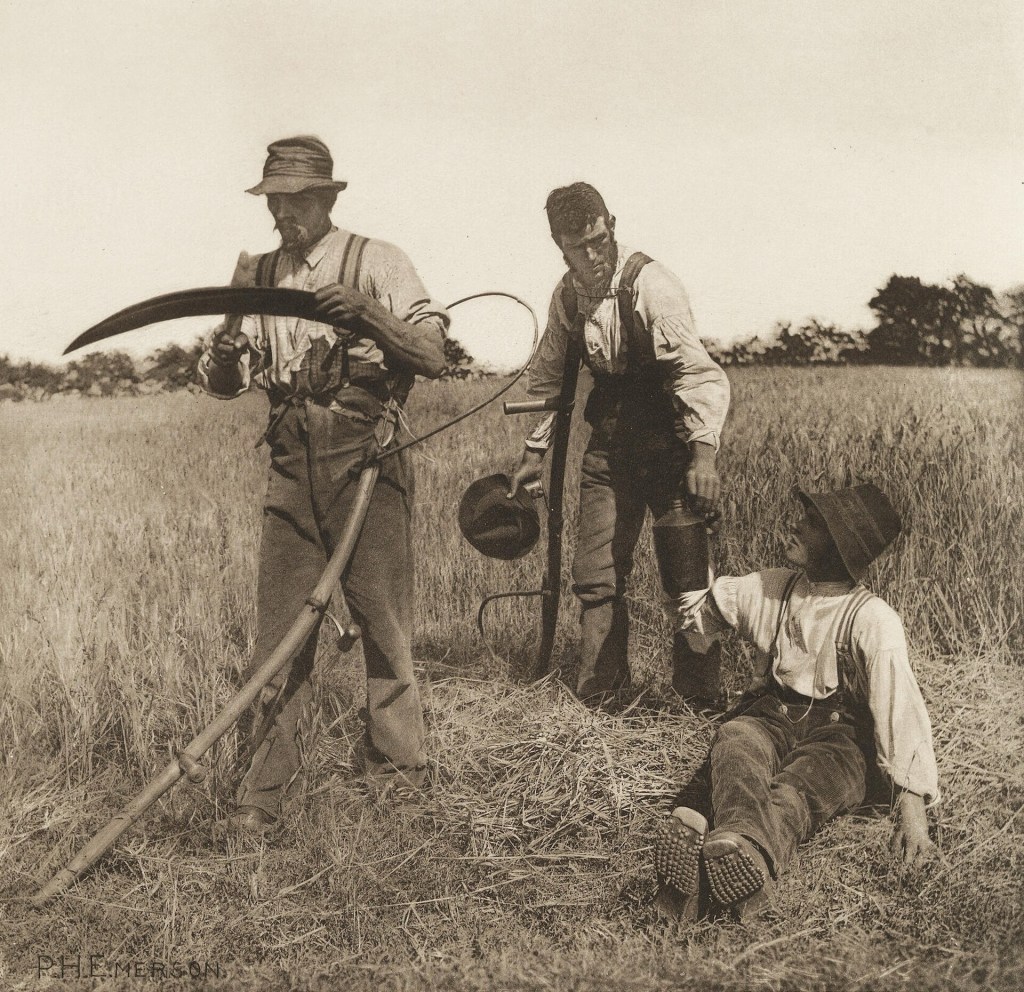
P. H. Emerson, 1886
As combines roll all across Britain, cereal farmers begin to take their tally of the harvest, and the barley-men of Northwest England weigh up the first wagon-loads of grain.
Here we look at how that tally is going so far, and in doing so learn a little bit about the world of arable farming and how closely it is tied, and has to adapt to, the whims of our fickle and often-changing climate.
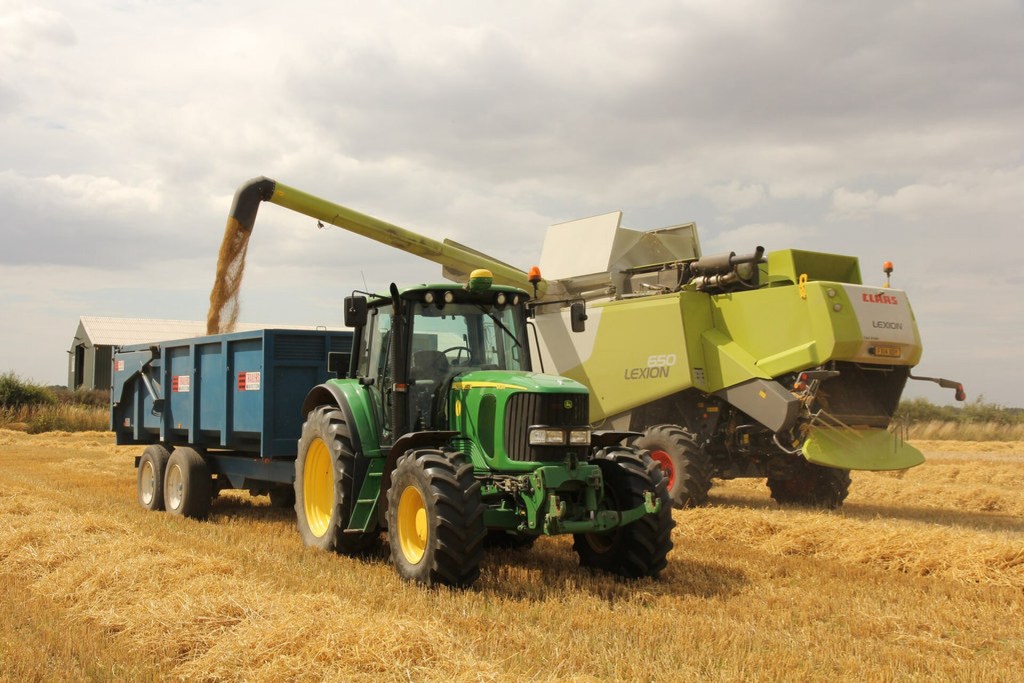
The 2026 Season
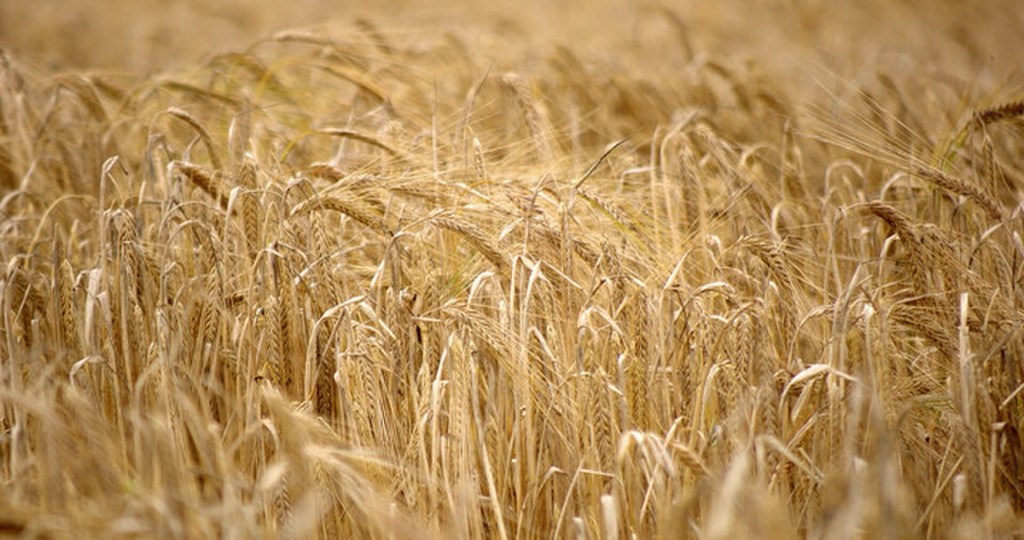
So far 2026’s barley harvest seems to be proceeding more steadily here than in the drought-stressed south and east of the country. While those regions saw some of the earliest starts on record in late June, crops here are following a more typical timeline, benefiting from relatively better moisture retention in many areas.
The year has been defined by a prolonged dry spell through April and May, followed by periods of warmth and more variable rainfall in June and July.
While the northwest has seen some stress it seems that we’ve avoided the worst of it and crops on moisture-retentive soils have held up better, with spring barley (a key crop in the region for malting and feed) progressing toward harvest quite smoothly, and winter barley generally expected to follow shortly behind eastern clearances.
Recent rain has helped grain fill in some northern fields but may slightly delay combining in wetter spots. Overall, standing crops look promising compared to the drought-hit areas further south and east, with fewer reports of severe lodging (lodging is when the stems of a plant permanently bend, break, or fall over near ground level, thus making them virtually unharvestable).
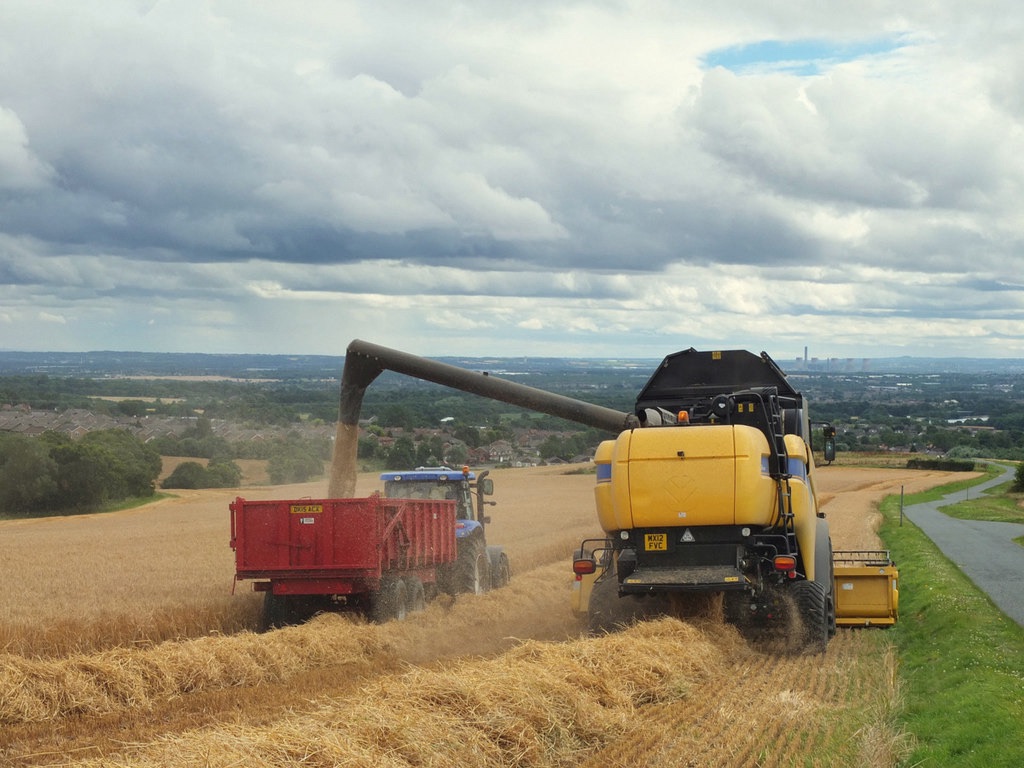
(Gary Rogers)
Crop Conditions and Yields
ADHB crop conditions ratings* (as of late June 2026) showed winter barley at around 64% good-to-excellent nationally, with stronger performance in northern and western regions where moisture levels supported better establishment. Spring barley rated around 55% good-to-excellent, again with a north/west advantage.
- Winter barley: Harvest is underway or imminent in parts of the Northwest. Early southern yields have been variable (some as low as 7 tonnes a hectare on stressed land, better on irrigated or heavier soils), setting expectations for more consistent results further north.
- Spring barley: This remains the workhorse for many Northwestern growers, particularly for malting markets. Crops are generally standing well, past flowering, and benefiting from the absence of heavy lodging seen in some previous years. Grain fill is now critical so sunshine in the coming weeks will be welcomed.
Total UK barley area is down significantly (around 10 to 12% lower than 2025, the smallest since around 2010/2011), with spring barley seeing the biggest reduction. This tighter supply could support firm prices as the harvest progresses.
*AHDB stands for the Agriculture and Horticulture Development Board, it is a statutory levy board and an executive non-departmental public body sponsored by the Department for Environment, Food & Rural Affairs (Defra).
Challenges and Opportunities
This season the Northwest’s farmers have had to negotiate:
- BYDV (Barley Yellow Dwarf Virus) pressure in some winter crops, though generally better managed than in drier eastern regions.
- Variable establishment from the dry spring, with later-drilled fields sometimes lagging.
- A smaller overall barley acreage, partly driven by rotational choices and the market.
On the positive side, better disease control in many fields, upright crops, and improving weather windows for spraying and harvesting have boosted optimism. Malting barley quality will be closely watched, especially for local and specialist markets (including distilling interests in Cumbria and beyond).
Outlook
Barring major weather disruptions, the Northwest barley harvest should gather pace through late July and August. Yields are very likely to outperform the most stressed eastern crops, though national averages may still echo from the impact of the dry spring. Growers are advised to monitor moisture levels carefully (especially with low-moisture eastern grain setting a precedent) and prioritise storage management to avoid quality issues.
The 2026 season tells an often repeated story about the resilience of the Northwest’s arable farms to variable climate patterns. As ever, the final verdict will come in the grain trailer, here’s hoping for a kind finish to what has been a forward but challenging year for barley growers in an already turbulent and troubled industry.
Sources include AHDB reports, Farmers Weekly, and regional harvest updates. Conditions can change rapidly and local NFU or agronomist advice is recommended for the latest (Note: the author is not currently employed in agriculture, but would rather like to be employed writing for an agricultural publication!)
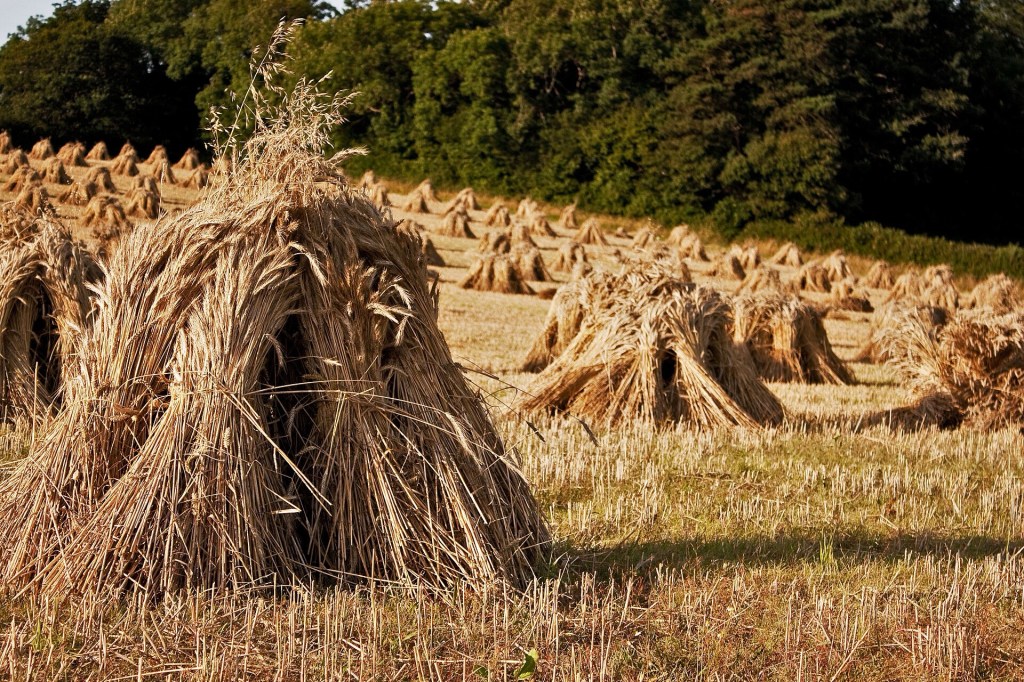
Upon the waggon now, with eager bound,
the lusty picker whirls the rustling sheaves;
Or, resting ponderous creaking fork aground,
boastful at once whole shocks of barley heaves:
The loading boy revengeful inly grieves
to find his unmatch’d strength and power decay;
The barley horn his garments interweaves;
Smarting and sweating ‘neath the sultry day,
with muttering curses stung, he mauls the heaps away.
From The Harvest Morning by John Clare
Thank-you for reading. If you enjoyed this piece and would like to support further articles on the wildlife and history of the Northwest, you can buy me a coffee here.
Alex Burton-Hargreaves
(July 2026)

