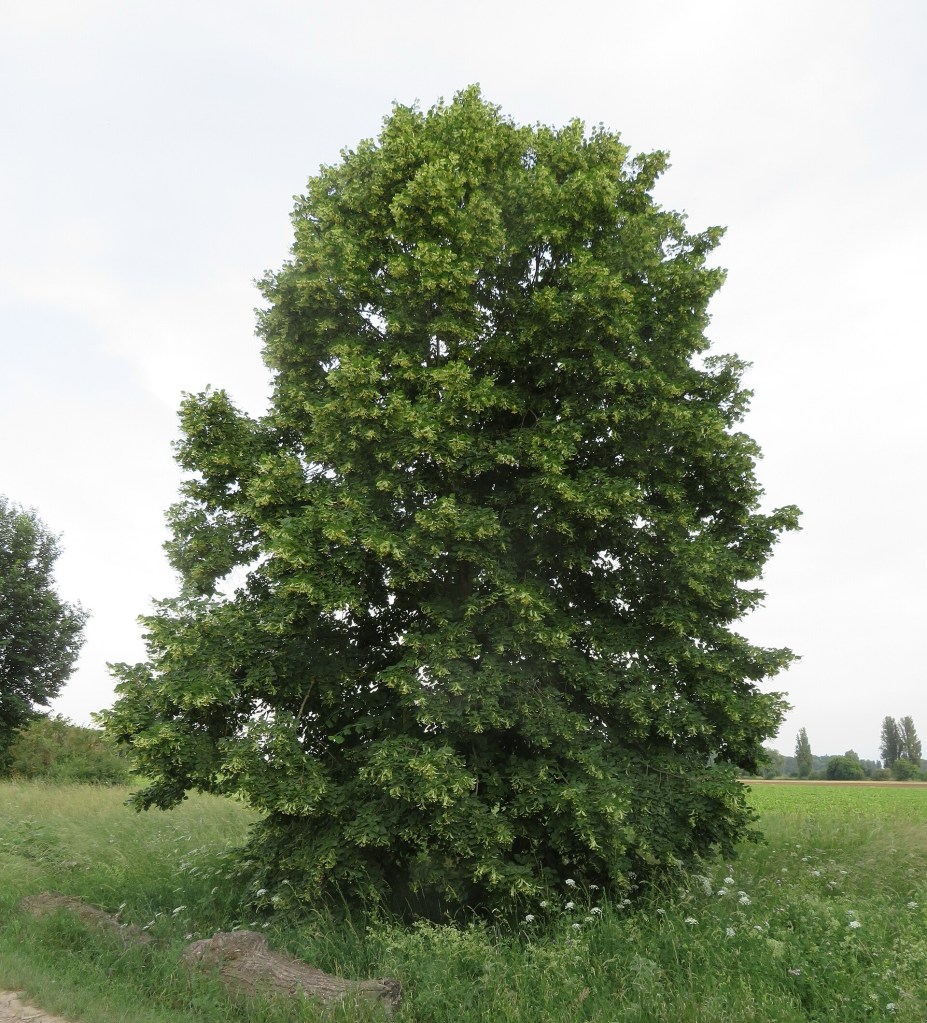
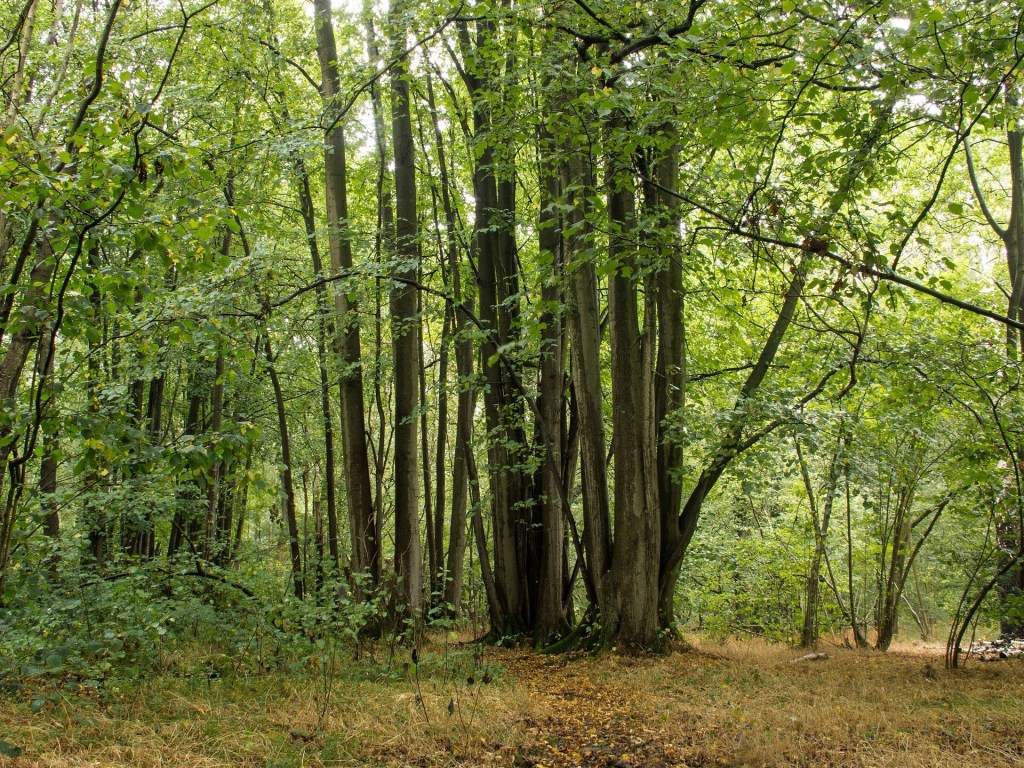
Small-leaved Lime (Tilia cordata), also known as Linden, is one of Britain’s two native Lime species and a characteristic tree of ancient woodland.
In Northwest England it’s at the northern limit of its natural British range and survives here largely as scattered, often ancient populations on rocky slopes and in valley woods, maintained more by vegetative regeneration than by seed.
Once a major component of mid-Holocene forests across much of lowland England, it is now scarce and local, valued both as an indicator of ancient woodland and for its natural and cultural interest.
Identification and Appearance
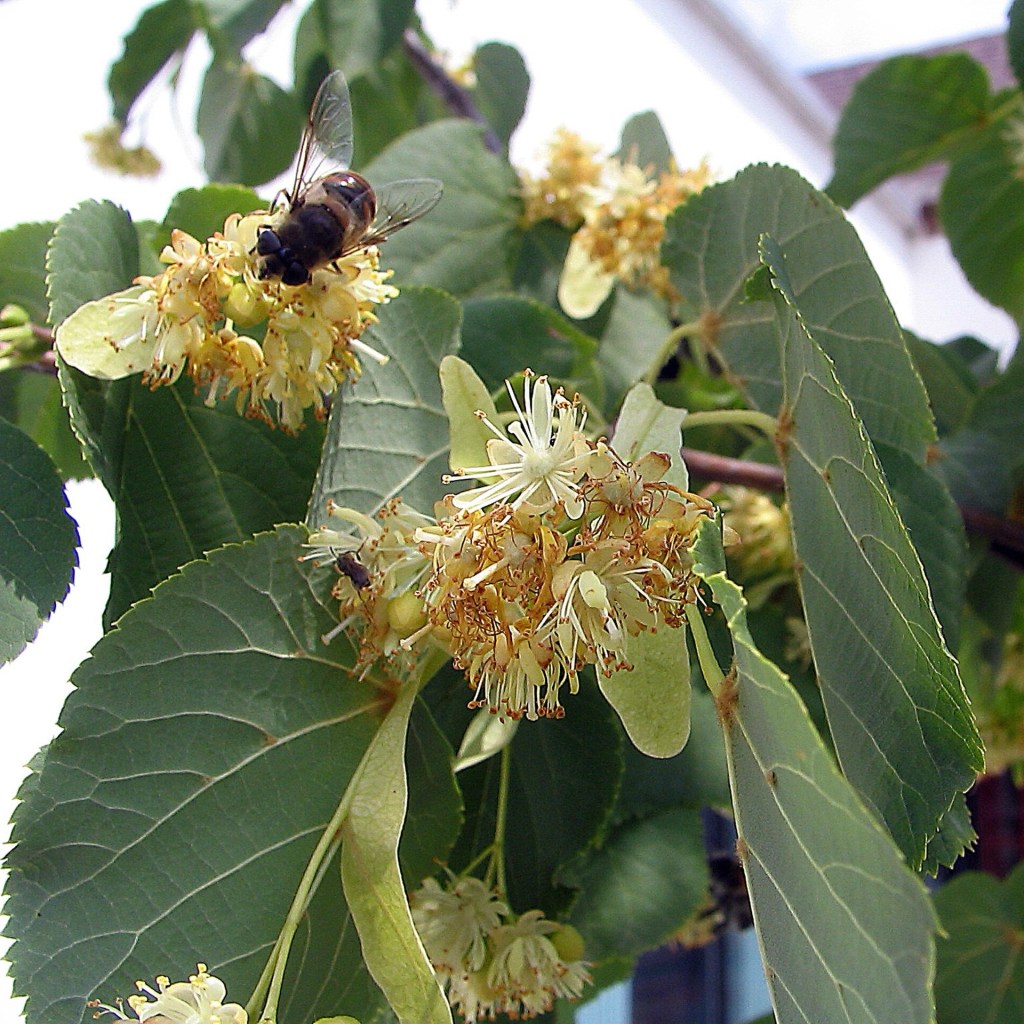
A large deciduous tree T. cordata typically reaches 20 to 30 metres (occasionally more) with a rounded or irregular crown. Its bark is grey-brown and relatively smooth when young, developing shallow fissures or flaky plates with age. Leaves are smaller than those of Broad-leaved Lime (Tilia platyphyllos): usually 3 to 8cm long, almost circular to heart-shaped with a cordate base, finely toothed, and dark green above. The underside is largely hairless except for distinctive tufts of rusty-orange or buff hairs in the vein axils which are an important identification feature.
Flowers appear in midsummer in erect or obliquely ascending clusters, pale yellow-green and fragrant. The fruits are small, rounded, and thinly walled (unlike the more robust, ribbed fruits of broad-leaved lime). The tree hybridises readily with T. platyphyllos to produce the Common Lime (Tilia × europaea), which is widely planted across the British Isles.

The famous Great Holker Lime is around 400 years old and stands in the grounds of Holker Hall & Gardens in Cumbria. It has a massive 25-foot fluted trunk and is recognised as one of the Tree Council’s 50 Great British Trees
(Oliver Dixon)
Distribution
The northern limit of native T. cordata in Britain lies in the English Lake District at approximately 54°30′N, with the majority of sites within about 25km of the Morecambe Bay coast. Populations are concentrated on the wooded hills from Warton to Ulverston and extend inland up the valleys of the Lune, Kent, and Duddon, with the most northerly localities in Borrowdale and beside Ullswater.
They typically grow between sea level and about 160m (occasionally higher), often on steep rocky slopes or cliffs that have escaped complete clearance and occur on a wide range of rock types and soils, from acidic and brown podzolic soils to rendzinas. Many populations consist of very old trees or ancient coppice stools; regeneration from seed has been rare or absent for at least a century in nearly all localities because summers are too cool for consistent production of fertile seed. Vegetative reproduction, by basal shoots, layering, or regrowth from fallen stems, has therefore been essential to the species’ persistence.
Further south and east in Lancashire and Cheshire the tree is scarcer as a native, though planted specimens are common in parks, estates, and urban settings, it is regarded as an ancient-woodland indicator where it occurs in semi-natural stands.

Ecology and Wildlife Value
Small-leaved Lime is shade-tolerant and grows best on moist but well-drained, nutrient-rich soils, though it tolerates a broad range of conditions. Here in the northwest its preference for rocky, often inaccessible sites has helped it survive centuries of woodland clearance and grazing.
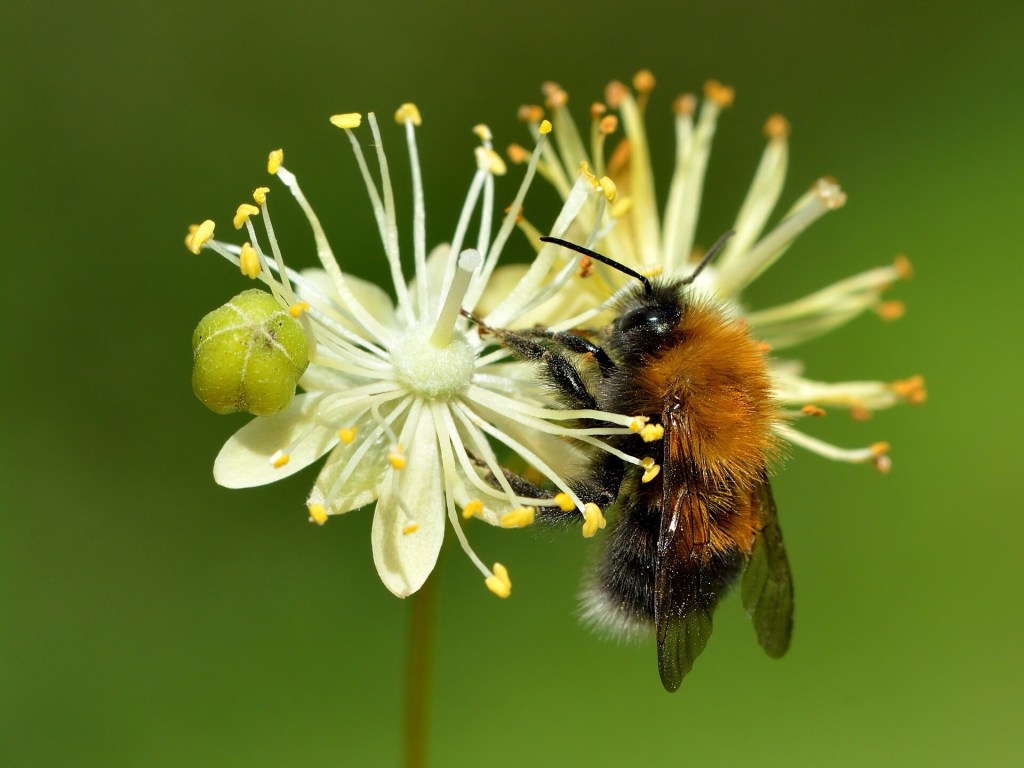
The fragrant flowers are an important midsummer nectar source for bees and other insects, while the leaves support the caterpillars of several moths, including the Lime Hawk-moth, and mature trees provide valuable habitat structure in landscapes where tree cover is sparse.
(Ivar Leidas)
The Fossil Record and Holocene History
The fossil (chiefly pollen) record of this species provides a detailed picture of its post-glacial history in Northwest England and explains its present restricted distribution.
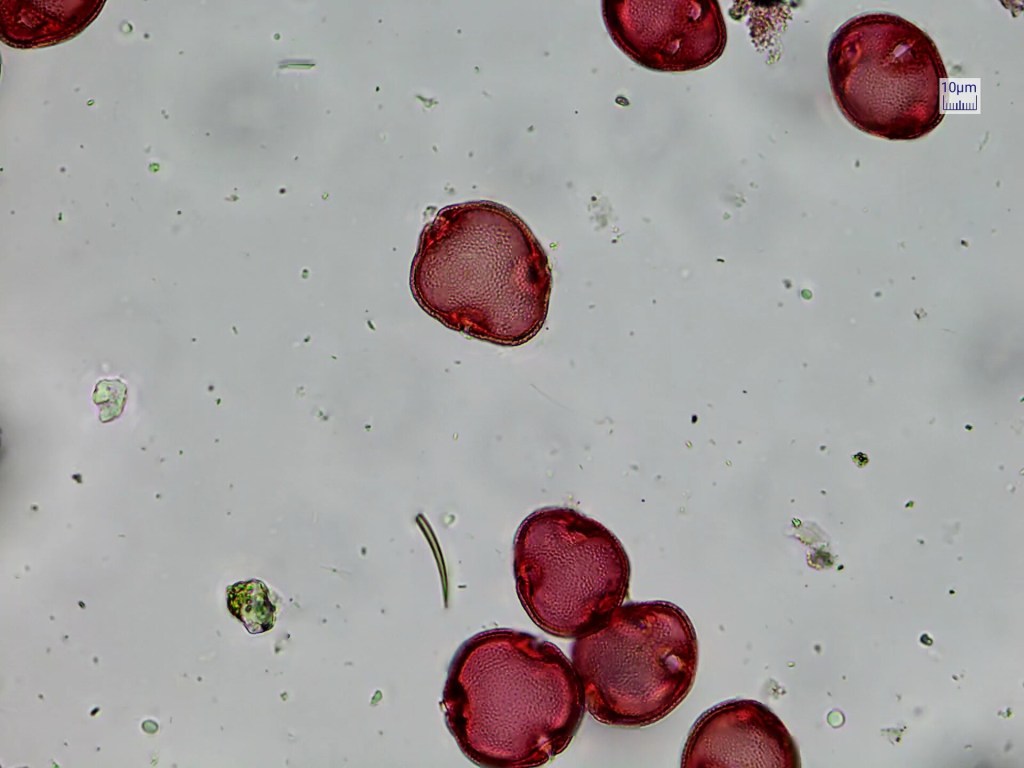
Pollen of Tilia (predominantly T. cordata in this region) is relatively heavy and does not travel far; significant percentages therefore indicate a local presence rather than long-distance transport. Analysis of peat and lake sediments shows that T. cordata first appeared in the Lake District around 5000 to 4800 BC. It then expanded rapidly, becoming plentiful in the southern valleys and reaching (or slightly exceeding) its present northwestern limit by about 3100 BC, after which further migration ceased.
During the mid-Holocene climatic optimum, when mean summer temperatures were roughly 1 to 2°C warmer than today, Tilia pollen frequently exceeded 10% of arboreal pollen (and sometimes 20%) at many lowland sites across England. In the southern Lake District and around the Kent estuary, values of this magnitude persisted for long periods, for example at Witherslack, high Tilia percentages continue through a depth of sediment representing about 4,000 years.
These figures indicate that Small-leaved Lime was a major, and locally dominant, component of the ancient mixed deciduous ‘wildwood’

(Didier descouens)
After approximately 3100 BC the proportion of Tilia pollen generally declines, and although there are occasional minor recoveries, these are not clear evidence of renewed regeneration. The cooling climate reduced the frequency of summers warm enough for the production of fertile seed (the approximate modern threshold is a July mean daily maximum near 19 to 20°C).
Without reliable seed regeneration the species became highly vulnerable to woodland clearance, so human activity from the Neolithic onwards, accelerating in the Bronze Age and later, therefore caused a disproportionate reduction in its abundance. By the later Holocene it had become scarce within the Lake District and virtually extinct as a native tree in west Yorkshire and south Lancashire.
The surviving populations are thus relicts of a once much more extensive mid-Holocene distribution and their concentration on rocky ground that was never fully cleared is a direct consequence of this history. The pollen record also demonstrates that the present northern limit was established several thousand years ago and has remained essentially stable despite subsequent climatic fluctuations.
Conservation
Nationally, T. cordata is assessed as of Least Concern, yet its genuine native populations in northwest England are of high conservation value.
They represent the climatic edge of the species’ British range and preserve genetic lineages adapted to cooler conditions. Protection of remaining sites, especially those containing ancient stools (living stumps where a tree has been deliberately cut down to ground level), and careful management to reduce excessive grazing pressure are priorities. Planting of native-origin stock in appropriate locations helps the tree spread, though the long-term climatic constraint on seed production remains.
In summary, the Small-leaved Limes of northwest England are both a living link to the ancient wildwoods and trees of considerable ecological value. Their fossil record reveals the dramatic changes that climate and human activity can affect and just how much our landscape has changed through the eons. With such information ecologists can plan for the future and help our native woods thrive and withstand future challenges.
The Linden-bearers
In medieval England the Lime, or Linden, held both practical and symbolic importance.
Its wood is notably light yet tough and resistant to splitting, which made it a preferred material for the wooden boards of shields, Old English poetry therefore regularly uses the word lind not only for the tree itself but also, by a natural extension, for the shield. The same tree supplied bast fibre from its inner bark, which was processed into strong cordage, rope, and coarse cloth. In everyday woodland life the Lime was also valued for its easily worked timber, suitable for carving, bowls, and other household objects.
These uses help explain why place-names containing lind or lynd are scattered across England, recording both the tree’s former abundance and its cultural familiarity.
This dual meaning is vividly present in Beowulf. Warriors are repeatedly called lind-hæbbende (‘linden-bearers’ or ‘shield-bearers’), a formula that treats the Lime-wood shield as the defining mark of the fighting man.
Later in the poem, when the aged Beowulf prepares to face the dragon, the poet notes that he deliberately chooses an iron shield because ordinary wooden ones will fail: he knows “that the forest-wood could not help him, the linden against the flame” (lind wið lige).
wisse he gearwe
þæt him holtwudu
helpan ne meahte,
lind wið lige
(he knew full well
that the forest-wood
could not help him,
the linden against the flame.)
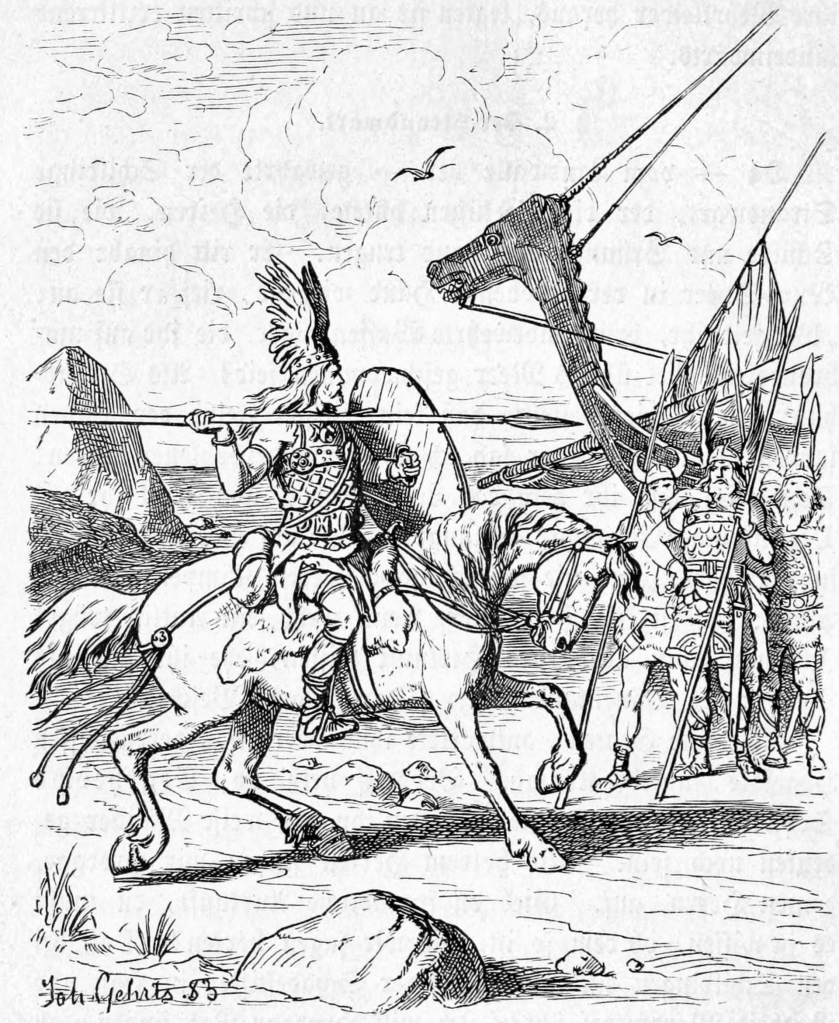
Beowulf and the guards at the beach
Johannes Gehrts (1855–1921)
Thank-you for reading. If you enjoyed this piece and would like to support further articles on the wildlife and history of the Northwest, you can buy me a coffee here.
Alex Burton-Hargreaves
(August 2026)

