Listing some of the Principal Machinery Developed and Used for Coal Mining in Lancashire
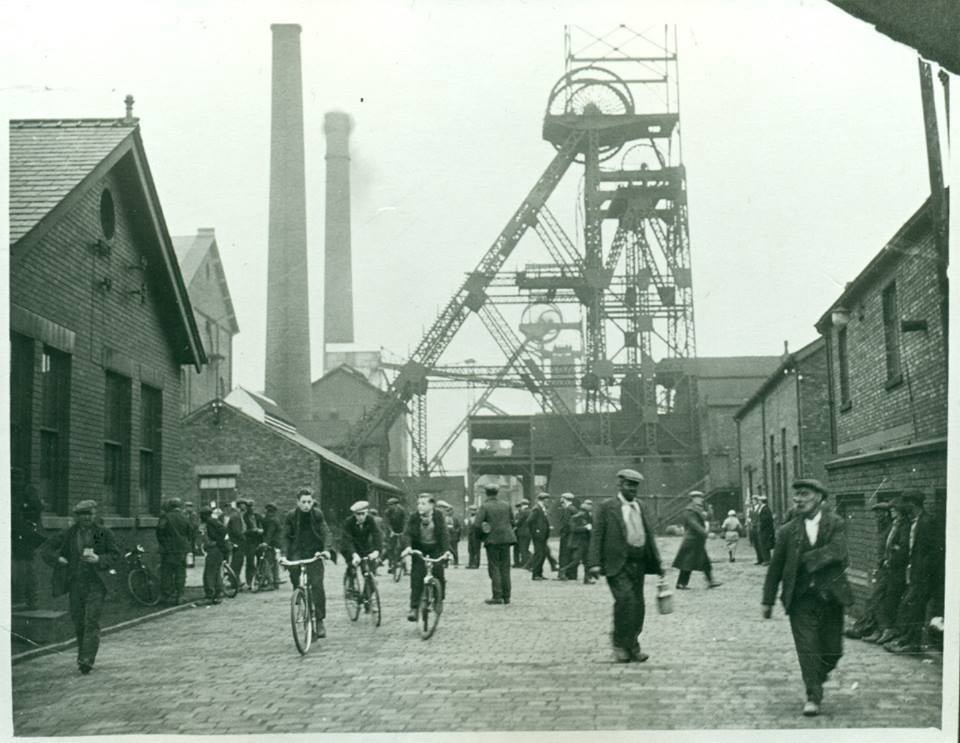
Lancashire’s coalfield was one of Britain’s most productive and innovative, its deep, gassy and heavily faulted seams drove continuous advances in mining technology from the medieval period through to the late twentieth century.
Early workings relied on simple muscle power, horse gins and waterwheels, but the demands of deeper shafts and rising industrial demand quickly brought steam engines for pumping and winding.
Local engineers and firms refined these systems and later pioneered mechanical coal-cutters, safety devices and the highly successful Anderton shearer loader.
The machines listed below illustrate that progression, showing both the equipment that made large-scale extraction possible and the distinctive contributions made within the Lancashire coalfield itself.
(Galatas)
Horse gins (or whims)
Pre-steam era (widespread by the 17th–18th centuries).
A horse walked in a circle to turn a vertical shaft geared to a winding drum or rope, these were used for raising coal in kibbles/buckets or corves/corfs from shallow shafts and for powering simple pumps (e.g; rag-and-chain types).
Common on small pits and folds across Lancashire before steam became dominant.
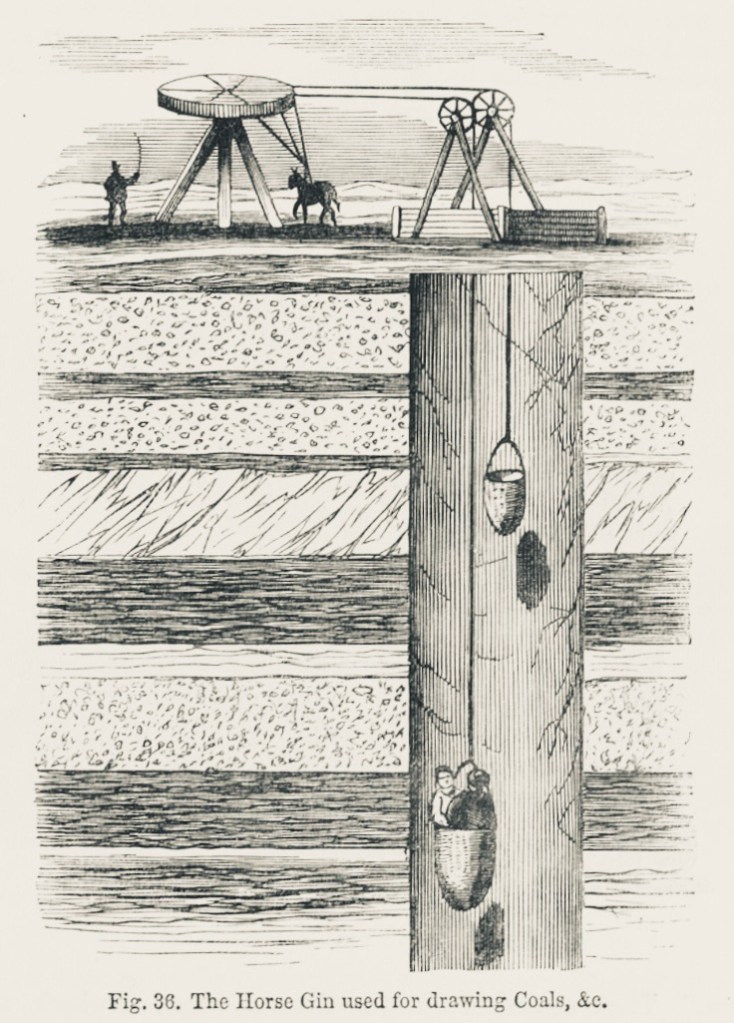
Figure 36. The Horse Gin Used for Drawing Coals, &c.
From The Playbook of Metals
John Henry Pepper, 1862
Waterwheels
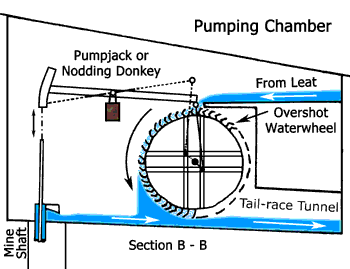
A notable Lancashire example is that built by James Brindley at the Wet Earth Colliery at Clifton in the mid-1750s, where water famously “ran uphill”.
Brindley engineered an inverted syphon and leat system so river water from the Irwell powered an overshot wheel that drove pumps (a ‘nodding donkey’ or pumpjack arrangement). Water was raised from deeper workings and discharged, the system also aided drainage via soughs/adits.
Waterwheels or water-balance systems were used for winding on some sites before or alongside early steam engines.
(Pitt Dixon)
Newcomen atmospheric engines
Invented by Thomas Newcomen, with his first practical engine built in 1712.
One of the earliest in Lancashire was installed around 1719 at a colliery in Whiston (near Prescot), others followed at Bardsley and elsewhere by the mid-18th century.
They worked by filling a cylinder with steam, then cold water condensed it, creating a vacuum so atmospheric pressure pushed the piston down.
Linked via a beam to pumps, these drained deep, wet, gassy Lancashire seams, they were inefficient due to their high coal consumption but ideal at collieries with cheap fuel, many continued in use even after Watt engines appeared.
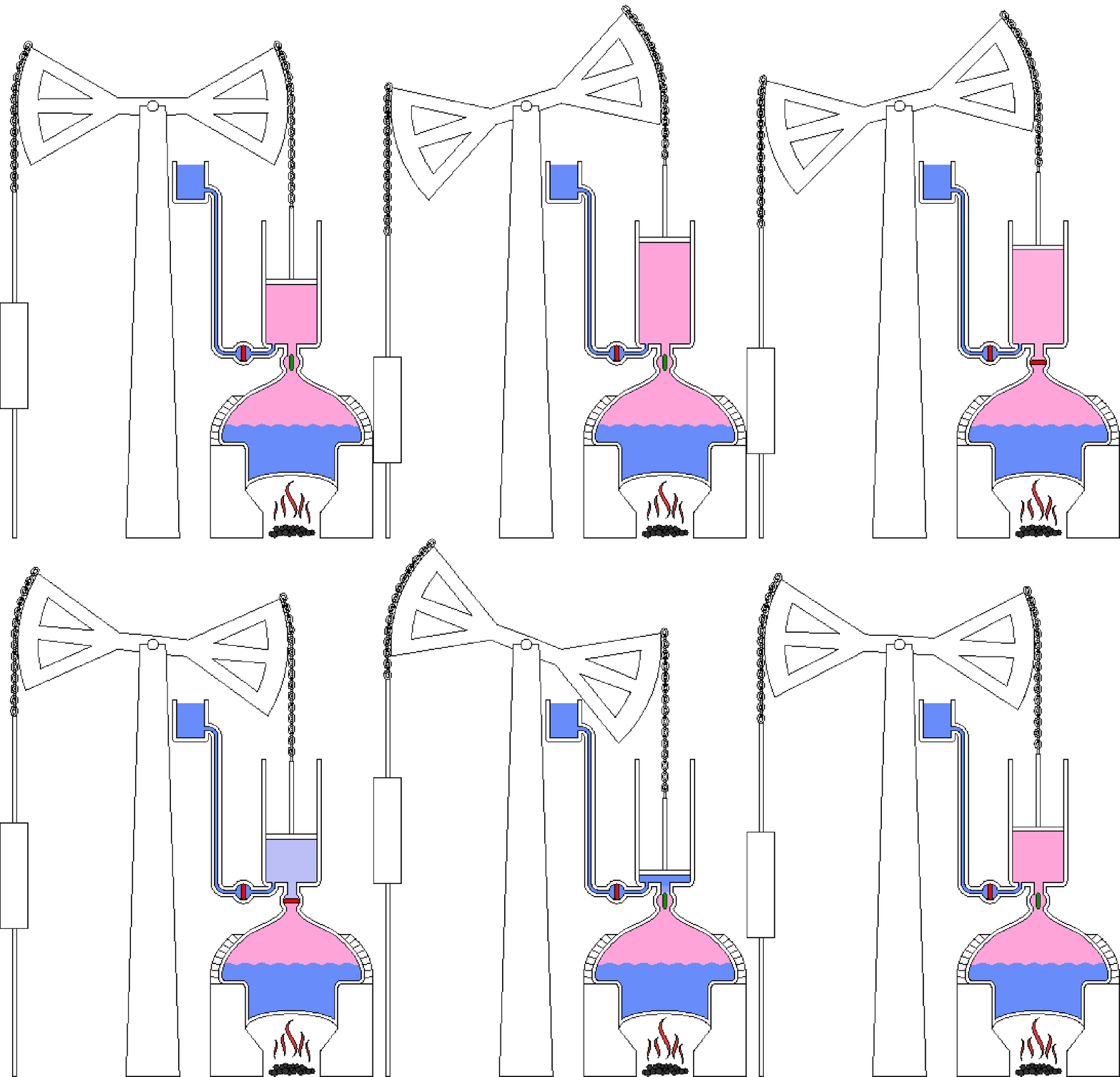
(Emoscopes)
Watt and later steam engines (pumping and early winding)
James Watt’s separate condenser (patented 1769, commercial from the 1770s) greatly improved efficiency.
Rotative versions (with crank or sun-and-planet gear) enabled winding, these were installed across Lancashire collieries from the late 18th century for deeper drainage and raising coal/men.
Beam engines were common initially, horizontal engines became standard later.
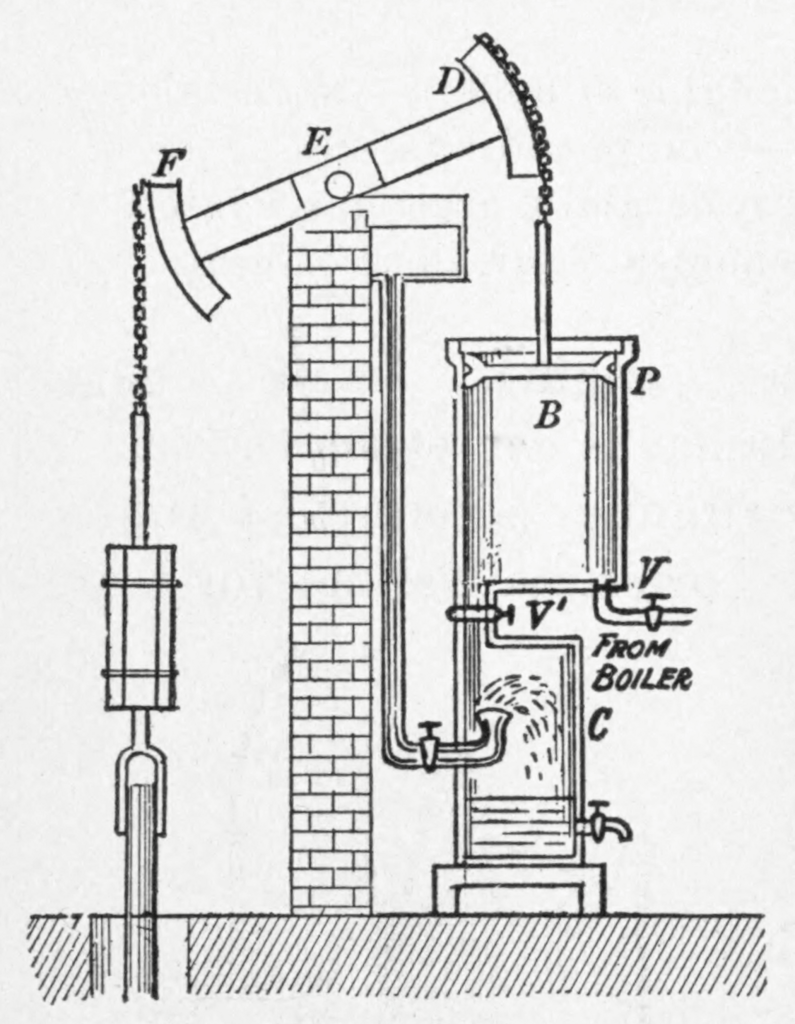
from Practical physics for secondary schools,
published in 1913 by Macmillan & Company
Steam winding engines
These evolved from Newcomen/Watt types. By the 19th–20th centuries, large horizontal or compound engines drove drums connected by ropes to headgear pulleys, a premier Lancashire example is the twin (double) tandem compound engine at Astley Green Colliery (No. 1 shaft), built by Yates & Thom of Blackburn and installed around 1912.
It had high-pressure cylinders (≈35 inches) receiving steam at full boiler pressure, around 160 psi, exhausting to low-pressure cylinders (≈60 inches) for further expansion, developing around 3,300 hp.
Cranks were set at right angles for starting torque in any position. It wound cages or mine cars via a bicylindro-conical drum from depths over 800m, handling several tons every couple of minutes.
Many Lancashire pits used engines by local firms such as Walker Brothers (Wigan) or Yates & Thom, the headgears were typically lattice steel or wrought-iron structures with pulleys.
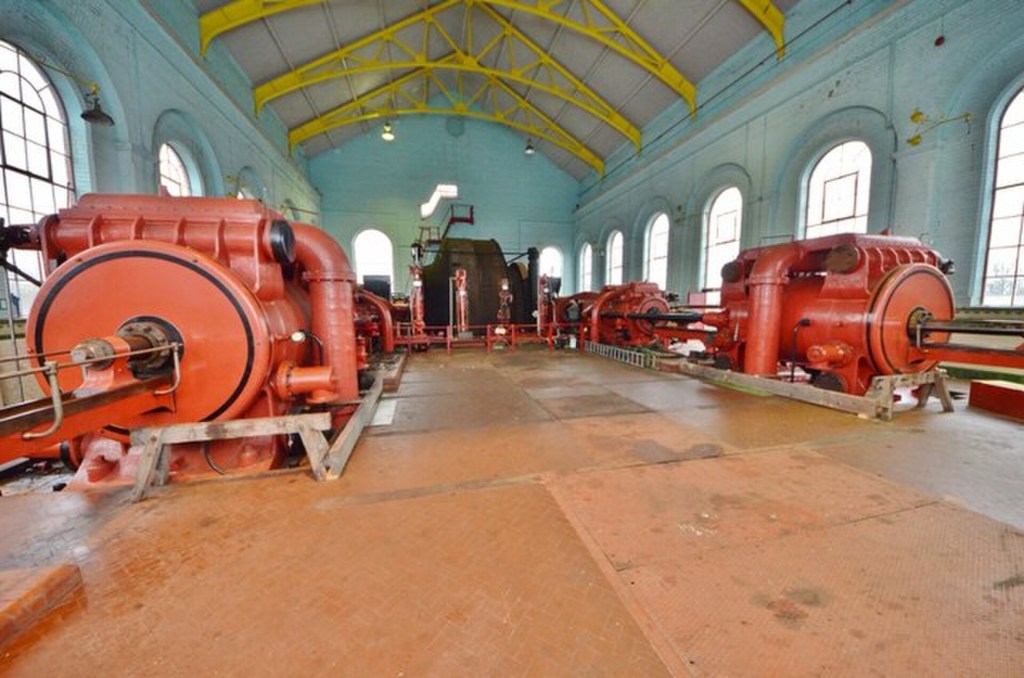
(Ashley Dace)
Early coal cutters (disc and other types):
Mechanical undercutting began in the mid–late 19th century to replace hand holing with picks.
J. Scarisbrick Walker of Wigan (founder of Walker Brothers, Pagefield Ironworks) constructed one of the first practical disc machines around 1869, these worked in Wigan-district mines (and some Cheshire salt mines).
A rotating disc with cutters undercut the seam, driven by compressed air, other early types included pick (‘iron man’) machines and chain/bar cutters.
These reduced labour greatly in the hard or thin seams common in parts of Lancashire.
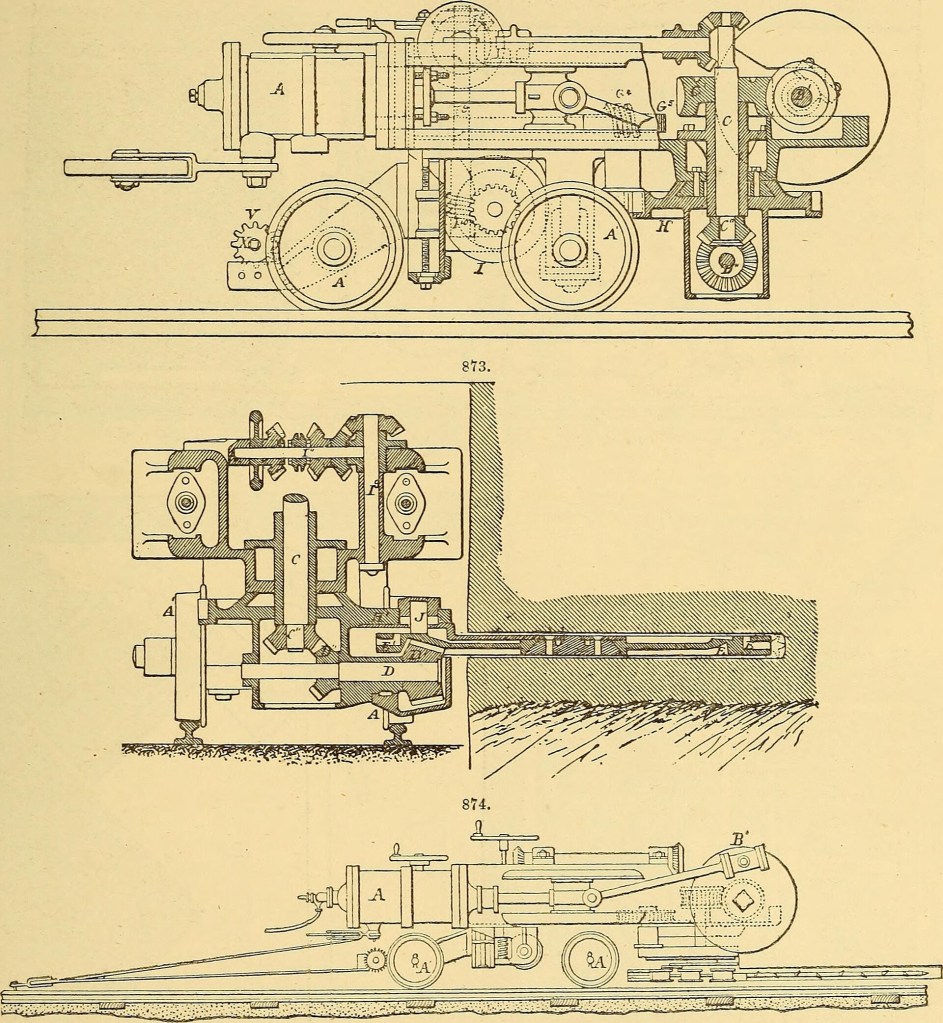
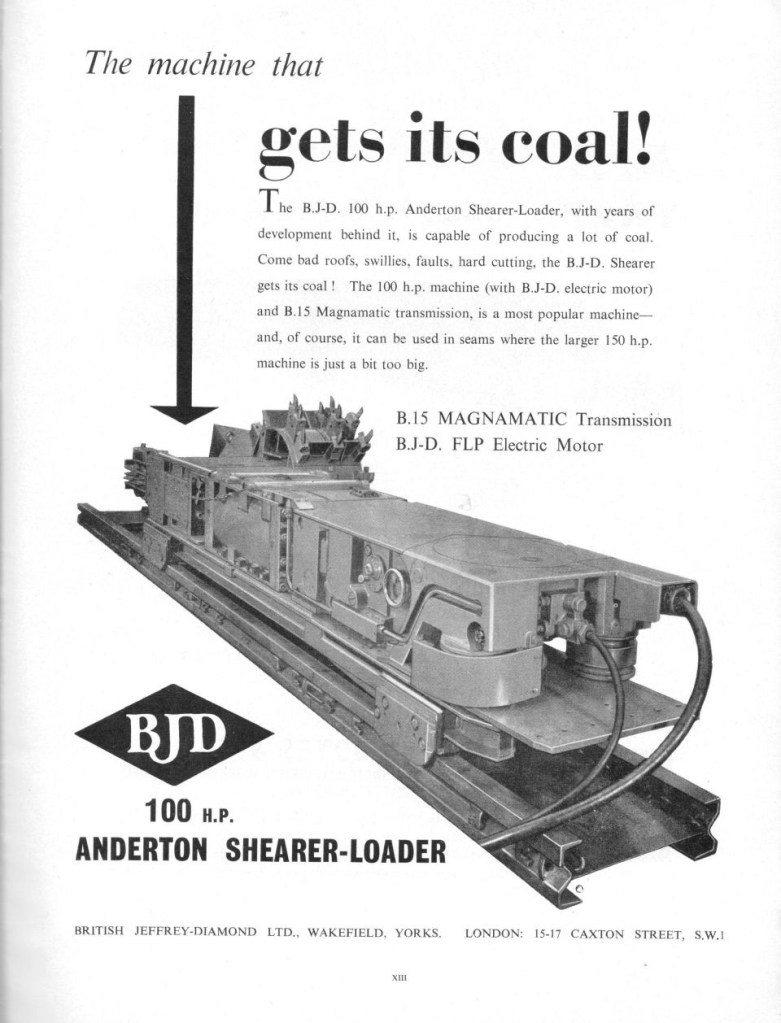
Anderton Shearer-Loader
Invented by James Anderton, National Coal Board (NCB) official and later Director of the North Western Division, the Anderton Shearer-Loader was first successfully commissioned around 1952 at Ravenhead Colliery, Sutton (in the St Helens area).
It replaced the jib of earlier cutters with a rotating drum fitted with picks that sheared a disc of coal around 19 inches diameter, while simultaneously loading it onto an armoured flexible conveyor (AFC or ‘panzer’). Early single-ended versions cut one way and ploughed the other, double-ended versions allowed bi-directional cutting.
It transformed longwall mining, accounting for a large share of British output in the 1960s, and was refined with dust suppression and other improvements.
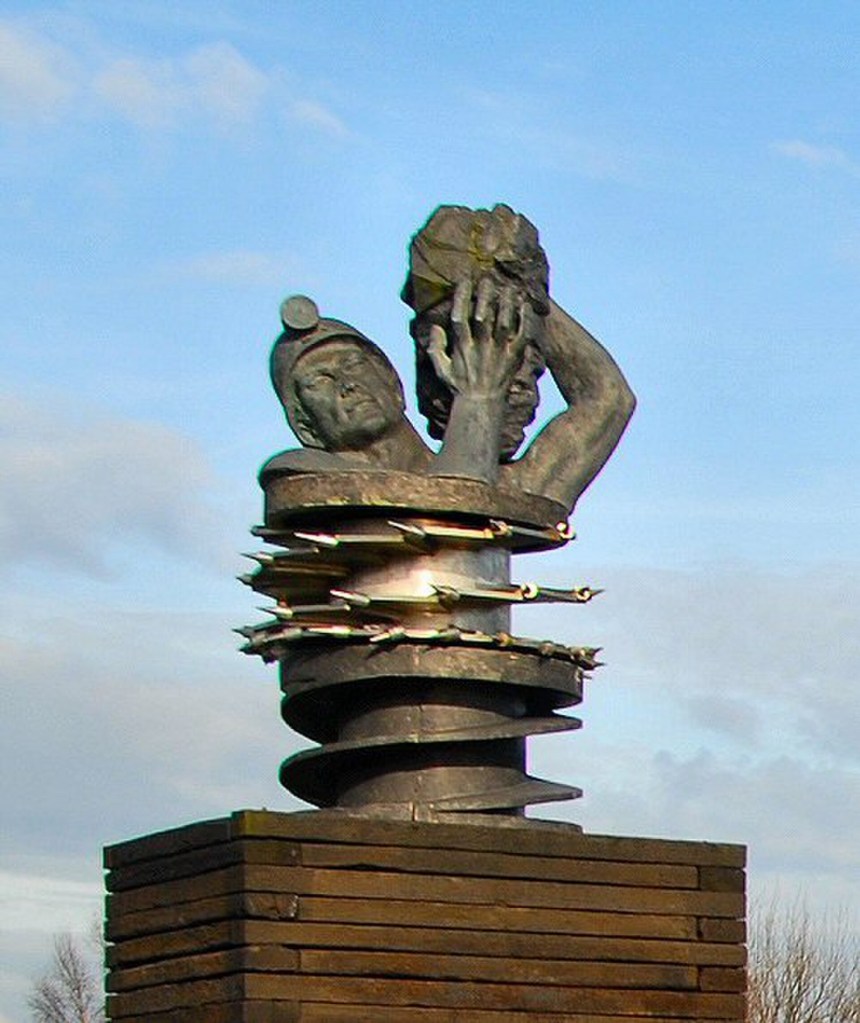
A monument to Anderton (pictured above) stands in St Helens.
Ormerod detaching (or ‘butterfly’) hook
Patented in 1867 by Edward Ormerod, a mining engineer at Gibfield Colliery, Atherton, the butterfly hook inserted into the winding rope above the cage.
In an overwind, the hook entered a fixed bell/cylinder in the headgear, plates were forced to shear a copper pin, release the rope, and latch onto the bell, suspending the cage safely and preventing a fall down the shaft.
Simple, reliable, widely adopted and still manufactured in refined form it is credited with saving many lives. Ormerod also worked on related safety cage designs.
by Hexham Reliance Engineering
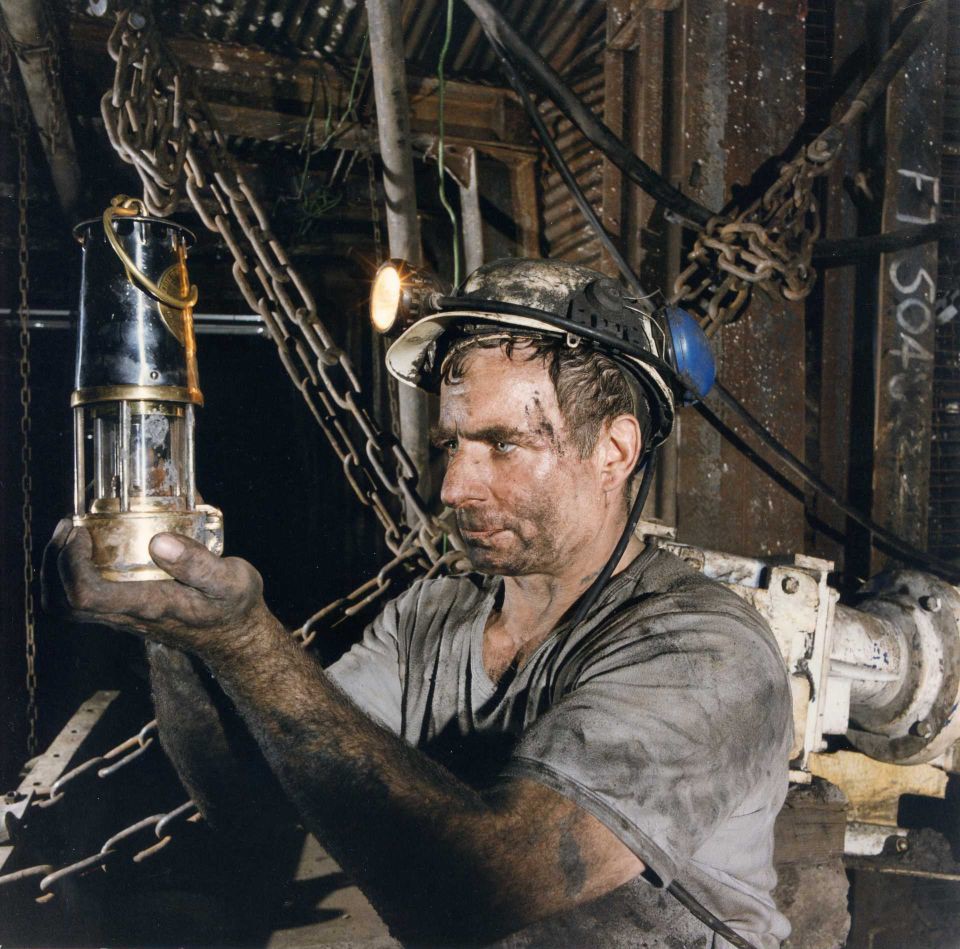
Safety lamps
Humphry Davy’s lamp (1815–16) and variants (Clanny, Geordie, etc.) were essential in Lancashire’s gassy seams.
Local makers such as J.H. Naylor of Wigan produced Marsaut, Davy, and later electric/cap lamps.
Their flame was enclosed by gauze (or later glass and gauze) so it could not ignite firedamp, the colour and behaviour of the flame also indicated gas. Electric lamps gradually replaced oil types.
(National Mining Memorabilia Association)
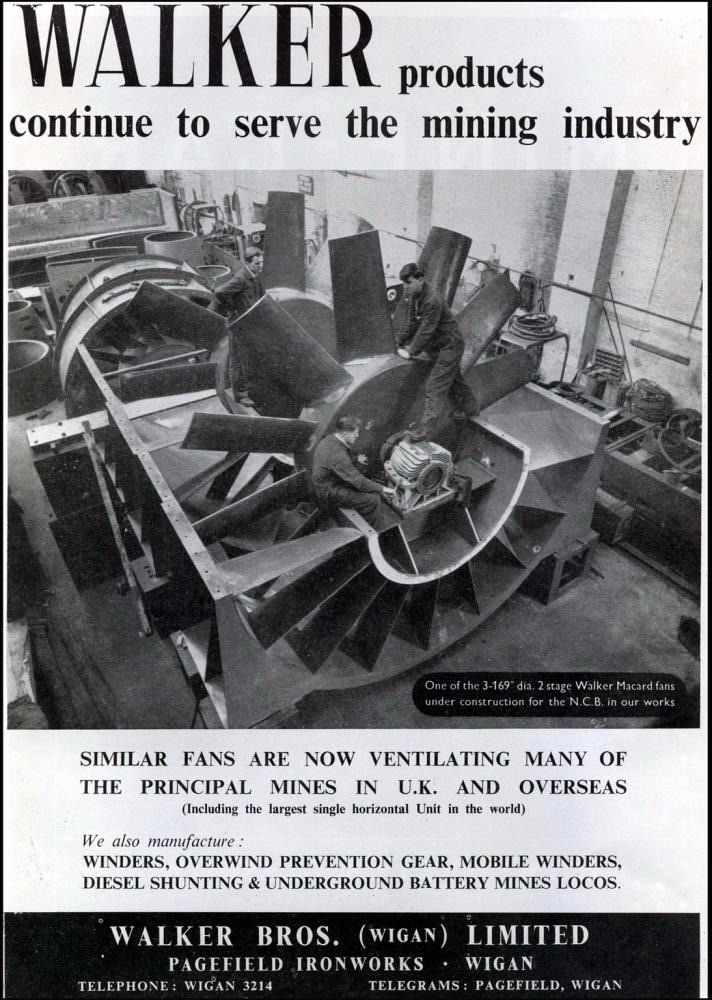
Ventilation fans and compressors
Walker Brothers of Wigan specialised in large mine fans (e.g; the ‘Indestructible’ models) and air compressors that powered underground machinery, haulage, and cutters. Furnaces had earlier provided natural ventilation, then mechanical fans became standard.
Haulage
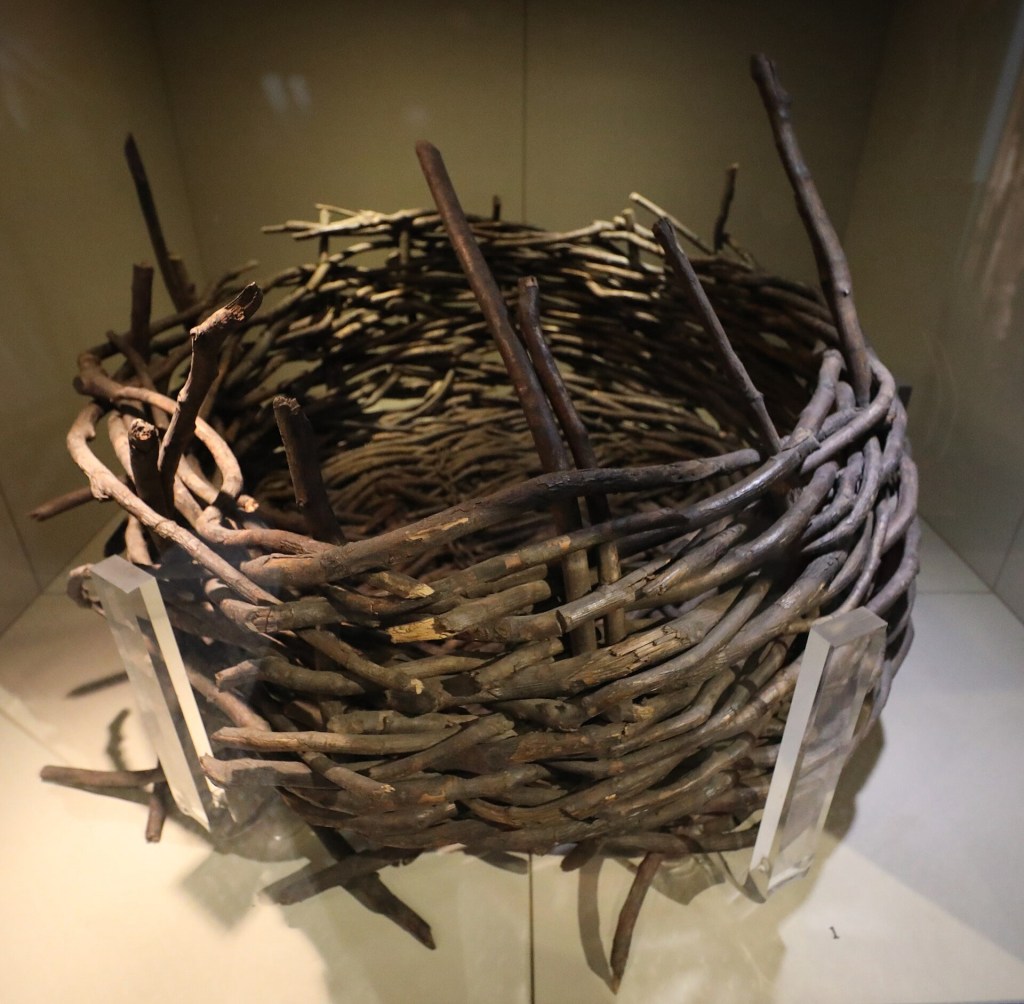
At first underground compressed-air or electric haulage engines pulled tubs/corves on rails, these were replaced later with armoured flexible conveyors (AFCs) that worked with the shearer loaders, thus increasing the automation of operations.
Mechanisation accelerated after nationalisation in 1947, with shearers, conveyors, and powered supports transforming coal faces up until the industry’s decline.
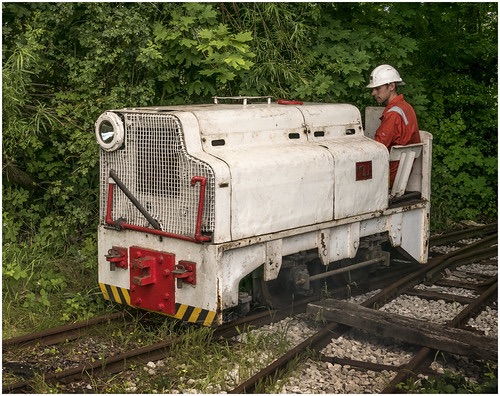
(PitHeadGear)
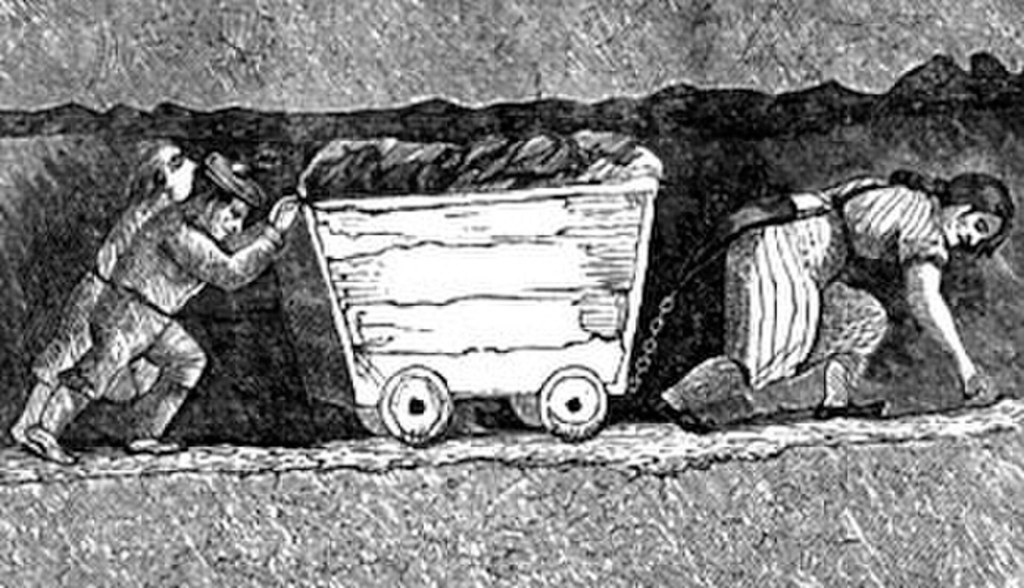
Many phrases have been coined over the years to describe the importance of Lancashire during the reign of King Coal, “powerhouse” and “beating heart” are but two of these. However none adequately describe just how vital the area’s industrial ingenuity and output was to the industry.
Many machines used in mines around the world were patented, built or refined by local Lancashire firms, including Walker Bros, Yates & Thom, and Naylor.
Surviving examples include the Astley Green winding engine (now at the Lancashire Mining Museum) and items in the Science Museum’s Lancashire Coal Mining Collection.
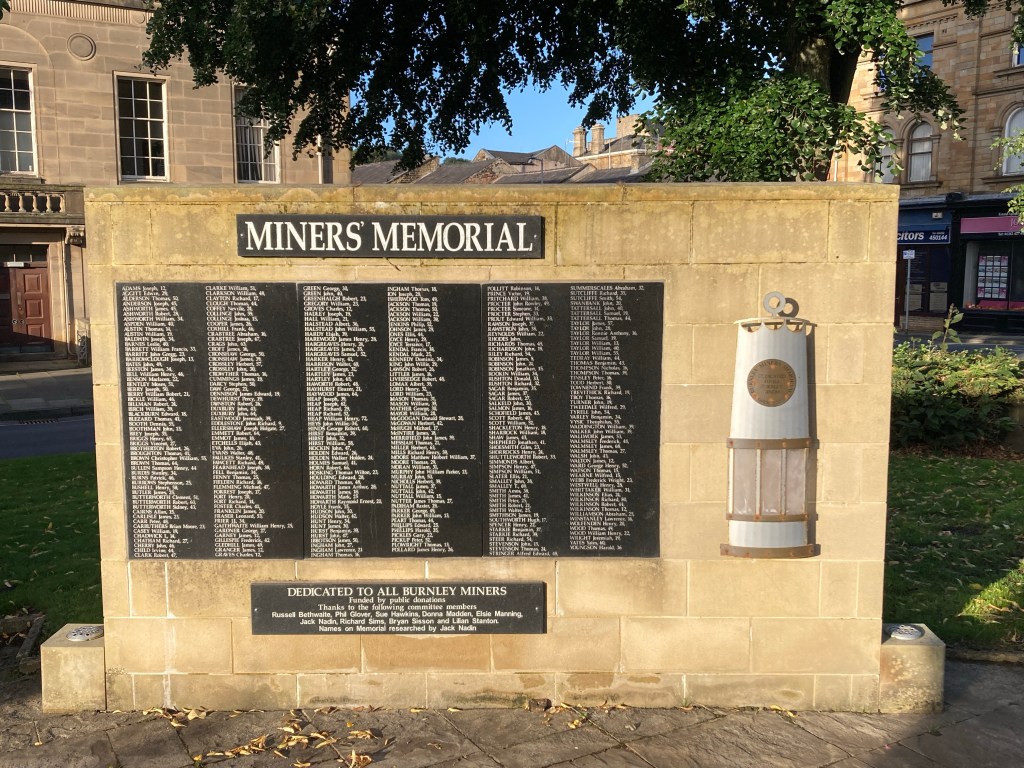
(author)
We were taken from the ore-bed and the mine,
we were melted in the furnace and the pit–
We were cast and wrought and hammered to design,
we were cut and filed and tooled and gauged to fit.
Some water, coal, and oil is all we ask,
and a thousandth of an inch to give us play:
And now, if you will set us to our task,
we will serve you four and twenty hours a day!
(From The Secret of the Machines, by Rudyard Kipling, 1911)
Thank-you for reading. If you enjoyed this piece and would like to support further articles on the wildlife and history of the Northwest, you can buy me a coffee here.
Alex Burton-Hargreaves
(September 2026)

