Ecology, Biology, Conservation etc of Plecotus auritus, the Brown Long-eared Bat. Including Notes on why Bats are Associated with Halloween, and on their Mention in Classical Literature and Folklore
The Bat, who cannot grow a Feather,
Contrives to fly on Wings of Leather
(Arthur Guiterman)
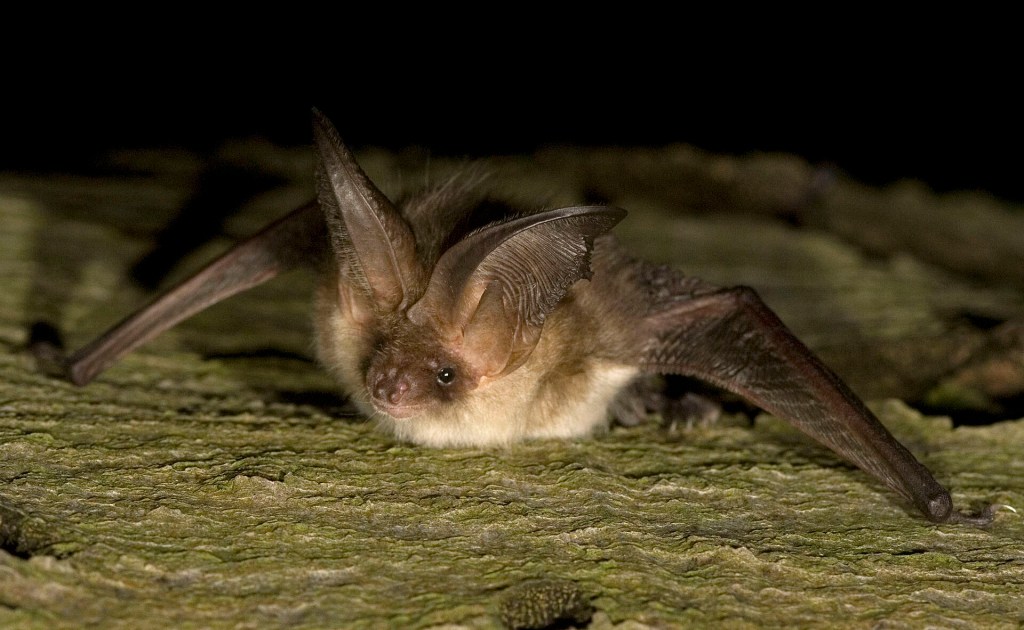
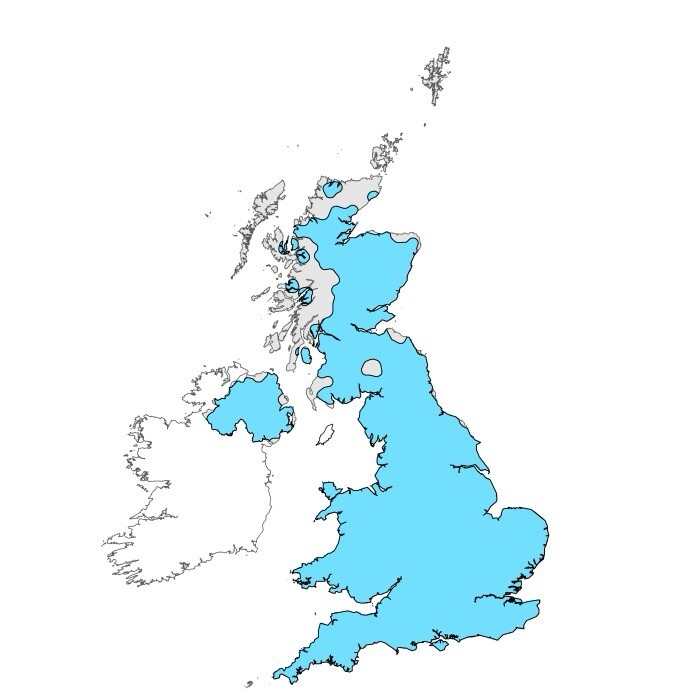
The Brown long-eared bat (Plecotus auritus) is one of Britain’s most distinctive and widespread bats. With ears almost as long as its body, it is a characteristic species of woodlands, parks and older buildings all across the country except the far northern isles of Scotland.
Here in the Northwest it ranks as the second most common bat after the pipistrelles and is regularly recorded throughout the region.
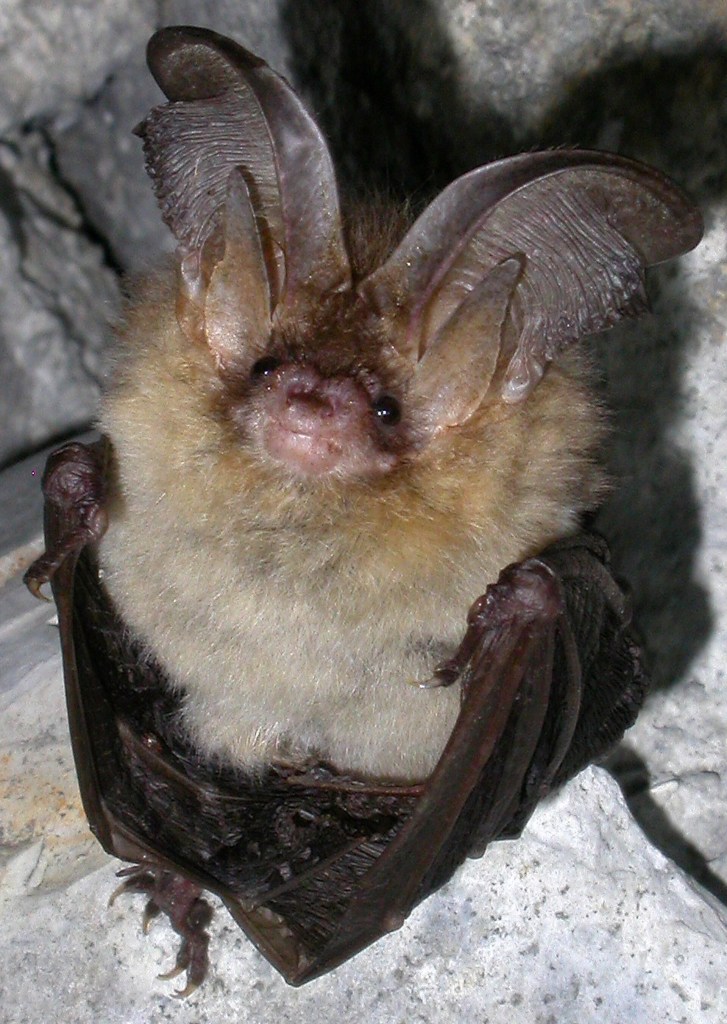
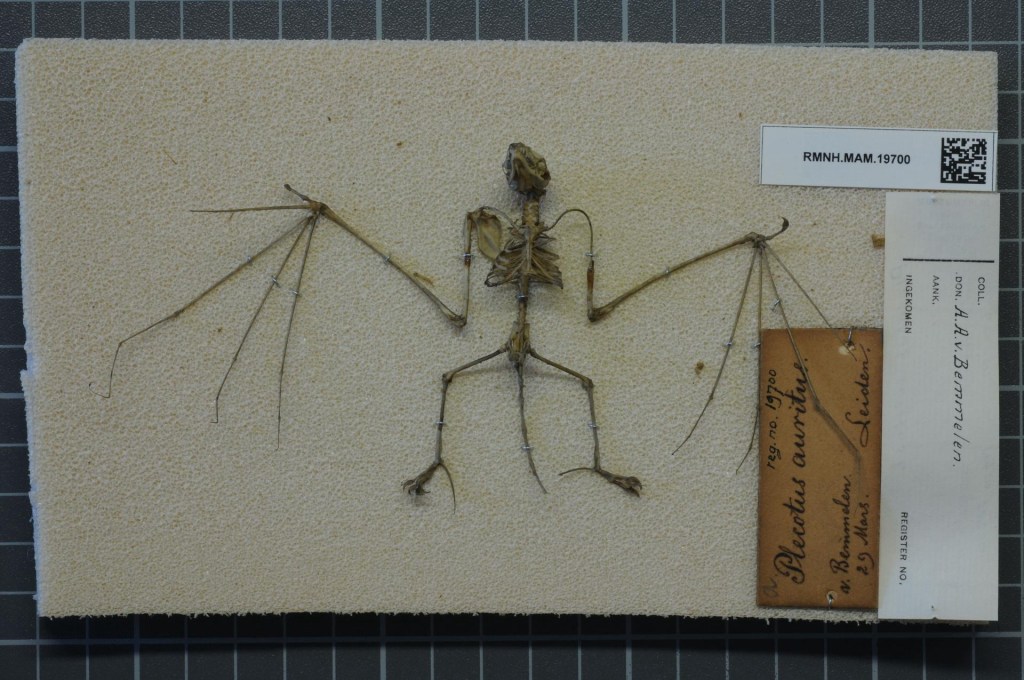
Plecotus comes from the Greek Plekein (πλέκειν), meaning ‘to plait’, or ‘to fold’, and Ous / Ōt- (οὖς / ὠτ-), meaning ‘ear’
Auritus translates to ‘long-eared’ or ‘attentive and listening’, coming from the Latin noun auris (ear)
(Image by Gilles St Martin)
Identification
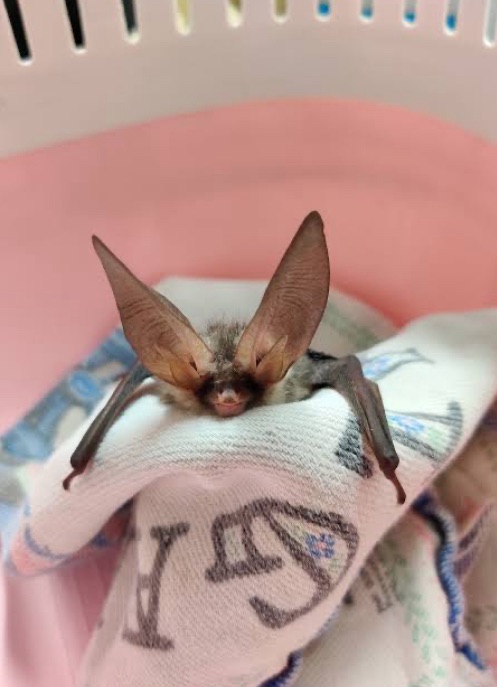
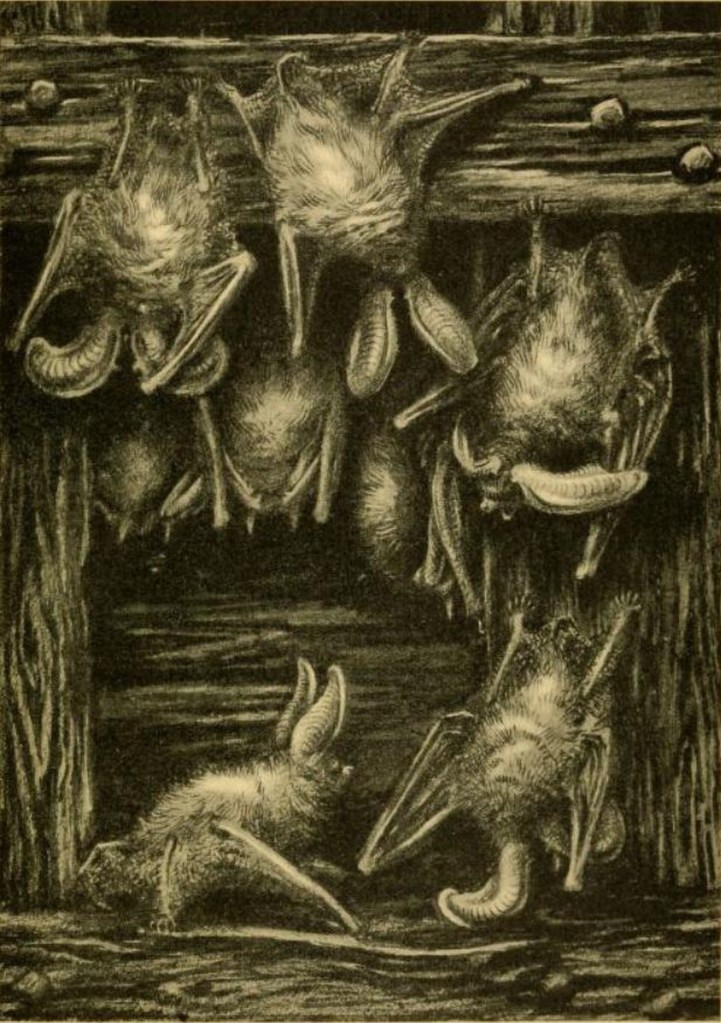
This medium-sized bat has a head-and-body length of 37 to 52mm, a wingspan of 23 to 28.5cm and weighs 6 to 12g. Its most striking feature is the pair of long, slender ears (typically 33 to 39mm), which are not joined at the base. When at rest the ears are often folded back or tucked under the wings.
Its fur is long and soft, greyish-brown to light brown on the back and paler underneath, and the face is relatively light with noticeably large eyes. Juveniles tend to be greyer than adults.
It is easily distinguished from most other British bats by its ear length. The rarer grey long-eared bat (Plecotus austriacus) is similar but has subtle differences in face colour, thumb length and tragus shape; it is largely restricted to southern England.
(Scottish Wildlife Garden)
Habitat and Distribution
Brown long-eared bats favour deciduous and mixed woodland, parkland, orchards, gardens and hedgerows, preferring to forage within or close to tree cover rather than in open spaces and rarely crossing large open areas.
In Northwest England they occur widely in suitable lowland and valley habitats, with sites featuring tree-lined valleys, wooded parks and older buildings with nearby trees providing ideal conditions.
They are less common in exposed upland areas but remain present wherever woodland edges, mature trees and suitable roosts exist.
Roosting and Behaviour
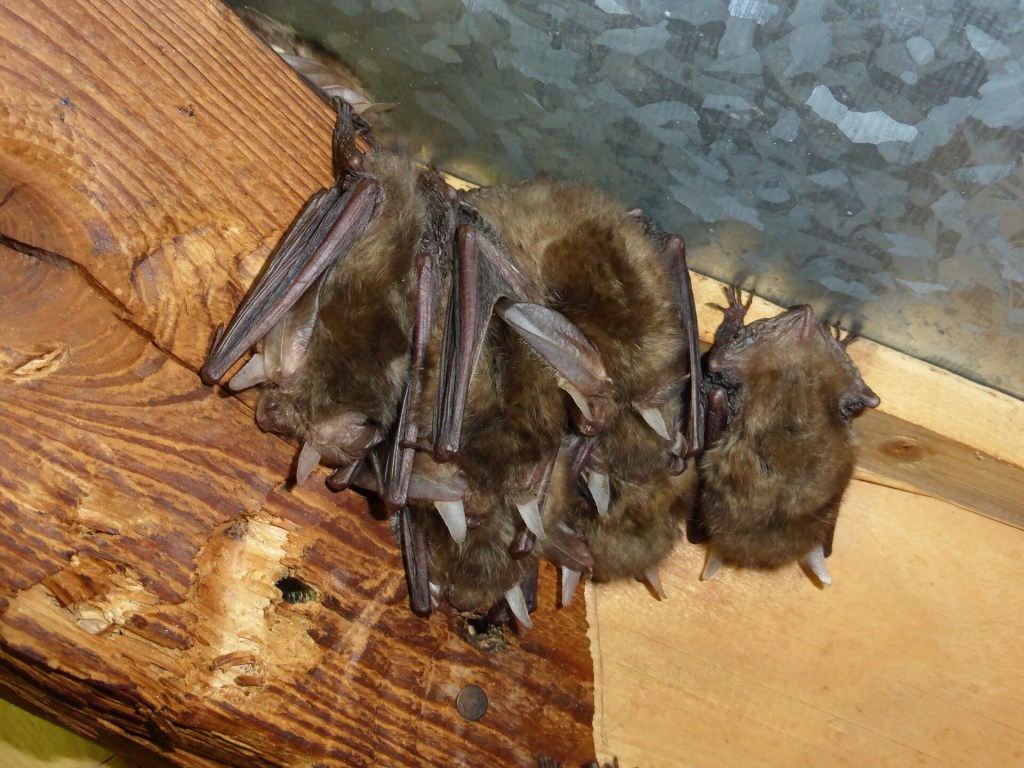
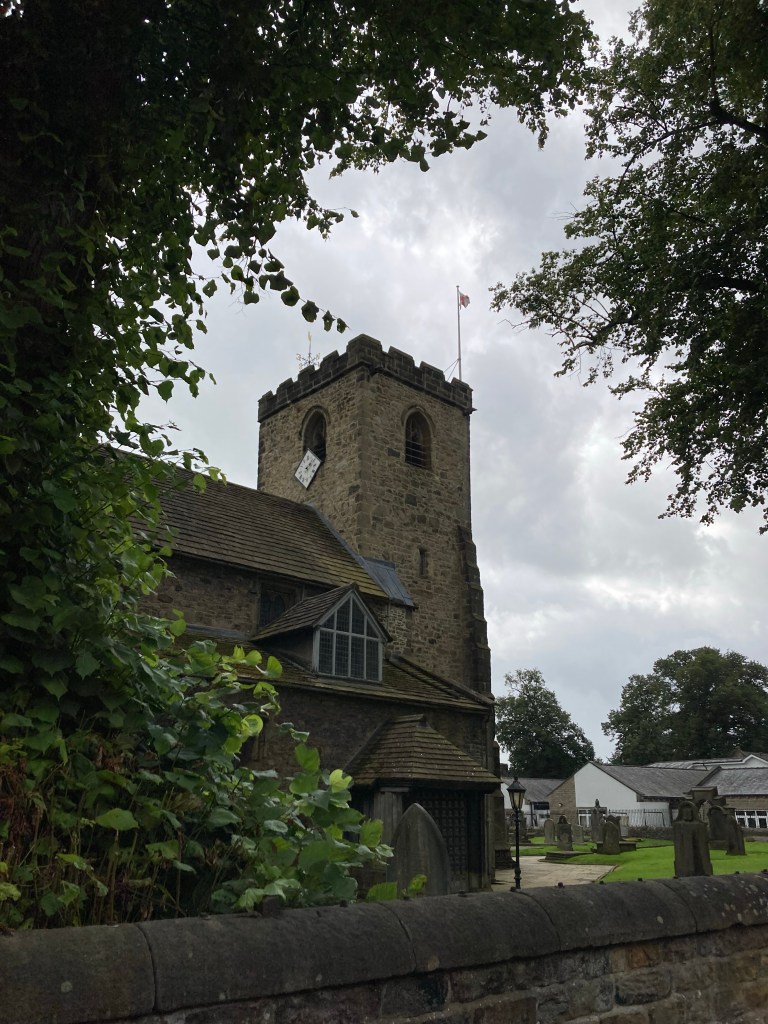
In summer, brown long-eared bats roost in buildings (especially the large, open roof voids of older houses, barns and churches), tree holes and bat boxes. Maternity colonies are usually relatively small, and unlike many other bat species, males are frequently present in these colonies.
They emerge late, after full darkness, to hunt and their echolocation calls are very quiet to avoid being detected by prey (they are simetimes called “whispering bats”), so bat detectors only pick them up at close range (typically under 5m). They are very skilled at gleaning insects from foliage while hovering or flying slowly, as well as catching prey in flight.
In winter they hibernate in cool conditions, often just above freezing, in caves, mines, cellars, tunnels, tree holes or occasionally buildings. They may also be found in bat boxes.
(Microbat)
Diet
The diet of P. auritus consists mainly of moths and other relatively large insects. They take prey both in the air and by gleaning from leaves and surfaces. This foraging style makes them highly dependent on structurally complex woodland and parkland habitats rich in insects.
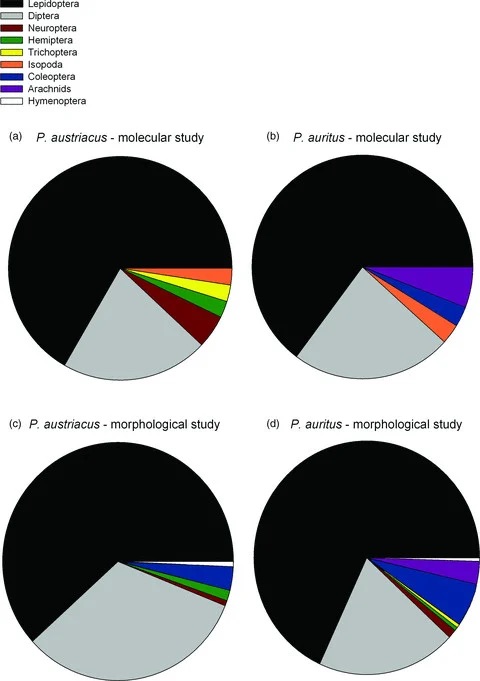
From the paper High-throughput sequencing offers insight into mechanisms of resource partitioning in cryptic bat species.
(Lepidoptera are moths, Diptera are flies)
Breeding
Mating occurs in autumn and winter. Females give birth to a single pup, usually between late June and mid-July and the young become independent after about six weeks. Sexual maturity is typically reached in the second year and their average lifespan is around 4 to 5 years, though individuals can live much longer.
Population and Conservation Status
Plecotus auritus is listed as Least Concern in Great Britain, England and globally. It is widespread across Britain (absent only from some northern and exposed Scottish islands) with a population estimated at around 934,000 individuals.
National Bat Monitoring Programme data show the species has been broadly stable in Great Britain over the long term (since monitoring began around 1999-2001). However, some recent short-term trends from summer roost counts have indicated declines at a national scale, with more pronounced concerns in Wales; although trends in England appear more stable.
All British bats are fully protected under the Wildlife and Countryside Act 1981 and the Conservation of Habitats and Species Regulations. It is illegal to deliberately kill, injure, capture or disturb bats or to damage or destroy their roosts (even when bats are not present).
Main threats include:
- Loss or degradation of woodland and mature trees
- Conversion or demolition of traditional barns and buildings
- Timber treatment chemicals and pesticides that reduce insect prey or contaminate roosts
- Disturbance of roosts and light pollution affecting flight paths
(Tommy Andriollo)
Where and How to See Them in Northwest England
Because of their quiet echolocation and preference for flying against dark foliage, Brown long-eared bats can be harder to detect than Pipistrelles or Noctules. Look for them:
- In and around deciduous woodlands, country parks and nature reserves with mature trees
- Along hedgerows and woodland edges at dusk
- Near older buildings or churches with large roof voids (from a respectful distance)
- In gardens and parks that retain mature trees and dense vegetation
Local bat groups, Wildlife Trusts (including the Wildlife Trust for Lancashire, Manchester and North Merseyside) and the Bat Conservation Trust often organise evening walks and surveys. Installing bat boxes can encourage them in suitable gardens or woodland edges.
Supporting and Encouraging
Practical actions that help support and encourage this species include:
- Retaining or planting native trees, hedges and understorey vegetation
- Avoiding unnecessary lighting near roosts or foraging areas
- Protecting mature trees and traditional buildings
- Using bat-friendly timber treatments if work is needed in roof spaces
- Reporting roosts to local bat groups or the Bat Conservation Trust
Why are Bats Associated with Halloween?
Bats have long been part of the hugely complicated imagery of Halloween, even though all of our native species, including Brown long-eared bats, are harmless insectivores. This association has deep roots that stretch back centuries before the modern commercial holiday.
The historical connection begins with the ancient Celtic festival of Samhain (pronounced roughly “SAH-win”), celebrated around the 31st of October as the end of the harvest and the turning of the year. The Celts believed the boundary between the living world and the spirit world grew thin at this time and large communal bonfires were lit both to honour the gods and to ward off malevolent spirits.
These fires attracted swarms of moths and other night-flying insects, which in turn drew hunting bats, and the theory is that the bats’ sudden, erratic flight in the firelight became linked in the popular mind with the supernatural activity of the season.
However I’m not convinced by this theory as bats, like almost all wild mammals, will avoid fire and the Celts, being closer to the natural world than even the most ardent modern naturalist, would have known and recognised the bat and its habits very well, so would hardly have been surprised, let alone worried, by its appearance.
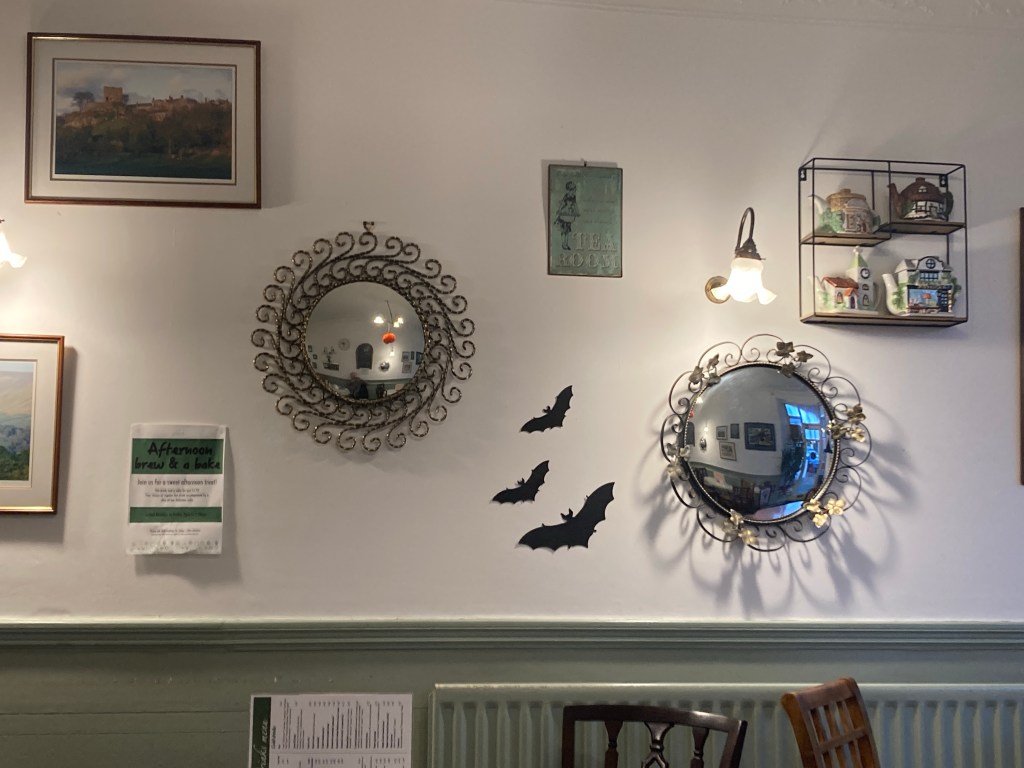
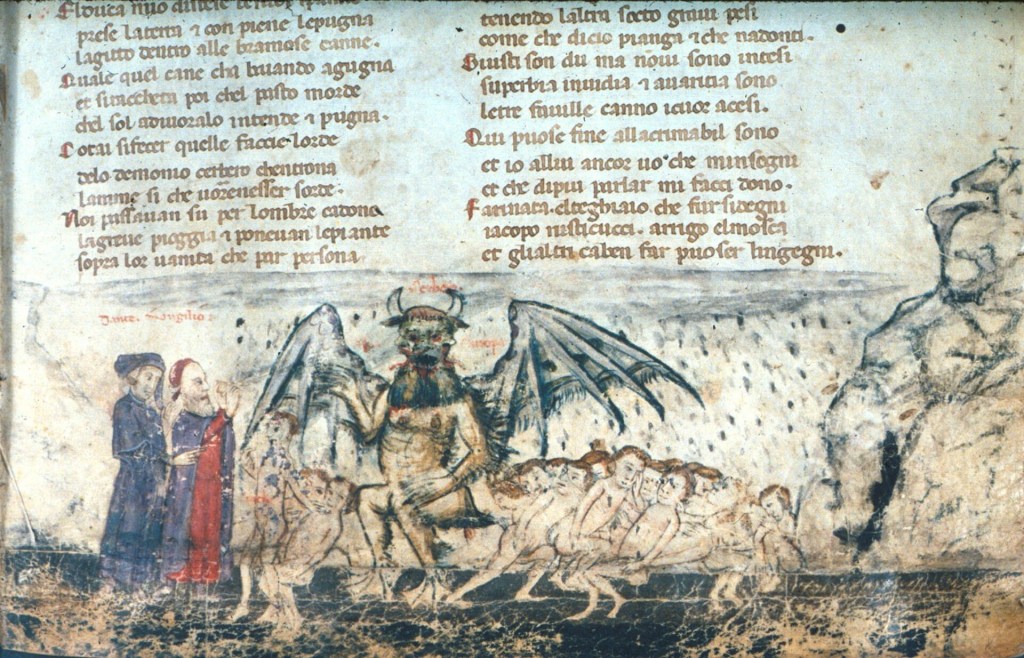
The bats’ natural habits reinforce this association; they are nocturnal, emerge at dusk, hang upside-down in dark places such as caves or old buildings, and move in ways that can seem unpredictable. In medieval Christian Europe these traits invited darker interpretations, indeed the Bible lists the bat among the ‘unclean’ animals. Early Christian writers and later artists sometimes depicted the Devil or fallen angels with bat-like wings; Dante’s Inferno describes Satan’s wings as leathery and bat-like rather than feathered. Bats therefore became convenient symbols of darkness, death, and the demonic.
A further powerful layer was added in 1897 with the publication of Bram Stoker’s novel Dracula. Although real vampire bats (which feed on blood) live only in Central and South America and do not attack humans as commonly depicted in fiction, Stoker’s story popularised the idea that vampires could transform into bats. This image rapidly entered popular culture and became inseparable from the iconography of Halloween.
In short, the Halloween bat is a cultural composite: a real animal whose nocturnal activity, combined with medieval religious symbolism and nineteenth-century Gothic literature, turned a beneficial and benign insectivore into a lasting emblem of this spookiest of seasons.
Bats in Classical English Literature and Folklore
English writers and folk traditions have long used the bat as a symbol of night, witchcraft, or the uncanny.
Shakespeare provides some of the best-known literary examples. In Macbeth (first published around 1606 at the height of witch paranoia), the three wyrd sisters include “wool of bat” among the ingredients of their cauldron, placing the animal firmly in the realm of Dark Magic. In The Tempest, the spirit Ariel sings of flying “On the bat’s back I do fly,” using the creature as a vehicle for supernatural freedom. In A Midsummer Night’s Dream, Titania refers to “rere-mice” (an old English name for bats, from the Anglo-Saxon hrére-mús, meaning ‘stirring’ or ‘agitating’ mouse) whose “leathern wings” might be used to make coats for her elves. Hamlet also casually includes the bat among the lowly creatures of the natural world.
These references seem to demonstrate a broader folk belief that bats are recruited as agents or familiars by witches. In parts of Scotland (which were culturally close to the northern English border counties), the flight pattern of a bat: rising and then descending again, was taken as a sign that the “witches’ hour” had arrived, the time when witches supposedly held power over unprotected humans.
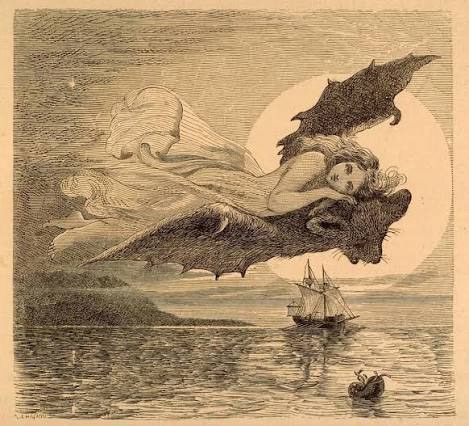
In Act V Scene I of William Shakespeare’s play The Tempest the spirit Ariel sings:
Where the bee sucks, there suck I:
In a cowslip’s bell I lie;
There I couch when owls do cry.
On the bat’s back I do fly
after summer merrily.
Merrily, merrily shall I live now
under the blossom that hangs on the bough. (Engraving by Henry Courtney Selous)
Bats in Northern English Folklore
Northwest England, particularly Lancashire, has an especially rich tradition of witchcraft folklore, most famously the Pendle witch trials of 1612. While surviving records and later popular accounts of the Lancashire witches focus more on familiars such as dogs or cats than on bats specifically, the wider cultural atmosphere treated nocturnal flying creatures as part of the same supernatural world. Witches were believed to gather at places such as Malkin Tower on Pendle Hill; the same landscape that supported strong bat populations also nurtured stories of night-time gatherings and shape-shifting.
In the broader folklore of the northern counties bats occasionally appear among creatures of ill omen or as companions of the night. They shared the symbolic territory of other “dark” animals: owls, ravens, and the spectral Gabriel Ratchets (a supernatural pack of hounds said to ride the air). Local names such as “rere-mouse” or “flittermouse” (from the German Fledermaus, translating as ‘flying mouse’) persisted in dialect, keeping the animal present in everyday speech.
Churches and old buildings, common roost sites for brown long-eared bats and other species, further reinforced the association. A bat emerging from a belfry or barn at dusk could easily be read, in a more superstitious age, as a sign of the uncanny.
Today these older fears have largely softened into playful Halloween decoration. Yet the bat that emerges from the belfry, roof spaces or tree hole carries, whether it knows it or not, a long and deeply entrenched cultural history.
Understanding that history helps separate folklore from biology: the real animal remains a quiet, benign and helpful insect-hunting neighbour rather than a creature of the night in any supernatural sense.
Look up, and you see things flying
Between the day and the night;
Swallows with spools of dark thread sewing the shadows together.
A circle swoop, and a quick parabola under the bridge arches
Where light pushes through;
A sudden turning upon itself of a thing in the air.
A dip to the water.
And you think:
“The swallows are flying so late!”
Swallows?
Dark air-life looping
Yet missing the pure loop …
A twitch, a twitter, an elastic shudder in flight
And serrated wings against the sky,
Like a glove, a black glove thrown up at the light,
And falling back.
Never swallows!
Bats!
The swallows are gone.
(From Bats! by D. H. Lawrence, 1923)
Thank-you for reading. If you enjoyed this piece and would like to support further articles on the wildlife and history of the Northwest, you can buy me a coffee here.
Alex ‘Batton’-Hargreaves
(October 2026) 🦇

