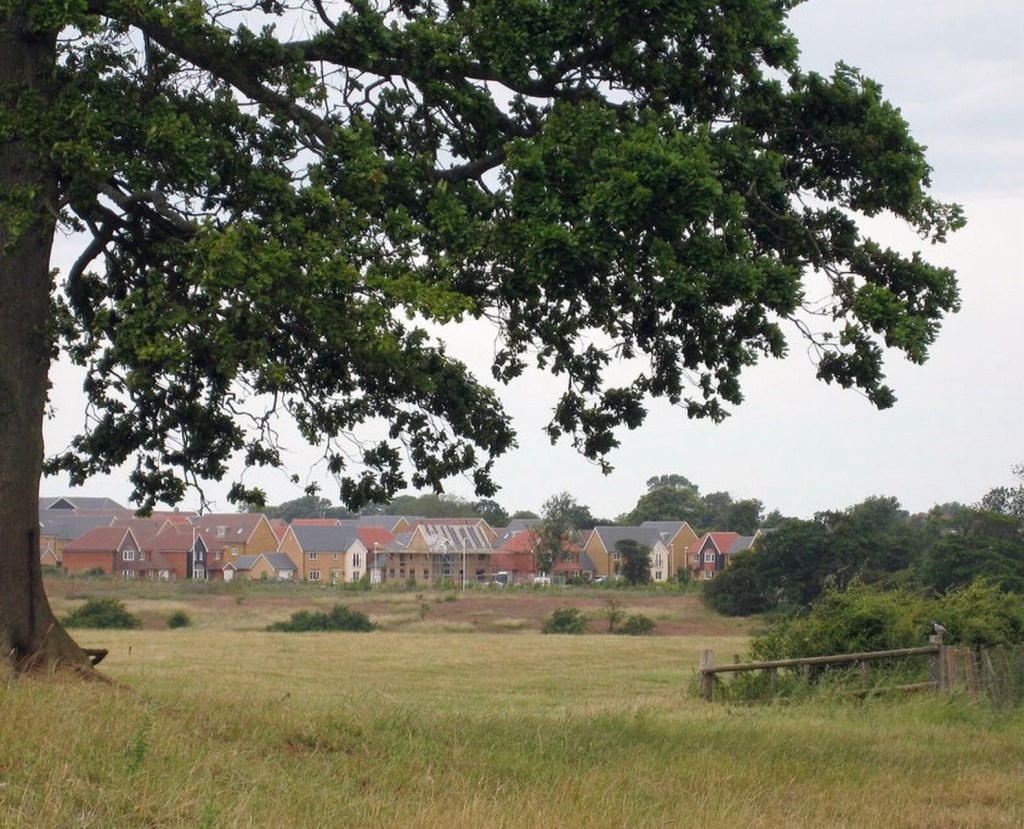
“Nature to be commanded must be obeyed”
(Francis Bacon)
Natural England was established under the Natural Environment and Rural Communities Act 2006 and is the British government’s statutory adviser for the natural environment in England.
Operating as an executive non-departmental public body, commonly known (at least by the media) as a quango, and sponsored by the Department for Environment, Food and Rural Affairs (Defra), its core legal remit is to protect and improve England’s wildlife, landscapes, and marine environments while helping people enjoy and access the outdoors.
Despite playing a central role in shaping modern British conservation, the agency finds itself at the heart of a fierce political and economic debate, culminating in November 2026 in a formal government review that could see the body broken up or abolished altogether.
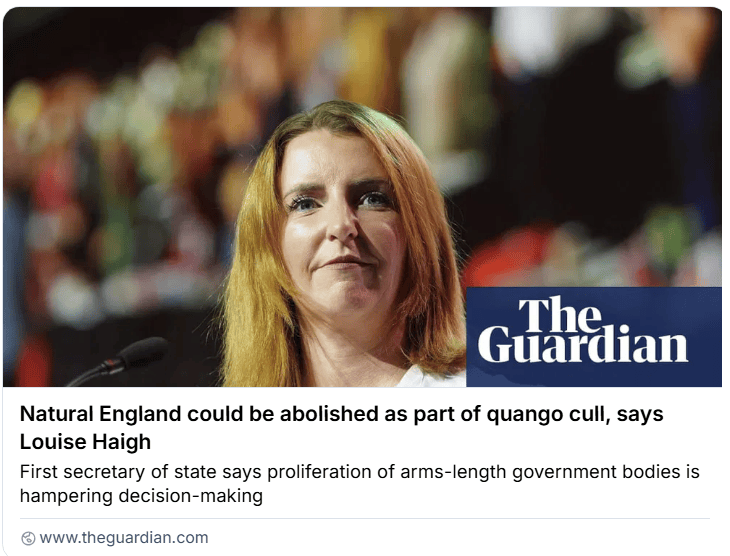
What Natural England Does
Natural England’s responsibilities span scientific research, land management, public access, and statutory regulation.
At the heart of its conservation remit is the oversight and monitoring of roughly 5,000 protected environmental sites across England, including Sites of Special Scientific Interest (SSSIs), Special Areas of Conservation (SACs), and Ramsar wetlands. Alongside this regulatory oversight, the agency directly manages around 140 National Nature Reserves and holds the legal power to designate National Parks and National Landscapes, formerly known as Areas of Outstanding Natural Beauty.
Beyond habitat protection, Natural England is tasked with connecting the public to the countryside. One of its flagship achievements is the King Charles III England Coast Path, a 2,700-mile continuous walking trail around the entire English coastline that stands as the longest managed coastal walking route in the world. The body also oversees England’s network of National Trails and enforces ‘Right to Roam’ access across open moorland, heath, and downland.
In the wider countryside and marine environment, Natural England works directly with farmers and landowners on multi-decade landscape recovery projects. These range from rewetting degraded upland peatlands to lock in carbon and rewilding river catchments to prevent downstream flooding, through to administering agri-environment grants.
At a species level, the agency issues roughly 16,000 protected species licences annually covering bats, Great crested newts, badgers, and birds, while leading targeted recovery initiatives, such as Bats in Churches and the Nature in Sacred Places programme, to help rare wildlife thrive alongside historic buildings and urban communities.
Within the planning system, Natural England acts as a statutory consultee, responding to over 22,000 planning consultations between April 2025 and March 2026, 93.8% of which were completed within statutory deadlines, while also managing the national Biodiversity Net Gain (BNG) site register and selling statutory biodiversity credits to developers.
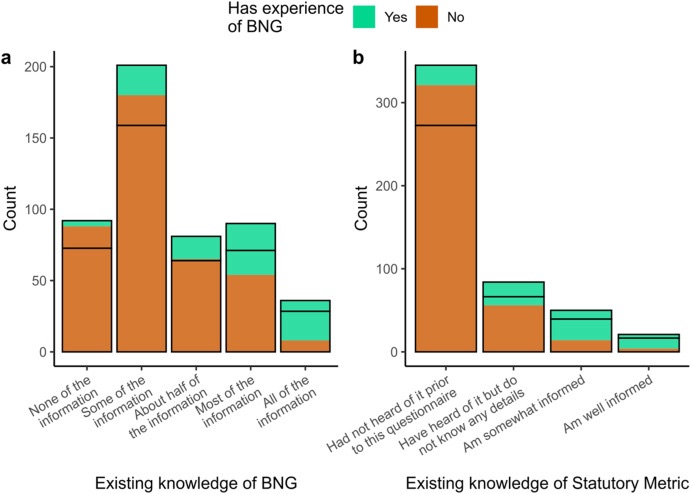
(Public opinions of a net outcome policy: The case of biodiversity net gain in England)
Costs and Funding
According to its 2025–2026 Annual Report and Accounts, Natural England employs roughly 2,700 full-time equivalent staff across the country, with annual staffing expenditure standing at approximately £166.8 million.
The vast majority of the organisation’s budget, roughly 89% of its core funding, comes directly from central government in the form of Defra Grant-in-Aid. The remaining £34 million is generated independently through external grants from bodies such as the National Lottery Heritage Fund, cost-recovery fees charged to developers for discretionary planning advice, wildlife licensing fees, and statutory biodiversity credit sales.
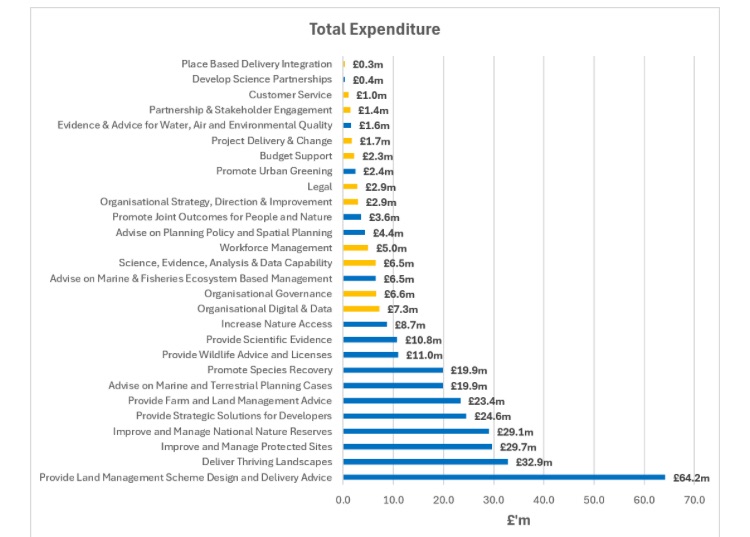
Key: Services are shown by blue lines
Functions are shown by yellow lines
(Natural England Action Plan 2026 to 2027)
Blocker or Scapegoat?
For more than a decade, Natural England has been a lightning rod for criticism from housebuilders, infrastructure developers, and politicians who argue that environmental regulations have stalled economic growth.
Critics frequently portray the agency as an unaccountable “blocker” that drives up construction costs and delays vital projects. The most high-profile flashpoint has been nutrient neutrality rules, under which Natural England’s scientific advice regarding river pollution from agricultural runoff and sewage effectively paused planning permission for tens of thousands of new homes across dozens of river catchments until developers could prove their projects would not add excess nitrates or phosphates to protected waterways.
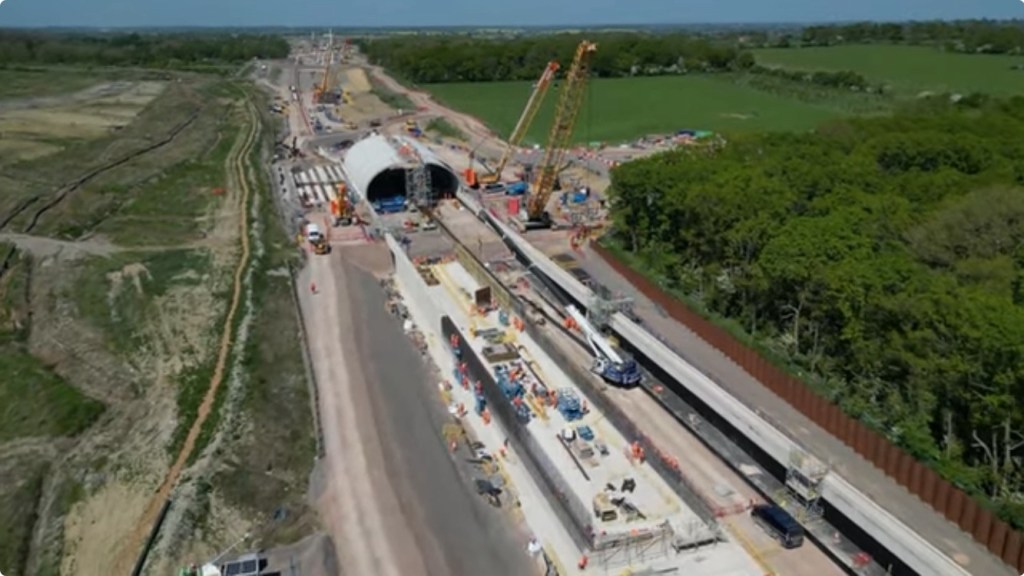
Politicians and pro-growth campaigners such as Britain Remade have also pointed to costly wildlife mitigations, most notably bat tunnels on HS2 and fish-protection measures at nuclear power stations, as evidence of disproportionate regulation, while rural groups like the British Association for Shooting and Conservation (BASC) successfully challenged the agency in the High Court in July 2026 over unlawful gamebird release licensing rules.
Environmentalists, planning lawyers, and parliamentary committees strongly dispute the narrative that Natural England is the primary cause of housing delays, with many claiming that the agency is being used as a scapegoat. A cross-party Environmental Audit Committee report explicitly rejected what it called the “lazy narrative” that nature is a blocker to housing, pointing instead to local authority planning bottlenecks, land banking, and construction skills shortages.
Natural England’s own figures show that it objects to only a tiny fraction of the tens of thousands of planning applications it reviews each year, and senior planning lawyers have warned that abolishing the regulator will not remove underlying legal obligations under the Habitats Regulations, but would instead create a costly administrative vacuum.
An Uncertain Future
This November (2026 as of writing) the debate over Natural England’s future escalated dramatically.
Speaking at the Confederation of British Industry (CBI) annual conference on the 23rd of November, First Secretary of State Louise Haigh confirmed that the government had launched a formal review into the future of Natural England, alongside the Environment Agency, Ofwat, and the Drinking Water Inspectorate, as part of a broader drive to cut arm’s-length bodies.
Criticising successive governments for “outsourcing responsibility to a sprawling web of regulators”, Haigh argued that “obfuscation” by statutory consultees with veto powers “has become habitual”. Ministers confirmed they are examining which of Natural England’s functions should be devolved to local mayors and strategic authorities, which can be brought back inside central government departments, and which should be dissolved altogether. Following reports in The Times (including a blatant exercise in ‘kite-flying) that ministers were actively drawing up plans to scrap the agency, Haigh declined to rule out its complete abolition.
The announcement drew sharp political and environmental reactions. The Conservative opposition welcomed the move in part, noting it echoed their own pledge seven weeks earlier to abolish both Natural England and the Environment Agency and return powers to ministers and landowners, whereas the Green Party condemned the review as short-sighted while the UK is off-track to meet its nature restoration targets.
Meanwhile, a coalition of over 40 leading environmental organisations, including the Wildlife Trusts, RSPB, National Trust, and Wildlife and Countryside Link, issued an open letter warning that scrapping Natural England would be a “costly mistake” and “scapegoating, not reform”. Campaigners also highlighted an apparent policy U-turn, noting that just months earlier ministers had placed Natural England at the centre of their Planning and Infrastructure reforms to manage hundreds of millions of pounds in developer levies under the new Nature Restoration Fund.
For now, Natural England remains operational while the review is underway, with no fixed timeline or legislation yet published for transferring its statutory duties.
Whatever decision the government makes will determine not only the fate of Natural England, but also that of England’s nature.
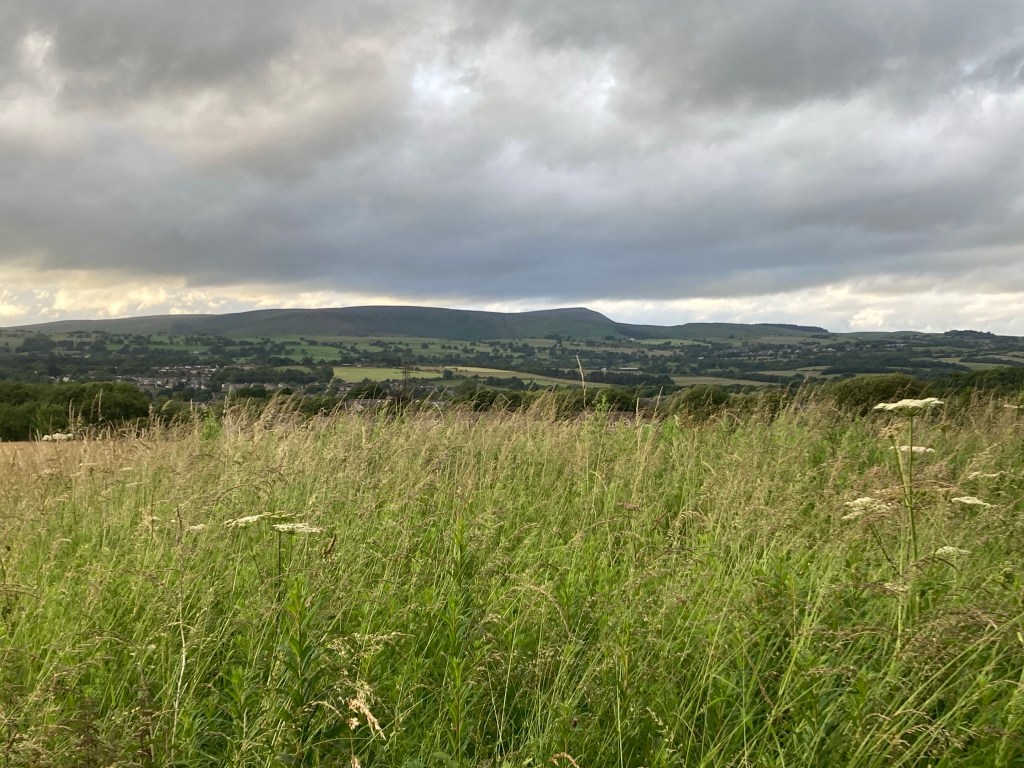
The world is too much with us; late and soon,
getting and spending, we lay waste our powers;
Little we see in Nature that is ours;
We have given our hearts away, a sordid boon!
From The world is too much with us, William Wordsworth, 1807
Main Sources Used:
Official Government & Parliamentary
- Natural England Annual Report and Accounts 2025 to 2026
- Environmental Audit Committee: Nature “Not a Blocker” to Housing Delivery
- National Lottery Heritage Fund: Strategic Support for Places of Worship
News Coverage & Stakeholder Responses
- The Independent: Louise Haigh Announces Review into Natural England
- The Wildlife Trusts: Reaction to Reported Government Plans to Review Natural England
- Planning Resource: Scrapping Natural England a “Distraction from Real Problem”
- BASC: Response to the Possible Abolition of Natural England
Thank-you for reading. If you enjoyed this piece and would like to support further articles on the wildlife and history of the Northwest, you can buy me a coffee here.
Alex Burton-Hargreaves
(Nov 27th 2026)

