The Battle Over Fireworks in Modern Britain
UK Fireworks Consultation 2026: Noise Limits, Petitions and the Push for Quieter Celebrations
“Let each of you look out not only for his own interests, but also for the interests of others.”
Philippians 2:4
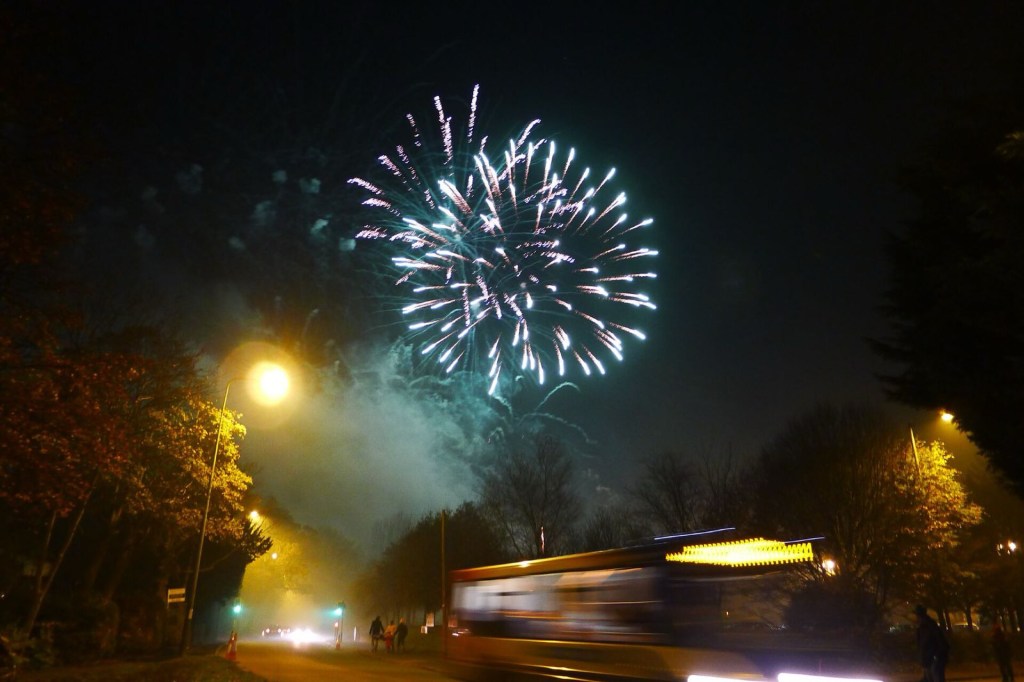
Fireworks have become an important part of British culture, lighting up Bonfire Night, Diwali, Chinese New Year, New Year’s Eve, and countless private celebrations. Millions enjoy them responsibly each year, yet growing concerns over noise, pollution, animal welfare, anti-social behaviour, and impacts on vulnerable people have pushed the issue firmly onto the political agenda.
In July the Office for Product Safety and Standards (part of the Department for Business and Trade) launched a major public consultation on fireworks and pyrotechnics regulation. It closed on the 7th of October after attracting more than 140,000 responses. As of early November the government is analysing the feedback and has not yet published its response or confirmed legislative changes.
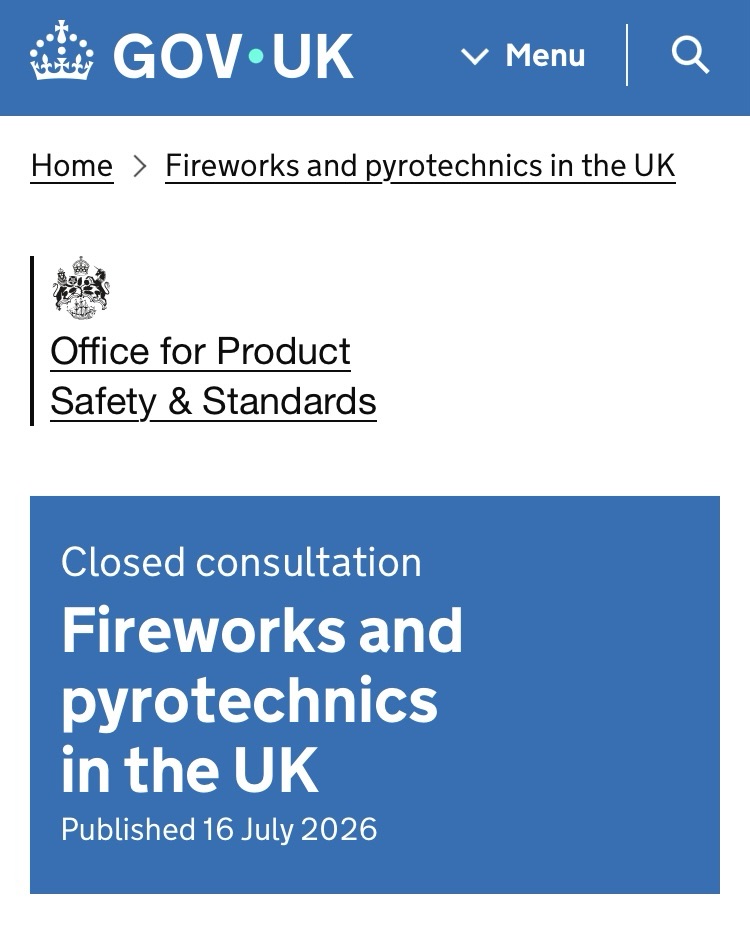
Fireworks and pyrotechnics in the UK
The Government Consultation Explained
The consultation, titled ‘Fireworks and pyrotechnics in the UK’, focused on reducing harms linked to noise and misuse while preserving the ability to enjoy fireworks for cultural and community events. It forms part of the government’s Safer Streets Mission targeting anti-social behaviour.
Key proposals included:
- Restricting the availability of noisier fireworks to the general public, with louder products available only to professional users (‘persons with specialist knowledge’).
- Adding products deemed to carry unacceptable risks to the existing list of banned pyrotechnic products under regulation 33 of the Pyrotechnic Articles (Safety) Regulations 2015.
- Reviewing rules for lower-risk products (such as certain F1 and P1 items, including Christmas crackers) to better match their risk levels.
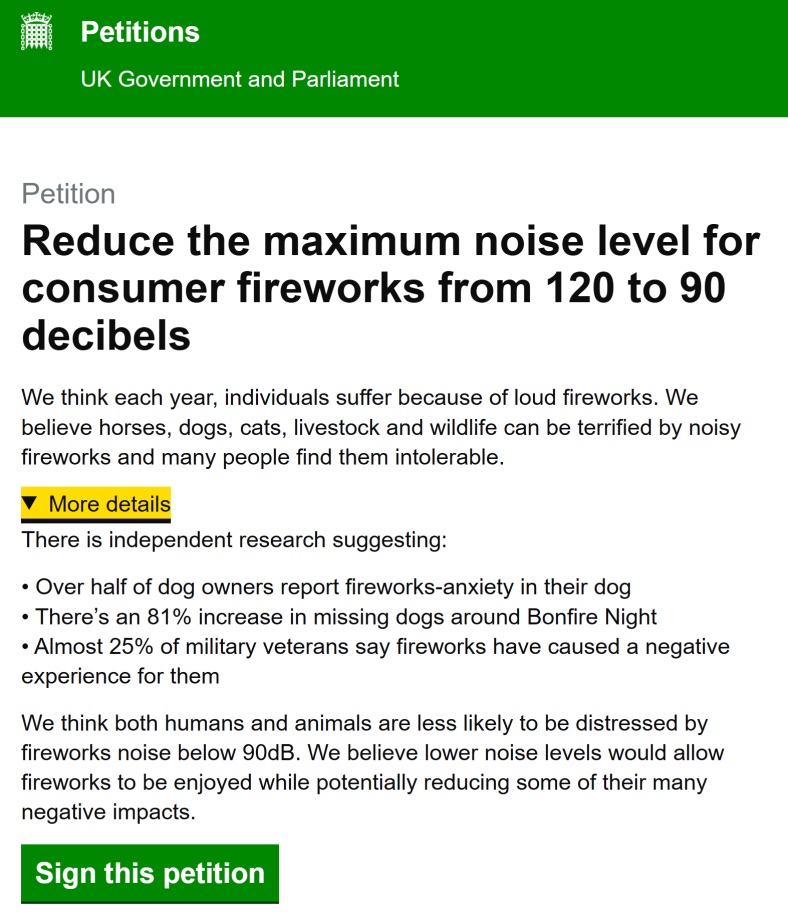
The current maximum noise limit for consumer fireworks (categories F1–F3) is 120 decibels (dB), measured at a relevant safety distance. The consultation sought views on keeping this limit or lowering it to 110dB (roughly half the perceived loudness), 100dB, or 90dB (roughly seven-eighths less loud). A reduction to 110dB was presented as a way to target the noisiest products while leaving quieter options available to the public, organised professional displays would be largely unaffected.
Any changes would require a Statutory Instrument (a form of secondary legislation) and a proposed six-month transition period for industry. A complete ban on public sales or use was explicitly ruled out as disproportionate.
Petitions and Public Pressure
Public campaigning has been intense. In January 2026, Parliament debated two major petitions: one calling for sales restricted to council-approved events (with nearly 196,000 signatures) and another seeking a 90dB limit (around 184,000 signatures).
Hundreds of related petitions have circulated, collectively gathering millions of signatures in some counts. Recent examples include calls for low-noise fireworks (70 to 90dB), drone and laser alternatives, bans on private sales/use, and restrictions limited to licensed public events. Counter-petitions defending the current 120dB limit and opposing further restrictions have also appeared, though with far fewer signatures.
Animal welfare groups, vets, the National Farmers’ Union (NFU), and organisations supporting veterans and people with sensory conditions or PTSD have been particularly vocal.
Harms Caused by Fireworks
Fireworks cause a range of documented harms:
Domesticated Animals:
Sudden loud noises trigger intense fear. Dogs and cats often hide, tremble, attempt to escape, or develop lasting anxiety (refusing to go outside after dark for months), surveys show high rates of distress among pet owners.
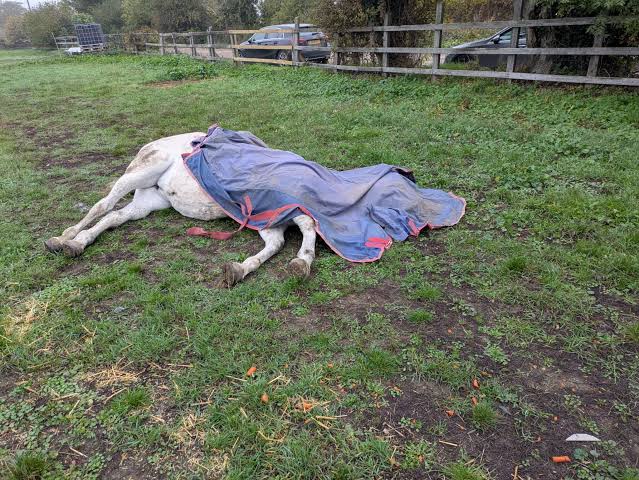
Livestock can stampede, leading to injuries such as a newborn calf near Skegness that suffered a broken leg after being trampled in a herd spooked by Bonfire Night fireworks, and a horse at Sawston near Cambridge that sadly had to be destroyed after a panic attack triggered by fireworks let off near her paddock on the 7th/8th November (see image below).
Farm livestock, horses and zoo animals face similar risks. Notable cases include the death of a young red panda at Edinburgh Zoo linked to stress from nearby fireworks, and injuries to cats attempting to flee the noise. Debris can also injure animals, especially if they eat it, or contaminate fields.
Wildlife:
Fireworks cause severe stress, disorientation, and physical danger to wild birds. Sudden loud bangs and bright flashes trigger a frantic ‘fight or flight’ response, causing resting birds to take off en masse into the dark night sky.
Disoriented by the poor visibility, birds frequently collide with buildings, power lines, or windows, leading to broken wings, internal injuries, or mass mortality. During breeding season, panic forces adult birds to abandon active nests, leaving eggs and helpless chicks vulnerable to starvation, hypothermia, or predators.
Furthermore, the sudden physical exertion combined with heavy smoke and air pollution containing sulfur dioxide and particulate matter can damage birds’ sensitive respiratory and cardiovascular systems
(Read more about the effects fireworks have on birds here)
Vulnerable people:
Veterans and those with PTSD can experience flashbacks triggered by bangs, flashes, and smoke. People with sensory processing conditions, autism, or anxiety disorders often suffer significant distress, and older people and those seeking quiet nights report disturbance.
Anti-social behaviour and safety:
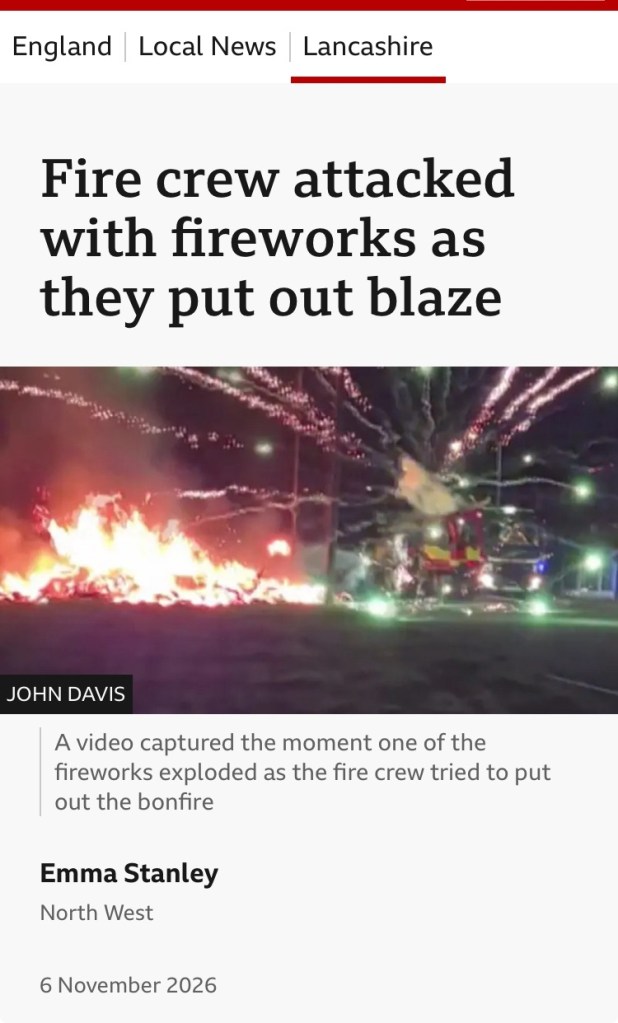
Misuse includes setting off fireworks in public places, after legal curfews (generally 11pm–7am, with limited extensions for specific festivals), or in ways that endanger others. Fire services report rising incidents, including attacks on crews, property damage, crop fires (one NFU member reported losing four acres of wheat), and injuries from mishandling occur annually.
(BBC Northwest)
Environmental and other impacts:
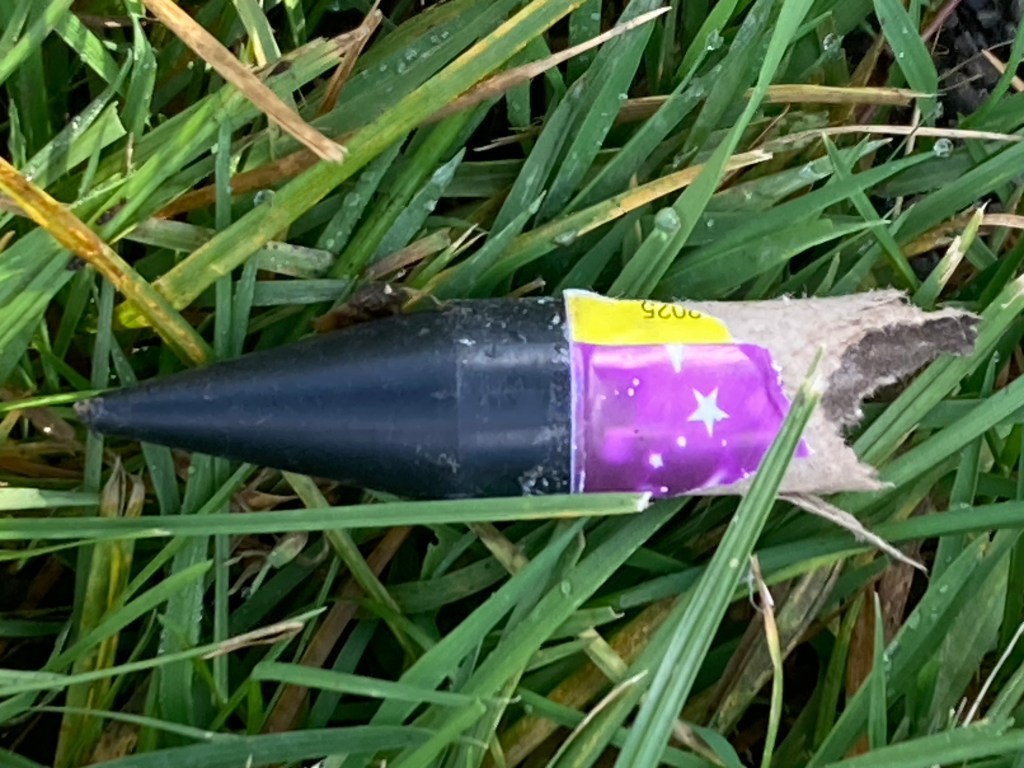
Fireworks contribute to air pollution through the release of particulate matter, heavy metals, and other chemicals that temporarily degrade local air quality. They also generate significant litter in the form of spent casings, cardboard, and plastic debris, which can harm wildlife and contaminate soil and waterways. In dry conditions, the risk of ignition is particularly acute.
A clear illustration of this danger occurred in July this year (2026 as of writing) on the moorland above Dovestone Reservoir near Saddleworth in Greater Manchester. Witnesses reported hearing loud bangs and seeing fireworks being set off by a group of young people shortly before a large wildfire broke out on the tinder-dry hillside. Social media videos appeared to show a firework landing in dry grass and igniting a blaze that rapidly spread across the steep moorland. Firefighters from Greater Manchester Fire and Rescue Service spent several days battling the fire in hot, dry conditions, with smoke billowing across the area.
Police received reports of the fireworks, launched an investigation, and arrested a 20-year-old woman on suspicion of arson. The incident highlighted how even a single firework in dry vegetation can escalate into a major wildfire, destroying habitats, releasing large amounts of carbon from peat soils, and diverting emergency resources.
Similar risks have been noted in other moorland and grassland fires across Britain where fireworks have been implicated. These events demonstrate the broader environmental cost of unregulated or reckless firework use, particularly during periods of drought or high fire risk, when a small spark can cause lasting damage to sensitive ecosystems.
(Read more about the Saddleworth fire here)
Industry Reaction
The fireworks industry has responded cautiously but critically. The British Fireworks Association (representing consumers, manufacturers, and importers) has argued for stronger enforcement of existing laws rather than new restrictions on legal products. It warns that removing popular items could drive demand toward illegal or unregulated sources and leave businesses with unsold stock.
Retail groups such as the British Retail Consortium engaged with the consultation. Some individual suppliers and the British Pyrotechnists Association have emphasised the cultural and economic value of fireworks, the availability of lower-noise options already on the market, and the distinction between responsible use and misuse. Industry voices generally oppose measures that would effectively ban traditional aerial effects while supporting better enforcement and education.
Animal welfare bodies (the RSPCA, Scottish SPCA, British Veterinary Association) and the NFU largely welcomed the consultation’s direction, calling for lower noise limits, quieter alternatives, advance notice of displays near farms, and stronger protections.
Types of Fireworks Currently Available to the Public
UK fireworks are classified under the Pyrotechnic Articles (Safety) Regulations 2015 into four categories. Only F1, F2, and F3 are available to the general public (subject to age limits and seasonal sales rules). F4 is restricted to trained professionals with specialist knowledge and insurance.
All consumer fireworks (F1–F3) must not exceed 120dB at the specified safety/test distance. Actual measured levels vary widely by type and product; many are significantly quieter.
F1
F1 fireworks pose a very low hazard and cause negligible noise. They are intended for confined areas, including indoors. Adults and supervised under-18s may use them, they include Party poppers, sparklers, ice fountains, and other small novelty items, like Christmas crackers.
F2
F2 are Low Hazard, low noise, and intended for outdoor use in confined areas (e.g: gardens). They are for the use of adults (18+) only and at a safety distance of 5 to 8 metres. This category includes smaller rockets, Roman candles, garden cakes/batteries, fountains, wheels, and combination packs. The decibel limit is up to 120dB at 8m and many quieter options are available.
F3
F3 fireworks are categorised as Medium Hazard and intended for outdoor use only by adults in large open areas that provide a 15 to 25m safety distance. This category includes cakes/batteries, bigger rockets, compound fireworks and mines, the sound limit is 120dB at 15m. These are the loudest products available to the public.
F4
F4 are High Hazard and available for professional use only. They include large display shells and professional barrages. There is no fixed dB limit but they must not harm human health.
Banned for public sale
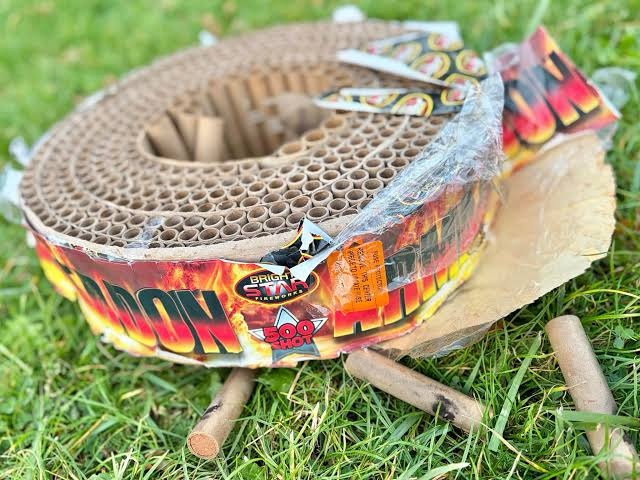
Fireworks banned under regulation 33, (with limited exceptions for professionals) include: aerial wheels, bangers/flash bangers/double bangers, jumping crackers, jumping ground spinners, spinners, mini rockets, certain large or report-producing shot tubes, and combinations containing banned items.
Sales of F2 and F3 fireworks by unlicensed sellers are restricted to specific periods (e.g; mid-October to mid-November for Bonfire Night, plus limited days around Diwali, Chinese New Year, and New Year), licensed sellers can trade year-round, with F1 items facing fewer restrictions.
(Cllr Gill Thomas)
The Future for Fireworks
The consultation closed with strong engagement from all sides. Government analysis is ongoing, and any reforms will prioritise evidence on noise reduction, animal welfare, and anti-social behaviour while seeking to protect cultural traditions and responsible enjoyment. In the meantime, existing rules remain in force.
Fireworks will continue to light up British skies in some form or another, but the balance between spectacle and consideration is under scrutiny like never before. Ultimately, the fulcrum of this debate is our own individual selfishness—and whether the law should step in to restrain it.
Neighbours
Rudyard Kipling
The man that is open of heart to his neighbour,
and stops to consider his likes and dislikes,
his blood shall be wholesome whatever his labour,
his luck shall be with him whatever he strikes.
But he that is costive of soul toward his fellow,
through the ways, and the works, and the woes of this life,
him food shall not fatten, him drink shall not mellow;
and his innards shall brew him perpetual strife.
Main Sources Used
Official Government Sources
• Fireworks and pyrotechnics in the UK GOV.UK Consultation
• Pyrotechnic Articles (Safety) Regulations 2015
News & Analysis
• Is time up for backyard fireworks?, The Guardian (31 Oct 2026)
• UK Reviews Fireworks Limits After Consultation Draws More Than 140,000 Responses, EconoTimes
• Government Consults on Quieter Fireworks, Environmental Protection UK
• Tens of thousands call for ban on traditional fireworks, Manchester Evening News
Animal Welfare & Farming Perspective
• NFU response to the fireworks consultation
• BBC coverage of animal impacts (including the Skegness calf injury and pet distress reports)
Fire & Environmental Incidents
• Coverage of the July 2026 Dovestone Reservoir / Saddleworth moorland fire linked to fireworks (Manchester Evening News and related local reporting)
Industry & Classification Information
• Information on F1–F4 categories and noise limits drawn from GOV.UK guidance and industry explanations (e.g; Galactic Fireworks and similar retailers)
Alex Burton-Hargreaves
(Nov 12th 2026)

