(A Recipe for White Mortrews, adapted from the Liber Cure Cocorum, c.1430)
The Liber Cure Cocorum
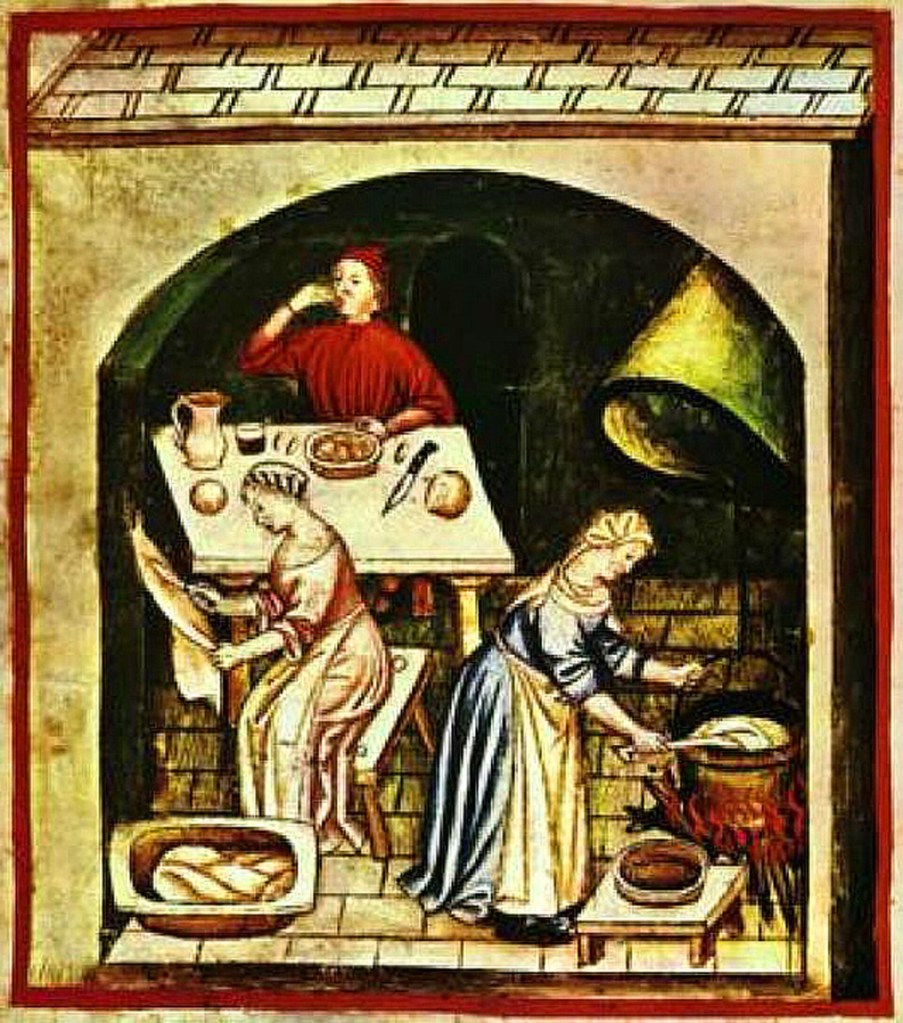
The Liber Cure Cocorum (Latin for ‘The Book of the Art of Cookery’) is a mid-15th-century English cookbook, dating to around 1430 and originating in Lancashire.
Uniquely (and rather charmingly), its recipes are written entirely in rhyming verse in a Northern Middle English dialect. The sole surviving copy is found in the British Library, where it appears as an appendix to the Boke of Curtasye and the anonymous author describes the work as ‘The Slyghtes of Cure’ (‘The Art of Cookery’).
It covers a wide range of dishes: potages, broths, roasted and baked meats, sauces, and simpler everyday fare, and contains some of the earliest known written references to foods such as Haggis.
Blanchyd Mortrews
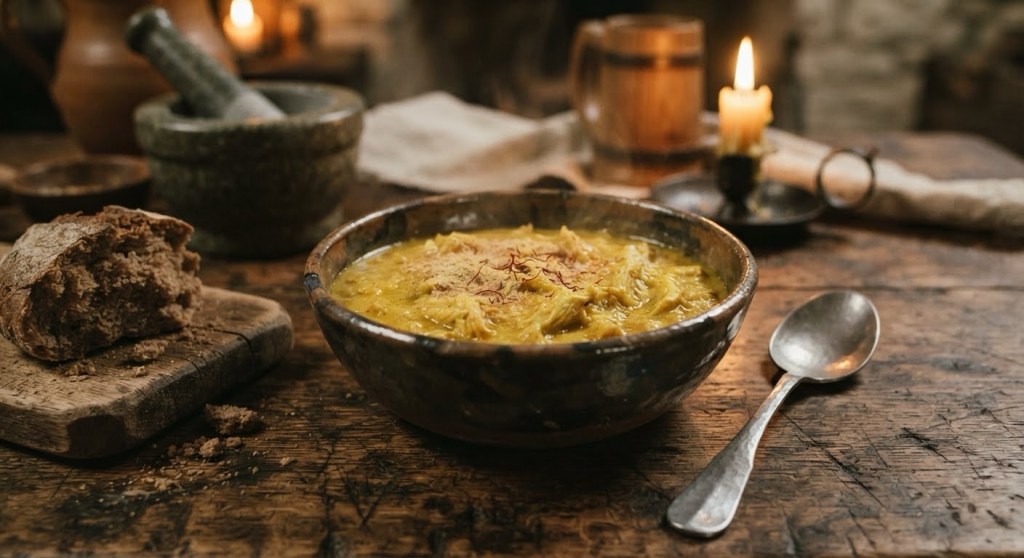
Mortrews (or mortreux) was a popular medieval thick pottage or purée, named after the mortar in which the ingredients were pounded. The ‘blanchyd’ (white) version is a mild, pale dish of chicken and pork thickened with almond milk and rice flour, lightly sweetened and spiced.
Ingredients (serves 4 to 6)
• 500g (about 1lb) of boneless chicken (thighs or a mix of breast and thigh)
• 300 to 400g (10 to 14oz) of fresh lean pork (or pork belly for a richer flavour)
• 150 to 200g (1½ to 2 cups) of whole almonds (unblanched is traditional; blanched works too)
• 1 to 1.2 litres (4 to 5 cups) of light chicken or pork stock (or the cooking liquid from the meats)
• 3 to 4 tablespoons (tbsp) of rice flour (or fine white rice ground to powder)
• 1 to 2 teaspoons (tsp) of ground ginger (or to taste)
• A little honey (1 to 2 tsp of sugar will suffice)
• Salt to taste
• Optional: a little white pepper or a pinch of other mild spices
Music & Wine Pairings
As always I like to suggest music and wine or ale which pairs well with a recipe (I don’t think anyone else does this) and for this dish I recommend the medieval English carol There is no rose of such virtue from the 15th century.
It belongs to the same broad period as the Liber cure cocorum and has a gentle, refined, English character that matches the mild, pale, delicately spiced nature of this dish.
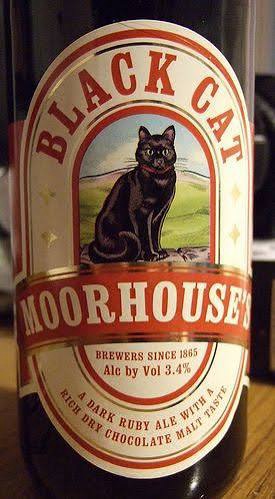
To match this calm and elegant nature a soft, lightly hopped (fuggle-hopped) mild ale or and off-dry Riesling partners perfectly; Moorhouses Black Cat, or Dr Loosen Mosel Riesling, which is available from good wine shops like D Byrne & Co in Clitheroe.
Method
1. First, after pouring yourself a tankard of ale or cup of wine, place the chicken and pork in a pot, then cover with water or light stock, and bring to a gentle simmer, skimming off any foam. Cook until both meats are tender (about 30 to 45 minutes depending on cut). Then remove the meats and reserve the cooking liquid.
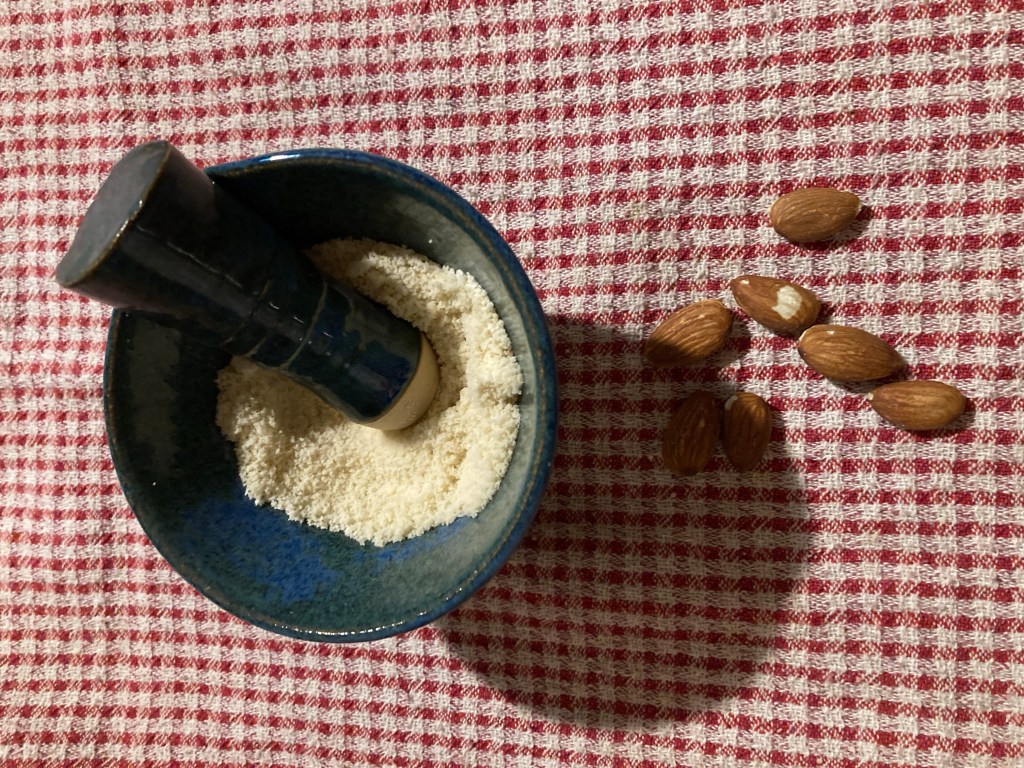
2. While the meats cool slightly, make the almond milk: grind the almonds as finely as possible in a mortar (or in a food processor). Gradually blend in some of the warm reserved broth (or hot water) until you have a smooth, pourable almond milk. Then strain through a fine muslin cloth or sieve if you want a very smooth result, pressing well to extract the liquid. (The recipe uses unblanched almonds, which give a more genuine flavour and colour.)
3. Next finely chop or shred the cooked chicken and pork, then pound or process them to a very fine paste (almost a paste or ‘dust’ as the original recipe says).
4. Return the meat paste to a clean pan, stir in the almond milk and enough of the reserved broth to make a thick but pourable mixture, then sprinkle in the rice flour and stir well to avoid lumps.
5. Bring the mixture slowly to a simmer, stirring constantly, and cook gently for several minutes until it thickens to a soft, standing consistency (like a thick porridge or soft pâté, not thin). Add the ground ginger, honey, and salt to taste, and adjust the thickness with a little more broth or rice flour if needed.
6. To finish taste and adjust the seasoning; ideally the dish should be mildly sweet, gently gingery, and well seasoned with salt.
To serve
Spooned into bowls or onto plates it can be served hot as a thick pottage. In the medieval manner it was often made quite firm so it could be sliced or portioned neatly.
Notes
• The original recipe stresses that it should not be too thin, so aim for a consistency that holds its shape on a spoon.
• Although the recipe specifies for unblanched almonds, which give a more authentic flavour; blanched almonds produce a cleaner white colour.
Original text:
Sethe hennes and porke, þat is fulle fresshe;
Bray almondes unblanchyd and temper hom nesshe
With clene brothe, and drawe hom þo;
Alay þy flesshe smalle grounden to,
And floure of ryce þou grynd also;
Cast powder of gyngere and sugur þerinne,
But loke þat hit be not to þyn,
But stondand and saltid mesurlé
And kepe þy dysshe mete for þo maystré
Translated:
Boil hens and pork that is fully fresh. Pound unblanched almonds and mix them soft with clean broth, and then strain them. Mix your finely ground flesh into it, and grind rice flour also. Cast in powder of ginger and sugar, but see that it is not too thin, but thick and moderately salted, and keep your dish fitting for the master.
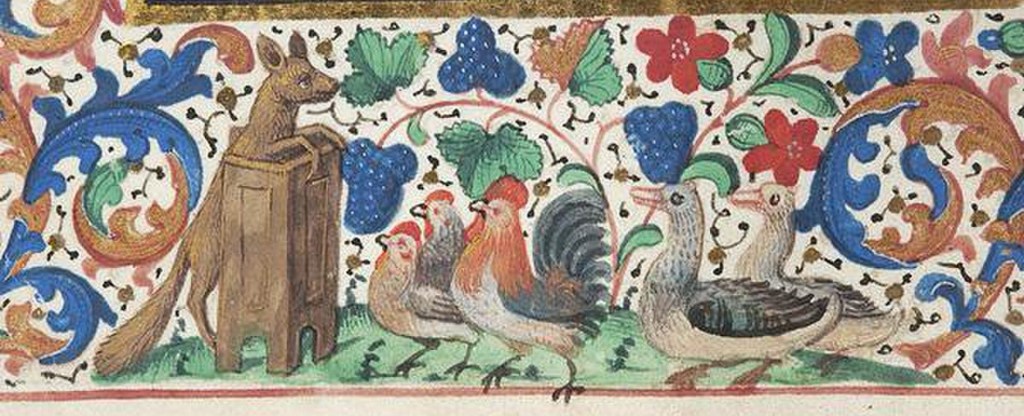
A Cook they hadde with hem for the nones
To boille the chiknes with the marybones,
And poudre-marchant tart and galyngale.
Wel koude he knowe a draughte of Londoun ale.
He koude rooste, and seethe, and broille, and frye,
Maken mortreux, and wel bake a pye.
Excerpt from The Canterbury Tales, penned by Geoffrey Chaucer in the 14th century, only a generation or so before the Liber Cure Cocorum.
Thank-you for reading. If you enjoyed this piece and would like to support further articles on the wildlife and history of the Northwest, you can buy me a coffee here.
Alex Burton-Hargreaves
(November 16th 2026)

