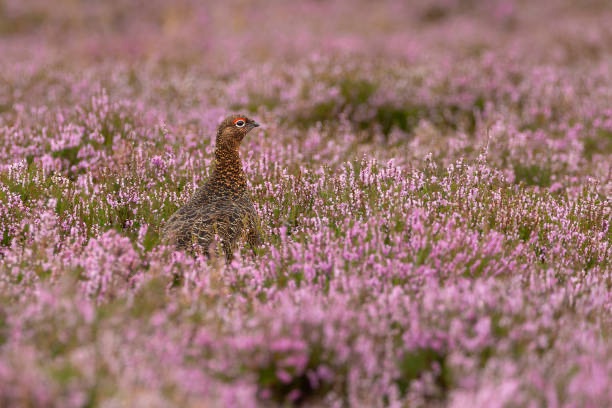
As July draws to a close across the moors our upland gamekeepers find themselves in the thick of one of their busiest and most critical periods. With The Glorious Twelfth fast approaching their work shifts from protecting nesting birds to assessing populations and preparing for what can be a time of make-or-break for the upland shoot.
These keepers, employed on estates managed primarily for wild red grouse, work year-round. Unlike lowland shoots that rear and release pheasants or partridges, red grouse are entirely wild, so success depends on meticulous habitat management, legal predator control, and constant vigilance over vast, often remote expanses of moorland.
Here, following on from the first two parts of this series: Spring on the Moors and January the Hard Month (which features a glossary of terms), we look broadly and objectively at some of the tasks the upland keeper has to do to make the season a success.
Counting the Birds: Preparing for the Season
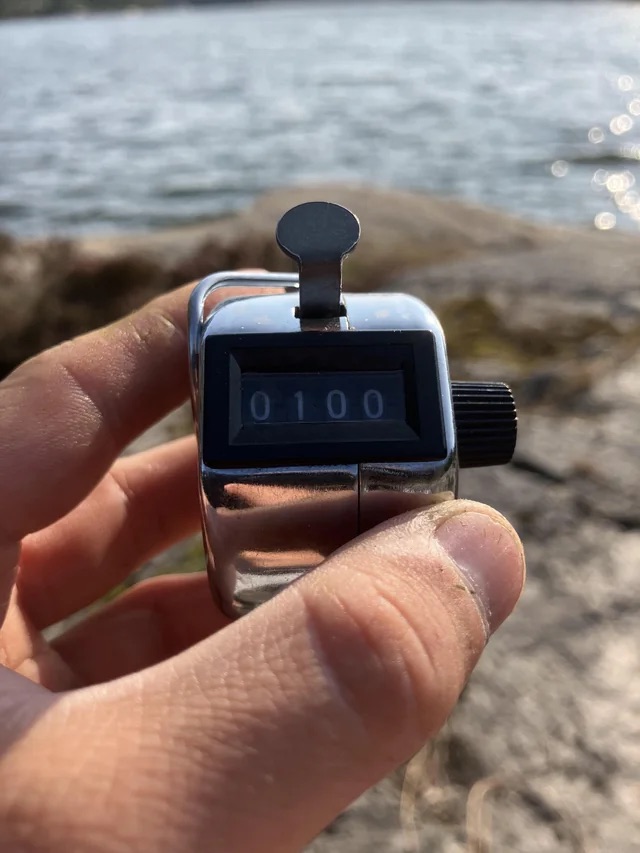
Late July and early August are dominated by summer grouse counts. Keepers, armed with nothing but a hand-held tally clicker, and often working with pointers or spaniels, systematically walk sample areas of their beats. They record coveys, noting the number of young birds versus adults and estimating brood sizes. A healthy average brood and strong pairing from the earlier spring counts indicate a surplus that can sustain shooting while leaving a viable breeding population.
These counts are not mere formalities. They guide decisions on whether and how intensively a moor can be shot. Poor breeding years, caused by cold, wet springs, high predation, or disease, may mean limited or no driven days.
Keepers also top up grit piles (essential for the birds’ digestion of tough heather), repair or rebuild stone shooting butts (called ‘grouse butts’ or simply ‘butts’, and improve access tracks ready for the season’s teams of beaters, guns, and pickers-up.
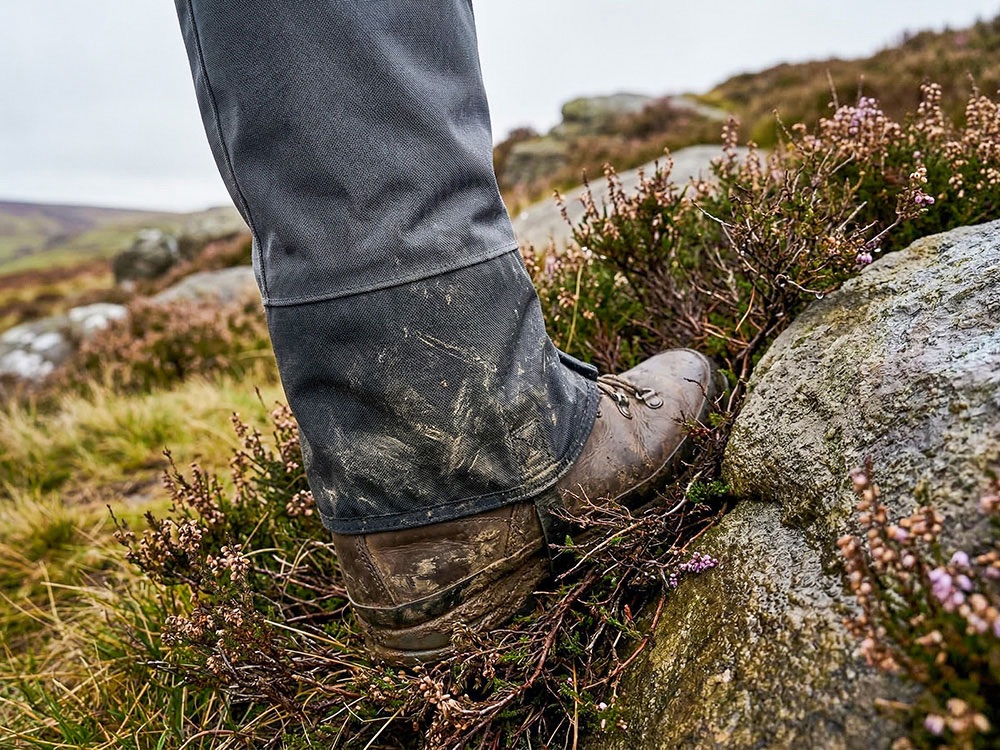
Ongoing Protection and Habitat Care
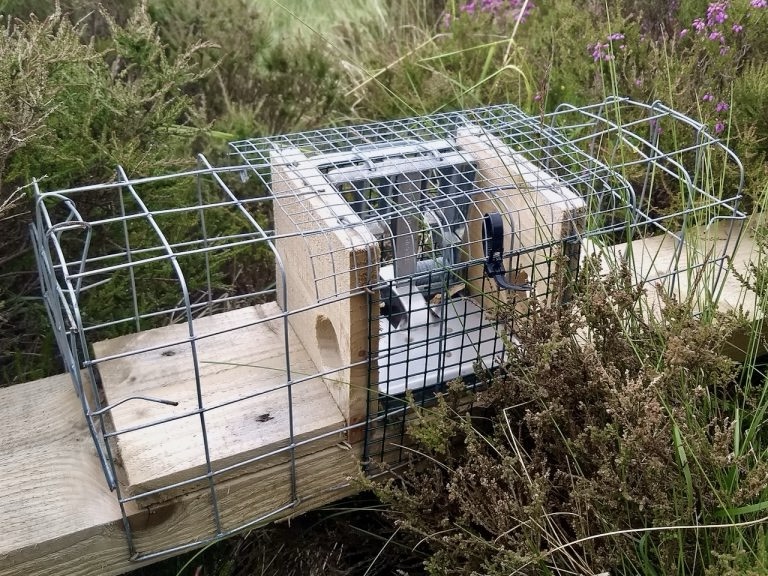
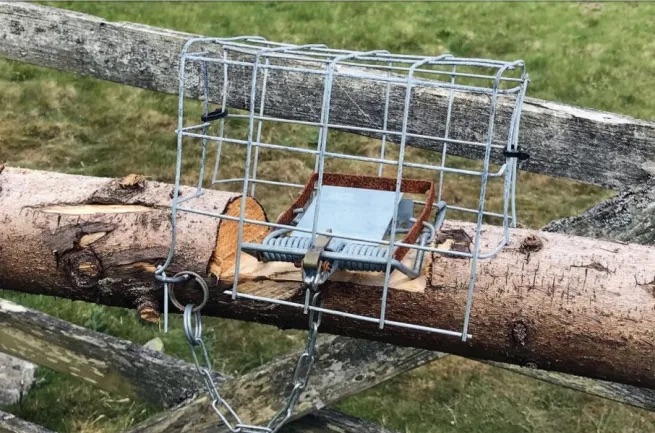
Predator control continues in summer, though it peaks earlier in the year. Foxes, carrion crows, magpies, Mink, Stoats and weasels remain targets using legal methods (traps, lamping, and shooting under general licences) to give growing broods the best chance of survival. This work benefits not only grouse but also other ground-nesting species such as Curlew, Lapwing and Golden Plover that thrive on well-managed moors.
Vegetation management is another constant. Bracken is cut or controlled where it threatens to dominate, and heather is monitored to maintain the mosaic of young nutritious shoots and older cover that grouse need. While Controlled Burning (muirburn) is largely restricted outside the legal season (typically ending in mid-April in England), keepers still create and maintain firebreaks through cutting and other means.
Medicated grit may be used where strongyle worms or ticks pose problems, and keepers keep a close eye on disease indicators.
People on the Hills
Summer brings heavy public use of the hills, with walkers, cyclists, dog-walkers and campers flooding popular areas. Keepers will spend a significant amount of time engaging with visitors: politely asking people to stick to rights of way, keep dogs under close control (especially near nesting or brood-rearing birds), take litter home, and extinguish any fires or barbecues. They also deal with illegal off-road vehicles, poachers, livestock theft (yes sheep-rustling is still very much a thing,) hare-coursing gangs, sheep worrying by loose dogs, unauthorised camping and a myriad of other anti-social behaviour.
Many act as informal first-aiders and rescuers when walkers get into difficulty on the open hills (we once had to extract someone from a peat bog where they had sank up to their waist!).
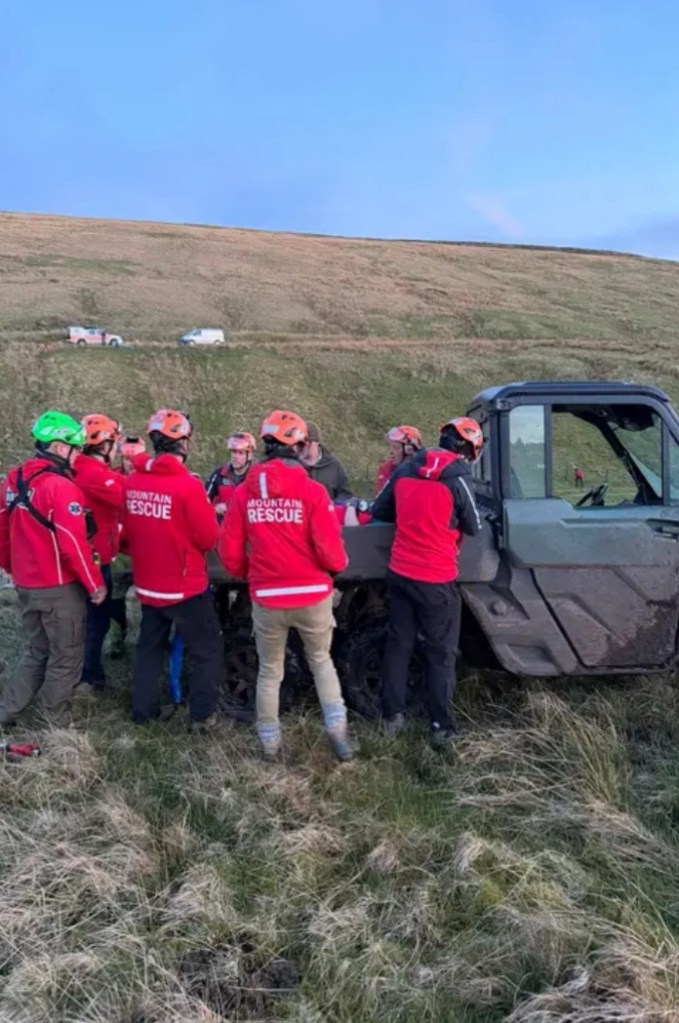
(Yorkshire Dales Moorland Group)
On the Front Line Against Wildfire
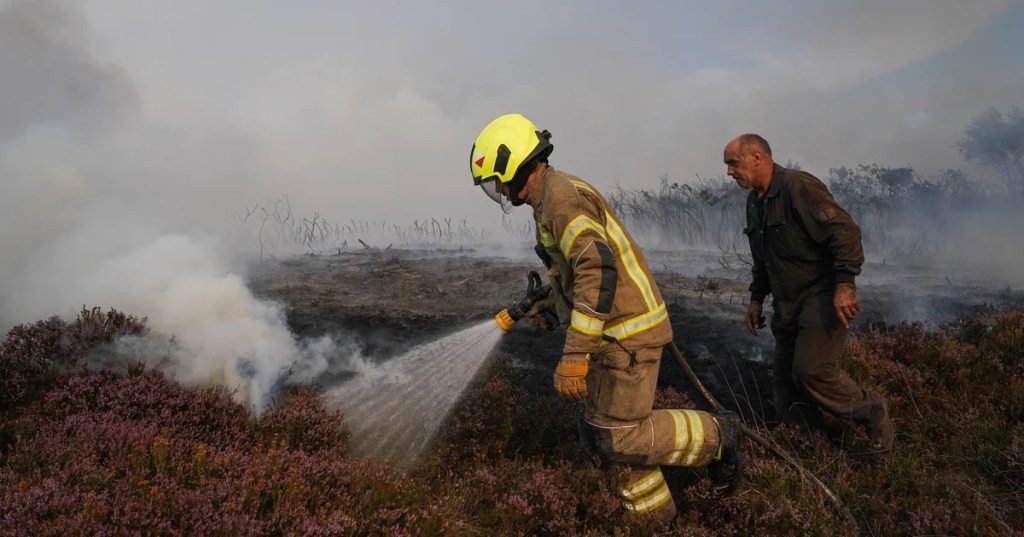
Perhaps the most high-stakes element of an upland keeper’s summer work is wildfire vigilance and response, as dry spells can turn the flammable moorland vegetation and peat into a tinderbox. Keepers often remain on the moors into the evening watching for smoke or glow, and they are frequently the first on the scene when a fire starts, whether on their own patch or a neighbouring estate.
Equipped with specialist vehicles (Argo Cats, quads, tractors), water bowsers, fogging units, leaf blowers and thermal drones, teams of keepers work alongside Fire & Rescue Services and local farmers. They cut emergency firebreaks, carry out controlled back-burning where appropriate, damp down hotspots and share their intimate knowledge of access routes, water sources and how fire behaves across the complex terrain of peat-hags, heather and groughs.
Recent years have seen major incidents on the North Yorks Moors, Peak District and elsewhere, with keepers credited for helping contain blazes that could otherwise have spread catastrophically. Their year-round vegetation management, reducing fuel loads through rotational cutting and controlled burning in the legal season, is widely recognised as reducing both the likelihood and severity of wildfires. Many also help train fire crews in moorland-specific techniques.
A Varied and Demanding Role
Beyond these headline tasks, keepers maintain equipment, manage water and peatland features (such as grip-blocking for rewetting where appropriate), monitor wider wildlife, and act as educators and ambassadors for the uplands. The job demands long hours, physical fitness, deep local knowledge, and the ability to switch rapidly from quiet observation to high-intensity emergency response.
As I write this in late July the heather is still mostly purple yet to come, the days are long, and the pressure is building toward the season. For upland gamekeepers this is the time when months of careful stewardship are put to the test: counting birds, protecting the land, managing staff and public, and standing ready should the hills catch light.
Although the public largely overlooks and misunderstands their work, it directly shapes the landscapes and communities of Britain’s most iconic regions. We must understand what they do, and recognise what we stand to lose if they were to stop doing it.
Before the Twelfth
The morning mist lifts off the heather,
Light-footed steps tread, well-worn leather,
No guns are cracked yet in this season of rest,
When the red grouse lays low on her cool, shaded nest.
With eyes on the ridge and a dog at his heel,
The keeper walks slow where the warm breezes steal.
He watches for pipit, for poult, and for hare,
and paces the sheep-tracks with meticulous care.
The bracken grows tall and the bilberries sweet,
this green-mantled kingdom is the keeper’s own beat.
Beneath the slow-drifting clouds and the wide-open sky,
The hills are at peace when the summer is high.
Thank-you for reading. If you enjoyed this piece and would like to support further articles on the wildlife and history of the Northwest, you can buy me a coffee here.
Alex Burton-Hargreaves
(July 2026)


Hi Alex,
thanks for your wonderful articles.
Gamekeepers have been knowledgeable people for hundreds of years. In the present climate context of global warming, mass extinction of species ….’management’ priorities are obliged to change. Private interest cannot be prioritised over a biodiverse environment. Playing God is obsolete. Here in France , the majority of the population is outraged at the government’s ‘ESOD’ extermination of selected species, considered as ‘Pests’.
We all know now, the price all inhabitants of the planet will pay, for ‘ upsetting the balance’ , and putting our own material interests first .
Keep writing,
Julie Anne.
LikeLiked by 1 person
Thanks Julie,
We’ll always need somebody to fulfil the role of a gamekeeper, whether we like it or not there will always be a need for someone to bridge the gap between humanity and nature.
It requires a high level of adaptability though, which the people who on the land may have, but the people behind the desks do not, this must change because it is our environment that ultimately suffers from this lack of understanding,
Alex
LikeLike